
AI Director Agents: The Secret Behind Premium Video Storytelling
Every great video feels directed. The camera placement, the pacing, the way one scene flows into the next, these choices separate a collection of clips from a story. For most of video production history, that craft required years of study and expensive teams. AI director agents are changing that equation by putting directorial intelligence into the hands of any creator.
An AI director agent is not a smarter interface. It is an autonomous system that applies the principles of classical and contemporary film direction to your footage: analyzing your script or prompt, planning scenes, suggesting composition, controlling pacing, and keeping characters consistent. This guide explains how these agents work, how to get the most out of them, and what the future of automated direction looks like.
What Makes Video Feel Cinematic
The Grammar of Film
Cinema has a grammar. Wide shots establish place. Close-ups reveal emotion. The rule of thirds guides where the eye lands. Negative space creates tension. Cutting on action hides edits. These rules were developed over a century of trial and error, and they work because human perception is predictable.
The problem is that applying this grammar consistently is hard. It takes practice to internalize, and under deadline pressure even experienced editors make compromises. AI director agents encode this grammar explicitly, which means the rules are applied every time, without fatigue.
The Shift from Tool to Collaborator
Traditional editing software gives you control but demands expertise. AI director agents invert the relationship: you supply intent, and the agent supplies craft. You describe the story, the mood, and the key moments; the agent translates that into concrete visual decisions. This shift from tool to collaborator is what makes premium storytelling accessible to non-directors.
How an AI Director Agent Works
Scene Composition Automation
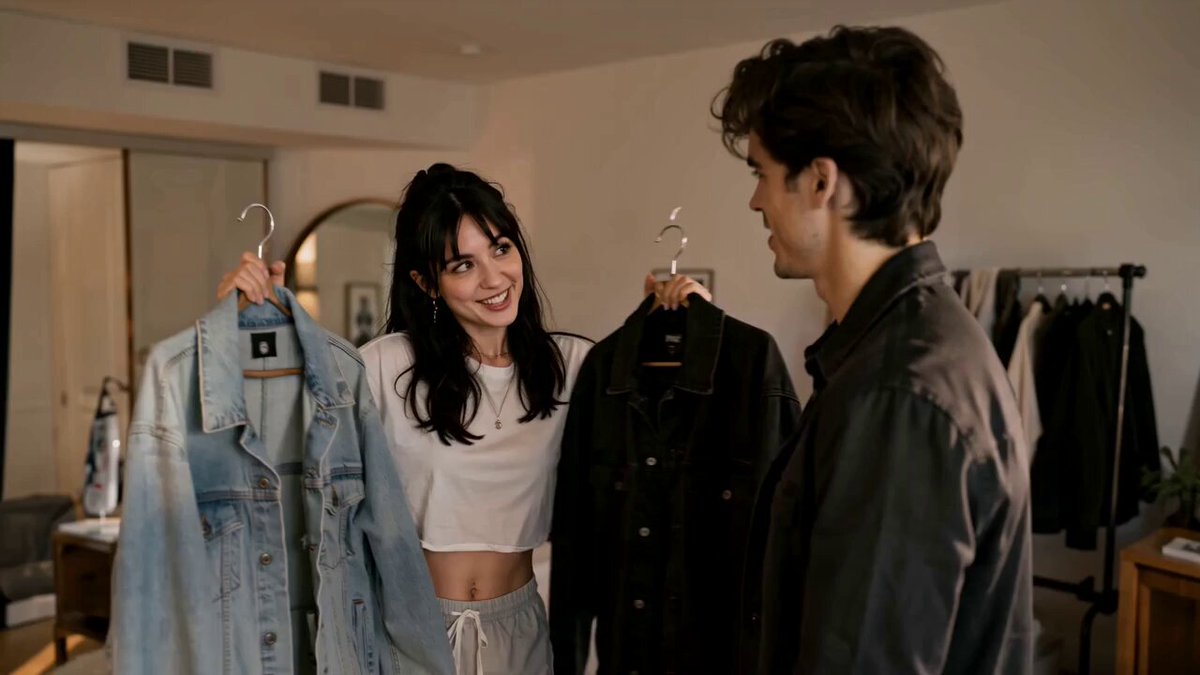
The agent analyzes your narrative description and produces visual composition recommendations. For each scene it considers the rule of thirds, negative space, subject placement, and camera height. A tense conversation might get tight two-shots with shallow depth; an establishing moment might get a wide, symmetrical frame.
The output is not a single answer but a set of options with rationale. You can accept the suggestion, adjust it, or reject it entirely. The agent learns from your choices, which means it gets better at predicting your taste over time.
Narrative Structure and Pacing
Strong narrative structure is the backbone of successful storytelling. The agent acts as a narrative editor, evaluating your scene order and suggesting pacing adjustments to match your intended rhythm. It can flag scenes that drag, transitions that feel abrupt, and story beats that lack setup.
Pacing advice is particularly valuable for short-form video, where every second counts. A well-paced fifteen-second video can feel complete, while a poorly paced thirty-second video can feel endless. The agent helps you find the compression that keeps the story intact.
Character Consistency
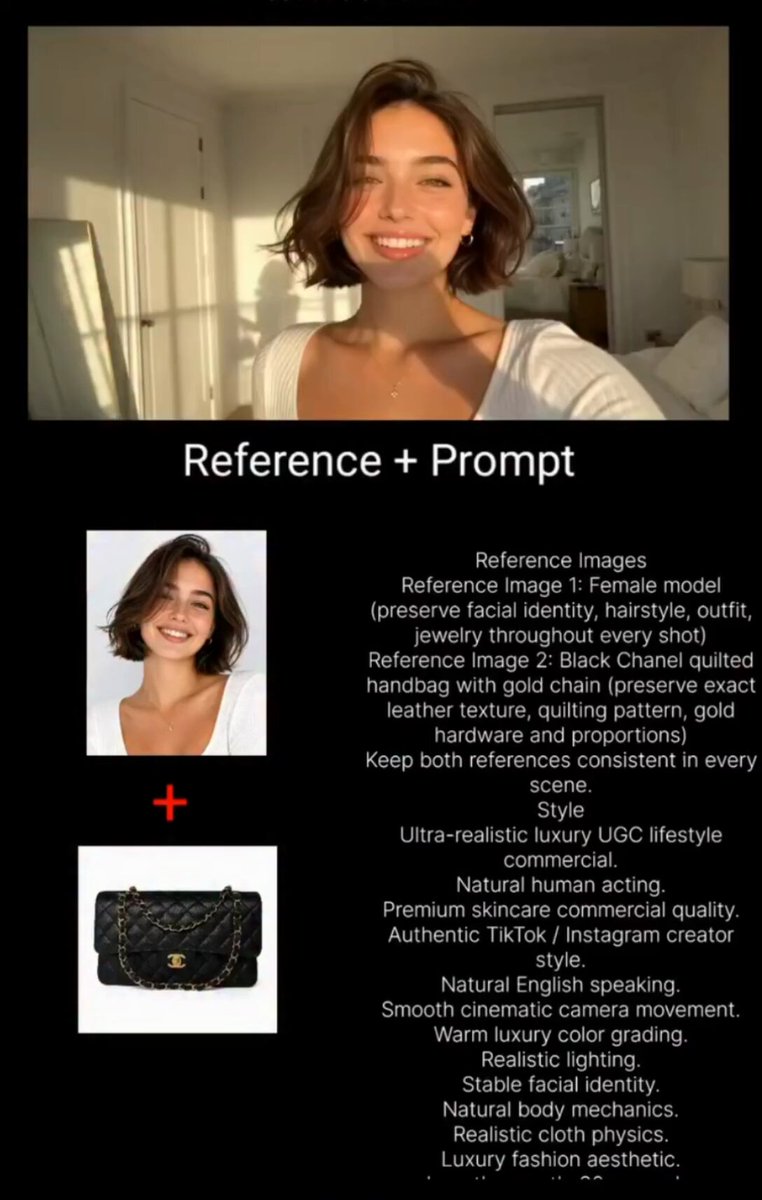
The most common failure in AI-assisted video is character drift: the protagonist changes appearance, outfit, or even anatomy between scenes. The director agent treats character consistency as a first-class requirement. It maintains reference images, checks each generated scene against those references, and re-rolls any output that breaks continuity.
This matters for more than aesthetics. When a character is consistent, the audience can invest in their journey. Drifting characters break immersion and turn a would-be story into a slideshow of unrelated images.
Building the Ecosystem Around the Agent
Model Selection as a Directorial Choice
Different visual styles need different models. A gritty thriller wants realistic rendering with controlled color; a fantasy short wants stylized visuals with strong art direction. The director agent can select the appropriate model per scene, based on the mood and technical requirements of the moment.
This per-scene selection is where the agent's value multiplies. Instead of forcing one model to do everything, you get a mosaic of strengths: realistic physics for action shots, painterly output for dream sequences, and consistent character rendering for dialogue scenes.
Keyframes and Multi-Image Fusion
Directorial control depends on reliable keyframes. The agent helps you design keyframe images that anchor the look, then uses multi-image fusion to keep every generated frame consistent with those anchors. This is how you maintain the same character across dramatically different scenes: the keyframe is the contract, and every shot honors it.
Task Queues and Resource Management
Premium video generation is compute-intensive. Behind the scenes, requests are managed through task queues that schedule GPU work efficiently. The director agent plans the queue: it generates keyframes first, then scene variants, then final takes. This ordering means you see the most important results fastest and can redirect effort before wasting compute on the wrong direction.
Making the Agent Work for Your Project
Start with Intent, Not Prompts
The single biggest mistake creators make is treating the agent like a search engine. Vague prompts produce vague direction. Instead, start with intent: what do you want the audience to feel, and what must happen for them to feel it?
A useful exercise is writing a one-sentence logline before opening any tool. For example: "A retired detective is pulled back for one last case when the clues start pointing to her own past." That sentence gives the agent everything it needs to make compositional and pacing decisions that serve the story.
Iterate in the Right Order
Work top-down. Lock the story structure and pacing before worrying about lighting. Lock character design before generating scenes. Lock the style of the first scene before generating the rest. Each level of decision constrains the next, and reversing the order creates wasted work.
Review with a Director's Eye
When you review generated output, ask directorial questions. Is the subject where the eye naturally lands? Does the pacing support the emotion? Is the character consistent with the reference? Does the lighting match the mood? You do not need to know film theory to ask these questions, and answering them honestly is the fastest way to improve your results.
Keep a Style Bible
Maintain a document that records your visual decisions: color palette, camera language, character references, and mood keywords. Feed this document to the agent at the start of every session. The style bible is what turns a one-off experiment into a repeatable production system.
The Creative Economy Around Directed Content
From Hobbyist to Professional
The democratization of directorial craft has economic consequences. Creators who could previously only produce simple clips can now deliver polished, narrative-driven content. That changes what buyers expect and what creators can charge. Direction, not generation, is becoming the differentiator that commands premium rates.
Community and Model Marketplaces
A healthy ecosystem also includes shared resources: trained style models, character packs, and prompt libraries that creators contribute to and trade. These marketplaces shorten the path from idea to finished look, because you can start from a proven visual foundation instead of building everything from scratch.
Feedback Loops
The best systems improve with use. When creators accept or reject suggestions, that feedback trains the agent's recommendations. Over time, the agent becomes tuned to the creator's taste, producing fewer rejected takes and faster turnarounds. This feedback loop is the quiet engine behind every great director-agent relationship.
The Technical Foundation
Prompt Engineering as Direction
At its core, an AI director agent translates directorial intent into prompt engineering. Complex scenes require prompts that specify subject, action, composition, lighting, lens, mood, and style. The agent manages that complexity on your behalf, assembling detailed prompts from your high-level instructions.
Reliability and Safety
Automated direction must be reliable. The agent should never silently drop a requirement: if a scene cannot be generated with character consistency intact, it should say so and propose alternatives. Similarly, provenance matters. Keeping records of what was generated, with which settings, protects creators when questions arise about the work's origins.
A Sample Session: What to Expect
If you are new to director agents, here is what a typical first session looks like. You open the tool and describe your project in plain language: the story in a few sentences, the mood you want, and the length of the video. The agent responds with a proposed structure: scene list, suggested pacing, and a first pass at camera language.
You then design the main character, either by describing them or by uploading reference images. The agent stores that design as the consistency anchor for the whole project. Next, you approve or adjust the scene-by-scene plan. The agent generates keyframes for the first scene, you review them, and the cycle of generate, review, and refine begins.
By the end of the session you have a rough cut: all scenes generated, characters consistent, pacing applied. You spend the remaining time on the details that matter to you, while the agent handles the craft decisions you chose to delegate. The first session is slower than later ones because you are teaching the system your taste; subsequent projects reuse your style preferences automatically.
Measuring Success: Metrics That Matter
The value of an AI director agent shows up in metrics, not just subjective feel. Track these numbers across projects:
- Iteration speed: how many revisions per scene before you approve it
- Consistency rate: how often generated scenes match your character reference on the first pass
- Time from first draft to final cut: the total production cycle
- Reuse rate: how much of your style bible carries over between projects
- Audience retention: whether viewers watch further into your videos over time
The first two metrics improve as the agent learns your preferences. The last two reflect the strategic payoff: a repeatable process and content that holds attention. If iteration speed and consistency rate are not improving, your feedback loop is broken, and you should check whether you are actually rejecting bad output or just accepting whatever the agent offers.
One more metric deserves attention: recovery time. When a scene fails, how long does it take you to diagnose why and fix it? The fastest teams keep a log of common failure modes, such as vague prompts, missing lighting instructions, or character references that conflict with the scene description. Each logged failure becomes a reusable lesson, and the log itself becomes part of the style bible. Directors who track their failures improve faster than directors who only celebrate their wins.
FAQ
Do I still need to learn film theory?
Not to start, but a little goes a long way. Understanding why the agent makes its suggestions helps you evaluate them and push back effectively. Basic concepts like the rule of thirds, shot sizes, and pacing are worth learning; the agent handles the application.
Will the agent replace human directors?
No. Agents execute craft reliably, but they do not supply taste, judgment, or a point of view. The director's job is choosing what story to tell and why. Those decisions remain firmly human.
How long does it take to see results?
The first session is usually the slowest because you are establishing intent, characters, and style. Once those are locked, subsequent scenes generate quickly. Budget most of your time for iteration and review, not for generation itself.
What if the agent's suggestions clash with my vision?
Push back. The agent is a collaborator, not an authority. Reject the suggestion, explain why, and adjust the parameters. The system is designed to learn from exactly this kind of feedback.
Is this only useful for fiction?
Not at all. Product videos, brand stories, explainer content, and social media campaigns all benefit from better composition, pacing, and consistency. Any video that wants to hold attention can use directorial intelligence.
Final Thoughts
The most exciting thing about AI director agents is not that they make video production easier, though they do. It is that they move the craft of direction from an exclusive skill to a shared capability. The bottleneck for great video is no longer technical knowledge; it is having something worth saying. Define your intent, build your style, and let the agent handle the grammar. The stories you can tell with that combination are bigger than anything one person could direct alone.
