
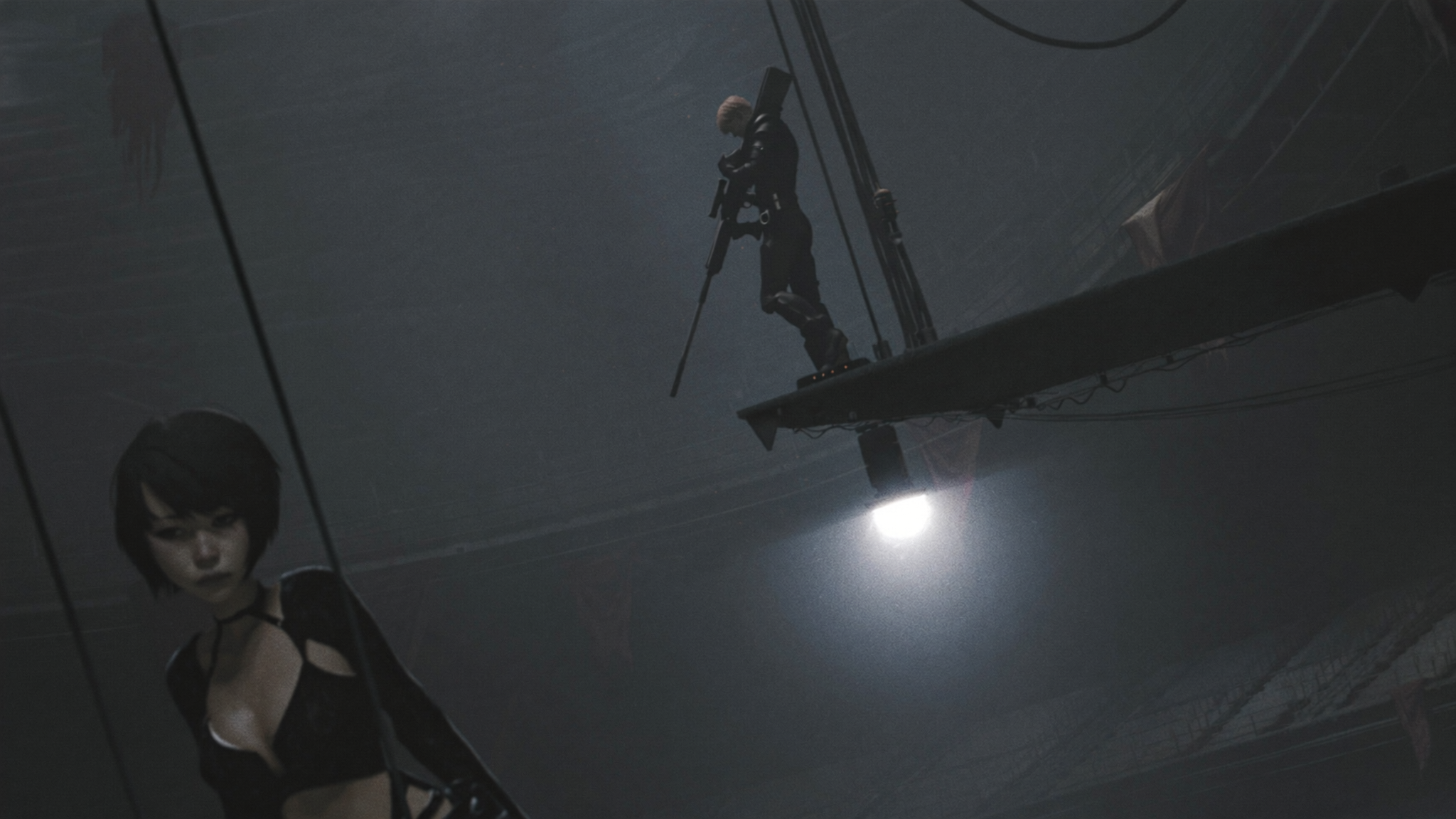
From Prompts to Direction: A New Way to Make Video
Most people using AI video tools still work like tourists: type a prompt, admire the result, hope for the best. The results are often pretty and almost always unplanned. The next evolution of the craft is not a better prompt; it is direction. Instead of asking a model to invent a scene from a sentence, you plan the whole sequence like a filmmaker, and then let an AI director agent turn that plan into a set of concrete generation tasks.
An AI director agent is software that sits between your creative intent and the video model. You give it a script, a story outline, or even a rough description of a mood, and it produces a structured shot list: every shot described in terms of subject, framing, camera movement, lighting, and duration. It then translates each shot into the prompts and parameters the generation tools need, and often sequences the work so scenes are produced in the right order with consistent references. You stop micromanaging individual prompts and start reviewing a plan, which is a completely different and far more professional way of working.
Why Shot Design Is the Missing Skill
Shot design is the practice of deciding what the audience sees and feels in each moment of a video. It covers the shot size, wide or close, the camera angle, eye level or high or low, the movement, static, push-in, pan, or handheld, and the composition, where the subject sits in the frame and what surrounds it. Filmmakers study these choices for years because they are the grammar of visual storytelling. A close-up says intimate; a wide shot says context; a low angle says power; a slow push-in says tension.
Most AI video fails not because the technology is weak, but because the maker never made these decisions. Without a shot plan, every clip is a random frame, and the final video feels like a slideshow of beautiful accidents. The fix is not more technology; it is planning. When you define each shot before generating, you get two benefits at once: the generations become more reliable, because the model receives specific instructions instead of vague wishes, and the edit becomes easier, because the shots are designed to cut together.
How an AI Director Agent Works
Think of the agent as a first assistant director who never sleeps. The workflow usually follows a recognizable arc. You start with the story: a script, a treatment, or a few paragraphs describing what happens. The agent analyzes the story and breaks it into scenes, identifying the emotional beats and the key actions. For each scene, it proposes a series of shots, choosing shot sizes and camera moves that serve the narrative. It compiles the shots into a shot list with descriptions ready for generation, and assigns each shot the technical settings that will produce it, including the choice of model and reference images. Finally, it manages consistency, keeping the same character references and style parameters across the entire sequence.
The result is that your job changes. Instead of writing fifty prompts, you review one plan and adjust the shots that do not match your vision. The agent handles the tedious translation from creative language to model language. For teams, this is a huge gain: a director or client can approve a shot list in minutes, long before any expensive generation happens, which means fewer wasted renders and fewer surprises at the end.
Building a Shot List That Actually Works
Whether you use an AI agent or build the list by hand, a good shot list follows the same rules. Keep every entry short: subject, action, shot size, camera move, duration, and any special note. "Close-up of the protagonist's hands assembling the device, push-in, three seconds" is a complete shot; a paragraph of vague description is not. Number the shots and keep them in story order, even if you will not generate them in that order. Include the emotional intent, because the shot list is also your reminder of what each moment should feel like.
Respect the rhythm of the sequence. Vary shot sizes: a minute of close-ups feels claustrophobic, a minute of wide shots feels distant. Plan the pacing by varying shot duration, short cuts for energy, longer holds for emotion. Mark the transitions you intend to use, a cut, a zoom, a dissolve, so the editor knows what the generation needs to support. A shot list is a contract between the creative plan and the production tools; the more precise it is, the better both sides perform.
Choosing the Right Model for Each Shot
One of the smartest habits in AI-directed production is treating model selection as a per-shot decision. No single model is the best choice for every scene. A photorealistic model with strong prompt adherence might be perfect for a product shot, while a stylized model with a distinctive look might serve an animated sequence better. Fast, cheap models are ideal for exploratory passes and test renders; high-quality models are worth the extra time for hero shots that the audience will remember.
The agent can help here by tagging each shot with the recommended model and settings, but you should still understand the reasoning. Consider three factors per shot: the visual style required, the motion complexity, and the importance of the shot in the sequence. Build a small matrix for each project: shot, style, model, resolution, and priority. This discipline keeps production predictable and prevents the common failure of generating everything with one tool and hoping the results match.
Consistency: The Hard Problem of Multi-Shot Video
The most difficult technical challenge in AI video is keeping characters and worlds stable across many shots. A director's job is to make a story feel continuous, and continuity collapses the moment a face changes or a costume shifts between cuts. The tools for consistency are reference assets and strict process.
Create a reference sheet for every recurring character: front, side, and close-up views, generated together so the features match. Use these images as inputs for every shot involving the character, rather than describing them in text. For environments, create reference images of the key locations and reuse them. When a character must appear in a new pose or angle, generate the new still from the reference first, then animate that still. This cascading approach, reference to new frame to video, is the most reliable consistency technique available. An AI director agent formalizes this process by attaching the right references to every shot automatically, which removes the most common source of human error: forgetting to include them.
Directing Pacing and Emotion Across the Sequence
Beyond individual shots, the director's true work is the arc of the whole piece. Pacing is the tool: how long the audience stays with each image, how quickly the cuts come, where the quiet moments fall. A common mistake in AI video is uniform pacing, every clip the same length, every transition the same speed, which flattens the emotional curve into a single unending line.
Plan the emotional shape before you generate. If the video tells a story, mark the setup, the rising tension, the climax, and the release, and match shot lengths to those beats. Slow shots during the setup, accelerating cuts as tension builds, a held moment at the climax, and a relaxed closing sequence. Music and sound design double the effect of pacing. A riser under the accelerating shots, silence at the pivotal moment, and a resolved chord at the end turn a sequence of clips into a piece with emotional logic. The director agent plans the visual beats; you bring the feeling.
A Practical Workflow for Your First AI-Directed Project
Start small. Write a thirty-second story with a clear beginning, middle, and end. Turn it into a shot list of eight to twelve shots, following the format above. Generate reference images for any characters and locations. Produce the shots in order, checking consistency as you go, and regenerate any shot that breaks the visual language. Assemble the clips in your editor, cut to the beat of a chosen music track, and add minimal effects, titles, and sound design. Watch it, then watch it again with fresh eyes, and note the three weakest moments. Fix those three, and publish.
This first project is a rehearsal. The point is not perfection; it is learning the rhythm of plan, generate, review, fix. After two or three projects, the habit becomes automatic, and you will find yourself thinking in shots even when you are not working with AI tools. That is when the craft becomes genuinely yours.
Troubleshooting Common Direction Problems
If your sequence feels flat, check the shot variety: are you cutting between different shot sizes and angles, or repeating the same framing? If characters drift between scenes, return to the reference images and the cascade process. If the pacing drags, shorten the clips and accelerate the cuts; if it feels frantic, hold some shots longer. If the video looks disjointed, review your transitions and the sound design, because continuity lives in audio as much as in picture. If generations keep failing, simplify the shots: reduce motion complexity, shorten durations, and strengthen the reference images.
Most problems trace back to the plan, not the tools. When something goes wrong, resist the urge to regenerate blindly. Go back to the shot list, identify the decision that caused the failure, and fix the decision. That is how a director thinks, and it is the fastest path to reliable, repeatable quality.
A Worked Example: Thirty Seconds, Ten Shots
To see the whole system in action, consider a thirty-second brand story for a small coffee roaster. The story: a farmer picks coffee, the beans travel, the roaster crafts the batch, a customer enjoys the cup. The shot list has ten entries: a wide shot of the farm at sunrise, a close-up of hands picking cherries, a medium shot of the beans being weighed, a macro of the roaster drum turning, a close-up of the roast color changing, a wide of the roasting room, a medium of the barista pouring, a close-up of the cup, a slow push-in on the customer's face, and a final wide of the café interior.
Each shot gets a reference image: the farm from the first shot, the roastery from the middle shots, the café from the last two. The director agent attaches the right references, chooses a realistic model for the farm and café shots and a stylized model for the macro shots, and sequences the generation so the two environments stay consistent. After review, two shots need fixes: the roast-color close-up drifts in hue, and the push-in is too fast. The agent regenerates them with tighter parameters. The edit assembles the ten clips over the music track, with short cuts building energy toward the final wide shot, and the video runs exactly thirty seconds.
This project takes an afternoon instead of a week, and the quality holds because the plan came before the generation. That is the entire value of the director approach: the plan, not the tool, is what makes the video coherent.
FAQ
Do I need to be a filmmaker to use an AI director agent?
No, but learning basic shot design makes you dramatically better at reviewing and guiding the agent's plans.
What is the difference between a prompt and a shot list?
A prompt describes one image or clip. A shot list describes the entire sequence: framing, motion, duration, and intent for every shot, which is what makes a coherent video possible.
How do I keep a character consistent across many shots?
Create reference images and use them as inputs for every shot. Generate new poses from the reference before animating, and never rely on text alone.
Can AI director agents work with any video model?
Most agents integrate with a library of models and let you assign different models to different shots. The agent handles the translation; you choose the strategy.
Is this workflow suitable for beginners?
Yes, with small projects. Start with a thirty-second video, follow the shot-list process, and scale up as the habits become automatic.
