

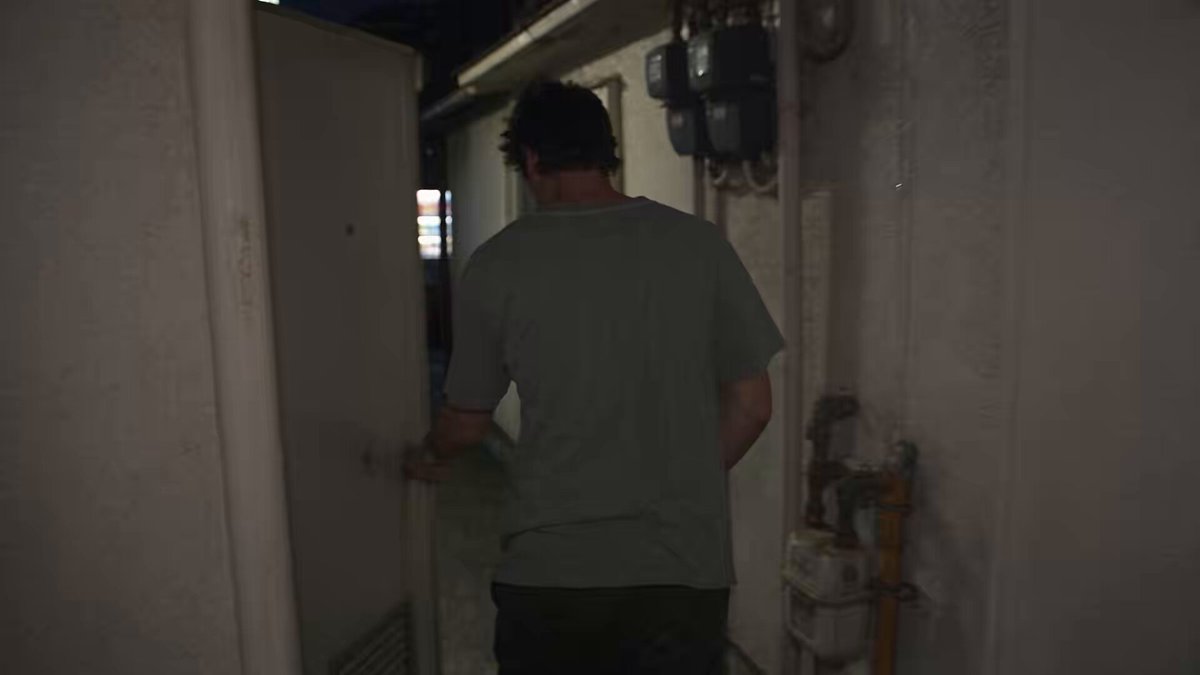
Cinematic does not happen by accident. A film look is the result of hundreds of decisions: where the camera stands, how the light falls, what the frame includes and excludes, how one shot connects to the next. For most of film history, making those decisions well required years of training and a crew to execute them. AI video flipped the economics but left the craft problem unsolved. Anyone can generate moving images now; almost nobody can make them feel directed. The missing piece is the director layer: a system that translates a story into a sequence of deliberate, cinematic shots instead of a random stream of pretty clips. This article is about how that layer works, how to use it to design scenes that look and feel intentional, and how to build a workflow that turns a vague idea into a shot-by-shot plan.
From Idea to Shot List
Every good scene starts long before the first image is generated. It starts with a question: what does this scene need to accomplish? A scene can advance the plot, reveal a character, raise the emotional stakes, or simply set a mood. The worst AI video scenes are the ones where the creator skipped this question and went straight to prompting. The footage is competent and the meaning is absent.
The fix is to write a shot list before you touch a generator. A shot list is simply the scene broken into individual shots, each with a subject, a purpose, and a camera decision. For a scene where a character receives bad news, you might plan: a wide shot establishing the room, a medium shot of the character entering, a close-up of the letter in their hand, an over-the-shoulder shot of them reading, and a final close-up as the meaning lands. Each shot exists because it does a specific job. Nothing in the list is decoration.
The director layer is what helps you build this list. Instead of staring at a blank page, you describe the scene's purpose, and the system proposes shots, sequences, and camera moves that serve it. You remain the editor in chief; the suggestions are drafts, not orders. But drafting is exactly where most people get stuck, and having a structured starting point is worth more than it sounds.
The Grammar of Camera Language
Shots are the words of visual storytelling, and camera language is the grammar. You do not need a film degree to use it, but you do need to know the basic vocabulary and what each choice communicates.
Shot size sets the emotional distance. A wide shot or an establishing shot tells the audience where we are and how the character relates to the world. A medium shot is the workhorse of dialogue and action. A close-up is intimacy, urgency, or importance; it says the face matters right now. Cutting from wide to close changes the energy, and directors use that change deliberately.
Camera movement is meaning, not decoration. A slow push-in increases tension or focus. A tracking shot that follows the character conveys journey and momentum. A handheld or shaky shot brings unease and immediacy. A static shot, used at the right moment, can be the most powerful of all because stillness reads as control. When you prompt a camera move, ask why the move serves the story. If you do not have an answer, keep the camera still.
Angle shapes power. A low angle makes a subject dominant or threatening. A high angle makes them vulnerable or small. An eye-level shot is neutral and intimate. An over-the-shoulder shot puts the audience inside a conversation. The director layer can propose these choices for you, but understanding them lets you override the proposal with intent instead of blindly accepting.
Directing Light and Mood
Lighting is where AI video most often looks "generated." The giveaway is a scene that is evenly lit, with no strong shadows, no color story, and no sense of time or place. Real cinematographers treat light as a character, and your prompts should too.
Be specific about the source and quality of light. "Golden hour sunlight" and "hard neon from above" and "soft window light from the left" are all different scenes. Naming the source and direction gives the model something concrete to work with, and it immediately adds production value to your frames.
Use color as a storytelling tool. Warm tones suggest comfort, nostalgia, or danger depending on context. Cool blues suggest distance, coldness, or night. A single strong accent color can point the eye to the important element. Mention the palette in your scene descriptions, and keep it consistent across shots that belong to the same moment.
Think about contrast. High-contrast, low-key lighting creates drama and mystery. High-key, even lighting creates clarity and optimism. The mood of the scene should dictate the lighting style, not the other way around. When the director layer suggests a lighting setup, check it against the emotion you are trying to create.
Building a Coherent Sequence
A single cinematic shot is a win, but a coherent sequence is the goal. Sequences are where storytelling actually happens, and they are where most AI video projects fall apart, because each clip is generated in isolation and the collection never adds up to a scene.
The first rule of sequence design is continuity of character. The protagonist must look the same from shot to shot. Use reference images to lock identity, and never change the character description between prompts. This is the single highest-impact habit in AI filmmaking.
The second rule is continuity of world. If scene one is a sunlit morning cafe, scene two cannot be a neon nightclub unless the story explains the jump. Keep lighting, palette, and environment details consistent across shots within the same beat, and signal changes with deliberate transition shots.
The third rule is continuity of motion. When a character is walking in one shot, the next shot should continue that motion from a new angle, not reset it. Think about screen direction: if the character exits frame left, the next shot should generally have them entering from the right side of frame. This invisible rule is what makes cuts feel smooth instead of jarring.
The fourth rule is pacing. Vary the rhythm. A sequence of ten long wide shots feels slow and detached. A sequence of quick close-ups feels frantic. Design the pacing to match the emotional beat, using shot length as a tool the same way you use shot size and camera movement.
The Director's Workflow in Practice
A practical workflow for a directed AI video looks like this.
Step one: write the scene as prose. One paragraph that captures what happens and how it should feel. No technical language yet, just the story.
Step two: break it into beats. A beat is a single story moment: the character arrives, they see the letter, they read it, they react. List the beats in order.
Step three: assign shots to beats. For each beat, choose the shot size, camera move, and angle that best communicates it. This is the shot list, and it is the heart of the whole process.
Step four: describe each shot for the generator. Turn each shot into a prompt that includes subject, action, camera, lighting, and palette. Keep character descriptions identical across all shots.
Step five: generate and curate. Produce multiple takes of each shot and select the best. Watch the selected takes in sequence, as an audience would, and fix anything that breaks continuity.
Step six: assemble and refine. Edit the clips together, add sound design and music, grade for consistency, and only then call the scene done.
When to Let the Machine Direct
The director layer is not a replacement for your judgment; it is a multiplier for it. Use it for the parts of direction that are mechanical and exhausting: proposing shot options, translating emotion into camera language, keeping track of continuity requirements, and drafting the descriptions that become prompts. Keep for yourself the parts that require taste: what the story means, which emotion matters most, whether a shot truly serves the scene, and when to break the rules.
There is also a strong case for using the suggestions to escape your own habits. Most creators default to a narrow set of shots: eye-level, medium, static. The director layer will propose close-ups, low angles, tracking moves, and transitions you would not have thought of. Even when you reject its ideas, the exercise of considering them makes your own choices sharper.
Sound Design: The Director's Other Ear
A scene is only half-directed when the picture works. Sound is the other half, and it is where AI video projects most often betray themselves, because creators generate beautiful images and then drop in whatever music track happens to be convenient. The result is footage that looks cinematic and sounds generic, and the audience feels the mismatch even when they cannot name it.
Treat sound as a shot to be directed. Music should follow the emotional arc of the sequence, not the length of the video. If the scene builds tension, the music should build with it. If the moment lands, the music should resolve. A simple technique is to write the emotional arc of the scene as a curve, then score the music to that curve instead of to the clock.
Sound effects anchor the world. A door closing, footsteps, a distant siren, the hum of a room: these small details make a generated scene feel inhabited. They also help continuity by grounding each shot in a consistent acoustic environment. When two shots are supposed to be the same room, they should sound like the same room.
Silence is a directorial choice too. Cutting the music for one beat before a reveal is one of the oldest tricks in the book, and it works on a phone screen exactly as it works in a theater. The audience leans in when the sound drops out. Use silence deliberately, not accidentally.
Voice and narration deserve the same care. If the scene has a narrator, the voice must match the mood: calm for a documentary beat, warmer for a character moment, faster for urgency. And the voice should be consistent across the whole project, the same way the character's face is consistent. Audio identity is part of the visual identity.
The workflow lesson is simple: direct the sound in the same session as the picture. Approve the music, the effects, and the voice against the shot list, and review them together. A sequence reviewed with sound is a completely different thing from the same sequence reviewed in silence, and the difference is where the cinema lives.
Common Failure Modes
The most common failure is prompt-level thinking instead of scene-level thinking. You ask for a "cinematic shot" in isolation, get a beautiful clip, and have no idea how it fits the story. The shot list fixes this by forcing the scene question first.
The second failure is style drift across a project. Every clip is generated with slightly different wording, so the whole piece looks like a collage of unrelated styles. The fix is a style reference: a single image or a fixed vocabulary that every shot prompt shares.
The third failure is over-directing. Loading every prompt with every cinematic term produces bloated, incoherent frames. Direct with intention, not with a thesaurus. A clean, specific prompt beats a dense one.
The fourth failure is skipping the sequence review. You approve each clip in isolation, then discover the scene does not work when assembled. Always review the sequence as a whole, and treat the whole as the unit of quality.
Frequently Asked Questions
Do I need to learn film terminology to direct AI video? A little goes a long way. Shot sizes, basic camera moves, and lighting vocabulary cover most of what you need, and the director layer can suggest the terms for you.
How do I keep the same character across different scenes? Use reference images of the character in every relevant generation, keep the character description identical, and anchor transitions with keyframes or approved frames from earlier shots.
Can AI direct a whole movie? Not yet. The director layer is excellent at scene and shot design, but long-form narrative coherence, dialogue, and emotional arcs still need human control.
Is cinematic AI video better for short-form or long-form? Short-form benefits immediately because a single well-directed sequence is achievable in one session. Long-form is possible but demands much stricter continuity discipline.
What is the most important habit to start with? Write the shot list before generating anything. It is the one habit that improves every other part of the process.
The Takeaway
The barrier to cinematic AI video was never the generator; it was the direction. Now that a director layer exists to translate story into shots, the craft moves back to where it belongs: your judgment. Learn the grammar of camera language, plan your scenes shot by shot, lock your continuity, and use the machine for the mechanical work. A camera that knows where to stand and why is the difference between footage and film, and that difference is now within reach of anyone willing to plan before they generate.
