

Directing a video used to mean an entire physical world: sets, locations, rehearsals, and a crew to translate a script into shots. A distinct layer of that craft, the decisions about camera, staging, and scene, is now being encoded into intelligent tools that read a script and propose a full visual plan. For teams that make a lot of video, this changes where the real skill lies: less in wrangling production and more in guiding an automated director toward exactly what the story needs.
This article is a practical look at using an AI director to handle cinematography and scene design, including how to collaborate with it, where it excels, and how to keep the human taste that separates good work from forgettable work.
What an AI director actually contributes
Think of an AI director as a tireless first assistant in every stage of planning. It can parse a script, break the narrative into scenes, and suggest a camera language for each: a close-up here to catch a reaction, a wide establishing shot to set a location, a low angle to confer power. It works from established visual grammar rather than starting from nothing.
What it removes is the blank-page friction that stalls early planning. Saying stage left to a team that cannot see the frame is hard; an AI director translates that into a concrete block that editors and designers can react to and revise. The planning loop gets dramatically shorter.
None of this is autonomous filmmaking in a finished sense. It is a strong first draft of directorial thinking, which you verify, push back on, and refine, much as a director would work with a trusted collaborator.
Placing the theory behind the shots
The choices that make footage feel intentional come from concepts like the rule of thirds, camera angle, and depth of field. Good AI directors work on these principles, applying them to your script consistently and suggesting framing that fits the emotion of each beat.
For a director or editor, understanding these principles lets you make better use of the tool. When the assistant suggests a certain angle, you can reason about why it fits, or counter with a better one. The tool is most powerful in the hands of someone who can evaluate its suggestions rather than accept them passively.
This returns direction to its craft. With the mechanical composition handled, the human can focus on the emotional through-line of the piece, pushing shots toward the feeling that matters rather than the technical default.
Keeping the world visually consistent
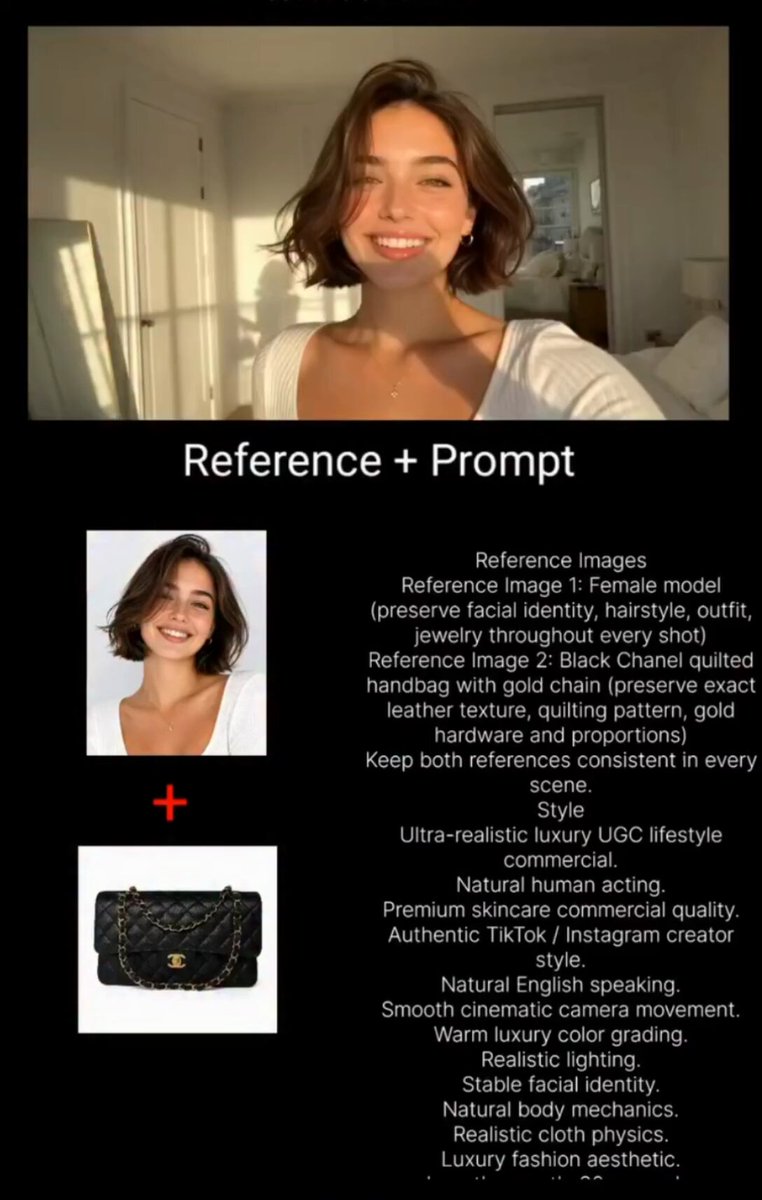
A film's credibility depends on its world staying stable shot after shot. Lighting, wardrobe, locations, and character appearance must read as one coherent place and time. AI directorial tools now support this by conditioning shots on reference images, so the setting and characters you establish early persist across the entire sequence.
This is where an automated director earns its keep on longer work. Instead of manually guarding continuity across a dozen scenes, you lock the references once and each new shot inherits that identity. The tool enforces the visual logic that would otherwise require constant vigilance.
Take the time to build a clean reference set up front: hero characters, key locations, and the dominating lighting mood. That foundation determines how believable the whole piece looks, so it is worth getting right before generating anything.
Designing scenes and locations without a set
For independent and low-budget projects, one of the most freeing uses is scene design. Rather than renting a location or building a set, you describe the environment you need and generate a consistent, reusable visual for it. Every shot set in that location draws on the same designed space.
This preserves authorial control. You define the palette, the props, the atmosphere, and the layout, then the tool reproduces them reliably. The location stops being a constraint and becomes a deliberate creative choice, expressible in words and reference frames.
Keep scene references organized per location. When a script revisits a place pages later, the reference ensures the audience returns to the same room rather than a subtly different imitation of it.
Automating the behind-the-scenes workflow
A production is also logistics. AI director workflows benefit from queued task systems that stage heavy generation jobs efficiently so planning continues smoothly. The tool stops being a sporadic helper and starts feeling like an actual production pipeline.
Teams that formalize the pipeline get the most from it. Structure the work as prepare references, generate planned shots, review in batches, and polish the exceptions. Repeatable process stacks together into a fast, dependable output cadence that supports high volume without collapsing quality.
Reliability matters more than raw feature count. A tool that gives clear progress, sensible queueing, and clean re-runs will beat a flashier one that jams at high load every time your team is on deadline.
Going beyond basic generation with advanced technique
The practical power of an AI director grows dramatically with deeper controls. Depth-of-field control lets you direct attention within a shot. Lens-style control gives you a particular cinematic character. Combining these with reference conditioning lets you produce shots that look designed rather than defaulted.
These capabilities reward deliberate use. Decide the shot's purpose, apply the control that serves it, and verify the result supports the story. Using advanced controls indiscriminately produces showy but meaningless footage; applied to a specific intent, they make a frame feel authored.
The line between tool and director blurs here. When you can specify not just what is in the frame but how it is photographed and why, you are directing through the machine rather than around it.
Balancing automation with real taste
The reason to keep human judgment at the center is simple: aesthetics and story are not reproducible by consistency alone. Two different videos can be equally consistent and equally wrong for their audience. Only a human who understands the goal can tell which direction the work should lean.
Use the AI director to generate options and a baseline plan, then apply taste to select, combine, and override. The tool gives you more moves per hour; you decide which moves tell the right story.
The mark of strong creative teams is not that they use AI tools at all, but that they use them as instruments for a clear point of view. That principle transfers intact to direction and scene design.
A practical example: directing a product launch spot
Consider a short thirty-second launch spot with three beats: the product is revealed, a benefit is shown in use, and the brand closes on a strong final frame. With an AI director, you describe each beat and let the tool propose a camera plan. The reveal might come from a slow push-in on the product on a clean table; the benefit shot could be a smooth tracking move following the product being used; the close could be a confident wide shot with the brand centered and the depth of field guiding the eye.
You review the proposed plan, adjust the mood of each beat, and lock hero references for the product so it appears identical across all three shots. Because the references hold, the spot reads as one coherent idea rather than three unrelated clips. This strips the overhead out of a shot sequence that would once have required a full storyboard session and a shoot day.
Scene design decisions that sell the story
Scene design is where a lot of the emotional weight lives, and an AI director lets you control it precisely. Decide the palette before you generate: the color temperature of light, the presence or absence of a window glow, the depth and clutter of the background. Each choice cues a mood, and consistent choices across a scene build a world the audience can read at a glance.
Think about layout the same way you would block on a real set. Place the subject with space to breathe or push them against something for tension. Use the background to tell time, place, and condition without a word of dialogue. The tool reproduces your decisions, so the distinctiveness of the world lives or dies with how deliberately you set it.
Document the palette, props, and lighting notes for each location. When a later shot returns to the same room, you can reproduce the exact design instead of improvising something slightly off. This turns scene design into a repeatable language rather than a happy accident.
Directing with clear intent across the craft
All the automation still answers to one principle: every frame should serve a reason. Define what each shot is for, then let the tool help you reach it. A shot that exists to land the comedy needs different framing than one that exists to raise tension, and the AI director is only useful when you are clear about the difference.
Keep intent visible in your notes. Write one line for each scene saying what the audience should feel, then check every suggestion and render against that line. When the tool drifts from the intent, override it. When it aligns, keep it. The result is footage that feels directed, because someone genuinely directed it.
This habit caps the risk of automation producing a pile of technically clean but emotionally empty clips. Intent is the human filter that keeps the work meaningful, and it is the one thing no model supplies on its own.
Building a reusable scene library for faster work
Once you direct a few projects, a strong library of approved scenes becomes a genuine asset. Save the references, palettes, prompts, and the final camera plan for each scene you are happy with. Later projects can draw from this library instead of starting completely from scratch, which speeds up production without sacrificing the consistency your audience has come to expect.
Maintain the library as carefully as any other creative asset. Organize it by location, subject, and mood, and update it whenever you produce something notably better. When a brief calls for a familiar setting, you can reproduce it instantly and spend your creative energy on what is actually new.
The deeper benefit is that the library starts to encode your house style. Over time it becomes hard for competitors to imitate, because it is built from your specific taste, references, and decisions. That is the kind of durable advantage that automation, used well, helps create rather than dissolves.
Common questions about automated direction
Does an AI director replace the need for a human director? No. It automates composition and continuity planning but relies on a human to define the story, set the tone, and choose among options. Small teams gain a planning partner they could not otherwise afford.
How hard is it to switch from manual shot planning? The mental shift is smaller than it looks. You already think in shots and scenes; the tool just helps you express and generate them faster. Starting with a familiar scene type makes adoption smooth.
What if the tool's suggestions feel generic? Push harder. Refine references, add specific direction about camera emotion and depth, and override defaults. Generic output usually means an under-specced input brief, not a limitation that cannot be improved.
Will generated scenes ruin the human feel of my video? Only if you let the defaults win. Intentionally styled shots, real storytelling choices, and human-refined pacing keep output feeling crafted. The tool is as human as the taste you apply to it.
Final thoughts
Directing and scene design are being made accessible in a way that would have been unthinkable a short time ago. An AI assistant can now carry the planning weight of cinematography, keep the visual world consistent, and let a single motivated creator design believable locations without ever booking a set.
The deeper truth is that automation lowers the cost of craft without lowering its value. The planning vocabulary of directors is still the same; it is just available to more people now. Those who learn to speak it fluently, and to judge what matters within it, are the ones turning efficient production into work that still feels like a point of view. The camera may be automated, but the eye behind it remains genuinely yours.
