


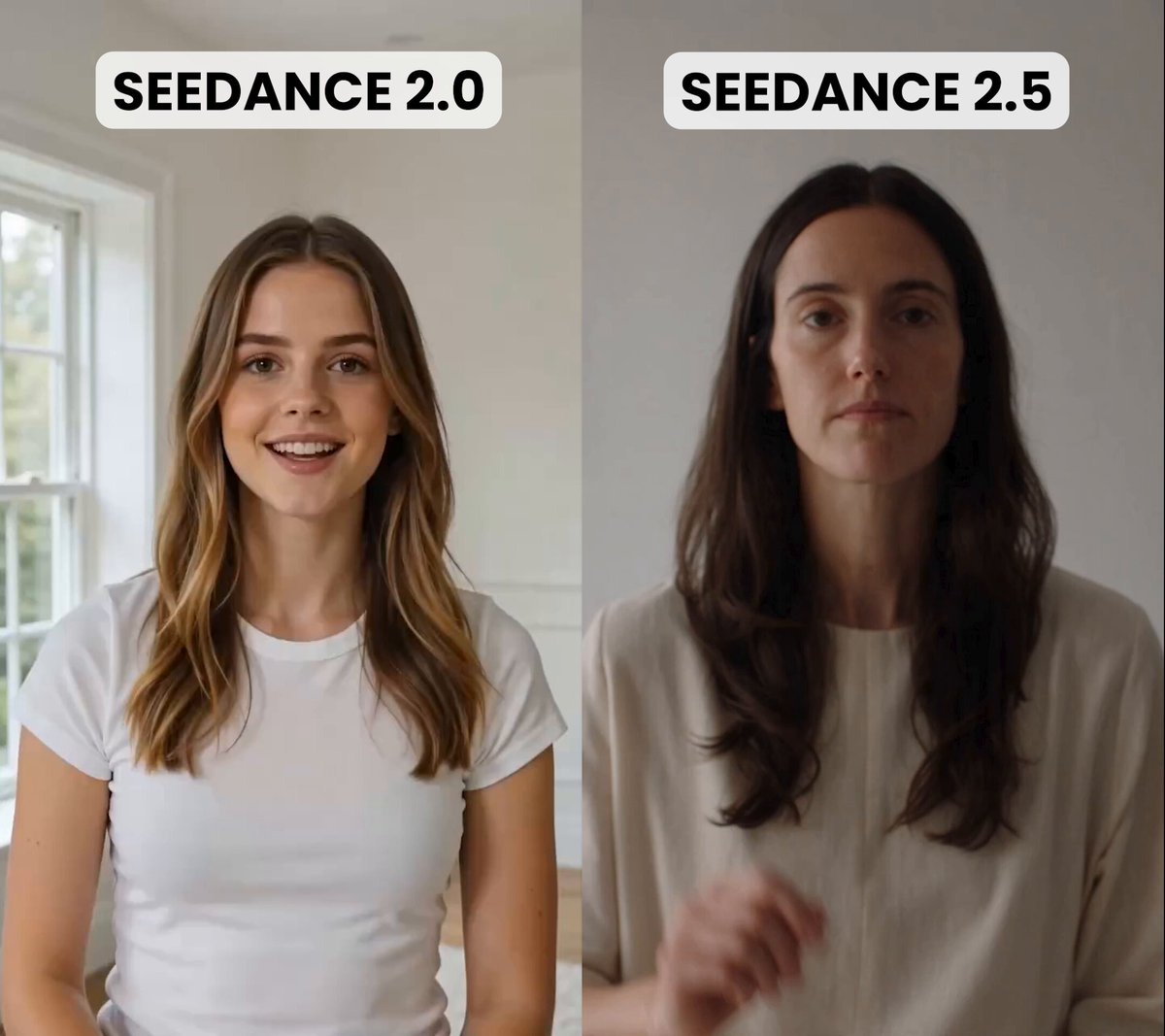
Every time a new generation model releases, the same two stories appear. One celebrates what creators can now make; the other worries about how audiences will know what is real. AI image detection — the technology that identifies whether an image was generated by a model and by which one — has moved from a niche research topic to a platform-level concern. Media companies, regulators, and platforms are all pushing for provenance standards, and creators who understand how detection and verification work are the ones who will keep their workflows safe, credible, and legal. This guide explains the modern landscape of AI image detection, the difference between detection and prevention, and the practical steps any creator can take to keep their work transparent and trustworthy.
Why Detection Became a Platform-Level Problem
The democratization of generation tools created an obvious side effect: synthetic content can now be produced faster than it can be reviewed. Realistic images and video clips are created in seconds, and without reliable detection, they enter news feeds, marketplaces, and social platforms indistinguishable from genuine photography. The consequences range from copyright disputes to fraud, from political misinformation to non-consensual deepfakes.
This is why the security market around AI-generated content is growing quickly, and why major media players have accelerated the push for mandatory watermarking and metadata standards. Detection is not a nice-to-have feature; it has become a requirement for platforms to stay credible, for creators to protect their rights, and for audiences to trust what they see.
How Modern AI Image Detection Works
Detection technology has evolved through several generations of technique. Understanding them helps you understand both the power and the limits of the tools you rely on.
Statistical and Forensic Analysis
The earliest detectors looked for statistical fingerprints left by generators: unusual noise patterns, artifacts in high-frequency detail, or inconsistencies in textures that real cameras do not produce. Digital forensics tools analyze noise patterns, compression artifacts, and synthetic residue to flag content that deviates from natural image statistics. These methods are fast and work on images with no metadata, but they are probabilistic — a well-crafted image can fool them, and an aggressively compressed genuine photo can trigger false positives.
Model Architecture Signatures
Newer detection goes beyond generic artifacts to identify the specific model that produced an image. Because each architecture has its own quirks — characteristic upsampling behavior, distinctive noise schedules, idiosyncratic color handling — a sufficiently trained detector can attribute an image to a family of models with surprising accuracy. This is the technology behind "which generator made this?" classifiers, and it is the level of detection that matters for enforcement, because knowing the source model is the first step to knowing who to ask.
The Shift From Detection to Prevention
The most important trend is the move from detecting after the fact to preventing ambiguity at creation time. Detection is always a race: generators improve, detectors chase them, and adversarial users try to evade the detectors. Prevention, by contrast, bakes the answer into the artifact from the moment it is made. If every generated image carries a verifiable claim about its origin, then determining authenticity no longer depends on catching the image later — the information travels with the file itself.
Watermarking and Provenance Metadata
The two pillars of prevention are visible and invisible watermarking, and provenance metadata.
Watermarking comes in two flavors. Visible watermarks are the obvious logos or labels that identify an image as AI-generated; they are easy to remove and mainly serve as a deterrent. Invisible watermarks are embedded in the image data in ways that survive cropping, compression, and screenshots. Modern invisible watermarking can encode a robust identifier into the noise layer of an image, and dedicated readers can recover that identifier even after heavy modification.
Provenance metadata is the more comprehensive system. Standards like the Coalition for Content Provenance and Authenticity (C2PA) define a structured way to record who created an asset, with what tool, and what edits were applied, all signed cryptographically so the record cannot be quietly changed. When a generation tool attaches provenance metadata, the file itself carries a trustworthy history: created by this tool, at this time, with these settings. Platforms can read that metadata automatically and label content accordingly, and audiences can verify the chain of custody instead of trusting a label pasted on top.
Building Transparency Into the Creation Process
For creators, the practical question is how to keep your own workflow safe and transparent without slowing down production. A few habits go a long way:
- Use tools that attach provenance metadata, and do not strip it during export.
- Keep records of your generation settings: prompts, models, dates, and source assets.
- Store original files and generation logs in your project archive so any dispute can be resolved from evidence.
- Label AI-assisted content honestly in captions and descriptions; transparency builds audience trust and preempts accusations.
- Review platform policies on synthetic content and comply before publishing, especially in news, health, finance, and other regulated niches.
None of these steps prevents you from creating; they make your creation defensible. In an environment where provenance is increasingly expected, the creator with clean records has an advantage over the creator who cannot show their work.
What Creators Should Verify Before Publishing
Before you publish AI-generated or AI-assisted content, run a small verification checklist:
- Is the content clearly within the rights you hold? If you used style references, character likenesses, or protected characters, confirm your basis for using them.
- Does the output contain someone's identifiable face or voice? If so, ensure you have the appropriate consent or fall within a clear legal exception.
- Is the provenance metadata intact? If a platform requires labels, check that your export carries them.
- Does the image or video make a factual claim? If the content could be mistaken for real evidence, add clear labeling so it cannot mislead.
- Would a reasonable viewer understand it is synthetic? If not, the label is not optional.
This checklist is not legal advice, but it is the minimum bar for responsible publishing. The rule of thumb is simple: if the audience could be deceived, you are responsible for making sure they are not.
Practical Steps for a Safer AI Workflow
If you want to institutionalize safety rather than improvise it per project, build these into your pipeline:
- Adopt a provenance-first toolchain: prefer tools that sign metadata over tools that strip it.
- Create a project archive structure: prompts, references, generation logs, and final exports in one place per project.
- Set a labeling standard: decide when content gets a visible AI label, and apply it consistently.
- Run a pre-publish check: the verification checklist above, on every piece of content.
- Review policies quarterly: platform and regulator rules change quickly; make compliance review a scheduled task.
A safer workflow is not slower once it is a habit. Most of the steps are organizational, not technical, and they protect you from the expensive failure modes: takedowns, disputes, and reputational damage.
Common Myths About AI Image Detection
Because detection sits at the intersection of technology and policy, myths spread quickly. A few are worth correcting explicitly:
- Myth: AI images are always detectable. Reality: detection is probabilistic, and modern generators are very good at producing images that pass statistical screens. That is precisely why provenance standards matter more than detection alone.
- Myth: A visible watermark proves authenticity. Reality: visible watermarks are easy to crop or erase. They signal intent, but they are not evidence of origin. Invisible watermarks and signed metadata carry the actual proof.
- Myth: Removing metadata makes an image undetectable. Reality: stripping metadata only removes the sidecar record; forensic signals in the pixels remain, and platform-side detection can still flag the content. The metadata is the strongest evidence, not the only evidence.
- Myth: Detection is only for platforms and regulators. Reality: creators benefit too — provenance tools help you prove you made an image, protect against false attribution, and show clients and audiences that your work is transparent.
- Myth: Safe AI workflows are slower. Reality: provenance-first habits are organizational. Once the archive structure and labeling standard exist, they add minutes, not hours, and they remove the expensive risk of disputes.
Understanding what detection can and cannot do is the difference between relying on a silver bullet and building a layered system that actually holds up.
How Regulators and Platforms Are Shaping the Rules
The rules around synthetic content are being written right now, and they affect how creators should work. Several jurisdictions have introduced or advanced legislation requiring labels on AI-generated content, especially in political advertising, news, and health claims. Platforms have responded with built-in disclosure tools, automatic labeling based on provenance metadata, and policies that penalize deceptive synthetic content.
The direction of travel is clear: transparency will become the default expectation, and provenance metadata is emerging as the technical backbone that makes compliance cheap. For creators, the practical implication is to build transparency into the workflow now, before the rules force it. A creator who already labels, keeps records, and uses provenance-aware tools will adapt to new requirements with minimal disruption, while a creator who has never tracked provenance will face a scramble.
FAQ
Can AI image detection be 100 percent accurate?
No. Detection is probabilistic, and adversarial techniques — removing watermarks, adding noise, regenerating through a second model — can fool detectors. That is why the industry is moving toward prevention (watermarking and provenance metadata) rather than relying on detection alone.
What is the difference between watermarking and metadata?
Watermarking embeds a signal in the image itself, visible or invisible, that survives editing. Metadata is a sidecar record of origin and edits, often cryptographically signed. The most robust systems combine both: an embedded watermark plus a signed provenance record.
Is it illegal to publish AI-generated images?
Publishing is generally not illegal by itself, but the context matters. Using others' copyrighted works, generating identifiable people without consent, or publishing deceptive synthetic content can be illegal or violate platform policies. Check the rules that apply to your jurisdiction and platform.
Should I label my AI-generated content even if it is harmless?
Yes. Honest labeling builds audience trust, aligns with emerging platform expectations, and protects you if the content is ever mistaken for something it is not. When in doubt, label.
How do I choose a safe generation platform?
Look for three things: clear provenance features, transparent model and data practices, and policies that respect creator rights. Read the terms about ownership, training data, and content review before you commit a serious project to any tool.
Does detection technology work on video the same way as on images?
Video adds temporal information, which helps and hurts. Frame-to-frame consistency can be analyzed for synthesis artifacts, and provenance metadata can be attached at the container level. But video is also easier to re-encode and re-edit, which can strip or weaken metadata. The same layered approach — forensic analysis plus watermarking plus metadata — applies, with the layers reinforcing each other.
How should small creators approach provenance without extra cost?
Start with the free layers: use tools that attach metadata by default, keep a simple project folder with prompts and dates, label AI-assisted content honestly, and review platform policies before publishing. Most of the protective value comes from these habits, not from paid forensic tools, which are mainly needed when disputes or high-stakes publishing are on the line.
Final Thoughts
AI image detection is evolving from a forensic afterthought into a complete provenance system that starts at the moment of creation. The best defense against the risks of synthetic media is not a better detector; it is a creation culture that bakes transparency into every file. Use tools that attach provenance, keep clean records, label honestly, and verify before publishing. The creators who adopt that discipline early will be the ones who keep full creative freedom while the industry catches up around them — and their audiences will trust them precisely because they were never forced to.
