

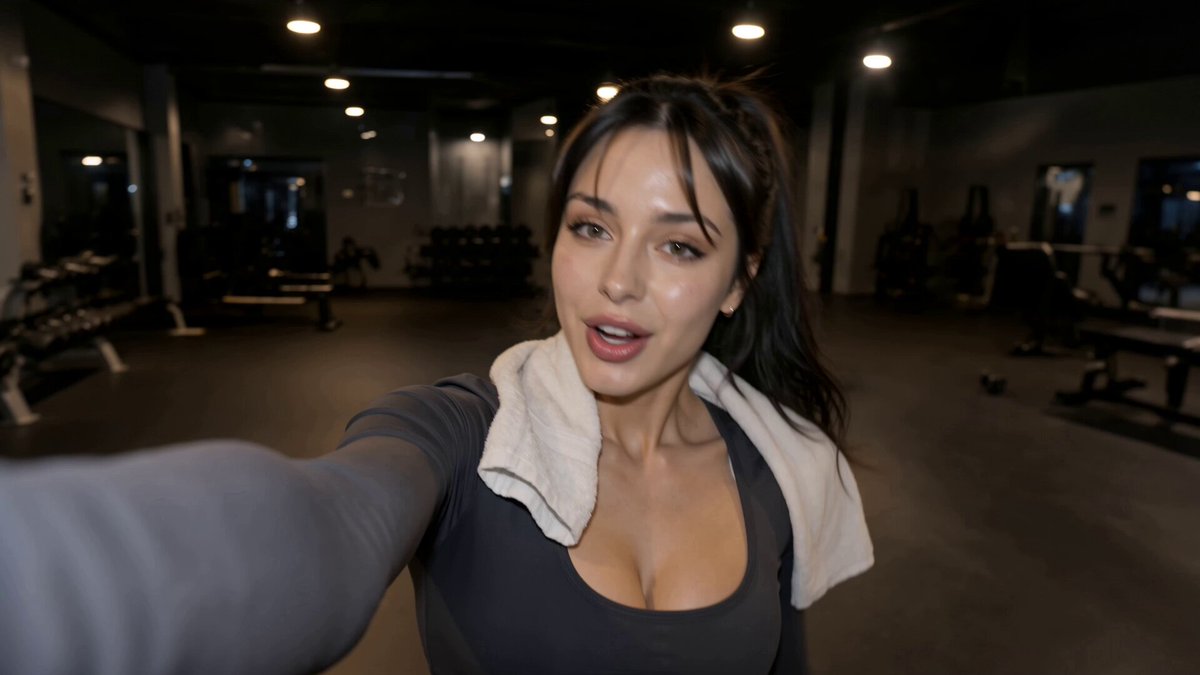
Making a short film used to require a pipeline that almost no one outside a studio could assemble: actors, locations, lighting crews, camera teams, and a serious budget. Generative video has changed that equation in a few short years. Production, the most capital-intensive part of filmmaking, has become something an individual can attempt with a text prompt and a plan. Yet the pipeline that made real films felt achievable never disappeared; it just moved into software. A short film still travels from script, to visual plan, to shooting, to editing, to sound. The difference is that each of those stages now has accessible tools, many of them powered by artificial intelligence.
That is both an opportunity and a discipline problem. Because the tools are easy, everyone can try, but only those who respect the underlying filmmaking process will produce work that feels like a film rather than a random sequence of generated clips. This guide takes you through the full short-film pipeline, from idea to finished edit, and shows where AI tools genuinely accelerate each step and where the craft decisions still rest with you.
Why short-form filmmaking is the right entry point
Short films are the perfect training ground for generative filmmaking. They are long enough to require real story structure and character, but short enough to finish, which matters enormously because finishing is where learning happens. A three-minute piece exercises every stage of the pipeline without the months-long commitment of a feature.
Short-form also matches the distribution landscape. Social platforms, festivals, and online portfolios all reward concise, self-contained storytelling. A strong short can travel widely and build a reputation far faster than a feature that takes years and never ships. For a creator exploring generative tools, the short is the unit that lets you iterate repeatedly, learn the craft, and accumulate a real body of work.
The modern pipeline in overview
A generative short film still follows the classic stages, each now accessible to a solo creator. Pre-production is where you commit your idea to a script and a visual plan. Production is where those plans become actual shots, whether generated from text, from reference images, or from a combination. Post-production is where you assemble the shots into a coherent piece, add sound, and refine the rhythm. The creators who do this well treat each stage seriously rather than skipping from idea straight to random generation.
Pre-production is non-negotiable
The most common mistake in generative filmmaking is jumping straight to prompting with no plan. Without a script and a visual direction, you will generate a pile of impressive clips that have no relationship to one another. Pre-production, the cheapest and fastest stage, is where you actually design the film. The tools may generate the images, but they cannot generate your intention. A clear script and a shot list are the difference between a film and a slideshow.
Writing a story that can actually be generated
The script is the foundation, and it should be written with an understanding of what generative tools handle well and where they struggle. Aim for a story with a small cast, modest scale, and a clear emotional arc that can be communicated visually. Generative video is strongest when you lean into atmosphere, mood, and clear visual gestures, and more fragile when a story depends on subtle, long-running character relationships or exact continuity dialogue.
Write for the visual. Because dialogue and performance remain harder for generative tools than striking imagery, a story told through action, environment, and consequential imagery plays to the medium's strengths. Strong shorts often have minimal speech and maximum visual information. A clear beginning that sets a situation, a middle that creates and sharpens a problem, and an ending that releases it, is enough structure for a compelling few minutes.
AI writing tools can help you draft, punch up a scene, or find a stronger ending, but your judgment about story and character should remain the authority. Use the tools as thinking partners, not as replacements for the decision that this is a story worth telling.
From script to visual plan
Once the script is written, translate it into a visual plan before generating anything. Break the film into its individual shots and list what each one needs: the location, the lighting, the camera angle and movement, the subjects, and the specific action. This shot list becomes your production bible, the thing you check each generated clip against.
For each important shot, decide the visual style: the palette, the grade, the texture, the level of realism. Establishing this once and enforcing it across every shot is what creates the coherence that makes a generative film feel intentional rather than random. The better your visual plan is defined before you generate, the less you will fight inconsistency in editing.
Choosing models and generating the footage
With a plan in hand, you turn to generation. The key strategic decision is model choice, because no single generator handles every shot equally well. Text-to-video models vary in how convincingly they render people, how well they follow camera directions, how smooth their motion is, and how stable they are over longer pieces. Know which generator is strong at your specific need and route accordingly.
Balancing quality, speed, and cost
Generation involves real trade-offs. A premium, higher-fidelity model produces a more polished shot but takes longer and consumes more resources per render. A faster model lets you iterate and test ideas quickly but may cap the top quality. The smart pattern for a narrative piece is to prototype cheaply and fast to lock down the timing and feel, then render the final shots on the stronger model once the design is settled. Prototype to learn, then invest to finish.
Keeping tool choices behind your story
Be disciplined about your creative intent and let the tool serve it. Each shot should answer "what is this shot doing for the story?" If a clip does not serve the arc, discard it, no matter how visually impressive it is. The model is the camera operator, not the director. You are the director, and your shot list is the plan the camera operator is executing.
Controlling camera and motion
One of the most powerful things generative tools now offer is real control over camera language. Instead of accepting a fixed, distant shot, you can direct movement that builds meaning the way a live cinematographer would.
Decide, shot by shot, the camera's position and movement. A slow dolly-in increases intimacy and focus on a moment of realization. A tracking movement following a subject builds momentum and suggests forward motion in the story. A static, locked frame can convey stillness, dread, or stability. A high-angle establishes scale and vulnerability; a low-angle confers power or menace. These are not decorative choices; they are the visual grammar your audience reads to understand the story. Direct them deliberately, and your film will communicate far more clearly than a sequence of default, static renders.
Planning the cut with camera direction
Your camera decisions interact with your editing. A shot that ends with movement toward the subject cuts naturally into a closer shot continuing that movement. Plan adjacent shots with compatible camera energy so your edits flow. Filmmakers think in these terms, and adopting the habit now will make your cuts feel motivated rather than arbitrary.
Reference imagery and character consistency
The hardest technical problem in generative filmmaking is consistency. Characters, costumes, and locations must look identical from shot to shot, across the entire film, or the audience will not believe in a single coherent world. This is where reference imagery becomes essential.
Provide consistent reference frames for each character, each key prop, and each location, and reuse the same references across every shot that features them. Anchor the visuals and reinforce the established style so that even when different shots use different models, the shared references keep everything aligned. The discipline of enforcing consistency through reference and style anchoring is what separates a film from a disconnected stack of individual renderings.
Costume and prop anchors
A character's distinctive clothing or a signature prop is a powerful consistency anchor. If your protagonist always wears a specific jacket, every shot of them should reinforce that jacket. Strong, identifiable visual anchors make it far easier for a generator to keep the character stable and far easier for the audience to track them through the story.
Editing the footage into a film
Post-production is where the generated shots stop being a collection and become a film. Editing is rhythm, pacing, and meaning, and it is where craft shows most directly.
Assemble the cut first without sound, working purely on the visual flow. Arrange the shots, trim them, and find the natural rhythm between them. Force yourself to ask at every moment whether the audience understands the story and feels the intended emotion. A clean assembly makes all subsequent polish meaningful.
Sound changes everything
Sound is where generative shorts most often fall short, and it is also the fastest way to make a piece feel professional. Build a sound stage in layers: dialogue or voiceover, environment and ambience that sells the location, subtle foley that reinforces action, and music that dictates the emotional tempo. A short with thoughtful sound reads as film; one with silent gaps reads as unfinished.
Music is especially powerful. Because generative shorts can be visually striking but emotionally neutral, the score often supplies the feeling the images imply. Choose or generate music that matches each section's energy and lets the edit breathe. Align your visual cuts to the musical phrases where it strengthens the rhythm.
Final polish and delivery
With the edit and sound in place, do a finishing pass. Check that the color and exposure are consistent across shots, since different generators and renders can drift. Unify the grade at the end rather than expecting perfect consistency from the beginning. Verify your export settings match the intended platform, resolution, and aspect ratio, and deliver at the highest quality the format supports.
Preview the film as an audience member rather than as the maker. Watch for lapses in pacing, confusion in the story, or moments where a generated clip undermines the reality of the world. A short film is a finished artifact, and a few careful passes will catch problems that generation alone cannot. Deliver it, gather feedback, and start the next one, because each completed short makes the next faster and stronger.
Running a sustainable solo production schedule
Making a film alone with generative tools is genuinely possible, but it requires budgeting your energy across the stages as deliberately as a full crew would budget theirs. The temptation is to pour all your effort into generation and exhaust yourself on spectacle, leaving pre-production thin and the edit rushed. Resist that. Allocate your most focused time to the script and shot plan, where the decisions have the longest reach, protect a real block for editing, and keep generation itself as an efficient tool session rather than an open-ended play session.
Set a finish date and work backward. Decide when the film must be done, then assign a deadline to each stage, script, plan, generation, edit, sound, finishing. Deadlines impose the discipline that prevents scope creep and ensures you actually complete the work. Because generative tools make it easy to keep regenerating forever, a date forces the honest question of when a shot is good enough for its story role, and it is almost always sooner than an unconstrained process would conclude.
Working in focused passes
Treat the pipeline as a series of focused passes rather than one continuous grind. Draft the script in a single sitting. Lock the shot list in another. Generate in one dedicated marathon where you are production-minded. Edit without sound in a clean pass, then add sound in a finishing pass. Isolating each discipline concentrates your concentration and produces far better results than context-switching between roles, and it mirrors how a professional crew separates the work so one kind of attention is not diluted by another.
A practical checklist for your first generative short
Write a story with a small cast and a visual, emotional-through-action idea. Break it into a shot list with clear visual and camera direction. Establish a style once and enforce it. Prototype scenes cheaply, render the final shots on the strongest model. Use consistent reference imagery for characters, costumes, and locations. Edit without sound first, working on rhythm and story. Build sound in layers and let music drive emotion. Unify the grade and deliver at the highest quality possible.
The craft is still yours
Generative tools have removed the capital barrier that once kept filmmaking out of reach. They have not removed the craft barrier. The language of film, the discipline of pre-production, the intentionality of camera and light, and the sensitivity of the edit, all still live in the person holding the tools. The films that emerge generation after generation will be shaped less by which model rendered them and more by which storyteller directed them. Master the pipeline, discipline your process, and use every AI capability in service of a clear story. Do that and you will make short films that people do not just admire for their looks, but remember as stories, which is the entire point.
