
Why Story and Shot Design Are the Real Battleground
Most conversations about artificial intelligence in film still orbit around特效-driven spectacle or post-production cleanup. That framing misses where the pressure actually lives. The hardest problems in filmmaking are not rendering problems — they are decision problems. Which beat does the scene turn on? Whose close-up carries the emotional weight? Where does the camera start, and where does it end? Those choices are made long before anyone calls "action," and they are usually made under time pressure with incomplete information.
That is precisely why generative tools have migrated out of the finishing suite and into development. Story structure, coverage strategy, and visual planning are all domains where iteration is cheap compared to production, and where a bad decision compounds expensively on set. A day lost because a key location doesn't work in the intended lens is a day you never get back. An afternoon spent generating forty thumbnails of the same hallway costs almost nothing and can save that day.
The shift matters because it changes who can participate. A two-person team with a clear vision can now build a visual pitch that reads like a financed production. A director can test three endings before committing to one. A cinematographer can argue about framing with reference images instead of adjectives. None of that replaces craft — it simply moves the argument earlier, where it is cheaper to lose.
What AI Does Well in Preproduction — and What It Still Can't Do
Story structuring and beat pressure-testing
Language models are genuinely useful as structural sparring partners. Feed one a scene description and ask for the five strongest possible turn points. Ask it to identify which character has the least to lose in the scene, or where the audience's expectation is being met too neatly. The value is not in the prose it produces; it is in the speed at which it generates alternatives you would not have considered.
The trap is over-trusting fluency. A model will happily produce a competent three-act structure that means nothing. Treat every suggestion as a hypothesis to test against your own intent, not as a draft to accept.
Shot lists, coverage logic, and continuity
This is where AI assistance gets quietly powerful. Give a tool your scene breakdown and it can propose a coverage set: master, overs, singles, inserts, and the connective tissue that keeps a scene editable. It can flag that your two characters swap screen positions between shots, that a prop disappears, or that you have written four consecutive wide shots with no reaction coverage to cut to.
Experienced editors know that coverage is insurance. AI is good at generating the standard policy. It is less good at knowing when to break it deliberately — when a scene should play in one unbroken take, or when withholding a reaction shot is the point.
Previsualization and look development
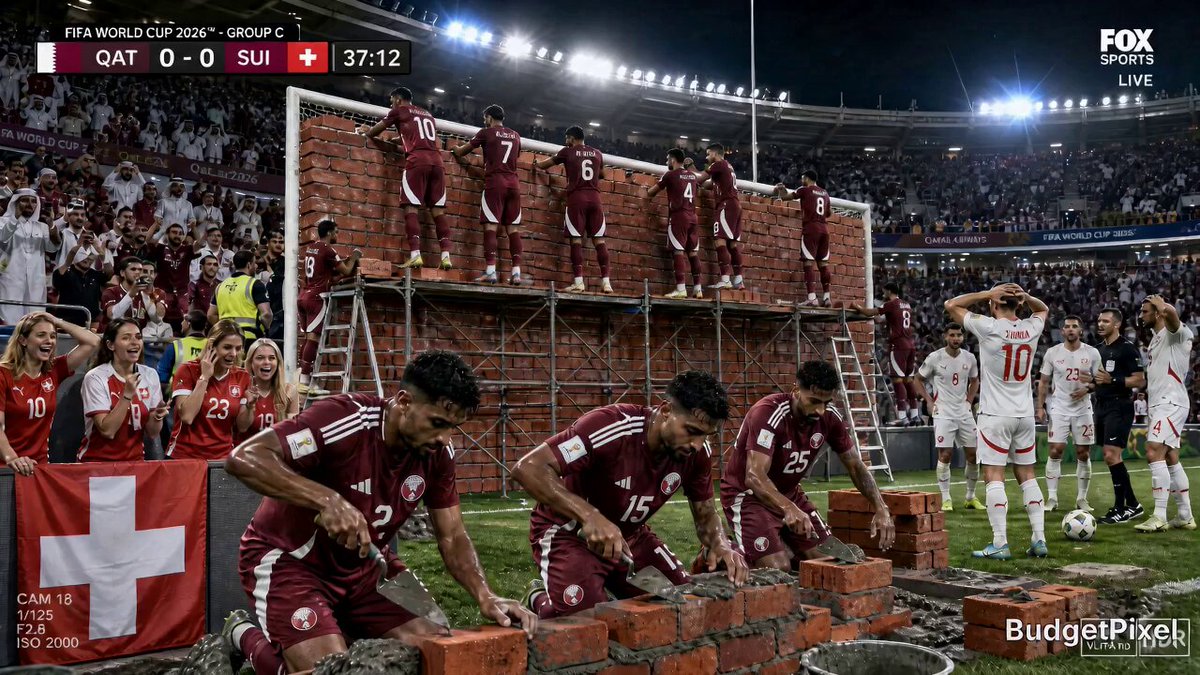
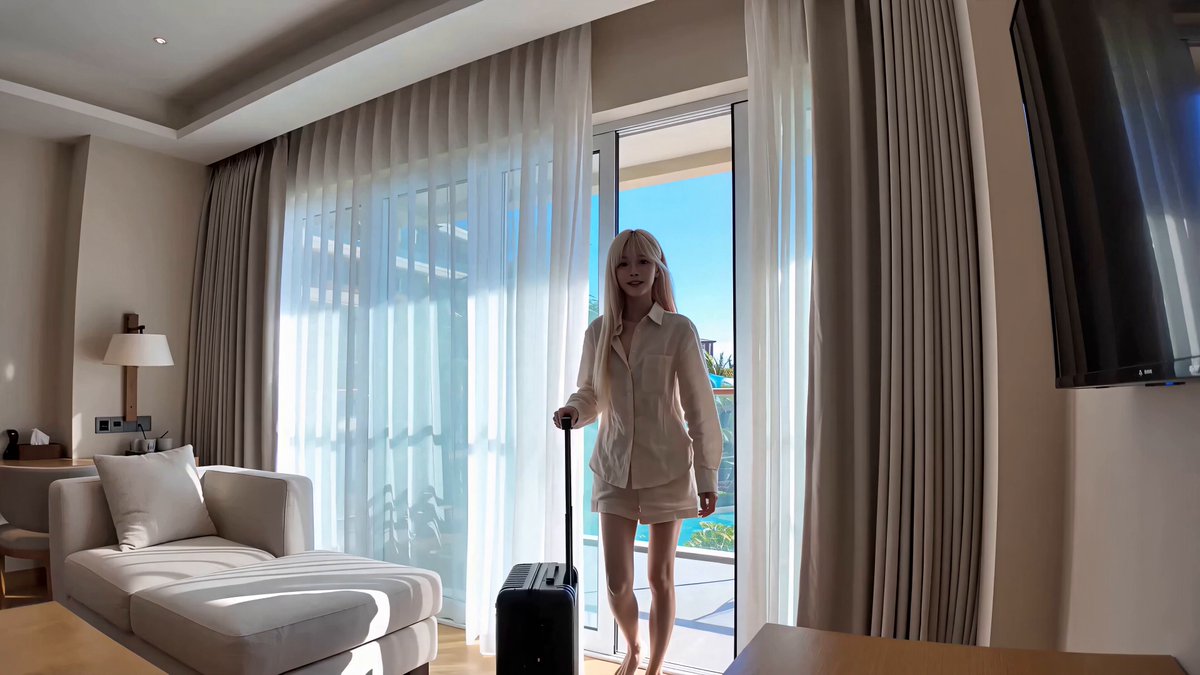
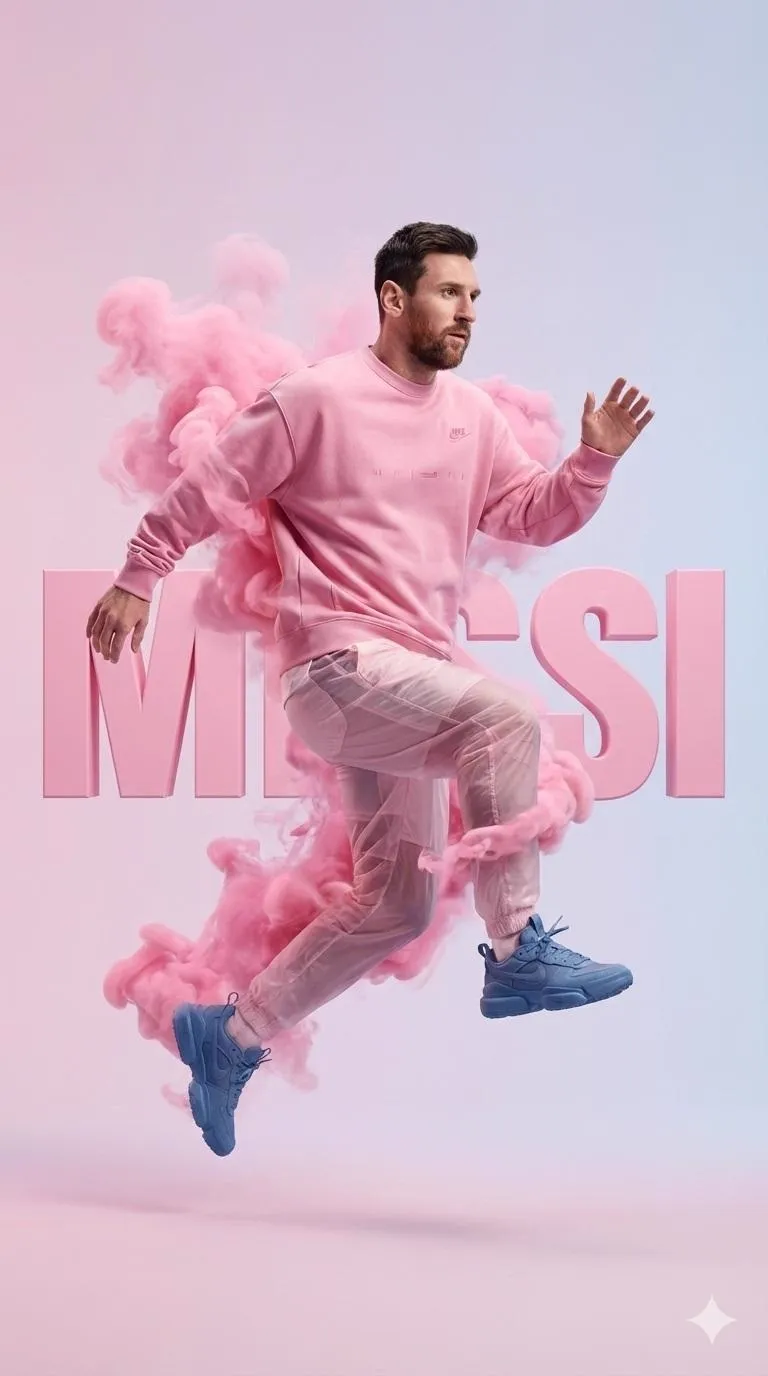
Image and video generation excel at translating mood into something visible. "Warm practicals, shallow focus, sodium vapor haze, handheld at chest height" becomes an actual frame you can react to. That reaction is the whole value: you discover that the look you imagined reads as muddy, or that the palette you wanted fights the costume.
What these tools cannot do is guarantee that what you generate is achievable with your actual resources. A generated frame with six practical light sources and a crane move is not a plan — it is a fantasy. Previsualization only earns its keep when it stays inside the envelope of what your crew, budget, and schedule can deliver.
A Five-Step Previsualization Pipeline That Holds Up
Step 1: Lock the story spine before generating anything
Write the scene in plain language first. One paragraph: who wants what, what blocks them, what changes by the end. Then write the beat list — four to eight beats, each a single sentence. Everything downstream should be traceable to that list.
If you generate images before this step, you will end up designing shots for a scene you have not actually decided on, and the visuals will pull the story in directions you did not choose.
Step 2: Write shot-ready scene descriptions
A prompt that produces a usable frame contains more than subject matter. Build a consistent description template and reuse it:
- Subject and action: who is in frame, what they are doing at this exact moment
- Environment: location, time of day, weather, and depth cues
- Lighting: source, direction, quality, and contrast ratio
- Camera: lens feel, height, distance, and movement
- Palette and texture: color logic and filmic character
- Format: aspect ratio and any framing rules you are honoring
Keep this template identical across a scene. The moment you start improvising the phrasing, your look drifts.
Step 3: Generate reference stills before you generate motion
Stills are faster, cheaper to iterate, and easier to judge. Build a contact sheet of candidate framings for each beat. Circle the ones that work, discard the rest, and only then move to motion.
This ordering also protects you from a common failure: motion generation hides weak composition. A moving shot can feel dynamic while being badly framed, and you will not notice until the edit, when the movement is gone and the frame has to stand on its own.
Step 4: Treat camera motion as a deliberate choice
When you do generate moving footage, write the movement as a sentence with a purpose attached. "Slow push in on the hands as the confession lands" is a decision. "Cinematic camera movement" is noise.
Useful motion vocabulary to keep in your template:
- Static tripod — for observation and held tension
- Slow push or pull — for shifting emphasis within a frame
- Lateral tracking — for revealing space alongside a subject
- Handheld follow — for immediacy and instability
- Crane or boom — for scale and transition between planes
- Orbit — for subject-centric emphasis, easily overused
A scene that cycles through every movement is a scene with no visual grammar. Pick two or three for the whole sequence and let the exceptions mean something.
Step 5: Cut the previsualization against real audio
Drop your generated shots into an edit with the actual dialogue scratch track or temp score. This is where most previsualization plans collapse, and it is far better for that collapse to happen in an editing timeline than on location. Shots that looked elegant as stills often die the moment pacing enters the room.
Pay attention to where you find yourself wanting a shot that does not exist. That gap is your coverage list for the shoot day.
Keeping Characters, Wardrobes, and Locations Consistent
Consistency is the single biggest technical frustration in AI-assisted film planning. A character reads as one person in frame twelve and a stranger in frame thirteen. The fix is process, not luck.
Build a reference sheet per character
Create a small set of approved images: front, three-quarter, profile, and one full-body with the signature wardrobe. Name them clearly and reuse them as visual anchors whenever you generate a new frame. Describe the character in the same fixed wording every single time — hair, age range, build, distinguishing features, wardrobe.
Anchor wardrobe and props to scenes, not to moods
Production designers think in continuity: this jacket, that watch, the same scuffed boots. Write wardrobe into your scene description as a locked attribute. If a character changes clothes mid-scene, that change is a story event and should appear in your beat list, not as an accidental variation.
Treat locations as characters with their own reference sheets
Generate an establishing angle, a reverse, and a detail pass for every location. This gives you a consistent spatial map — where the door is, which side the window falls on, where the light comes from. Spatial inconsistency is the fastest way to lose an audience's trust, and it is the easiest problem to prevent.
When a custom look is worth training
If a project has a very specific aesthetic — a period palette, a signature animation style, a recurring visual motif — a small custom model trained on curated references can pay for itself across a series. For one-off scenes, plain reference prompting is usually enough. The decision rule is simple: train when you will reuse the look more than a handful of times, and when consistency failures are costing you more time than setup would.
Camera Language: Experimenting Without Losing Intent
Use AI to widen the search, then narrow it yourself
The best use of generative tools in shot design is divergent thinking. Generate twenty radically different interpretations of a single beat. Some will be wrong, some will be clichéd, one or two will surprise you. That surprise is the contribution.
Then close the door and choose. A director who generates endlessly and never commits has not previsualized anything — they have procrastinated with images.
Test coverage ratios before the shoot
If you have a scene that is 70% dialogue in a single room, generate the full coverage set and cut it. You will quickly learn whether your planned angles give you enough variety, whether you need a second camera position, and whether that beautiful wide shot is actually load-bearing or just decorative.
Check composition against your delivery format
Generate frames at your final aspect ratio, and check safe areas if the project will be cropped for social or broadcast. Nothing is more demoralizing than discovering that a carefully composed two-shot loses a face in vertical delivery.
Let AI stress-test your visual grammar
Ask a model to describe the visual rules your generated frames seem to follow. Then ask whether those rules serve the story. Sometimes the answer is that your palette reads as nostalgic when the scene needs threat — an observation that is obvious in a written critique and invisible when you are deep inside your own images.
From Boards to Set: The Handoff That Makes or Breaks the Plan
Previsualization only matters if the crew can use it. A folder of generated images with filenames like final_v3_really_final helps nobody.
Build a shot package that a first assistant director, a cinematographer, and a gaffer can each read independently:
- A numbered shot list with scene, beat, and coverage type
- A visual reference per shot, with the intended lens, height, and movement noted
- A lighting diagram per setup, derived from your generated references but corrected for real equipment
- A continuity sheet covering wardrobe, props, and screen direction
- A priority column marking the shots that are non-negotiable if the day collapses
That last column is the one people forget and the one that saves the film. When you are two hours behind, the priority list is the difference between a coherent scene and an expensive pile of footage.
Common Mistakes in AI-Assisted Filmmaking
Generating before deciding. Tools make it easy to skip the writing. This produces beautiful, purposeless footage.
Confusing reference with reality. A generated frame is a communication device, not a shooting plan. Every generated setup must be translated into equipment, time, and personnel.
Chasing consistency through volume. If your character drifts, the answer is a locked reference sheet and fixed descriptive wording — not fifty more attempts.
Ignoring editorial rhythm. Stills lie about pace. Always cut generated shots against audio before trusting a plan.
Letting the tool set the tone. If your previsualization all looks the same because that is what the model defaults to, your film will look like everyone else's.
Skipping the human review. AI can propose coverage, but it cannot feel whether a scene needs air or acceleration. That judgment stays with the director and editor.
Choosing Tools: Decision Criteria That Actually Matter
There is no single best tool, only a set of trade-offs to weigh against your project.
Control versus speed. Some tools respond well to detailed camera and lighting direction; others produce pleasing results from short prompts but resist fine-grained input. Narrative work usually needs the former.
Consistency mechanisms. Look for reference-image support, character anchoring, and style locking. If the tool cannot hold an identity across shots, it is a mood board generator, not a previsualization pipeline.
Aspect ratio and resolution fit. Check that output matches your delivery requirements without awkward cropping.
Iteration cost. The tool that gives you eighty attempts in the time another gives you eight will usually win, because shot design is a search problem.
Export and handoff. Can you get clean stills, frame-numbered sequences, and files your editor can drop into a timeline?
Team accessibility. If only one person on the crew can operate it, it becomes a bottleneck instead of a multiplier.
For most projects, the practical answer is a small stack: one text model for structure and coverage logic, one image model for look development and boards, one video model for motion tests on the handful of setups where movement is genuinely in question. Resist the urge to add more.
FAQ
Can AI write a screenplay?
It can generate structure, dialogue variations, and beat alternatives at speed. It cannot supply a point of view. Use it to expand your options, then make the choices yourself.
Is previsualization with AI accurate enough to plan a shoot?
For composition, palette, and movement intent, yes. For lighting feasibility and rigging, no — treat every generated frame as a brief that a human must translate into real equipment.
How do I stop characters from changing appearance between shots?
Lock a written description, build a reference sheet of approved images, reuse those references in every generation, and keep wardrobe and props in a continuity sheet outside the model.
Do I still need a storyboard artist?
For complex action, intricate choreography, or sequences where spatial logic is subtle, a human artist remains faster and more precise. AI boards are strongest for look development, coverage exploration, and pitch materials.
How many generated frames should a scene have?
Enough to answer your open questions and no more. One strong reference per shot plus two alternates for the ambiguous beats is usually plenty.
Will audiences notice AI-assisted planning?
They will notice weak planning regardless of how it was made. If the story is clear and the visual grammar is consistent, the tools used to plan it are irrelevant to the viewer.
Where should a beginner start?
Write the scene in plain prose. Turn it into beats. Generate one reference per beat. Cut them against audio. Repeat until the sequence holds. Everything else is refinement.
Where This Is Heading
The direction of travel is toward tighter integration between writing, planning, and production. Expect tools that understand a script's structure well enough to propose coverage, that maintain a project-level memory of characters and locations, and that hand off directly to an editing timeline with metadata intact.
None of that removes the need for judgment. The filmmakers who benefit most from these systems will be the ones who use them to ask better questions earlier — who arrive on set having already lost the arguments that did not matter, and having already found the two or three shots that the scene genuinely needs. Craft is still the differentiator. The tools simply move where you get to practice it.
