



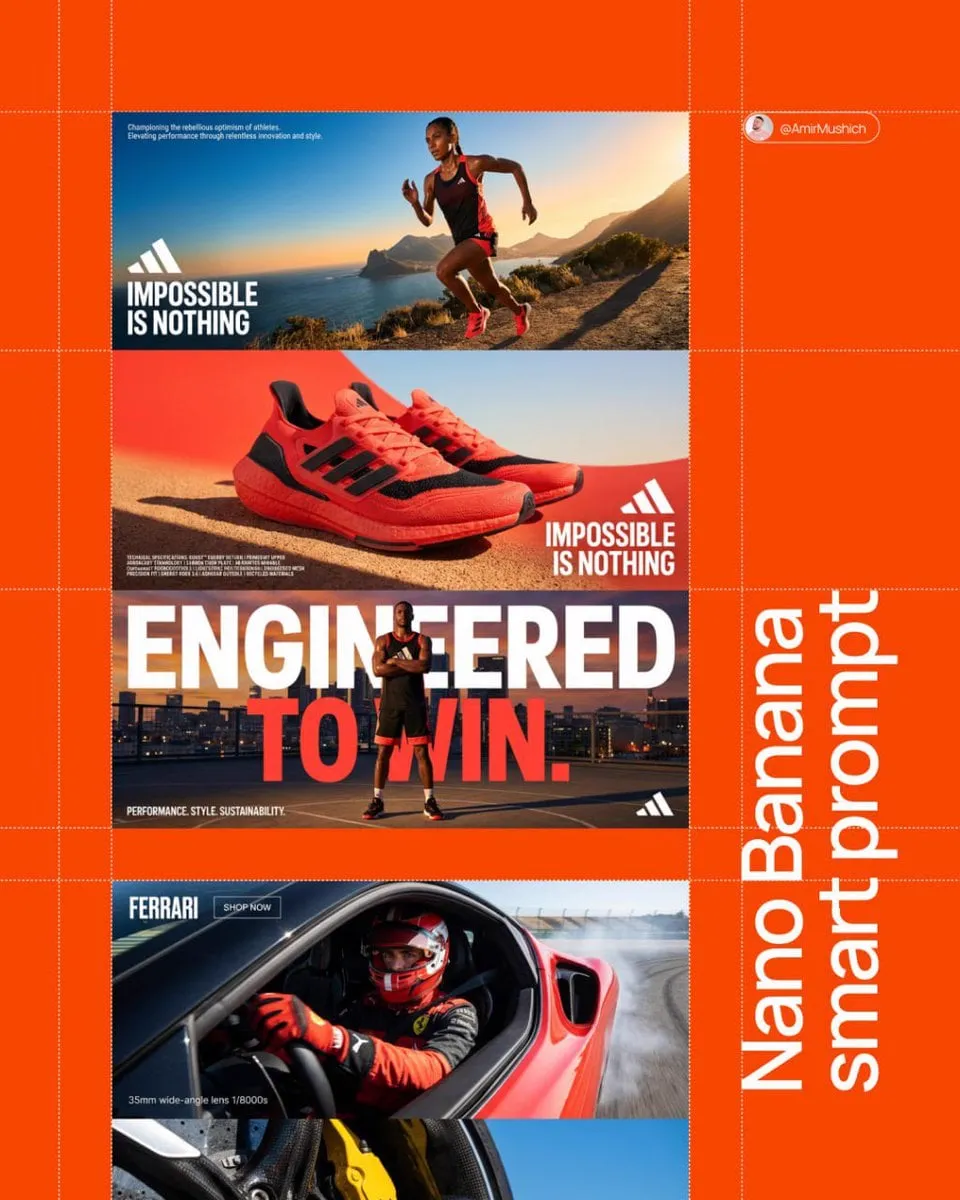
Video advertising has quietly become the main growth engine for online stores, and generative AI has changed who gets to compete. Production that once required an agency, a studio, and a five-figure budget can now be handled by a small team in a matter of days. This guide lays out a complete, practical workflow for planning, generating, personalizing, and measuring AI-assisted video ads built specifically for ecommerce customer acquisition. It covers the tools worth knowing, the decisions that separate high-performing creative from expensive noise, and the mistakes most teams make in their first campaigns.
Why AI Video Ads Are an Ecommerce Growth Lever
Paid social and retail media now reward creative volume above almost everything else. Feed-based platforms distribute ads algorithmically, which means the store that tests thirty distinct creative angles usually beats the store that polishes one. Traditional production made that kind of testing prohibitively expensive: every new version meant reshoots, editors, and days of turnaround, so most brands shipped a handful of ads per quarter and hoped for the best.
AI-generated video collapses that cost curve in three specific ways:
- Generation speed. A text-to-video model can produce a usable product shot or lifestyle scene in minutes, so teams can act on an idea the same day they have it instead of scheduling a shoot.
- Variant economics. Once a base ad exists, swapping the hook, the voiceover, or a background scene is mostly an editing task rather than a filming one. Going from one ad to ten variants becomes hours of work, not weeks.
- Personalization depth. Audience segments that were too small to justify custom creative, such as returning customers, category browsers, or a single regional market, can now receive tailored messaging without a proportional budget increase.
The strategic consequence is that creative testing has become the primary competitive lever in ecommerce advertising. Media buyers can only optimize targeting so far; beyond a point, performance is decided by which creative earns attention in the first three seconds. AI does not remove the need for taste, positioning, and strategy, but it removes the production bottleneck that used to keep smaller brands out of the game entirely.
What Today's AI Video Tools Can and Cannot Do
Before building a workflow, it helps to be honest about the technology. Overestimating it leads to unwatchable ads; underestimating it leaves easy wins on the table.
Where the technology is genuinely strong
Short B-roll and atmosphere are the sweet spot: weather, textures, abstract color fields, aspirational lifestyle frames, and establishing shots that would otherwise require stock licenses or location shoots. Image-to-video animation has also matured, meaning you can take an actual product photograph and generate subtle motion, camera pushes, or environmental effects around it. AI presenters and avatars work well for explainers, FAQ videos, and offers that need a face without a filming day. Finally, these tools excel at rapid drafts: a rough cut generated in an hour is often enough to align a team on direction before anyone invests in polish.
Where humans still need to stay in the loop
Hands, on-screen text, logos, and fine product details are still common failure points; generated footage can distort exactly the element your ad exists to sell. Product physics in use, such as how a liquid pours or how a zipper moves, may render incorrectly. Legal and compliance review matters too, because AI will happily generate whatever claim you prompt, including ones you cannot substantiate. The practical model is simple: AI drafts, humans finalize. Treat every generated shot as raw material that passes through an editor who checks product accuracy, brand colors, and claims before anything ships.
The End-to-End Production Workflow
A repeatable process matters more than any single tool. Here is a seven-stage workflow that works whether you are a solo operator or a small creative team.
- Asset audit. Gather everything you already own: product photos on white and in context, top customer reviews, frequently asked questions, best-selling claims from reviews, and any existing UGC. This inventory becomes the raw material for both scripts and image-to-video generation.
- Creative brief. Write one sentence per ad: who the audience is, the single promise, and the call to action. If you cannot fill in those blanks, no tool will save the ad.
- Script and shot list. Draft with an LLM, then cut aggressively. Fifteen to thirty seconds is the working zone for most paid placements.
- Storyboard with stills. Generate key frames with an image model or product photography before spending any video generation. Locking the look early prevents expensive re-rolls later.
- Generate. Produce video shots at a higher resolution and aspect ratio than you need, and generate two or three takes per shot so the editor has options.
- Assemble. Edit in CapCut, Descript, or Premiere: tighten pacing, add captions, music, and an end card with a clear offer and logo.
- Variant factory. Before publishing, deliberately create five to ten variants by swapping hooks, voices, and scenes. Log every variant in a spreadsheet with its concept so results are traceable.
The teams that treat this as a conveyor belt, rather than a one-off project, are the ones whose cost per acquisition keeps improving month over month.
Scripting and Storyboarding with AI
The first three seconds decide everything, so write hooks first and structure the rest around them. Four hook structures reliably work for ecommerce:
- Problem-solution: name the frustration your product removes, visually and verbally, in the opening line.
- Testimonial or UGC style: open with a customer-sounding sentence such as a surprising result or a confession.
- Unboxing or process: hands opening, assembling, or using the product, which exploits native curiosity.
- Myth-busting or comparison: challenge a common assumption or position against the obvious alternative.
Use an LLM to generate drafts, but constrain it: specify duration, the exact product benefit, tone, and the platform. A useful prompt pattern is to request ten hook options in three tones, then a full script for the two you like best, capped at roughly fifty words for a twenty-second ad, since natural speech runs near 130 words per minute.
For storyboarding, generate still frames for each planned shot. This costs almost nothing compared with video generation and lets you fix composition, lighting, and product placement while changes are free. A particularly effective technique for control is the first-frame/last-frame approach: define the exact opening and closing images of a shot, then let the video model interpolate the motion between them. This gives you editor-level control over transitions and reveals that pure text prompts rarely achieve.
Generating Footage: Text-to-Video, Image-to-Video, and Hybrid Shots
Text-to-video for lifestyle and atmosphere
Models such as Runway, Sora, Kling, Pika, Luma Dream Machine, and Veo shine when the subject is mood rather than merchandise: a morning kitchen scene, a rainy street, a clean studio background, or an abstract texture transition. Prompt structure matters more than model choice. A reliable pattern is subject, action, environment, camera movement, lighting, and style, in that order: a woman stretching by a window, slow push-in, sunlit minimalist bedroom, soft morning light, warm film look. Generate at the largest size available and crop down; you will thank yourself in the edit.
Image-to-video for product accuracy
When the product itself must look right, start from a real photograph. Image-to-video takes your actual product image and animates the environment or camera around it, preserving the details that matter: label text, shape, color. This is the most dependable path for hero shots, and the same first-frame/last-frame control applies for smooth transitions between product and lifestyle scenes.
Hybrid production for the best value
The strongest performing ecommerce ads are rarely fully generated. A common blend is one live-action or studio hero shot of the product, AI B-roll for lifestyle context, an AI presenter or clean text cards for the offer, and a real customer screenshot or review as social proof. This hybrid approach keeps the product authentic while letting AI carry the expensive, time-consuming parts of production. It also ages better: viewers increasingly notice and distrust fully synthetic footage, whereas a real product image anchors credibility.
Hyper-Personalization and Ad Variants at Scale
Personalization used to mean producing a separate commercial for each audience, which only the largest brands could afford. With AI, the practical approach is modular ad architecture: build each ad from interchangeable blocks rather than as a monolith.
Split every ad into three blocks. The hook is the first two to four seconds and should change per audience: new visitors see the problem, returning visitors see the improvement or a loyalty angle, bargain-sensitive segments see the offer up front. The body demonstrates the product and rarely needs to change, so a single well-produced body can serve dozens of variants. The end card carries the offer, urgency, and call to action, and is the cheapest element to version.
With this structure, three hooks, one body, and three end cards produce nine combinations from a fraction of the old production effort. Two consistency issues deserve attention. First, character continuity: if your ads feature a recurring presenter, avatar tools with reference images or a consistent style descriptor in every prompt will keep the person recognizable across variants. Second, brand safety: maintain a simple written guardrail document listing banned claims, required disclosures, colors, and fonts, and require a human check against it before anything goes live. Personalization at scale without guardrails is how brands end up with contradictory promises running in the same campaign.
Voice, Captions, Music, and Localization
Audio is where AI delivers some of its fastest paybacks. Modern text-to-speech tools such as ElevenLabs produce narration good enough for testing and for most direct-response ads, letting you audition five voices in an afternoon instead of booking one. For flagship brand films, professional voiceover still earns its cost, but for volume testing, synthetic voice is the pragmatic default.
Captions are non-negotiable. The majority of feed video plays with sound off, so every ad needs accurate, well-timed captions styled for legibility on a phone: large type, high contrast, and a safe margin from platform UI. Editors like CapCut and Descript auto-generate captions and make restyling a one-click job, so there is no excuse to skip them.
For music, two notes: AI music generators have become usable for background beds, but verify the commercial license terms of whatever you use, and never assume a track cleared for personal use is cleared for ads. Licensed stock libraries remain the safe route for anything with meaningful spend behind it.
Localization is the sleeper opportunity. Because dubbing and caption tools can now translate and re-voice an ad quickly, entering a new market no longer requires a new production. Translate the hook and on-screen text with a native speaker reviewing tone, regenerate the voiceover, and test localized hooks as separate variants. Brands frequently discover that their best-performing hook in one language is not the translated winner in another, which is exactly the kind of insight only cheap localization makes visible.
Testing, Metrics, and Iteration
AI makes production cheap, which makes measurement the new bottleneck. Without a testing discipline, variant volume just creates noise.
Track a small set of metrics in order of the funnel. Hook rate, defined as three-second views divided by impressions, tells you whether the opening earns attention; below roughly twenty to thirty percent on most platforms, the hook is the problem, not the product. Hold rate at the midpoint reveals whether the body sustains interest. Click-through rate measures offer appeal, while conversion rate and cost per acquisition on the store side determine whether clicks were qualified. Return on ad spend is the final word, but the earlier metrics tell you which block of the ad to fix.
Run testing in structured cycles: five to ten variants per cycle, three to five days, with a fixed spend per variant so results are comparable. Use a naming convention such as hook style, body version, and audience segment in every ad name, and keep a creative log with screenshots and numbers. Kill anything underperforming the account baseline once it has spent a meaningful threshold, and shift budget toward winners gradually rather than all at once.
The most valuable habit is feeding learnings back into production. If testimonial hooks beat problem-solution hooks twice in a row, the next cycle should start with five testimonial variations, not a fresh brainstorm. Over a quarter, this loop, more than any single model or tool, is what compounds into a durable acquisition advantage.
Tool Selection, Budgeting, and Common Pitfalls
Building a lean stack
You need far fewer tools than the marketing suggests. A functional stack is one video generation platform, one image model for storyboards and first frames, one editor, one voice tool, and your ad platform's native analytics. When evaluating a video generator, judge it on output quality for your specific product category, generation speed, usage limits on each plan, and, critically, commercial usage rights. Test with the hardest shot you actually need, such as your product in hand, rather than with generic demo scenes that flatter every tool.
Common pitfalls worth avoiding
The recurring failures are predictable. Teams lean on raw generation and ship ads where the product renders wrong, which burns spend and trust. They skip captions and lose the sound-off majority. They generate forty variants without a naming system, learn nothing, and blame the platform. They forget that some platforms require disclosure of synthetic media in advertising contexts, or they ignore likeness and music rights entirely. And they over-index on novelty visuals while the offer, the most common real reason ads fail, remains vague. A one-page pre-launch checklist covering product accuracy, captions, claims, rights, and a clear call to action catches most of this.
Frequently Asked Questions
Do AI-generated video ads actually convert?
Yes, when they follow direct-response fundamentals: a strong hook, a clear promise, proof, and one call to action. The generation method matters far less than the message; audiences respond to relevance, and AI simply makes producing relevant variants cheaper.
What length should ecommerce video ads be?
Fifteen to thirty seconds for feed placements, six to fifteen seconds for stories and reels where swiping is instant, and sixty seconds or more only for retelling audiences on platforms that reward watch time. Hook density should be highest in the shortest formats.
Can I use AI video for regulated products like supplements or finance?
Carefully. Every claim must be substantiated regardless of how it was produced, and synthetic presenters or testimonials may face additional restrictions. Keep a human reviewer with compliance knowledge in the approval step.
How many variants should I test at once?
Five to ten per cycle is the sweet spot for most small teams: enough to find signal, few enough to reach spending thresholds and actually read the results within a week.
Do I need to disclose that an ad is AI-generated?
Follow each platform's current advertising policies, which increasingly require disclosure for synthetic media in sensitive categories, and always avoid AI recreations of real people without consent.
What is a realistic starting budget?
One editing tool, one video generation subscription, and a modest test budget behind five variants is enough to start. Reuse your existing product photography for image-to-video, and expand the stack only once the testing loop shows you what your audience responds to.
The brands winning with AI video are not the ones with the most advanced tools; they are the ones with the tightest loop from idea to generated draft to tested variant to documented learning. Build that loop first, and the technology will keep rewarding you as it improves.
