
Why text-to-video changed the production math
For decades, producing a video meant assembling three scarce resources: a camera, a location, and an editor with enough hours to shape the footage. Text-to-video generation breaks that chain at its weakest link. Instead of capturing shots and then cutting them, you describe the shot you want and the model renders it. The editor's role shifts from assembling clips to directing a generation process — writing prompts, curating takes, and deciding which outputs survive.
That shift matters most in the middle of the market: explainers, product ads, training modules, social cuts, internal communications. These videos rarely need cinematic spectacle. They need clarity, iteration speed, and volume. A traditional edit can take a week per variant; a generation-first workflow can produce five variants in an afternoon and then reuse the same edit skeleton for all of them.
The important nuance is that generation does not delete craft. It relocates it. Story structure, pacing, sound design, and finishing still decide whether a video works. What changes is where the time goes and which skills carry the most leverage.
Traditional editing vs generative shot creation
Most comparisons frame this as a fight. It is more useful to see two production systems with different bottlenecks.
How a timeline-first workflow runs
A conventional project moves through pre-production, shooting, ingest, rough cut, fine cut, color, sound, and delivery. The bottleneck is almost always upstream: scheduling people, securing a location, hoping the weather cooperates, and reshooting when something is missing. Editors spend a large share of their hours on mechanical work — syncing audio, trimming dead frames, hunting for a usable take among twelve near-identical ones.
The strength of this workflow is control. The director knows exactly what was captured. Continuity is physical, not probabilistic. You can point at a frame and say why it exists.
How a generation-first workflow runs
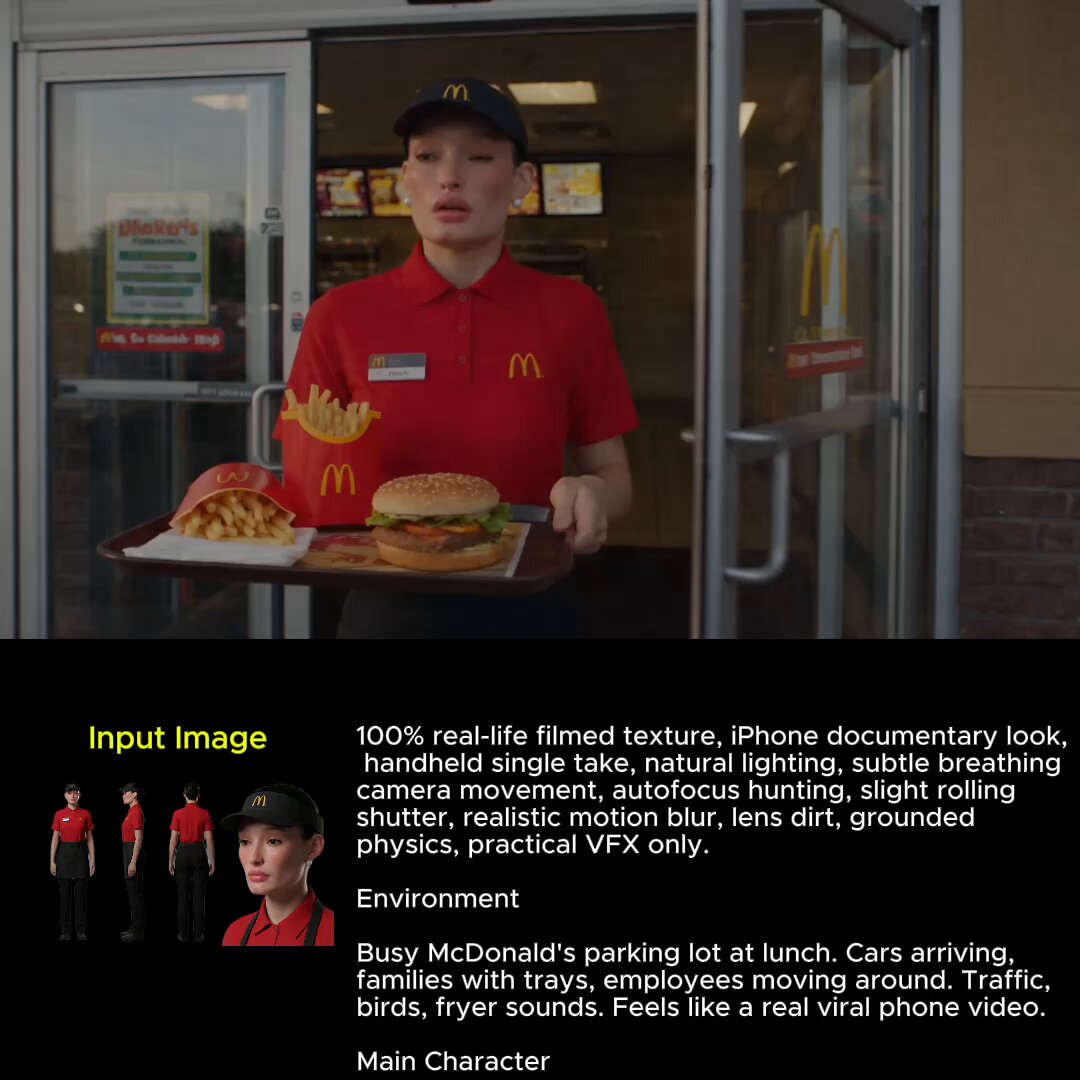
The generative version replaces filming with prompting and curation. A typical loop looks like this: write a beat, translate it into a prompt, generate four to eight takes, review them side by side, pick the best, and move on. Motion, lighting, and camera behavior are described rather than performed.
The bottleneck moves downstream to selection and consistency. You are no longer short on material; you are short on material that matches the previous shot. Reviewing becomes the dominant activity, and taste becomes the most valuable skill on the team.
The hybrid workflow most teams actually use
The best results usually come from mixing both approaches. Keep real footage for anything that needs a genuine human face, a specific product, or a legally sensitive claim. Use generation for establishing shots, abstract transitions, stylized sequences, B-roll that would be expensive to film, and localized variants where reshooting in five languages is impractical.
A practical rule: if the shot is cheaper to film than to iterate on, film it. If it needs five variants, three aspect ratios, or a location you cannot access, generate it.
The five building blocks of a repeatable pipeline
Ad hoc prompting produces impressive demos and unusable projects. A repeatable pipeline has five layers, and each one deserves its own pass.
Script and beats
Start with a written script broken into beats, not paragraphs. Each beat should describe one visual idea, one change in information, or one emotional turn. A forty-five second explainer typically has eight to twelve beats. If a beat cannot be described in a single sentence, it is probably two beats.
Alongside the script, write a visual intent list: what the viewer must notice in each beat, what mood dominates, and what the shot must avoid. This list becomes your acceptance criteria when reviewing generated takes.
Prompt architecture
A reliable prompt has five components, usually in this order:
- Subject — who or what, with enough specificity to avoid generic output
- Action — what changes during the shot
- Camera — framing, movement, lens feel, height
- Light and environment — time of day, weather, color temperature, textures
- Style — realism level, film grain, animation reference, palette
Consistency comes from keeping the subject, light, and style blocks stable while varying only the action and camera blocks. When every block changes between shots, the model has no reason to produce a coherent sequence.
Keep a prompt log. When a take works, you will want to reproduce that exact combination three weeks later, and memory will not help.
Shot planning and continuity
Shot lists for generative work look different from film shot lists. Instead of matching on-screen positions, you match visual anchors: wardrobe color, screen direction, time of day, focal length, and motion energy. Write these anchors into a continuity sheet and paste the same anchor text into every prompt in a scene.
Plan for shorter individual shots than you would in a filmed sequence. Generation models hold coherence better over three to five seconds than over twelve. A sequence of short, well-matched shots reads as intentional editing rather than a limitation.
Control signals
Text alone rarely gives you exact framing. Most modern pipelines let you add a reference image, a depth or pose guide, or a style reference. Use them deliberately:
- A reference image locks character appearance and palette
- A depth or motion guide locks composition and camera path
- A style reference locks the look across unrelated shots
If your model supports start and end frames, use them for transitions. Specifying both ends of a shot eliminates most of the drift that makes generated sequences feel unstable.
Assembly and sound
Do not treat generation as the finish line. Bring every accepted shot into a timeline, then do the work that makes it feel real: cut on motion, add room tone, layer ambience, place music with a clear entry and exit, and design sound effects for anything that would otherwise feel weightless. Sound is the fastest way to make an AI-generated sequence feel professional, and it is the step most beginners skip entirely.
Choosing a model for a specific shot
There is no single best model. There is a best model for a shot type, and matching them well is most of the skill.
Realism or stylization
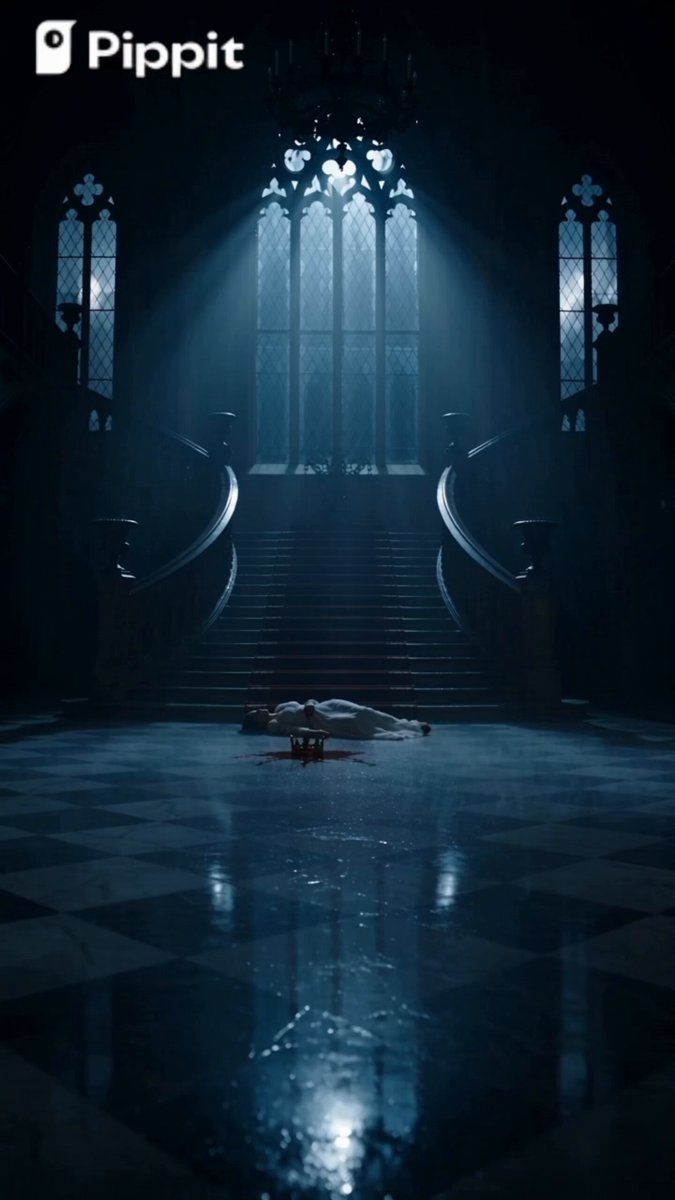
Realistic output depends heavily on the model's training emphasis. Some engines excel at photoreal skin, fabric, and natural light; others produce stronger results with illustrated, painterly, or graphic styles. If your project mixes both, do not force one engine to cover everything. Split the sequence and accept a slightly different texture between sections, then unify them in color correction.
Motion and camera behavior
Check how each engine handles three specific things: walking figures, fluid or fabric movement, and camera moves like dolly and orbit. Some produce beautiful still-like frames that fall apart the moment anything moves. Others handle camera motion gracefully but struggle with articulated human motion. Generate short test shots of the same prompt across candidate engines before committing a whole project.
Duration, resolution, and aspect ratio
Decide your delivery specs early. Vertical short-form, square social, and widescreen all change framing decisions. Generating at the highest available resolution and cropping later feels convenient but wastes time, because composition designed for a wide frame rarely survives a vertical crop. Generate natively in the target ratio whenever the model supports it.
Iteration budget and turnaround
The real question is not which engine is best but which one lets you reach an acceptable take within your available time and budget. A model that produces a usable shot in three attempts beats a model that produces a slightly more beautiful shot in fifteen attempts. Track two numbers per project: attempts per accepted shot, and minutes per accepted shot. These two metrics will tell you more about your pipeline than any feature list.
A worked example: a 45-second product explainer
Suppose you are producing a short explainer for a desk lamp aimed at remote workers.
Beat sheet. Open on a dim desk at night (beat 1), show eye strain and a cramped posture (2), introduce the lamp switching on (3), show the light spreading softly across the desk (4), detail shots of the hinge and the shade (5), a wide shot of a calm, warm workspace (6), a closing frame with the product centered and clean negative space for text (7).
Prompt blocks. Subject: a matte black articulated desk lamp on an oak desk. Light: warm 3200K pool of light, deep blue ambient background. Style: photoreal commercial, shallow depth of field, subtle grain. Camera varies per beat — slow push in for the reveal, macro for the hinge detail, static wide for the closing frame.
Control strategy. Use one reference image of the lamp for every product shot so the hinge and shade stay identical. Use depth guidance for the wide shots to keep the desk geometry stable.
Practical work. Generate six to eight takes per beat, accept one, then cut to a music bed with a clear downbeat at the reveal. Add a soft click sound effect on the switch and gentle room tone underneath. Add captions in the timeline.
Total wall-clock time for a competent solo creator: most of a day. The same video filmed conventionally would need a location, a lamp, lighting gear, a model, and a color grade — easily a week and a much larger budget.
Where generation still breaks — and the workarounds
Hands, text, and fine detail
Small text on screen and precise finger articulation remain unreliable. Work around text by generating clean surfaces and adding typography in the edit. Work around hands by framing them out, keeping them in motion, or using a reference image with hands already positioned as you need them.
Continuity across many shots
The longer the sequence, the more the visual identity drifts. Counter this with stable anchor text, reference images reused across scenes, and a deliberate palette decision you enforce in post. Shortening shots also reduces exposure to drift — three coherent seconds are easier than ten.
Sound, dialogue, and lip sync
Generated speech and lip sync have improved dramatically but still need supervision for anything persuasive or emotional. For talking-head content, the safest structure is a real presenter on camera with generated B-roll around them. If you must generate a speaking character, keep the shots short, avoid tight framing on the mouth, and let cutaways carry the message.
Mistakes that quietly wreck text-to-video projects
Prompting for beauty instead of information. Gorgeous shots that do not communicate a beat waste the generation budget. Every shot should answer a viewer question or advance the argument.
Changing everything between prompts. If the light, style, and subject descriptors change every time, no model will produce a coherent sequence. Freeze the constants.
Skipping sound until the end. Adding music and ambience late forces re-cuts, because pacing changes once audio exists. Build a rough sound bed alongside the first assembly.
Accepting the first usable take. The first decent take is rarely the best one. Generate several, compare them at full size, and pick on composition and motion rather than novelty.
Ignoring delivery specs. Delivering a 16:9 master for a vertical-first channel creates a cascade of compromises. Match the ratio from the start.
Losing track of prompts. Without a log, you cannot reproduce a shot, brief a collaborator, or rebuild a sequence after a file loss.
Treating generation as the whole job. Generation produces material. Editing, sound, and typography produce the video.
Review loops that do not collapse into chaos
AI-heavy projects generate dozens of candidate clips, and unstructured feedback kills momentum. Use a simple review structure:
- Share takes in named rounds, not a growing folder. Round one should be about shot selection only, not color or timing.
- Ask reviewers to respond against the visual intent list, not personal preference. "Does the viewer notice the hinge?" is actionable. "I like the other one better" is not.
- Batch feedback into a single pass. Collecting notes over four days while generation continues wastes work.
- Lock shots before touching sound. Re-cutting audio around a changing picture is the most expensive form of rework in this workflow.
For client work, present a locked storyboard or animatic before generating final shots. Approving a rough sequence of stills is fast; regenerating twenty finalized clips because the concept changed is not.
FAQ
Do I need to know how to edit video to use text-to-video tools?
You can produce a single clip without editing skills, but a complete video requires assembly, pacing, and sound decisions. Basic timeline editing is the fastest skill to learn and the one that most improves output quality.
How many takes should I generate per shot?
Four to eight is a practical default. Below four, you rarely see the model's range. Above eight, returns drop sharply unless the shot is unusually complex or important.
Can text-to-video replace a full production crew?
For some content, yes — explainers, stylized sequences, social variants, and abstract B-roll are all realistic candidates. For branded spokesperson content, documentary footage, or anything requiring verifiable real-world detail, human filming remains the safer choice.
What is the biggest quality difference between beginners and experienced users?
Consistency. Beginners produce impressive isolated shots. Experienced users produce sequences where light, palette, and motion match from the first frame to the last, which is what viewers actually perceive as quality.
How long should individual generated shots be?
Three to five seconds is a reliable range. Longer shots increase drift and reduce your ability to fix problems in the edit. If a beat needs more time, split it into two matched shots.
Do I still need color correction?
Yes. Even well-matched generated shots benefit from a unifying grade — matched black levels, consistent white balance, and a single overall look. It takes minutes and visibly raises perceived production value.
What should I do first on a new project?
Write the beat sheet and the visual intent list. Every later decision, from prompt to edit, becomes faster and more consistent once those two documents exist.
The realistic division of labor
Text-to-video changes what a small team can produce, but it does not remove the human decisions that make a video good. The most effective model is a division of labor: models handle rendering, variation, and volume; people handle structure, taste, continuity, sound, and the final call on what stays in.
If you are starting today, build a small pilot — one minute, five beats, one visual style. Generate, cut, add sound, and finish it completely. The lessons from finishing a short piece end to end will teach you more about model choice and workflow than any comparison table. Once the pipeline runs smoothly at one minute, scaling to three or ten is mostly repetition and better planning, not new technology.
