
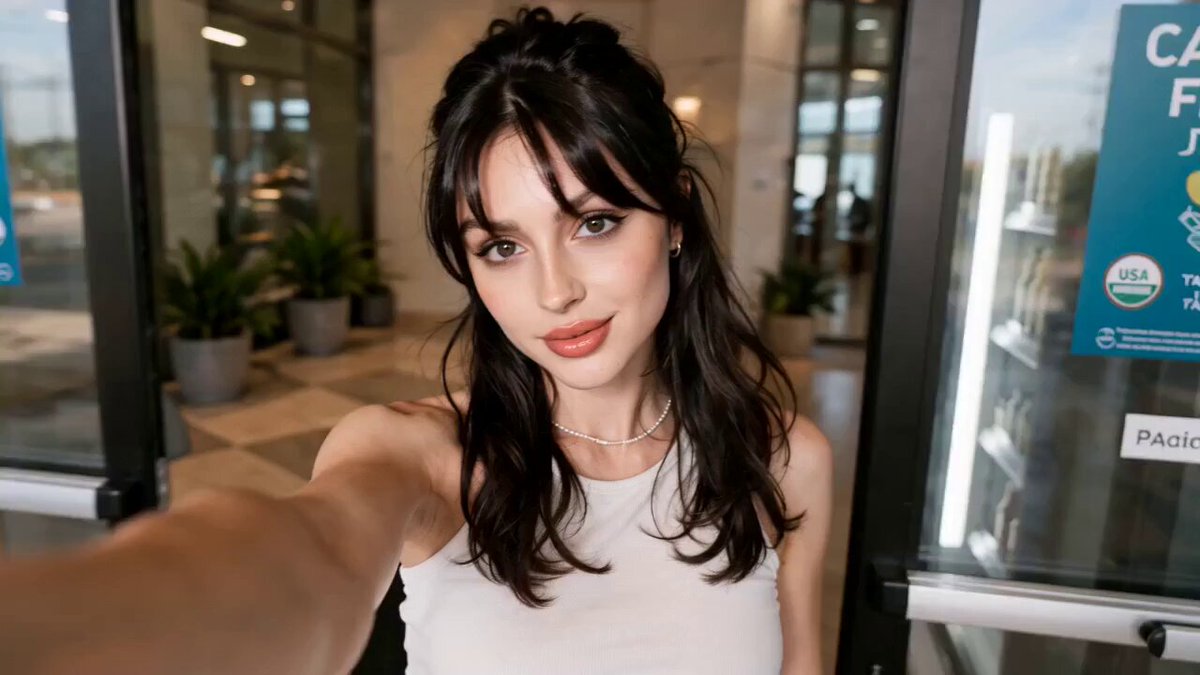
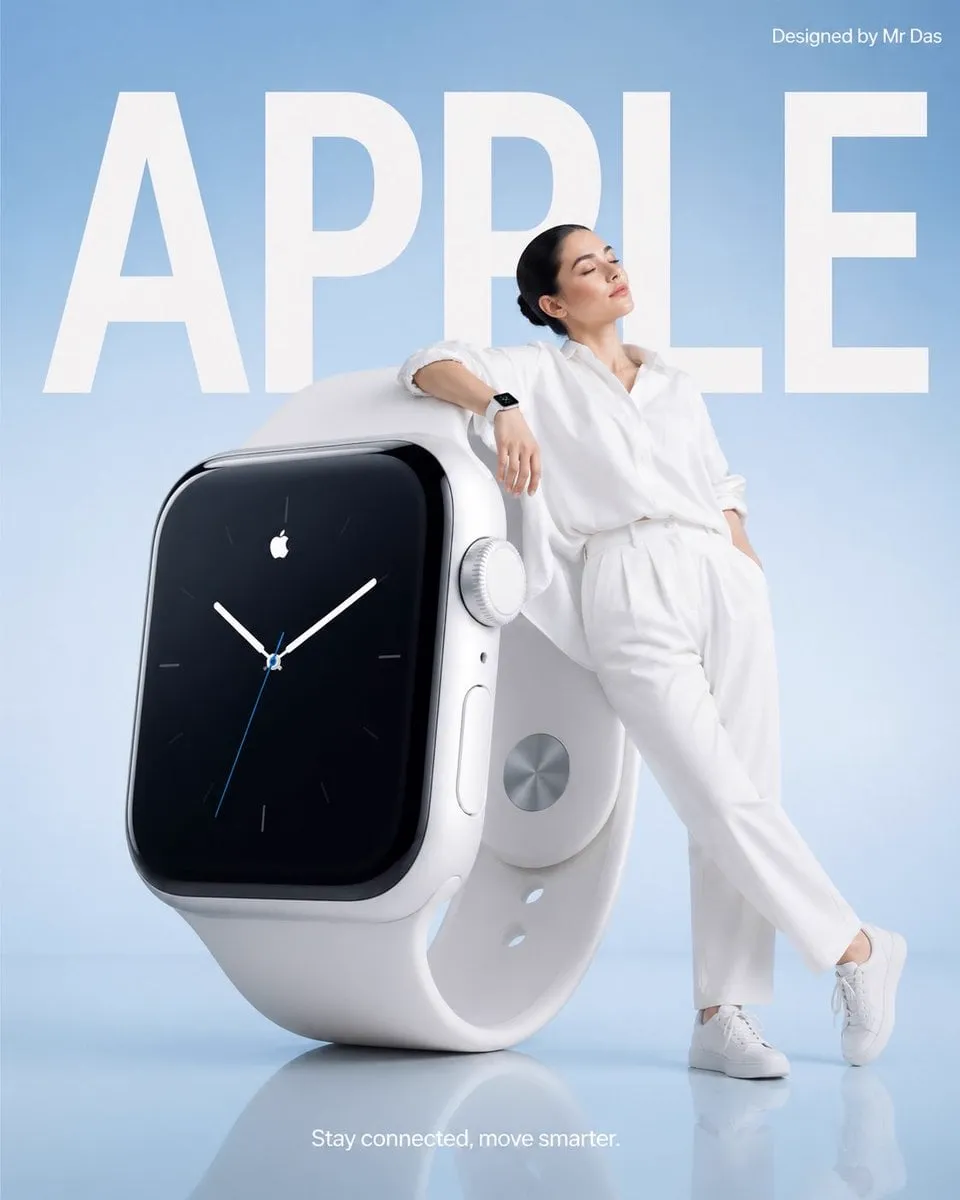
Why Fashion Video Ads Break the Standard AI Video Playbook
Most AI video workflows chase spectacle: a dragon over a city, a dreamlike camera push through fog, a surreal transformation. Fashion is the opposite problem. The subject is a specific garment a customer can actually buy, in a specific colorway, with a specific fit, worn by a model whose look must match a campaign shot from last month. The camera can be dramatic. The product cannot drift.
That changes what "good" means. A clip that looks gorgeous but turns a bias-cut silk dress into a cotton wrap is a liability, not an asset. Returns climb, customers feel misled, and paid social performance sags because the ad no longer matches the landing page.
So treat AI video as one stage of an advertising pipeline rather than a magic button. You still write a brief, build a shot list, direct the model, edit the output, and read the numbers. What AI compresses is the expensive middle: location scouting, crew days, lighting setups, model callbacks, and the reshoot you would normally need when a hemline reads wrong on camera. A team that once spent three weeks on a single seasonal spot can ship twenty variants in a week — if the workflow stays disciplined.
The Three Constraints That Shape Every AI Fashion Ad
Every decision in the pipeline comes back to three forces that pull against each other. Decide which one leads for each campaign before you generate anything.
Speed
Fashion runs on micro-seasons. A silhouette trends for two weeks, a colorway for one. Ads have to ship while the trend is still alive, which means production timelines of days rather than weeks. This is where generative video earns its place: iteration is cheap, so you can be wrong four times and still publish on time.
Personalization
One garment, many audiences. A tailored blazer can be sold as office armor, as festival layering, or as quiet-luxury minimalism — different hooks, different models, different settings, different pacing. Producing twelve variants with a traditional crew is impossible on a normal budget. Producing twelve variants from one locked look is a routine afternoon.
Product accuracy
Every frame of a fashion ad is a product claim. Color, cut, texture, hardware, logo placement, and proportions all matter, and all can drift between generations. That means an explicit verification step: compare final frames against a physical sample or a studio photo under neutral light before anything goes live.
When speed and accuracy conflict, decide in advance. Awareness campaigns can tolerate a slightly stylized garment. Retargeting campaigns cannot — the viewer has already seen the product page and will notice instantly.
How to Choose an AI Video Model for Fashion
Model selection is not about prestige; it is about matching strengths to shot types. Judge candidates on these criteria:
- Image-to-video conditioning. The single most valuable feature for fashion. If you can feed a clean product still and let the model add motion, garment fidelity improves dramatically.
- Temporal consistency. Watch a five-second clip for flicker in fabric pattern, logo wobble, or a face that subtly changes shape.
- Fabric physics. Silk should flow, denim should hold a crease, knitwear should stretch at the shoulder. Weak models make everything behave like thin plastic.
- Hands and faces. Fashion is full of gestures — adjusting a cuff, tucking hair. Distorted fingers destroy credibility faster than a soft background.
- Text rendering. Most generators still garble type. Plan to add all typography in editing.
- Control inputs. First-frame conditioning, last-frame conditioning, camera path controls, and motion brushes separate a usable tool from a slot machine.
- Iteration cost and latency. A model that returns a usable take in forty seconds beats a marginally prettier model that takes ten minutes.
| Shot type | What to prioritize | Practical approach |
|---|---|---|
| Hero product turntable | Garment fidelity, locked camera | Animate a studio still with a slow orbital move |
| Model walking | Temporal consistency, fabric physics | Image-to-video from a full-body reference |
| Detail macro | Texture, shallow depth of field | Tight text-to-video or an animated still, then upscale |
| Lifestyle scene | Environment coherence, lighting | Multi-reference generation, then one unified grade |
| Logo and offer card | Vector-accurate type | Build entirely in the editor |
Image-to-video earns its keep
Text-to-video is great for exploration and terrible for product truth. Start with a looked-locked still — either a studio photo or a generated image you have approved — then animate it. You keep the styling decision under human control and hand the model a narrower job: add motion, light, and atmosphere.
When a stylized model beats a photoreal one
If your brand language is editorial, film-grain, or hyper-surreal, chasing photorealism is a trap. A slightly stylized engine with coherent motion reads as intentional art direction; a photoreal engine with warped seams reads as a mistake. Pick the model that matches your campaign's aesthetic, not the one with the most impressive demo reel.
Pre-Production: Brief, Moodboard, Shot List
AI removes the crew, not the planning. Three artifacts do most of the work.
The brief covers objective, audience, offer, hook concept, must-show product details, forbidden elements (wrong logo, competitor colors, unapproved styling), formats, and the delivery date. Keep it to one page. If the brief is vague, the model will be vague in ways that cost hours.
The moodboard holds ten to fifteen references, labeled by what each one teaches you: lighting, wardrobe styling, color grade, camera movement, pacing. Unlabeled moodboards cause arguments later because everyone assumes the reference meant something different.
The shot list translates the moodboard into discrete generations. Each line should specify framing, action, duration, and the reference asset that anchors it.
The seven-shot skeleton of a fashion ad
- Hook (0–1.5s). Motion, contrast, or an unexpected frame that stops the scroll.
- Product reveal. The garment, clearly, on a body.
- Fit in motion. A walk, a turn, a sit — proof the piece moves well.
- Fabric macro. A close pass over texture, stitching, or hardware.
- Context. The setting that signals who this piece is for.
- Detail or styling beat. Layering, accessorizing, a second colorway.
- End card. Logo, offer, call to action.
Lock deliverable specs before generating
Decide aspect ratios (9:16, 4:5, 1:1, 16:9), clip lengths, frame rate, caption safe zones, and caption language first. Generating landscape and cropping to vertical wastes frames, crops heads, and forces you to regenerate. Generate vertical when vertical is the priority; export the other ratios from a wider master only if you planned the framing for it.
Prompt Craft: Fabric, Fit, and Motion
Describe garments like a pattern cutter
"A nice dress" gives you a random dress. Precise construction language gives you the garment in your lookbook: matte champagne silk midi dress, bias cut, cowl neck, subtle sheen along the fold lines, unlined hem with visible stitching. Material, cut, finish, and one construction detail. Add the fit relationship — relaxed through the shoulder, nipped at the waist — so the model understands how the fabric sits on a body.
Use camera and lighting vocabulary, not adjectives
Generators respond to cinematography terms more reliably than to praise. Instead of "beautiful cinematic shot," write: slow dolly in, 50mm equivalent, f/2.0, soft window light from camera left, gentle falloff on the background, no lens flare, shallow depth of field on the fabric. Combine one camera move, one lens feel, one lighting setup, one atmosphere note. More than that and the model averages your instructions into mush.
Ask for motion, not poses
AI models handle sustained motion better than held poses, which tend to drift. Give each clip a beginning and an end so it has a natural cut point: she turns slowly to the right, the skirt swings and settles, hair moves a beat behind. Motion also creates the cut rhythm you need in the edit — you can slice on the turn instead of forcing a transition.
List what you never want
Maintain a reusable negative list: warped hands, extra fingers, ghost limbs, illegible text, melting seams, shifting logos, changing hair length, oversaturated skin, floating accessories, duplicated jewelry. Reusing the same negative list across a season keeps quality consistent and saves rewriting.
Fix styling on stills, then animate
Generating video to solve a styling problem is expensive in both time and patience. Approve the look as a still first — silhouette, palette, styling, framing — then animate. If the still is wrong, no amount of motion will rescue it.
Keeping the Brand Consistent Across a Campaign
Consistency is a system problem, not a prompt problem. Build a small brand bible and treat it like design tokens:
- Palette hex values for the season plus one accent
- Typography rules for overlays and end cards
- Grade reference: one LUT or color treatment applied to every clip
- Model identity references: front, three-quarter, and profile frames, plus hair and makeup notes
- Texture language: grain amount, contrast, black level
Repeat the same lighting description and reference frames across every generation in a campaign, and grade everything at the end in one pass. Logos, prices, legal lines, and any legible type belong in the editor, not the generator. Keep a shared asset folder per season with approved stills, reference frames, audio beds, and export presets so a second editor can pick up the project without a handover meeting.
Post-Production: Editing, Sound, Captions, and Formats
Generated clips are raw material. The edit is where an ad becomes an ad.
Rhythm. Cut on motion. In the first three seconds, keep shots at half a second to a second and a half. After the hook lands, let a shot breathe for two or three seconds so the viewer can actually absorb the garment.
Sound. Audio does more work than most teams expect. Footsteps on stone, a zip closing, fabric rustle, room tone, and a beat that drops exactly on the product reveal. Licensed music, layered foley, and a clean mix matter far more than an extra generated clip.
Captions. Most social viewing is sound-off. Burn in captions with the platform safe zones respected, two to four words per line, high contrast, and no reliance on color alone to convey meaning.
Format exports. Produce a vertical master first, then square and landscape versions framed intentionally rather than cropped blindly. A quick grain or upscale pass across all clips unifies small differences between generations and makes the final cut feel like one shoot.
Testing and Iteration: A Seven-Day Sprint
A workable rhythm for a small team:
- Day 1: brief, audience, offer, moodboard
- Day 2: stills, look lock, shot list with reference frames
- Day 3: hero clips — reveal, walk, hero product
- Day 4: supporting clips — macro, context, styling beat
- Day 5: edit, sound design, captions, end card
- Day 6: variants — alternate hooks, alternate openers, alternate captions
- Day 7: launch, tracking check, and a written log of what you learned
Track hook rate (three-second views divided by impressions) first, because it tells you whether the creative stops the scroll. Then hold rate, click-through rate, add-to-cart rate, and return on ad spend. Change one variable per variant — hook, model, setting, or music — otherwise you learn nothing from a winner.
Name every export with a consistent convention: season, product, hook, engine, aspect ratio, version. Six weeks later, that naming is the only thing standing between you and a full re-shoot of an ad that already worked.
Common Mistakes That Kill AI Fashion Ads
- Skipping product verification. A single wrong colorway can undo a month of performance gains.
- Chasing photorealism inside a stylized brand. Match the model to the art direction, not to the trend.
- One prompt, one take. Plan for five to ten generations per usable clip.
- Cramming three ideas into six seconds. One concept per ad; split the rest into variants.
- Treating sound as an afterthought. Weak audio makes strong visuals feel cheap.
- Reusing one hook across every variant. Identical openers cause fatigue and flatten your test results.
- Letting the generator render text. Type inside a diffusion model is a coin flip. Use the editor.
- No aspect ratio plan. Cropping a landscape master to vertical loses heads, hems, and composition.
FAQ
Can AI video replace a full fashion shoot?
Not yet, and rarely should it. Use AI for volume, testing, and speed — seasonal variants, regional cuts, creator-style content, and rapid concept validation. Keep human photography for hero campaigns, fabric-critical shots, and anything a customer will zoom into at full resolution.
How long should a fashion ad be?
Six to fifteen seconds works best for cold paid social traffic. Fifteen to thirty seconds suits retargeting, product pages, and email. Longer formats need a narrative reason to exist, such as a founder story or a craftsmanship sequence.
How do I keep the same model across many clips?
Lock a reference image, reuse the same lighting description, keep the same camera language, and apply one grade at the end. Consistency comes from repetition of inputs plus a unified color pass, not from hoping the model remembers.
What resolution should I generate at?
Generate at the highest resolution your engine offers, then downscale for delivery. Downscaling hides small artifacts; upscaling amplifies them. Never upscale generated text — rebuild it in the editor instead.
Do I need to disclose that the video is AI-generated?
Check the advertising rules in your market and the synthetic media policies of each platform you publish on. Some require labeling, especially for realistic human depictions. Keep documentation of your source assets, model releases, and music licenses.
How many variants do I need before I know what works?
Six to ten per concept is a reasonable first batch: three hooks, two settings, and two openings. Once a winner emerges, iterate on the hook rather than rebuilding the whole ad.
What if the generated fabric keeps changing between shots?
That usually means your reference frames disagree. Rebuild one approved still per scene, feed it as the first frame, and reduce motion complexity. If the pattern still drifts, treat the shot as a macro detail and keep the garment off-center or partially cropped.
The short version: pick a model that respects garments, plan like a producer, prompt like a cinematographer, edit like an advertiser, and verify every frame against the real product. Do that consistently and AI stops being a novelty in your fashion marketing and becomes the fastest part of your production line.
