

The State of AI Video in 2025
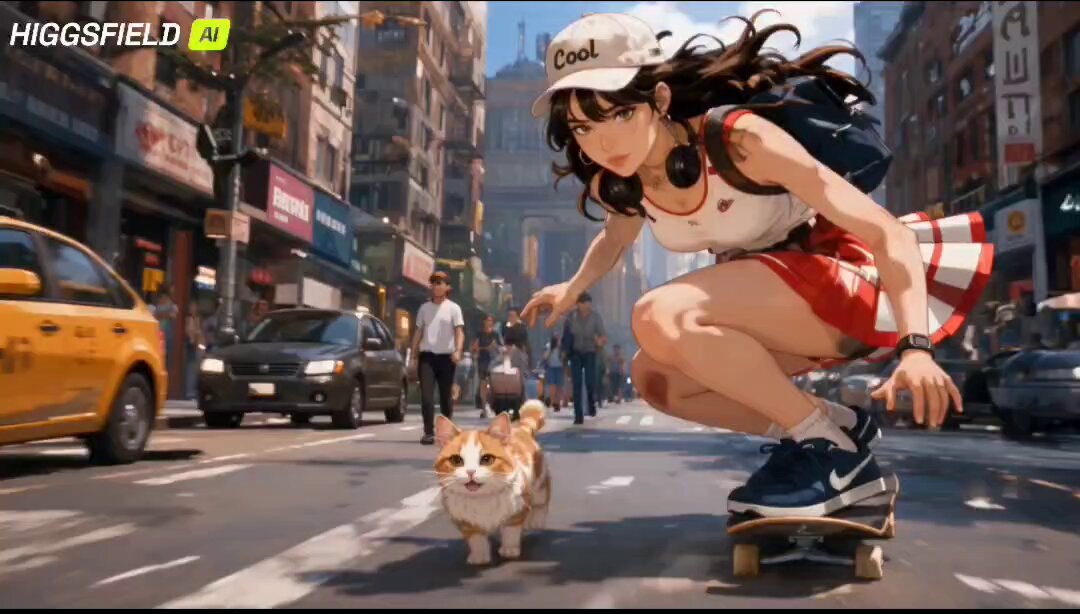
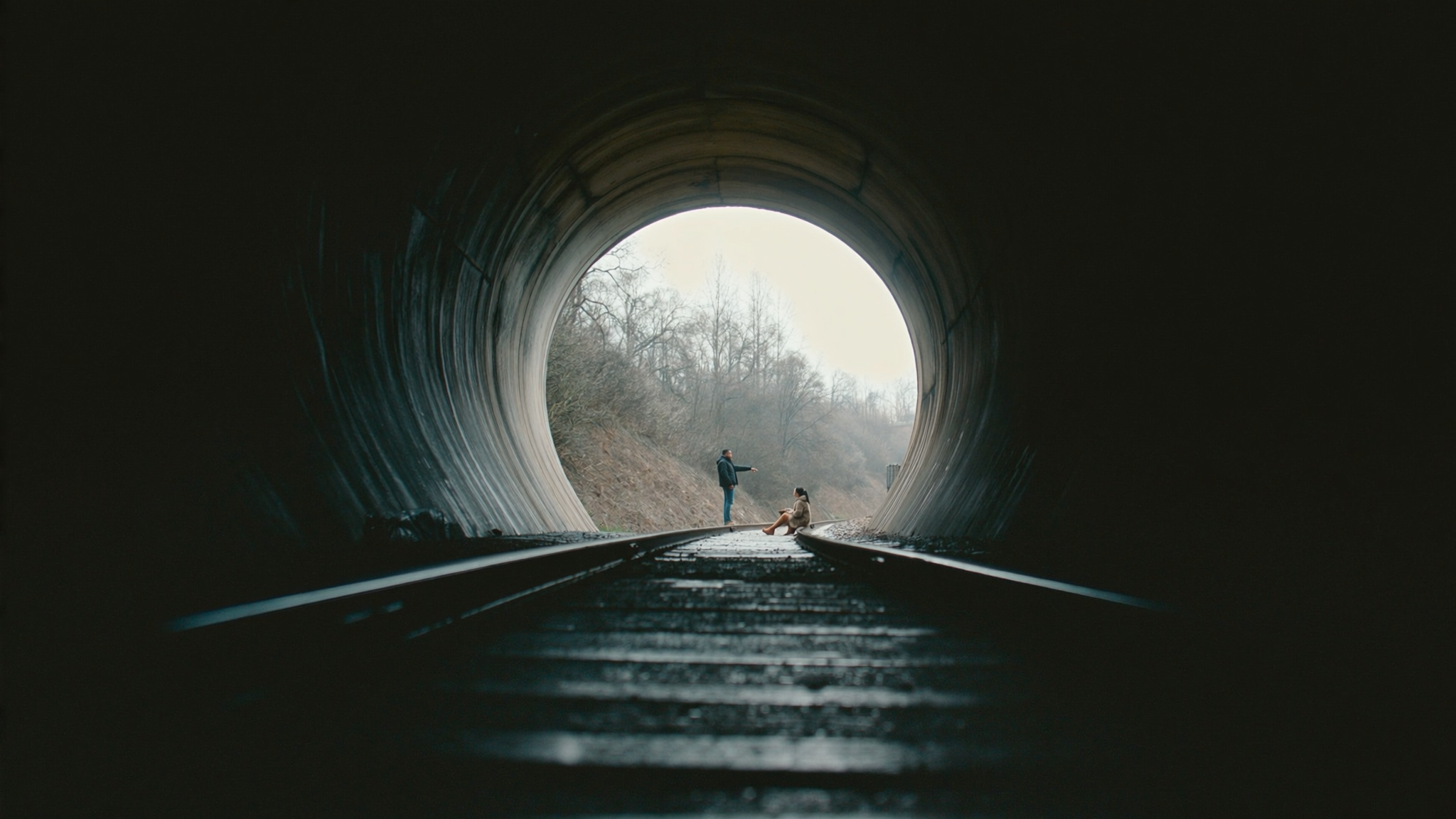
AI video generation has crossed a threshold. For the first few years of the technology, the output was a curiosity: short clips, five seconds long, visually interesting but clearly synthetic, with warped physics and drifting faces. In 2025, that has changed decisively. The frontier models now produce footage that is difficult to distinguish from real cinematography, with coherent motion, believable physics, and sustained character identity across multiple shots.
This is not an incremental improvement; it is a change in what is possible. Production speed has gone from weeks to hours. A single creator can now direct, shoot, and edit an entire commercial without a camera. Brands that ignored the technology in 2024 are now building permanent production pipelines around it, and the gap between the teams that use it well and those that do not is widening every quarter.
This guide covers the 2025 landscape of high-end AI video creation: the model families that define the market, the core technologies that make quality and consistency possible, the practical strategies for using a large model library effectively, and the emerging ways creators are turning the technology into income.
The Landscape: What Changed
From Clips to Narrative
The most important shift is from isolated clips to narrative sequences. Earlier models could produce a beautiful five-second shot, but you could not ask them for a coherent story. Today's leading models understand scene structure, cause and effect, and temporal continuity well enough to generate footage that fits into a sequence. For filmmakers, this is the difference between a toy and a tool.
The Model Library Explosion
A second shift is specialization. The market is no longer "one model for everything." There are now families of models, each tuned for a different job:
- Premium cinematic models for photorealistic, high-budget-look footage
- Breakthrough text-to-video models built on new architectures that understand narrative structure
- Mid-tier models that balance quality and speed for high-volume social content
- Specialized models for animation, anime, product shots, and specific styles
The practical implication is that serious creators maintain a shortlist of three to five models and match the model to the shot, rather than defaulting to one favorite.
Consistency Is Now Solvable
The historical killer of AI video was inconsistency: a character who changed face between shots, a product that mutated, a color grade that drifted. The 2025 generation of tools attacks this directly with reference images, keyframe control, and fusion techniques that lock identity across a sequence. Consistency, not raw quality, is now the primary differentiator between amateur and professional AI production.
The Core Technologies Behind Quality
Fusion and Keyframe Control
Two technologies do most of the heavy lifting for consistency.
Keyframe control lets you define the first and last frame of a shot and have the model interpolate the motion between them. If the character looks right in frame one and frame ten, the model works hard to keep them right in between. This is the most reliable consistency technique available.
Fusion technology goes further: it merges multiple reference images into a single coherent result. You can provide a face reference, a costume reference, and an environment reference, and the model produces footage that honors all three. This is how you get a specific character in a specific place, dressed consistently, across an entire campaign.
AI Director Agents
The other major innovation is the AI director: an agent that analyzes your prompt, proposes scene composition, selects the appropriate model, and manages the narrative structure and pacing. Think of it as an automated assistant director. It does not replace creative judgment, but it removes the mechanical parts of directing, which makes high-quality production accessible to people who have never run a set.
Task Management and GPU Optimization
Generation runs on expensive graphics hardware, and how a platform manages that hardware determines both cost and wait times. Serious platforms run a task queue that batches work efficiently. For creators, the practical discipline is the same as any production budget: explore with cheap models, validate with stills, and spend the expensive generation budget on final shots only.
Using a Large Model Library Effectively
Build a Decision Framework
With dozens of models available, the danger is choice paralysis. Build a simple decision framework based on three questions:
- What is the deliverable? (ad, product demo, social clip, short film)
- What visual style is required? (photoreal, animated, stylized)
- What is the budget in time and resources?
The answers point to a model family: premium cinematic for hero shots, mid-tier for volume, specialized for styles, image-to-video for animating existing assets.
The Strategic Classification
Divide your library into three tiers:
- Workhorse models: fast, cheap, good enough for exploration and high-volume social content. Use these to test ideas quickly.
- Hero models: expensive, slow, highest quality. Reserve for the shots that will actually be seen in the final cut.
- Specialist models: narrow but excellent at one thing, such as anime, product realism, or specific camera moves. Pull these out when the task matches their specialty.
Optimize the Workflow, Not Just the Prompt
A great workflow gets the most out of any model library:
- Script and storyboard first. Decide the shots before generating anything.
- Generate still frames to lock composition and lighting. Stills are cheap; iterate there.
- Animate only approved stills.
- Generate two or three candidates per shot and select, don't settle.
- Edit and add sound, because video without intentional audio reads as unfinished.
- Document every winning generation: model, seed, prompt, settings.
Monetizing AI Video Skills
The market for AI video skills is young but real, and the income paths are diversifying.
Client Services
Brands need AI video producers who can deliver campaigns faster and cheaper than traditional production. The skill stack that commands rates: prompt craft, consistency management, editing, and sound design. Agencies are actively hiring or contracting for these skills, and independent creators are building service businesses around them.
Training and Publishing Your Own Models
The next frontier is model ownership. Platforms increasingly let creators train custom models on their own styles, characters, or products, and publish them for other users. If you have a distinctive style or a reusable character, you can package it as a product that others license or use. This turns expertise into a recurring asset rather than a one-off service.
Content Businesses
AI video is a natural fit for content businesses: faceless channels, brand storytelling, explainer content. The economics are attractive because the marginal cost of a new video is low and the output volume can be high. The winners treat it like a media operation: consistent format, consistent quality bar, and a real point of view.
Practical Implementation
A Realistic First Project
If you are starting today, here is a concrete first project: produce a 30-second brand story for a fictional product. Break it into six shots. For each shot, write a layered prompt: subject, environment, light, camera, style. Generate stills, pick the best, animate them, edit to music, add sound effects, and grade the whole piece consistently. Complete the loop from idea to finished video in one session. That single project will teach you more than a month of tutorials.
Quality Gates
Adopt three quality gates before anything ships:
- Consistency gate: does the character, product, or environment stay identical across all shots?
- Physics gate: does the motion obey the real world well enough that a casual viewer does not notice?
- Sound gate: does the piece have intentional audio, not silence?
If a piece fails a gate, fix it with the cheapest tool that works: regenerate a shot, re-edit, or redo the sound.
Scaling to Volume
Once one project works, systematize it. Build reusable prompt templates per use case, maintain a reference library, and keep a documented recipe for every style you use. Volume production without systems produces chaos; with systems, it produces a content engine.
A Practical Example: Building a 30-Second Spot
Theory is useful; a concrete walkthrough is better. Here is how a realistic 30-second brand spot comes together with the 2025 toolkit.
The brief: a fictional coffee roaster wants a vertical ad showing their morning ritual, shot for Instagram Reels. The message is craft and warmth. The deadline is tomorrow.
Phase One: The Brief and the Shot List
Write the script first: six beats, roughly five seconds each. Beat one, a wide shot of the roastery at dawn. Beat two, close-up of green beans pouring into the hopper. Beat three, the roasting drum turning, beans tumbling. Beat four, a barista pouring milk into a cup. Beat five, the finished cup on a wooden counter, steam rising. Beat six, the logo on a dark background.
Each beat gets one line of direction: what is in frame, what the camera does, what the light feels like. This shot list is the contract for the whole project.
Phase Two: Stills and References
Before generating any motion, create the world in stills. Generate a reference image for the roastery environment, one for the coffee cup, one for the color palette (warm browns, soft gold, dark shadows). These become the identity anchors. For each beat, generate a still frame that locks composition and lighting. Approve or fix each still before touching video generation. This is where the project is won or lost, and it is the cheapest stage to iterate.
Phase Three: Animation
Animate each approved still with image-to-video, specifying a subtle camera move per beat: slow push-in on the roastery wide, a tilt down the hopper, a tracking pan along the counter. Keep motion gentle; product spots read as premium when the camera breathes rather than swings. Generate two candidates per beat and pick the better one.
Phase Four: Sound and Edit
Cut the six clips into a timeline. Lay down an ambient bed: low roastery hum, soft clatter. Add a warm acoustic track that starts quiet and lifts at the pour. Add two effects: the click of the hopper and the hiss of steam. Grade everything to the same warm palette, add a subtle grain, and export vertical at the highest resolution the platform allows.
Phase Five: Review
Watch the spot twice: once for story, once for consistency. Does the cup look like the same cup in every shot? Does the light logic hold from dawn to counter? If the cup drifts, regenerate the offending beat with the reference pack, not by retyping the prompt. When the spot passes both reviews, it ships.
The entire project, from brief to finished ad, fits in a single working session. That is the production reality of 2025.
Frequently Asked Questions
How long can AI-generated video be?
The frontier models now produce clips of ten seconds and beyond, with experimental systems reaching minutes. For professional work, treat 5-10 second clips as building blocks and edit them together; this gives you control that long single takes do not.
Do I need a powerful computer?
No. Generation runs in the cloud. You need a browser and a connection. Editing the output needs a normal modern computer.
Will AI video replace traditional production?
It replaces the expensive mechanical parts, not the creative decisions. Someone still chooses the story, the style, and the cut. Traditional production retains advantages in live action, real locations, and controlled sets; AI production wins on speed, cost, and scope of iteration.
How do I keep a character consistent?
Use reference images and keyframe control together. Generate a hero image of the character, use it as a reference for every shot, and define start and end frames for each animated sequence. Document seeds so you can reproduce and vary results.
What is the fastest way to learn?
Generate fifty clips in a week with deliberately varied prompts and settings. Study what breaks and what works. Then build a small library of your best results and reuse them as references. Deliberate practice beats passive learning for this technology.
The Bottom Line
2025 is the year AI video stopped being a demo and became a production tool. The technology now supports narrative, consistency, and volume, which are the requirements of real work. The creators and brands that build disciplined workflows around it will produce more, faster, and cheaper than everyone else.
The barrier to entry is lower than it has ever been, and the gap between the best and the average is mostly craft, not access. Learn the model families, master consistency, respect sound, and systematize everything you do. That is the complete playbook for high-end AI video creation in 2025.
