
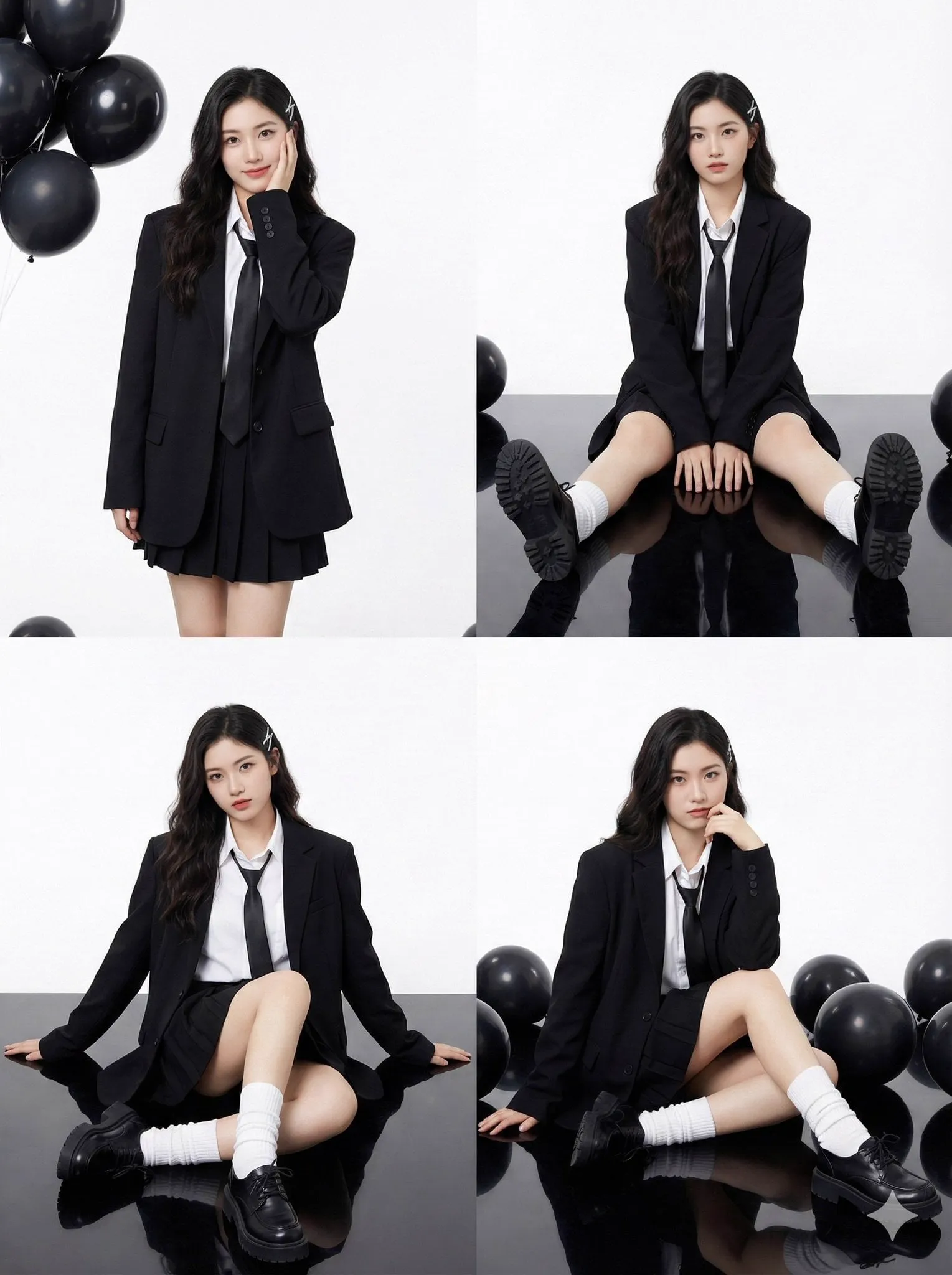
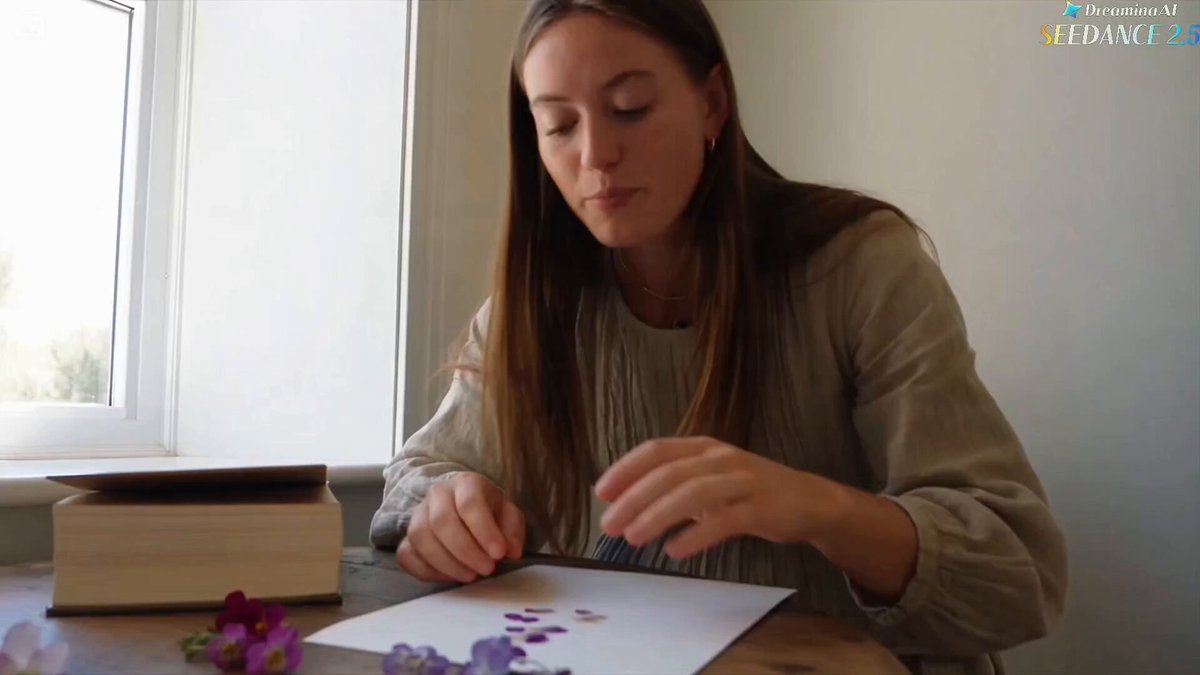
Why the idea-to-screen gap collapsed
A few years ago, turning a script into finished footage meant a chain of expensive dependencies: location scouting, casting, crew scheduling, lighting gear, reshoots, and a post-production calendar measured in weeks. Today, a single person with a laptop and a clear shot list can produce a polished thirty-second spot in an afternoon. The bottleneck has moved. It is no longer cameras and crews — it is clarity of intent.
AI video design software sits at the center of that shift. These tools bundle several distinct capabilities that used to live in separate disciplines: script assistance, storyboarding, image generation, video generation, motion control, voice synthesis, music, captions, upscaling, and final assembly. Some products try to own the whole pipeline. Others specialize in one link and integrate with a traditional editor.
The practical consequence is that the old question — "which tool is best?" — has become the wrong question. The useful question is: which combination of tools reliably gets my specific idea onto a screen at the quality my audience expects, without me losing control of the result? This guide answers that, with a workflow you can reuse for client work, product marketing, social content, or personal projects.
What AI video design software actually does
Before comparing anything, it helps to separate the pipeline into four stages. Most confusion comes from judging a tool on a stage it was never designed to handle.
Pre-production: script, structure, and look
This stage produces words and reference imagery. Useful capabilities include beat-sheet generation, script polishing, shot-list drafting, moodboard assembly, character sheets, and reference-frame generation from a text description. Image models are usually the workhorse here, because a still frame is cheap to iterate on and reveals whether your visual direction reads clearly.
A strong pre-production pass produces three artifacts: a script or voiceover track, a numbered shot list with durations, and a visual reference set. Skip it and you will spend the generation stage guessing.
Generation: turning descriptions into motion
The generation stage covers text-to-video, image-to-video, video-to-video restyling, keyframe interpolation (first frame plus last frame), and motion-controlled variants where you paint a region and describe how it should move. Typical parameters include duration, aspect ratio, resolution, seed, and motion intensity.
Generation quality varies by shot type. A model that produces gorgeous wide landscapes may struggle with two people shaking hands. A model with excellent character consistency may produce flat lighting. This is why professionals keep two or three engines available rather than committing to one.
Assembly: shaping shots into a story
Assembly is editing: selecting takes, ordering shots, trimming to the beat, adding transitions, layering titles and graphics, and mixing audio. Increasingly, AI assistants help here too — scene detection, auto-cut to music, silence removal, subtitle generation, and rough-cut suggestions.
The crucial insight for AI work: generation produces material, not a film. Ten beautiful clips do not automatically become a narrative. Assembly is where pacing, contrast, and meaning get created.
Finishing: making it broadcast-ready
Finishing covers upscaling, frame interpolation for smoothness, relighting, lip-sync correction, noise cleanup, color grading, loudness normalization, and export in the correct codec, resolution, and aspect ratio. A clip that looks acceptable in a preview window can fall apart on a large screen, so finishing is not optional for anything client-facing.
Matching engines to the job they do best
Rather than a ranked list, think in categories. Each category maps to a real production need.
Cinematic realism and photoreal texture
Engines like Runway, Sora, and comparable flagship models excel at believable lighting, lens behavior, and physical plausibility — water, smoke, fabric, reflections. They are the right choice for hero shots, establishing shots, and anything meant to look like captured footage. Trade-offs: cost per second, queue times, and occasional over-smoothing that makes skin look plastic.
Character consistency and stylized regional looks
Kling, PixVerse, Hailuo, and similar engines are often praised for holding a character's face and wardrobe steady across multiple shots, and for stylized treatments such as anime, ink illustration, or highly saturated commercial looks. If your project depends on the same person appearing in six shots, test consistency before you fall in love with the aesthetic.
Precise motion and camera control
Luma Ray, Pika, and Vidu tend to shine when you need a specific camera move — a slow dolly-in, an orbit, a whip pan — or when you need to animate one element while keeping the rest of the frame stable. These are the tools for product rotations, logo reveals, and controlled transitions.
Open-weight and self-hosted options
Hunyuan Video, the Wan series, LTX Video, Framepack, and MAGI-1 represent a different philosophy: downloadable or self-hostable models you can fine-tune. The appeal is cost predictability at volume, data privacy, custom styles trained on your own footage, and no per-second metering. The cost is technical overhead — GPU hardware, environment setup, and prompt behavior that changes when you swap checkpoints.
For studios with sensitive client material or very high output volume, a self-hosted pipeline plus a cloud engine for hero shots is often the most economical combination.
A repeatable idea-to-screen workflow
Here is a sequence that works for both a fifteen-second social cut and a three-minute brand film.
- Write the one-sentence promise. What should the viewer feel or know after watching? Everything downstream gets filtered by this sentence.
- Draft the script and voiceover. Record or synthesize the audio early. Timing audio first prevents the classic mistake of generating clips that are too long or too short.
- Break it into numbered shots with durations. Aim for two to five seconds per generated shot. Longer clips amplify inconsistency.
- Build a visual reference set. Generate still frames for each shot. Iterate on stills until the look is right — it is ten to fifty times cheaper than iterating on video.
- Generate low-resolution tests. Use short durations and draft quality to validate motion, composition, and continuity before spending on finals.
- Generate finals in batches by shot type. Group similar shots together so you can tune prompts and seeds coherently.
- Assemble a rough cut. Place the best take of each shot against the audio. Watch it end to end and note where attention drops.
- Replace weak shots only. Regenerate the two or three shots that break the cut rather than re-rolling everything.
- Finish, mix, and export. Upscale, grade, normalize loudness, add captions, and export platform-specific versions.
The order matters more than the tools. Teams that skip step three or four routinely burn a full day regenerating footage that was never going to cut together.
Prompt craft: the levers that actually change output
Most disappointing generations come from vague input, not weak models. A reliable shot description follows a consistent pattern:
Subject + action + environment + camera + lens + lighting + mood + duration.
For example: "A ceramic coffee cup on a wet stone counter, steam rising slowly, camera dollies in from the left at eye level, 50mm lens, soft window light from the right, calm and minimal, four seconds."
Useful habits:
- Name the camera move explicitly. "Slow push in," "static tripod," "handheld follow," "overhead descent." Vague words like "dynamic" produce random motion.
- Keep one subject and one action per shot. Two actions in one prompt almost always produce muddled timing.
- Use image-to-video for consistency. Feed a generated or photographed still as the first frame. This locks composition, wardrobe, and color far better than any text prompt.
- Control continuity with seeds and references. When an engine supports character or style references, reuse the same reference across a sequence instead of retyping a description.
- Write negative guidance when supported. "No text, no logos, no extra limbs, no fast camera shake" prevents common artifacts.
- Change one variable at a time. If you alter subject, lighting, and camera together, you learn nothing about which change helped.
Motion intensity is the most underrated setting. Turned up too high, it creates warping and rubbery physics. Many convincing shots use low motion values with a deliberate camera move instead.
Planning compute, storage, and spend
AI video generation is a resource decision as much as a creative one. Four variables drive cost: resolution, duration, number of retries, and whether you run locally or in the cloud.
Cloud engines charge per second of output, often tiered by resolution and quality level. They are ideal for bursty work, require no hardware, and give you the newest models immediately. The risk is that a slow iteration loop quietly multiplies spend — twenty retries of a five-second clip is one hundred seconds of billing for one usable shot.
Local or self-hosted models shift cost to hardware. A capable GPU pays for itself if you generate regularly, and inference is effectively free afterward. You also keep footage private, which matters for unreleased products and sensitive client work. The trade-off is setup time, model management, and slower iteration while you learn each checkpoint's quirks.
Storage is the hidden line item. Generated assets accumulate fast: draft clips, upscaled finals, project files, and versioned exports. Adopt a naming convention on day one — project, shot number, take, version — and keep proxies alongside originals so your editor stays responsive. Archive drafts you will never reuse; keep every take of a shot that made the final cut until the project is approved and delivered.
A simple rule of thumb: budget roughly three to five generations per usable shot for complex scenes, and one to two for simple product or landscape shots. If your ratio is far worse, the problem is usually the prompt or the shot length, not the budget.
Mistakes that quietly eat days
- Treating generation as a slot machine. Rolling the same prompt repeatedly without changing anything is the most expensive habit in AI video work.
- Generating at final resolution from the start. Validate at draft quality, then commit.
- Using one long clip instead of a shot sequence. A single twenty-second generation rarely holds coherence; four five-second shots cut together usually do.
- Ignoring audio until the end. Music and voiceover dictate rhythm. Cutting picture first and forcing audio to fit produces stiff results.
- Forgetting aspect ratio variants. Vertical, square, and widescreen versions should be planned as separate generations or deliberate reframes, not cropped afterthoughts.
- Skipping rights checks. Likenesses, brand marks, and recognizable locations need review before anything goes public.
- Never testing on the target device. A clip that sings on a monitor can be unreadable on a phone in daylight.
A quality-control checklist before delivery
Run this pass on every finished piece:
- Watch once with sound off — does the story read visually?
- Watch once with eyes closed — does the audio carry it?
- Check faces and hands frame by frame in any shot where a person moves.
- Look for warped geometry, drifting textures, and melting edges during motion.
- Confirm no accidental text or logo artifacts.
- Verify caption accuracy, timing, and safe margins for platform UI overlays.
- Confirm loudness is normalized and no clip peaks harshly on phone speakers.
- Confirm export specs: resolution, frame rate, codec, and file size limits.
How different teams should assemble a stack
| Team type | Priority | Sensible stack shape |
|---|---|---|
| Solo creator | Speed and low cost | One cloud engine, one image model, lightweight editor |
| Marketing team | Volume and brand consistency | Two engines, template prompt library, shared asset naming |
| Agency or studio | Client-grade finish | Cloud heroes plus self-hosted volume, full finishing suite |
| Educator or trainer | Clarity and captions | Screen-recording tools, AI avatars, subtitle automation |
Start smaller than you think you need. Add a tool only when a specific, repeated bottleneck demands it. Tool sprawl is more damaging to output quality than a modest feature gap.
FAQ
Do I need editing skills to use AI video design software?
Basic editing literacy helps enormously. Understanding cuts, pacing, and audio levels matters more than knowing advanced effects, because generation supplies clips but not structure.
Can AI-generated video be used commercially?
Usually yes under most platforms' terms, but you are responsible for the content. Review terms for your specific plan, and avoid depicting real people, protected marks, or copyrighted characters without permission.
How long should an AI-generated shot be?
Two to five seconds is the sweet spot. Longer shots tend to drift in anatomy, lighting, and background detail, which forces you to cut them anyway.
Why do my clips look great in preview but bad on a big screen?
Compression and resolution hide artifacts at small sizes. Upscale, sharpen carefully, and inspect at full resolution before delivery.
Is self-hosting worth the effort?
If you generate weekly, need privacy, or want a custom trained style, yes. If you produce a few clips per month, cloud engines are far more efficient.
What stays valuable as the tools change
Models will keep improving, prices will keep shifting, and today's flagship will become tomorrow's mid-tier option. What does not change is the discipline underneath: a clear concept, a numbered shot list, reference frames that lock the look, short coherent shots, deliberate assembly, and a finishing pass that respects the audience's screen.
Treat AI video design software as a production department you direct rather than a button you press. The people who get consistently good results are not the ones with the longest tool list — they are the ones who can describe a shot precisely, recognize a broken take in two seconds, and know exactly which stage of the pipeline is failing.
Build your pipeline around those skills. Choose one engine for photoreal hero shots, one for consistency and stylized work, one for controlled motion, and a solid editor to bring it together. Then rehearse the workflow until the distance between the idea in your head and the frame on the screen is measured in hours, not weeks.
