

The AI Video Landscape Is Expanding
The AI video generation space is no longer dominated by a single player. New tools and video generation platforms are pushing boundaries in quality, speed, and creative control.
Why Look for Alternatives?
Different tools excel at different things:
- Some specialize in photorealism
- Others are better at stylized or animated content
- Speed vs. quality trade-offs vary significantly
- Cost structures differ widely
Key Features to Compare
Output Quality
Look for natural motion, consistent lighting, and minimal artifacts.
Creative Control
The best tools let you specify camera angles, motion types, and artistic styles.
Workflow Integration
Tools that pair with image generators create a seamless production pipeline.
What Makes a Great AI Video Tool
- Consistency: Characters and objects stay recognizable across frames
- Prompt Understanding: The tool accurately interprets your creative vision
- Speed: Fast enough for iterative creative work
- Flexibility: Works for different content types and styles
Building Your Toolkit
Don't rely on just one tool. Build a toolkit:
- Use text-to-image for concept art and references
- Use video generation for motion and storytelling
- Use editing tools for final polish
Advanced Capabilities to Look For
- Image-to-video with reference image support
- Style transfer and consistency preservation
- Multi-shot narrative capabilities
- Resolution upscaling options
Making the Right Choice
Consider your primary use case:
- Social media content: Speed and style variety
- Commercial work: Quality and consistency
- Creative projects: Artistic control and flexibility
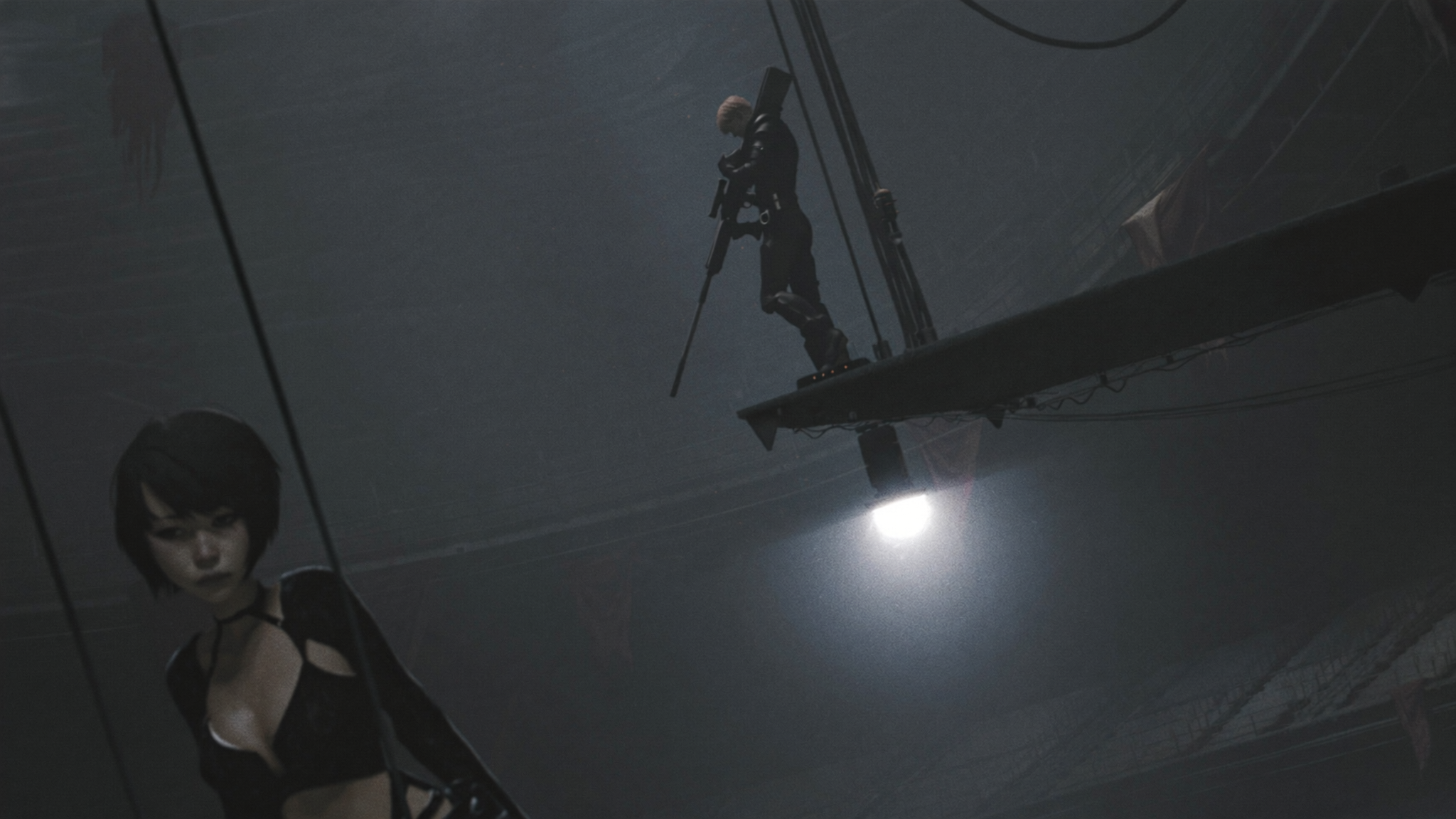
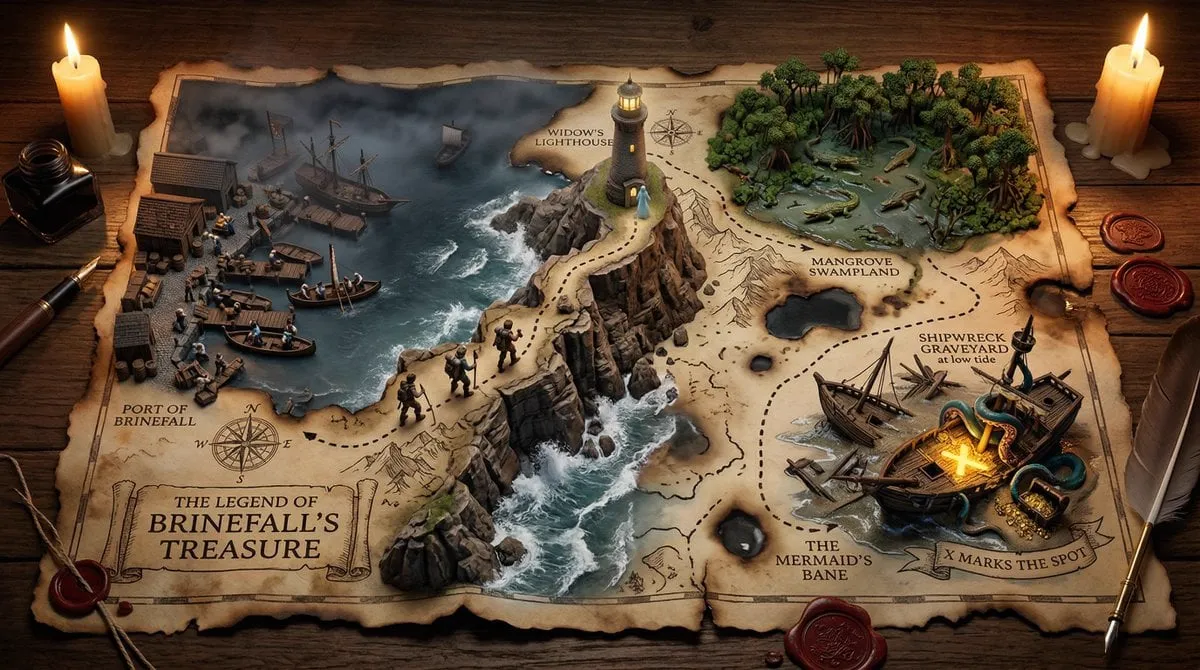
GPT Image 2 offers exceptional image quality as a foundation. Seedance 2.0 delivers smooth, natural motion.
Conclusion
The best AI video tool is the one that fits YOUR workflow. Test multiple options, understand their strengths, and build a customized toolkit that lets you create without compromise.
