
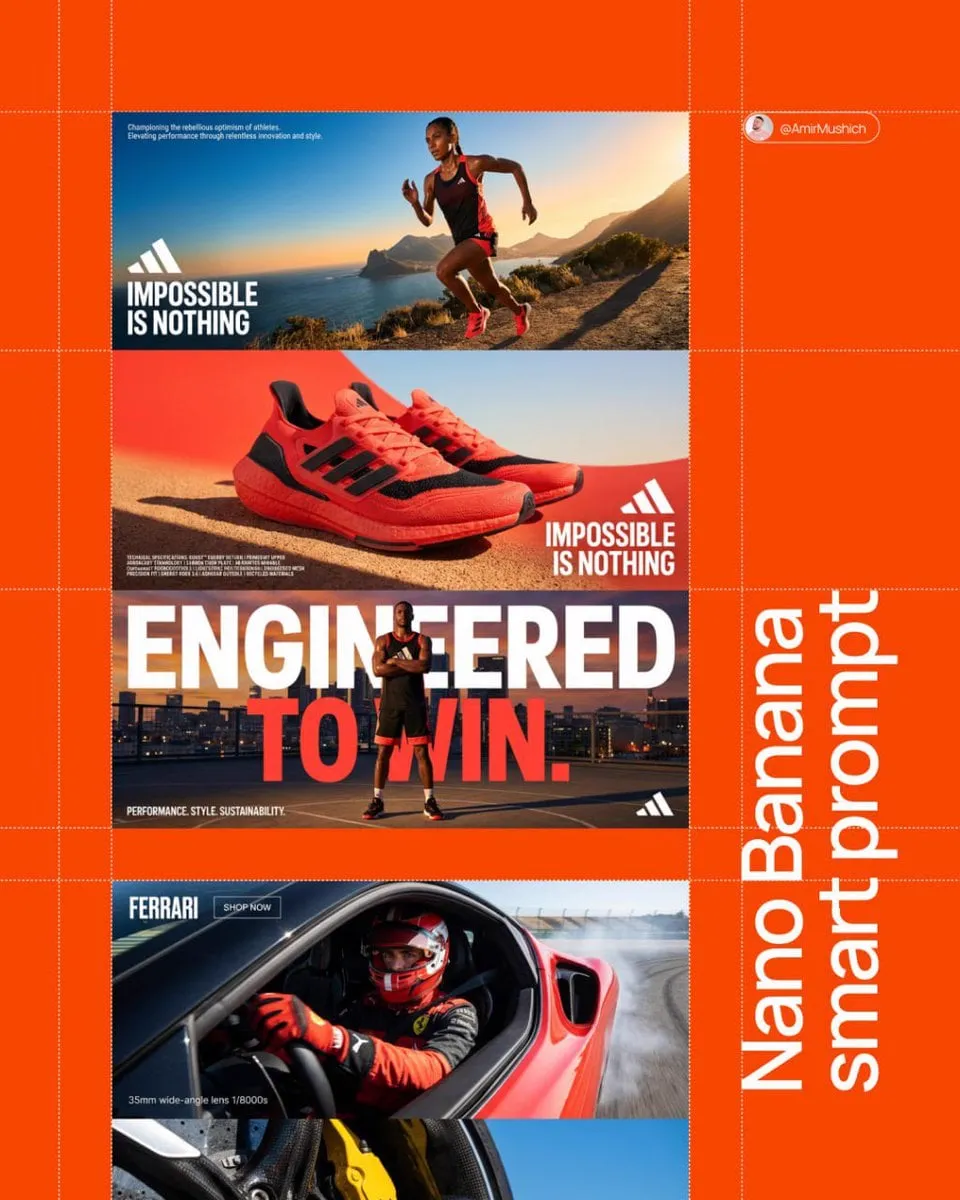
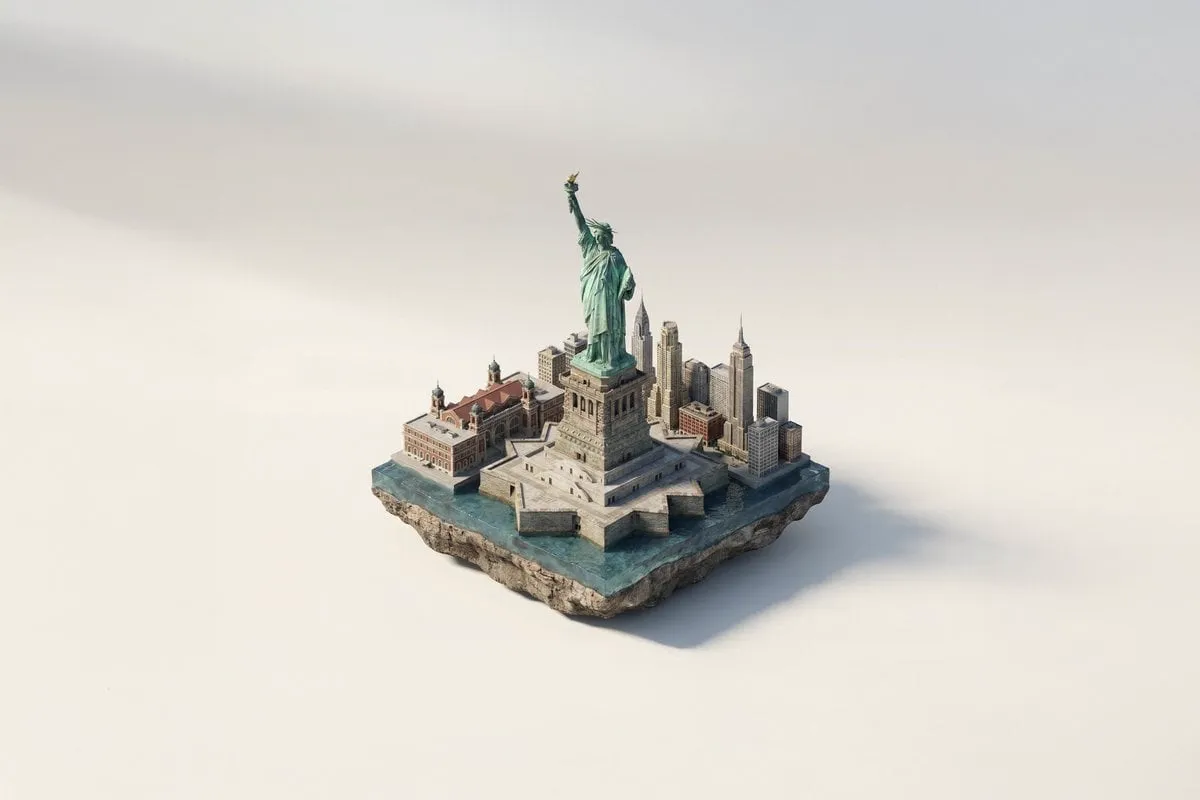
The AI-generated content market is growing at a remarkable pace, with analysts projecting a compound annual growth rate around 35 percent through 2027. For content creators, this is not just a statistic: it is the background against which a fundamental shift is taking place. Video creation in 2025 is no longer limited to traditional editing tools. Artificial intelligence has become the primary partner of creators at every level, and the demand for high-quality, fast, visually consistent video has driven the development of AI video models at an unprecedented rate.
The result is a new kind of creative environment. Instead of learning one expensive tool, creators can now choose from a broad library of specialized AI models, each tuned for a different task: photorealistic scenes, anime aesthetics, physical simulations, character consistency. The skill that matters most is no longer mastering a single piece of software; it is knowing which model to use for which part of the story.
The new standard: temporal coherence and object permanence
One of the most important turning points in 2025 is the maturity of foundation models. They have become more sophisticated and far more accessible, and the latest developments address the problems that used to make AI video feel fake. Two concepts are especially relevant: temporal coherence and object permanence.
Temporal coherence means that visual details remain consistent over time. The color of a character's jacket does not shift between frames, the lighting does not flicker, the texture of surfaces stays stable. Object permanence goes further: when an object moves out of frame and comes back, it is still the same object. It has not morphed into something else. These capabilities have raised the bar for cinematic quality and made AI video usable in professional workflows.
For creators, this matters because the audience's suspension of disbelief depends on it. A video where the protagonist changes appearance between scenes breaks the illusion instantly. The new generation of models, combined with techniques like multi-image fusion and keyframe control, gives creators the tools to prevent these breaks before they happen.
Premium models: the core of professional work
Premium AI video models are the engine behind professional-grade output in 2025. They are curated collections of models that prioritize quality and control above all else. The Flux series is a clear example: it combines accurate prompt understanding with a non-destructive training approach that preserves the subtle tones and textures of the original data. The result is a style transformation that feels intentional rather than degraded, which matters for brands that need their visual identity to survive the AI process.
The value of premium models goes beyond resolution. They offer finer control over composition, lighting, and motion, and they maintain consistency across multiple clips. This makes them the right choice for hero shots, opening sequences, and any scene where the audience will look closely.
Access to leading models from around the world
The diversity of models is one of the strongest advantages of the current ecosystem. Platforms that integrate models from developers worldwide give creators access to regional strengths and technical specialties.
Kling AI, for example, is known for prompt adherence: it follows detailed textual instructions with remarkable fidelity, which is essential when the creative brief is precise and does not allow for unexpected interpretation. PixVerse V4.5 brings a different strength to the table, with particularly strong image-to-video integration. When a project starts from concept art or a reference image, these models preserve the identity of that image while adding natural motion.
This international perspective matters for creators who serve global audiences. Different markets respond to different visual languages, and having access to models trained and optimized in different regions allows for more culturally appropriate content.
Specialized models and open source contributions
Beyond the mainstream options, specialized models serve niche creators with specific needs. Some are tuned for stop-motion style animation, others for architectural visualization, others for character-driven storytelling. These models often sacrifice breadth for depth: they do fewer things, but they do them exceptionally well.
The open source community adds another layer of innovation. Models like Tencent Hunyuan Video have demonstrated that open weights can deliver high-quality output and support custom training. For technical creators, open source models offer the ultimate flexibility: fine-tuning on proprietary styles, integration into existing pipelines, and full control over parameters. The trade-off is operational complexity, which requires infrastructure and expertise to manage.
The practical implication for creators is simple: the best creative result often comes from mixing categories. A premium model for the hero shot, a specialized model for a signature effect, an open source model for a custom style. The platforms that make this mixing easy are the ones that unlock the most creative value.
The AI agent director: bringing professional direction to everyone
One of the most exciting developments is the emergence of the AI agent director, a system that translates creative intent into production parameters. Instead of managing each clip manually, the creator describes the overall vision and the agent handles the breakdown: scene structure, model selection, character consistency, pacing, assembly.
This changes the nature of creative work. The creator becomes a director making high-level decisions, while the agent handles the technical orchestration. For creators who do not have the budget for a professional production team, this is democratizing: the planning discipline of professional filmmaking becomes available to individuals and small teams.
The agent director works best when it is integrated with the core technologies of the platform: image processing, multi-image fusion for character consistency, and video fusion for scene coherence. Together, these tools allow a single creator to produce content that looks like it came from a small studio.
Comparing text-to-video models
When evaluating text-to-video models, the useful criteria go beyond raw quality. Prompt adherence matters: does the model follow instructions literally, or does it improvise? Consistency matters: does the same prompt produce the same style across multiple runs? Motion quality matters: are movements natural and physically plausible? And cost efficiency matters: is the model affordable enough for iterative work?
A practical approach is to define a test prompt that exercises all of these dimensions: a subject, a specific action, a lighting condition, a style, and a camera movement. Run the same prompt on the candidate models, compare the results side by side, and score them on adherence, consistency, and motion. This exercise takes an afternoon and pays off for months.
Managing resources strategically
The economic dimension of AI video creation is often underestimated. High-quality models consume more computing resources, which is reflected in their cost. The strategic approach is to allocate resources based on the value of each scene, not on a uniform standard for the whole project.
For early-stage exploration, rough cuts, and internal tests, efficient models are the right choice. For scenes that will be seen by the audience and define the brand, premium models justify their cost. This tiered approach maximizes the value of every unit of resource spent, which is exactly how professional studios think about budgets.
Applying AI video in real production
The final test of any technology is whether it holds up in real production. The workflow that works best is a hybrid: AI for generation, human judgment for curation and direction.
The typical process starts with a clear brief, moves to storyboarding with reference images, then to generation with the appropriate models, then to review and iteration, and finally to assembly and post-production. The AI agent director can accelerate every step, but the creative decisions remain human: what to keep, what to cut, what to redo.
Creators who adopt this workflow report two measurable benefits: cycle time drops dramatically, and the range of styles they can produce expands. Both translate into competitive advantage in a content market where speed and originality are the currencies that matter.
Frequently asked questions
Do I need to learn programming to use AI video models? No. Modern platforms provide visual interfaces and guided workflows. Programming skills are only needed for advanced customization with open source models.
How do I keep a character consistent across scenes? Use multi-image fusion: prepare several reference images of the character, from different angles and in different states, and reuse them in every scene. Combine with keyframe control for critical moments.
Are AI-generated videos suitable for commercial use? Yes, when you respect the licensing terms of each model and platform. Check the commercial-use policy before launching a campaign.
What is the most important skill for AI video creation? The ability to translate a creative idea into a precise brief. Models have become extremely powerful; the bottleneck is now the clarity of the instruction, not the capability of the tool.
Building a reusable production checklist
Experience is a multiplier in AI video creation, and the fastest way to accumulate it is a disciplined checklist. Before every project, define the goal and the audience: what should the viewer feel, and what action should they take? Then fix the style: choose the reference images, the color palette, and the tone before generating anything. Select the model for each scene with intent: premium for hero moments, efficient for volume, specialized for signature effects. Generate, review, and iterate with clear criteria, and document what worked so the next project starts from a better baseline.
The documentation habit deserves emphasis. A small library of proven prompts, reference images, and model combinations is a personal asset that compounds. When a creator faces a new brief, the first move is to search their own library for a starting point instead of starting from zero. This is how individual creators build the equivalent of a studio's institutional knowledge.
Understanding the limits of AI video
Working effectively with AI video also means knowing its limits. Physical simulations can still break with complex interactions, such as hands or fast-moving objects. Long-form narratives remain harder than short clips because consistency must be maintained over minutes, not seconds. And while models understand language well, ambiguous instructions produce ambiguous results.
The professional response is not to fight the limits but to design around them. Keep scenes short and focused. Use reference images and keyframes for anything that must remain consistent. Write prompts with concrete, testable instructions. And plan the edit so that the strongest clips carry the narrative, with weaker ones cut or replaced. AI video is a tool with specific strengths; the creators who thrive are those who understand exactly where those strengths end.
Frequently asked questions about model selection
How many models should I learn? Start with two or three and master their behavior before expanding. Depth in a few tools beats superficial familiarity with many. When should I upgrade to premium models? When the scene will be seen closely by the audience and defines the brand. Tests and rough cuts belong on efficient models. Can I mix models in one project? Yes, and this is the recommended approach. Video fusion and multi-image fusion make mixed-model projects coherent, letting you use each tool for its strength.
A note on experimentation
The fastest way to build expertise is deliberate experimentation. Set aside time each month to try a new model, a new technique, or a new workflow on a low-stakes project. Keep a log of what you tried, what surprised you, and what you would use again. Over a year, this practice builds a personal map of the landscape that no tutorial can replace. The creators who stay ahead are not those who chase every release; they are those who understand a few tools deeply and can evaluate new ones quickly against that foundation.
Conclusion
The AI video landscape in 2025 gives content creators something that was unimaginable a few years ago: a complete toolkit for professional video production, accessible to individuals. The key is no longer access to expensive equipment or a large team, but the ability to choose the right model for each task, manage resources strategically, and direct the work with a clear creative vision. Platforms with large, diverse model libraries make this possible, and the AI agent director removes the last barrier of technical complexity. For creators ready to adapt, the opportunity is enormous: faster production, broader styles, and a level of quality that used to require a studio budget.
