
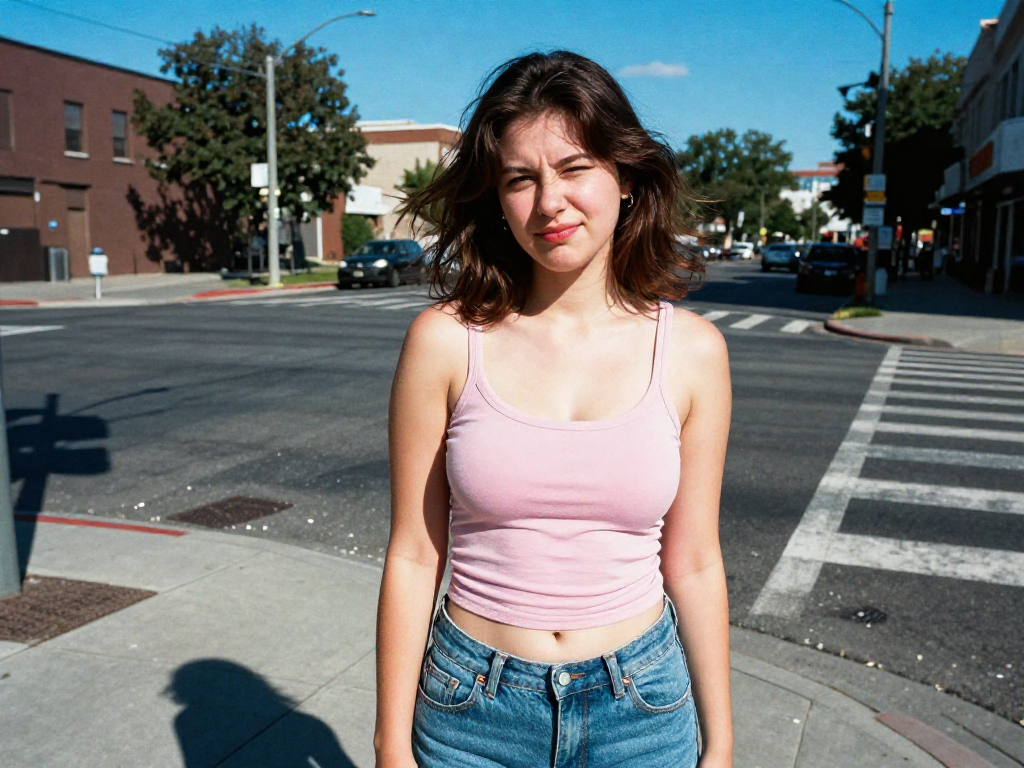
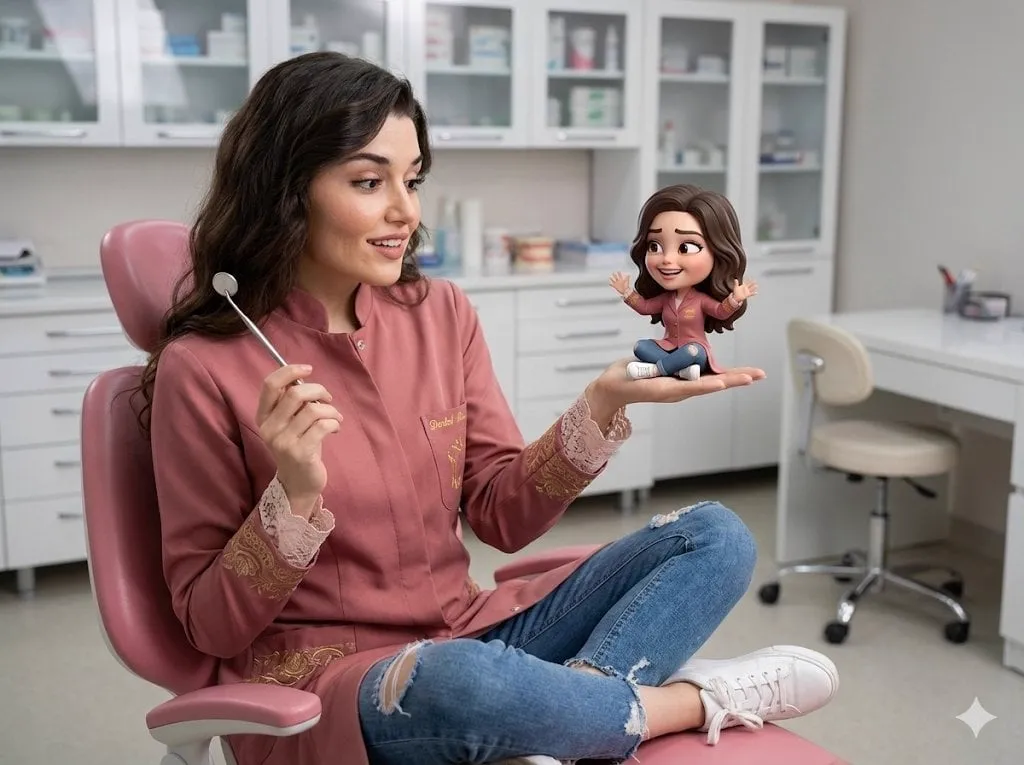
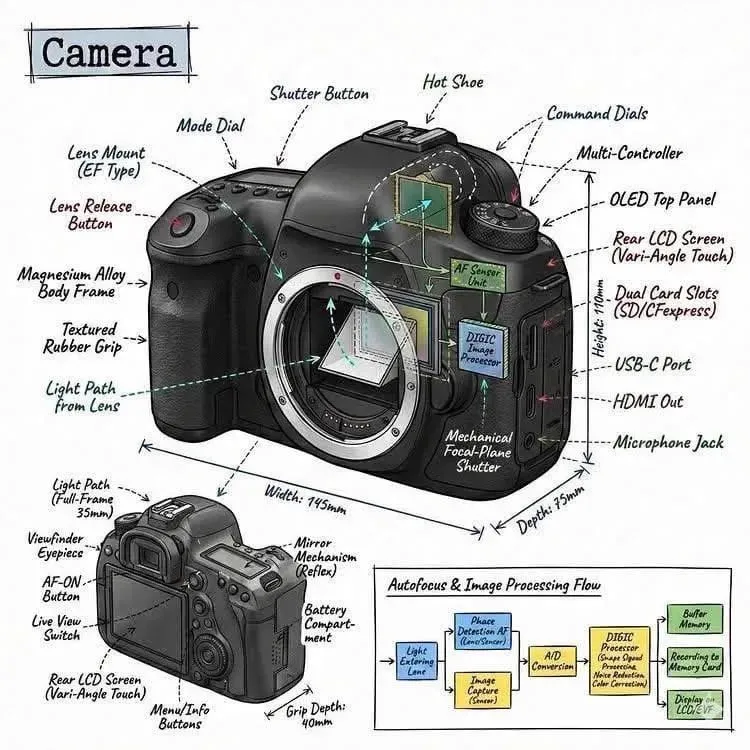
The phrase "shooting better video" used to mean camera work: aperture, shutter speed, lens choice, lighting, and blocking. In the age of generative video, the camera still matters, but most of it happens in language. You no longer adjust a physical lens; you describe the shot you want, choose a model that can deliver it, and guide the generation with prompts, reference images, and careful iteration. The creators who produce cinematic-looking AI footage are not lucky; they understand a small set of technical and compositional principles and apply them consistently.
This guide is a practical playbook for getting better, more filmic shots out of generative video tools. It covers model selection, prompt engineering as a replacement for camera settings, motion and texture control, depth of field, cross-shot consistency, audio-sync, and the workflow habits that separate professionals from hobbyists.
What "A Better Shot" Means in Generative Video
Before you can improve your shots, you need a definition of good. In traditional filmmaking, a good shot supports the story: it controls where the viewer looks, conveys emotion, and moves the narrative forward. Generative video adds a second dimension: the shot must also be technically coherent, meaning the model produces stable motion, consistent anatomy, believable physics, and a unified style across the whole clip.
In practice, a better AI shot is one that:
- has a clear subject and a clear reason for existing;
- holds visual quality across the entire duration instead of degrading halfway;
- moves with intention, whether that is a locked-off frame, a slow push-in, or a hand-held shake;
- keeps color, light, and texture consistent with the rest of the scene;
- and, when part of a series, matches the previous and next shots.
If you evaluate your outputs against those criteria, you will quickly see where your current process fails. Most failures are not random; they are caused by vague prompts, the wrong model, or a missing workflow step.
Choosing the Right Model for the Shot
Model choice is the first creative decision, not a technical afterthought. Generative video models are not interchangeable. They differ in photorealism, style bias, prompt adherence, motion quality, and cost per generation, and the right choice depends on what the scene requires.
A useful decision framework:
- Photorealistic scenes with precise lighting and color: choose a model known for strong prompt adherence and realistic rendering. Test with a small scene before committing to a long sequence, because photorealistic models also expose errors most visibly.
- Stylized or animated content: pick a model with a visible style bias toward that look. Asking a photorealistic model to imitate anime often produces uncanny results; a stylized model will be faster and more consistent.
- Character or object consistency across multiple shots: prefer models with proven consistency features, and always generate a reference first. Consistency is a property of the whole pipeline, not just the model.
- Fast iteration and high volume: use a faster, cheaper model for drafts and storyboards, then render the final shots with a premium model. This two-pass approach saves both time and budget.
Do not fall into the trap of using one favorite model for everything. A scene that needs realistic skin, a scene that needs a dreamlike atmosphere, and a scene that needs a cartoon character are different jobs. Build a shortlist of two or three models you know well, and switch deliberately.
Prompt Engineering as Camera Control
In traditional filmmaking, the director tells the cinematographer: "a low-angle shot, wide lens, subject entering frame from the left, soft morning light." In generative video, you tell the model the same thing in natural language. The skill is knowing which details the model actually uses and which ones it ignores.
The Shot Vocabulary That Works
Include these elements, in order of importance:
- Shot size and angle: close-up, medium shot, wide shot, low angle, high angle, over-the-shoulder, bird's-eye view, Dutch angle.
- Camera movement: static, slow push-in, pull-back, tracking left or right, crane up, handheld, orbit, whip pan.
- Lens and framing cues: wide-angle, telephoto compression, shallow depth of field, foreground framing, rule of thirds, leading lines.
- Lighting: golden hour, soft diffused light, hard rim light, neon glow, moonlight, studio key light, candlelight.
- Motion and behavior: what the subject does, the speed of movement, secondary motion such as hair, cloth, dust, or leaves.
- Style and mood: film grain, color grade, anamorphic look, documentary realism, dreamlike, high contrast.
A well-formed prompt reads like a one-sentence shot list: "Slow push-in on a wide shot of a runner at golden hour, telephoto compression, shallow depth of field, dust particles in the air, realistic film grain, mood of quiet determination."
What to Leave Out
Models struggle with excessive negative instructions and with contradicting demands. Instead of "do not make the hands weird, do not blur the background," describe what you want in positive terms: "sharp focus on the subject, soft blurred background." Keep the prompt under a reasonable length, lead with the most important visual element, and remove anything that does not affect the frame.
Iterating Like a Director
Directors do not shoot one take; they adjust. Treat each generation as a take:
- Generate a first pass with your best prompt.
- Inspect the result against the shot criteria from the first section: subject, coherence, motion, style, consistency.
- Change one variable at a time. If the camera movement is wrong, fix the movement and keep everything else identical.
- Keep the generations that work as references for the next attempt.
This disciplined iteration is the difference between getting a good shot occasionally and getting one reliably.
Controlling Motion and Visual Texture
Motion is the element that separates a living clip from a slideshow. Generative models have gotten much better at motion, but they still need guidance to produce movement that feels intentional.
Making Motion Feel Intentional
- Name the motion explicitly. "The character turns her head slowly toward the camera" beats "the character moves."
- Control speed with adjectives. "Slow, deliberate," "quick and nervous," "weightless and drifting."
- Add secondary motion. Cloth moving in the wind, hair shifting, dust kicked up by footsteps, leaves falling in the background. Secondary motion sells realism and fills otherwise empty frames.
- Watch the physics. Limbs bending in impossible ways, objects clipping through each other, and gravity-defying falls are the classic tells of bad generation. If a scene has complex physics, simplify the movement or use a reference video.
Texture and Fine Detail
Texture is where perceived quality lives. A photorealistic face with mushy skin reads as AI immediately; a face with visible pores, light catching the eye, and individual hairs reads as film. To push texture:
- mention surface qualities explicitly: "wet asphalt with reflections," "rough linen fabric," "weathered wood grain," "sweat on skin";
- use close-ups sparingly but deliberately, because they expose the most detail and therefore the most errors;
- check detail consistency across frames, especially in areas like hands, eyes, text, and logos, where models are weakest.
Depth of Field, Focus, and Bokeh
Shallow depth of field is the fastest way to make a generative clip look cinematic. It isolates the subject, guides attention, and mimics the look of a large-aperture prime lens.
To get reliable results:
- State the focus plan directly: "sharp focus on the face, creamy background bokeh."
- Specify the bokeh character when it matters: "circular bokeh lights," "smooth creamy blur," "swirly vintage bokeh."
- Use foreground elements to create natural depth: a blurred branch passing in front of the camera, a shoulder in the foreground during an over-the-shoulder shot.
- Be careful with focus pulls. Rack focus (moving focus from one subject to another) is impressive but error-prone in generation; if the result is unstable, split it into two shots instead.
Consistency Across Shots and Scenes
The hardest problem in generative video is not making one good shot; it is making ten shots that look like the same film. Consistency problems come in three forms: character consistency, environment consistency, and style consistency.
Character Consistency
When a character appears in multiple shots, their face, clothing, and proportions must match. The reliable workflow is:
- Generate a reference image of the character first and lock it.
- Use the same reference image in every generation that features the character.
- Keep the character description in the prompt identical across shots. Do not rephrase the outfit halfway through.
- Inspect the face in every new shot, especially eyes, hair, and any distinguishing marks.
Environment Consistency
For a multi-scene sequence, establish the location with a wide establishing shot, then keep environmental details consistent: time of day, weather, wall colors, props, furniture layout. List the fixed elements in every prompt so the model does not re-invent the room each time.
Style Consistency
Style drift happens when different shots are generated with different wording, different models, or different moods. To hold a style across a whole video:
- write a style block once, then paste it into every prompt;
- include the same color palette and lighting cues;
- do final grading in the edit, not in the generation, so minor differences between shots are smoothed out.
Matching Sound and Image
A cinematic shot does not end with the picture. Audio sells the frame: room tone, footsteps, cloth rustle, ambient wind, and a score that matches the mood. When you are building AI-generated scenes:
- generate or source ambient audio for each environment, then layer it in the edit;
- sync important sound effects to visible actions, because a gunshot, a door closing, or a hand hitting a table that lands off-beat destroys immersion;
- consider voice and dialogue carefully: match the voice's energy to the scene's energy, and leave room for natural pauses;
- use music as a storytelling tool, not a filler. A minimal score with dynamic shifts beats a constant loop.
Building a Production Workflow That Scales
Single great shots are fun; a repeatable pipeline is a business. Structure your work in stages so that you never start a premium render without a locked plan.
Stage 1: Previsualization
Write the shot list, create rough storyboards with fast models or even still images, and lock the style block, character references, and environment references. This stage catches most problems before they cost real time.
Stage 2: Draft Rendering
Render every shot at low resolution or with a fast model. Review the sequence as a whole: does the pacing work, do the transitions land, are there gaps in coverage? Replace or reshoot weak drafts now.
Stage 3: Final Rendering
Render the approved shots at full quality with the premium models. Generate each shot at least twice and pick the best take. Keep a consistent seed or reference where the tool allows it.
Stage 4: Post-Production
Edit, add audio, grade, and subtitle. Do the final color pass here so generation differences disappear under a unified look.
Stage 5: Review Metrics
Track which prompts and models produce usable shots, and how many retries each shot type needs. Over time this data tells you exactly where your pipeline wastes time.
Common Failures and Their Fixes
- Uncanny faces. Fix with better lighting descriptions, a reference image, and close inspection before rendering final.
- Floating or rubbery limbs. Simplify the action, add a reference, or cut to a different angle before the physics breaks.
- Style drift between shots. Paste the same style block into every prompt and grade in post.
- Model inconsistency. Use reference images and consistent character descriptions across every generation.
- Slow iteration. You are rendering everything at premium quality before locking the plan. Draft first, render final later.
- Mismatched audio. You are adding sound after the edit instead of designing it with the sequence. Layer ambience and effects scene by scene.
Frequently Asked Questions
How important is the model compared to the prompt?
Both matter, but in different proportions. The model sets the ceiling for realism and motion quality; the prompt decides how close you get to it. A great prompt on a weak model still looks weak; a vague prompt on a great model leaves its potential unused.
Should I always use the most expensive model?
No. Use fast models for drafts and storyboards, and premium models only for the shots that will actually appear in the final cut. This can cut costs dramatically without hurting quality.
How do I keep the same character across scenes?
Generate a reference image first, reuse it in every generation, keep the character description identical, and inspect the face in every new shot. If your tool supports it, also lock the character with the same seed.
Why do my videos look flat even with good prompts?
Flatness usually comes from missing lighting and depth cues. Add directional light, shadows, atmosphere, foreground elements, and shallow depth of field. Also check your audio: a silent edit reads as flat faster than anything visual.
Is hand-held camera shake a mistake?
No, when used deliberately. Hand-held motion adds energy and realism to documentary-style scenes. The problem is unintentional shake, which looks like a technical error.
How many retries are normal per shot?
Expect one to three retries on average, more for complex scenes with characters and physics. If you consistently need ten retries, the prompt, the model, or the reference is wrong, and iterating blindly will not fix it.
Final Thoughts
Better shots in generative video come from the same discipline that produces better shots with a camera: know what you want, control the tools deliberately, and iterate until the frame serves the story. Learn the vocabulary, build a model shortlist, lock your references, and design a workflow that keeps you from wasting renders on unplanned ideas. The models will keep improving, but the craft of directing attention with a frame will only become more valuable.
