
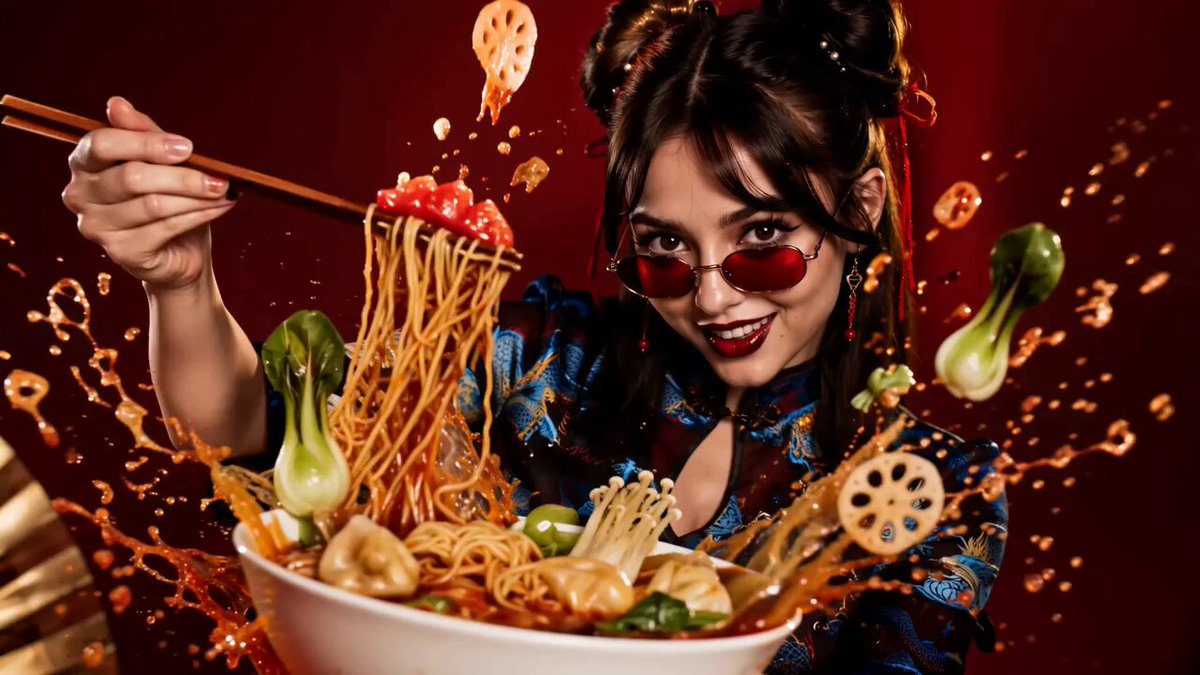
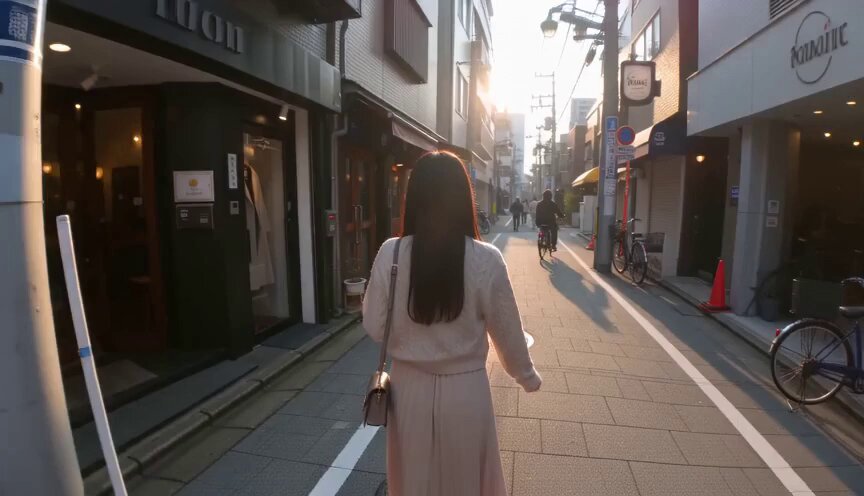
Text-to-video generation has moved from a research curiosity to a production tool that marketers, filmmakers, educators, and independent creators now rely on every week. While one high-profile model often dominates the headlines, the reality of the current landscape is far more interesting: no single generator wins at everything. Some excel at photorealistic cinematic shots, others at fast iteration, stylized animation, or physically believable motion. This guide walks through the leading families of AI video tools, explains how they differ, and gives you a practical workflow for turning a rough idea into a polished, publishable clip.
Why Looking Beyond One Model Matters
It is tempting to treat AI video as a single technology with a single frontrunner. In practice, every generator makes trade-offs among resolution, motion realism, prompt adherence, speed, cost, and creative control. A model that renders breathtaking slow-motion cinematography may struggle with hand gestures or text overlays. A fast, lightweight model that excels at social media loops may fall apart on long, complex camera moves.
Three shifts explain why the field has broadened so quickly. First, diffusion transformer architectures have made motion consistency dramatically better than the glitchy clips of a few years ago. Second, image-to-video pipelines let creators anchor a generation to a specific frame, character, or product shot, which turns video models into animation tools rather than pure lottery machines. Third, competition has driven rapid iteration cycles: new checkpoints, new motion controls, and new editing features arrive monthly, so a tool that lagged six months ago may now lead its category.
For working creators, the practical conclusion is simple: build a small toolkit instead of betting on one platform. Understanding the strengths of each model family lets you match the tool to the shot instead of forcing every idea through the same pipeline.
The Cinematic Tier: Chasing Photorealistic Motion
At the top of the market sits a cluster of models focused on cinematic, film-like output. Runway's Gen-series has been a consistent reference point here, popular with professionals for its editorial-style controls such as camera movement presets, motion brush steering, and frame-level restyling. Its strength is not just raw realism but the ability to direct a shot: you can specify a slow push-in, a lateral tracking move, or a subject holding still while the environment moves around it.
OpenAI's Sora remains the benchmark many others are measured against, particularly for long coherent shots, complex physics interactions, and scenes with multiple moving subjects. Access and generation speed have been its practical constraints, but its outputs established the quality bar that newer challengers chase.
Surrounding these flagship video engines, high-fidelity image models such as the Flux family play a supporting role that many newcomers overlook. Because image-to-video is now the most reliable way to control composition and character identity, generating a photorealistic keyframe first — with an image model that handles skin texture, lighting, and typography well — and then animating it often beats pure text-to-video for brand work, product shots, and character-driven scenes.
When to reach for the cinematic tier: hero videos, film trailers, high-end advertising, and any deliverable where a single shot must survive close scrutiny. Expect longer generation times and higher per-output costs, and plan your prompts like a director rather than a typist.
The Asian Contenders: Kling, PixVerse, and Hailuo
Some of the most competitive video generators of the past two years have come from Asian labs, and they compete on a combination of realism, motion length, and price efficiency.
Kling AI, developed by Kuaishou, built its reputation on long-form generations and surprisingly natural human motion. Clips of people walking, dancing, or interacting with objects — historically the weakest area of AI video — often look convincing. It also supports start-frame and end-frame control, which lets you define where a shot begins and ends and let the model interpolate the motion between them. That single feature turns it into a storyboard-filling machine for narrative projects.
PixVerse focuses on speed, accessibility, and stylized output. It is a strong choice for anime-inspired animation, meme-ready clips, and social content where turnaround time matters more than frame-perfect realism. Its effects templates — transformations, hugs, explosions of confetti — make it popular with creators producing trend-driven content at volume.
MiniMax's Hailuo model has earned attention for motion quality relative to its cost, handling dynamic camera moves and expressive character action with fewer artifacts than its price point would suggest. It is frequently the value pick in model comparisons: not always the absolute best at any single task, but rarely the worst at anything.
Together, these models prove an important point: geographic origin no longer predicts capability. If your mental map of AI video stops at Silicon Valley tools, you are missing some of the best motion engines available today.
Efficiency and Physics: The Pragmatic Tier
Not every project needs a cinematic masterpiece. A large share of real-world AI video work is social loops, explainer b-roll, product teasers, and concept visualizations. For this tier, iteration speed and cost per clip matter more than maximum fidelity.
Luma's Dream Machine and its Ray-series models strike a strong balance here. They generate quickly, follow prompts reasonably well, and include features like keyframe conditioning that make them usable in real production pipelines. Pika occupies a similar space, with a friendly interface and playful modification tools — inflate, melt, explode, lip-sync — that make it a favorite for stylized social content.
Physics realism deserves its own mention. Some models handle weight, momentum, and fluid behavior more believably than others. If your shot involves water, cloth, smoke, falling objects, or crowds, test these specifics before committing. A generator that nails a portrait may still render liquid as solid or make a walking character's feet slide. Experienced creators maintain a personal test suite — the same five or six challenging prompts run on every new model — so they always know which engine handles which physical scenario.
The pragmatic tier is also where you should do your experimentation. Burning premium model time on rough drafts is wasteful; block out your shots on a fast, cheap generator, then re-render the winning ideas at full quality.
How to Choose: Seven Decision Criteria
With a dozen credible options, selection becomes the core skill. Work through these criteria for every project:
- Shot complexity. Single subject, simple background, moderate motion: most tools will work. Multiple interacting characters, complex camera choreography, or long continuous takes: move up to the cinematic tier.
- Human performance. If people are the focus — faces, hands, dialogue-adjacent motion — prioritize models known for human fidelity, and strongly consider image-to-video with a controlled keyframe.
- Style requirements. Photorealism, anime, claymation, or graphic flat styles each favor different engines. Check recent community showcases on the model's official feed rather than relying on launch demos.
- Controllability. Do you need a specific start frame, a defined end frame, motion limited to one region of the frame, or a consistent character across shots? Rank tools by the control features you actually need: keyframe conditioning, motion brush, camera presets, reference images.
- Iteration economics. Estimate shots per project and versions per shot. A model that is 30 percent cheaper per generation but needs four times as many attempts is the expensive one.
- Length and continuity. Most models produce four to ten second clips. If you need longer sequences, plan for shot-stitching from the start: design cuts, match lighting across generations, and use last frames as next-shot first frames.
- Rights and licensing. Commercial usage terms differ across platforms. Read them before client work, not after.
A useful exercise: score your top three candidate models one to five on each criterion for the specific project at hand. The highest weighted total, not the most famous name, should win the job.
From Prompt to Publish: A Practical Workflow
Treat AI video generation like any other production discipline. A reliable workflow looks like this:
Step one: shot list before prompts. Write the video as a sequence of shots, each with subject, action, camera move, lighting, and mood. A prompt is just a shot description; shots described clearly get generated clearly.
Step two: keyframe generation. For controlled scenes, create still keyframes first. Use a strong image model to establish composition, character identity, and lighting. Fix the still image now — it is far cheaper to iterate on an image than on a video.
Step three: animate. Feed keyframes into your chosen video model with motion instructions. Describe camera movement explicitly: slow dolly-in, handheld sway, static tripod with subject motion only. Vague motion language produces vague results.
Step four: selective regeneration. Generate two or three takes per shot, pick winners, and regenerate only failures. Change one variable per retry — motion strength, prompt phrasing, or seed — so you learn what actually caused the improvement.
Step five: stitch and grade. Assemble clips in your editor. Apply a unified color grade across all generations; even clips from the same model vary slightly in tone, and a shared grade is the fastest way to make a sequence feel intentional.
Step six: audio and finishing. Add sound design, music, dialogue, and captions. AI video without sound design reads as unfinished; even simple ambient layers and foley dramatically raise perceived production value.
This workflow scales from a single social clip to a multi-scene narrative. The principle is constant: push decisions to the cheapest stage possible, and spend premium generation capacity only on shots you already know you want.
Advanced Control Techniques
Once the basics feel comfortable, several techniques separate amateur output from professional results.
Image-to-video as your default. Pure text-to-video is a discovery tool. For anything with a defined look, generate or source a keyframe first. This applies double for brand work, where the product, logo, or palette must be exact.
First-and-last-frame interpolation. Many models accept both a start and an end frame. Give them two stills — character at the door, character at the window — and the model invents the traversal. This is the most dependable route to controlled narrative motion.
Character consistency across shots. To keep one character recognizable through a sequence, reuse the same reference image, keep wardrobe and lighting descriptions identical in every prompt, and prefer models offering explicit character or reference conditioning. Accept that some variance will remain and design shots that forgive it: wider framing, motion, and grade hide small identity drift.
Camera language. Borrow real cinematography vocabulary. Dolly, pan, tilt, crane, rack focus, and orbit are understood by the strongest models. Pair one camera move with one subject action per prompt; stacking five movements into a single clip usually produces mush.
Negative guidance and motion settings. Where supported, state what you do not want — warped hands, morphing faces, text artifacts — and tune motion strength deliberately. High motion strength creates energy but increases artifact risk; low motion strength is safe but can look like a still image with a filter.
Common Mistakes That Waste Time
Prompting like a novelist instead of a director. Long, flowery paragraphs underperform against structured descriptions: subject, action, environment, camera, lighting, style. Keep the structure, vary the content.
Skipping the test phase. Running an unfamiliar model on a paying project without a pilot batch is the most expensive error in this field. Always run a three-shot test before committing a full storyboard.
Chasing one perfect generation. Creators sometimes burn dozens of attempts on a single impossible shot — complex text on screen, precise hand choreography, real branded products. When a shot resists after five or six attempts, change the shot, not the prompt. Composite the element in post-production instead.
Ignoring shot-to-shot continuity. Each generation is its own universe. If lighting direction, color temperature, or lens character jumps between shots, the sequence collapses even if every clip is individually beautiful. Lock your visual language in the keyframe stage.
Forgetting sound. Silent AI footage exposes every imperfection. Budget time for audio; it is the cheapest quality multiplier in the pipeline.
Frequently Asked Questions
Do I still need traditional video skills? More than ever, actually. Framing, pacing, editing, color, and sound determine whether AI clips feel professional. The generator replaces the camera, not the craft.
Which model is best for beginners? Start with a fast, affordable option such as PixVerse, Pika, or Luma. Learn prompt structure and shot planning there, then graduate to cinematic-tier models when a project demands them.
Can AI video be used commercially? Usually yes, but terms vary by platform and subscription level. Verify the license for your plan before shipping client work.
How long can AI videos be? Most models generate clips in the four-to-ten second range. Longer pieces are built by stitching shots — which, notably, is exactly how live-action editing works anyway.
Is text-to-video or image-to-video better? For exploration, text-to-video. For controlled, repeatable, brand-safe output, image-to-video with strong keyframes wins in most professional pipelines.
What hardware do I need? For cloud-hosted generators, a normal computer and a stable connection suffice. Local open-source pipelines need serious GPU capacity and tolerance for setup complexity.
Final Thoughts
The era of one dominant video generator is over, and that is good news for creators. Cinematic powerhouses, agile Asian challengers, and efficient pragmatic tools each own a slice of the workflow. The winning approach is not loyalty to a single platform but fluency across a small toolkit: plan shots like a director, anchor them with keyframes, choose the engine that fits each shot's demands, and finish with the editing and sound craft that no model provides. Creators who develop that system — rather than chasing every headline — are the ones turning generative video from a novelty into a dependable production advantage.
