
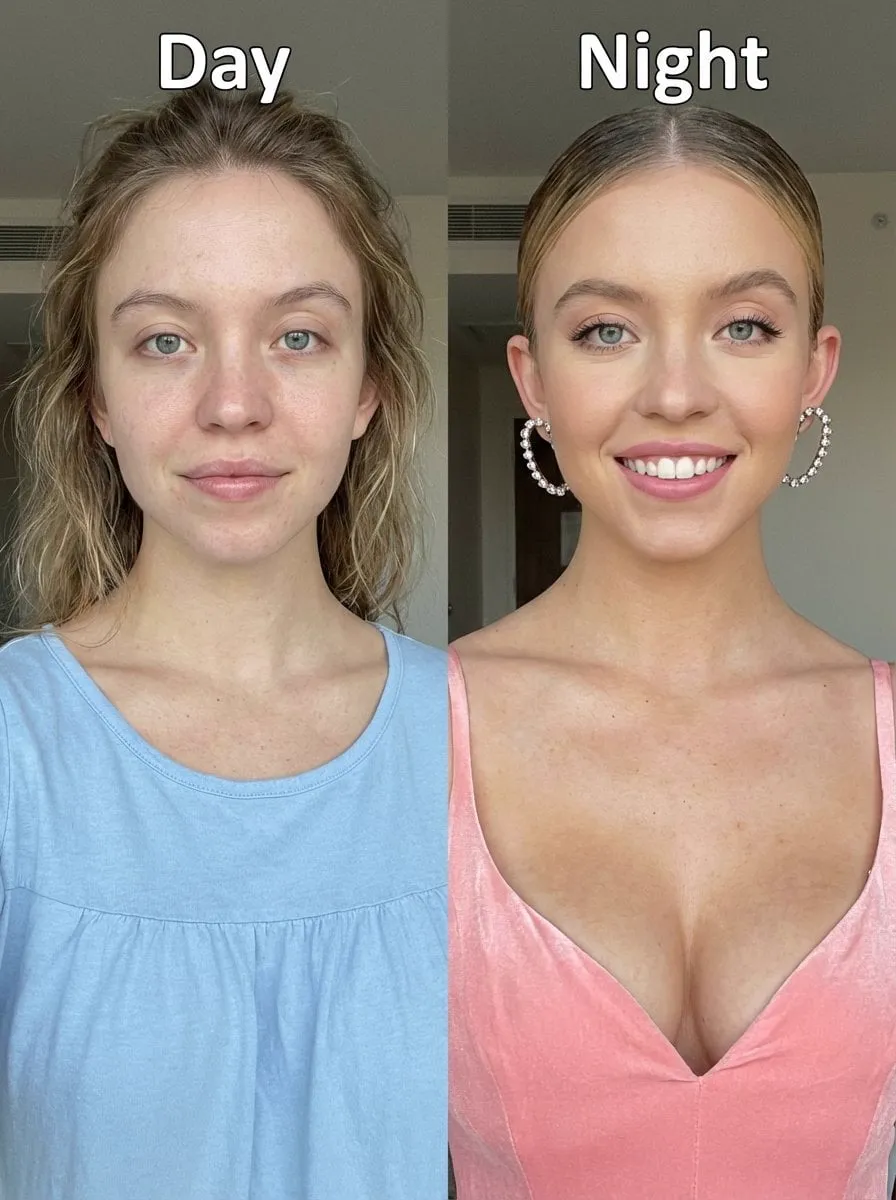

The demand for good-looking video is not the hard problem anymore. The hard problem is keeping the same face, the same voice of design, and the same visual behavior from one scene to the next. In the short-form video world that dominates digital content, creators who build serialized stories keep hitting the same wall: their starring character does not survive contact with a second scene.
A 2025-era industry survey put a number on it: a large share of professional creators struggle to maintain visual cohesion when producing narrative series with generative tools. The fix that keeps gaining ground is multi-image reference merging. Instead of describing a character in words and hoping for the best, you hand the model a small set of images that define who the character is, and the model locks that identity into every following shot.
This article walks through the mechanics of that approach, how to set up a reusable reference profile, and how to keep storytelling coherent across scenes and motion types.
Understanding the Anatomy of a Stable Character
A stable character is not a single image; it is a bundle of traits that survive change. That bundle splits into two halves.
The identity layer holds the features that must stay constant: facial structure, hair, skin tone, silhouette, a signature accessory, or a brand color. The expression layer holds what is allowed to change: posture, emotion, wardrobe swap, lighting, and camera angle.
Mature character systems explicitly separate these two layers. The identity layer is stored as a reference signature and reused verbatim. The expression layer is left free for the generation model to vary, so the video never feels like a frozen screenshot. When you build a character, your goal is to define the identity layer precisely and leave the expression layer open.
How Multi-Image Reference Merging Works
Multi-image merging is the act of letting several reference images vote on what the character looks like. The pipeline typically follows five steps.
Curate the set. Gather four to eight clear images of the character from different angles, in consistent lighting, with no heavy filters, and no mixed art styles.
Extract stable traits. The system compares the images and finds the features that repeat: face geometry, eye color, hairline. Repetition is the signal.
Discard noise. Transient features that appear in only one image, such as a specific sneeze or a single dramatic shadow, are set aside so they cannot pollute the identity.
Build the signature. The surviving traits are compressed into a compact, reusable reference profile that represents the character independent of any single photo.
Attach and generate. That profile travels with every generation request, so each scene inherits the same identity, even when models change.
Building Your First Reference Profile
You can build a reliable reference set without special equipment. Use these ground rules.
Start with consistent lighting. Shoot or gather images where the light direction is similar. If one reference is backlit and another is front-lit, the model may try to fuse two different faces.
Cover the angles. Include a frontal view, a three-quarter view, a side profile, and at least one image that shows the waist up rather than just a tight face crop.
Keep the subject recognizable. The face should occupy enough of the frame to be read as the dominant feature in every shot.
Match the target style. If your series is photorealistic, use photorealistic references. If it is animated, use images from that same animated universe. Mixing styles confuses trait extraction.
Avoid duplicates. Five near-identical frames add nothing. Diversity of pose matters more than raw count.
Once the set is ready, most tools give you a way to review what was extracted. Check that the diagnostic shows the traits you care about and none you do not. Fix the reference set before you generate rather than after.
Reusing One Character Across Scenes
The payoff appears the moment you reuse the profile. Here is the practical sequence.
Generate a controlled first scene. Keep it simple: a single character, neutral background, natural motion. This is your calibration shot.
Inspect the face closely. Zoom in on eyes, hairline, and the outline of the jaw. Compare it against your mental model of the character.
Lock the profile once it looks right. Good systems persist the profile so you can retrieve the same character next week without rebuilding it.
Add complexity gradually. Introduce movement, new clothing, different cameras, and richer sets one change at a time. If the character drifts, roll back the most recent change before pushing further.
Grade at the end. Independent shots rarely share the exact same white balance. A consistent grade over the final renders unifies everything visually.
Maintaining Story Consistency Beyond the Face
Character fidelity is about more than a matching face. Plot continuity relies on three additional pillars.
Location memory. If a character enters a room in scene one, they should exit a room that resembles it in scene three. Keep your environment references as disciplined as your character references.
Prop consistency. A character who carries a distinctive bag in episode one should carry the same bag in episode ten. Document signature props in the same reference set you maintain for the character.
Tonal continuity. An emotional arc falls apart if scene three is lit like a comedy and scene seven like a thriller. Lock the lighting style and grading per series, not per clip.
Tools and Decisions That Make or Break the Workflow
Not every tool treats references the same way. When you compare them, weigh these criteria.
Persistence. Can the character be saved and recalled later, or must you re-upload images for every job? Persistence is the difference between a boutique trick and a production workflow.
Multi-model compatibility. Can the same profile be applied to a realism model, a stylized model, and a cinematic model? Cross-model consistency is what makes a series feel unified despite changing aesthetics per scene.
Interpretation preview. Does the tool show you what it thinks it learned? A preview lets you correct mistakes at the reference stage, which is ten times cheaper than fixing outputs.
Batch behavior. If you want a six-scene episode, can you generate under one consistent reference the whole way through, or do you need to babysit each clip?
Common Mistakes and How to Fix Them
Weak references produce strong drift. Fix poor image quality before anything else.
Fused styles distort identity. Keep every reference in the same aesthetic language.
Too-tight crops remove context. The model needs surroundings to understand where the character lives in space. Include waist-up or full shots.
Skipping calibration wastes time. One cheap controlled test scene catches problems that would otherwise surface across a whole series.
Editing references destructively. Over-cropping or over-filtering reference images teaches the model to reproduce the artefact instead of the person.
Advanced Techniques for Tougher Scenes
Once you master the basics, a few advanced techniques extend your control into harder territory.
Controlling expressions without losing identity. Freeze the identity layer and vary only the expression layer is an important discipline. If you want a happy scene and then an angry scene, keep the face geometry and lighting constant while prompting only for the change in emotion. This keeps both shots unmistakably the same character even when the mood flips.
Partial identity locking. Not every project needs a full character lock. Sometimes you only need to hold a single trait, such as a specific hairstyle, a distinctive item of clothing, or a signature color. Lock just that trait and leave the rest free. This is cheaper and more flexible than a full character profile, and it is ideal for product shots or stylistic pilots.
Building ensemble scenes. When several characters appear together, lock each one individually and then combine them. The discipline is the same per character, but you also need to keep their relative scales and heights consistent so the ensemble does not look unnatural. Generate a reference frame with both characters present before splitting them into separate clips.
Structuring a Narrative Around a Stable Protagonist
A consistent character unlocks serialized storytelling, which changes how you plan content. Build the story around what the stable identity makes possible.
Keep the character's arc in the writing. If the audience can recognize the protagonist from the first frame of every episode, you can raise the stakes over time without confusing anyone. The recognition is the anchor for all the change that happens around them.
Use the identity as a hook. A recognizable recurring character becomes a draw in its own right. Audiences return for the character as much as for the plot. Over several episodes, that compounds into a following that tracks the whole series rather than individual clips.
Plan scenes in batches. Because the identity is reusable, plan several scenes that reuse the same reference set before exporting them. This reduces the number of times you rebuild the profile and keeps quality consistent across the batch.
A Checklist for Production Consistency
Before you publish a series built on a locked identity, run through a short checklist.
Is the calibration shot verified? Did you check the face, hairline, and palette against your intent before generating beyond the first scene?
Is the identity stored and versioned? Can you recover the exact profile later without rebuilding it from memory?
Are environment references as disciplined as character ones? Do recurring locations and props match from scene to scene?
Is the grading applied at the end? Do independently generated shots share one white balance and tonal curve?
Is the tonal arc respected? Does the lighting and mood of each episode match the emotional stage of the story, not fight it?
Building a Reusable Character Library
Over time, a production gains from keeping a library of characters rather than rebuilding each from scratch every project.
A character library stores each reference profile, its extracted identity signature, and notes on what it can and cannot do reliably. When a new project needs a known character, you pull the stored profile instead of re-uploading and re-extracting. This is especially valuable for recurring brand mascots or a creator's own avatar.
Version the library. When a character's look evolves, save the new version rather than overwriting the old. Document what changed so you can roll back or explain a deliberate alteration. A well-kept library turns character consistency from a per-project effort into a durable asset you can reuse, license, or share across a whole body of work. Once your library is established, onboarding a new collaborator or a new tool becomes far simpler, and you spend your creative energy on the characters themselves rather than on rediscovering how to represent them. A documented archive also makes it easy to audit which traits come from which project, so decisions about a character remain intentional and traceable long after the original files have moved on.
Frequently Asked Questions
How many reference images do I need?
Four to eight well-chosen images beats twenty sloppy ones. Prioritize angle variety and consistent lighting over raw count.
Can I mix different art styles in my references?
No. Mixed styles will make the model invent a compromise identity that matches neither. Keep the style of references consistent with your target output.
Will my character look identical in every single frame?
Very close, but not pixel-perfect under extreme distortion or dramatic lighting. The goal is recognizable consistency, not frame-by-frame cloning.
Can I reuse a character across different narrative projects?
You can, and it is a good idea for brand or creator avatars. A stable recurring identity is exactly what audiences recognize and follow.
Final Thoughts
Building consistent video characters with multi-image reference merging is not a single trick; it is a system. Curate a coherent reference set, extract and lock the identity, calibrate before you commit, and grade at the end. Do those four things consistently and you move from generating isolated clips to producing series that people actually follow character by character.
The tools will keep improving, but the underlying discipline will not change. Lock the identity in the data, leave the expression free, and the story takes care of itself.
