



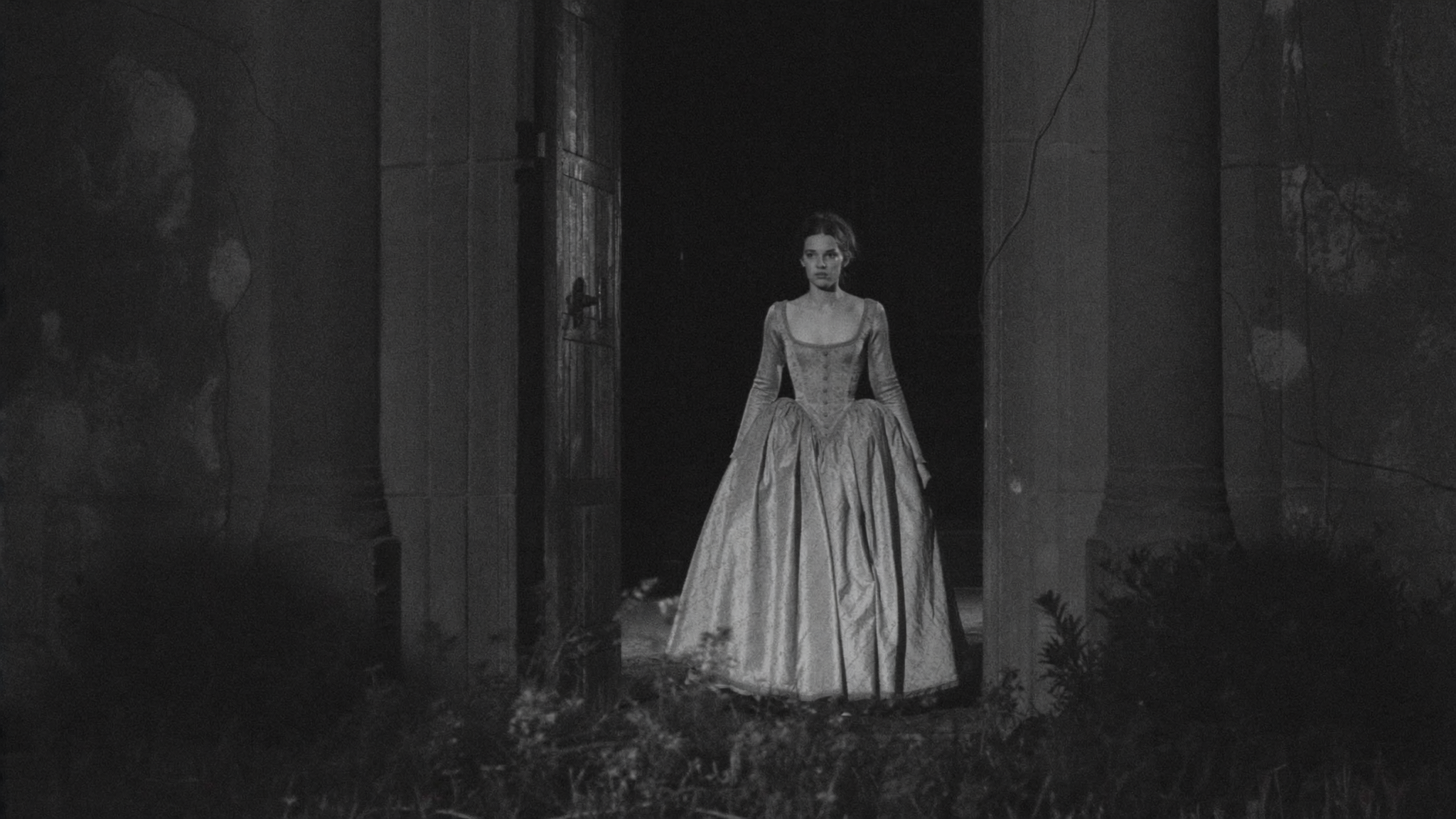
The first AI video looks amazing. The second one features a character who is clearly the same person, except the hair is different. By the third, the costume has changed color, and by the fifth, it is a stranger with the same name. This is the consistency problem, and it is the wall between one-off AI videos and actual series, campaigns, and brands.
Audiences are unforgiving about continuity. In a single video, a small drift is a glitch. Across a series, drift destroys trust, and viewers stop recognizing the character, which means the character stops being an asset.
This tutorial explains how to solve the problem with the tools available today: building a strong reference set, using multi-image fusion to carry identity into new shots, controlling style and lighting changes, and turning a consistent character into a brand.
Why consistency is the real bottleneck
Generating a beautiful image is easy now. Generating the same character across ten different scenes, angles, and moods is the hard part. Every generation starts fresh; without anchors, the model invents details each time.
The consequences are practical. A brand that wants an AI mascot cannot ship a mascot whose face changes every ad. A creator making a series cannot build an audience around a character that is unrecognizable in episode three. An agency pitching a storyboard cannot sell a vision if the characters in the frames are different people.
Consistency is not a luxury polish. It is the feature that determines whether AI video is a toy or a production tool.
Building a reference image set
Everything starts with references. The model needs to know who the character is, and the character is defined by a small set of images that capture identity.
A good set covers the basics:
- Front-facing portrait with neutral expression: the identity anchor.
- Full-body shot: proportions, silhouette, costume.
- Profile or three-quarter view: nose, jaw, hairstyle.
- One or two expressive shots: smiling, serious, or action poses.
- Detail shots of anything distinctive: a scar, a logo, a signature accessory.
Three to seven images is the practical range. Fewer risks losing identity; more starts to confuse the model with conflicting details.
The references must agree with each other. If one image shows short hair and another shows long hair, the model will compromise into something odd. Shoot or generate the set in a consistent style: same lighting direction, same level of realism, same palette.
How multi-image fusion works
Multi-image fusion is the technique of merging several reference images into a single identity encoding that gets applied to new generations. Instead of describing the character in text every time, the fusion step extracts the stable identity from the references and carries it into the shot.
Think of it as building a character sheet: face, body, costume, and signature details are locked, and the model is told to render this identity in a new pose, angle, or setting.
The quality of the result depends on the references more than the model. Clean, consistent, high-resolution references produce stable identities. Blurry, clashing, or low-quality references produce drift no matter how good the generator is.
Handling camera angle and lighting changes
A character is consistent only if the identity survives changes in how they are seen. The failure modes are predictable:
- Angle changes distort the face if the reference set lacks three-quarter views.
- Lighting changes wash out or recolor the costume if the references are all shot in one light.
- Motion breaks identity if the character is only defined by still images.
The practical fixes:
- Include references from multiple angles, especially the angles your shots will use.
- Vary the lighting in the reference set: one bright, one moody, one neutral.
- Generate intermediate reference images for states the character will enter, like a costume change or a time skip, before using them as anchors.
- For motion, start from a strong still reference and use image-to-video rather than asking text-to-video to invent the character from scratch.
The rule of thumb: never make the model guess. Every meaningful change in the character's appearance should be represented in the reference system before you generate.
The shot-by-shot workflow
A repeatable workflow for a multi-scene project:
- Define the character: name, role, personality, visual identity.
- Build the reference set: generate or collect the anchor images.
- Validate the set: generate one test shot per angle and lighting you plan to use. Fix drift before production.
- Lock the identity: save the encoding or fusion preset as the character's canonical profile.
- Generate scene by scene: use the same references and the same style keywords for every shot.
- Review in sequence: watch the shots as a series, not as singles. Drift is visible only in comparison.
Step three is where most projects save or waste time. An hour of validation at the start prevents days of regenerating broken shots later.
Using consistency for a story, not just a face
A consistent character is a storytelling asset, and the payoff comes when the character carries a narrative across episodes.
Plan the character arc the way you would for a live-action production: how does the appearance change as the story progresses? A time skip needs an intermediate reference. An injury needs a variant. A costume change needs its own anchor.
The same discipline applies to secondary characters. If a series has a sidekick, the sidekick needs a reference set too, and the sets must be mutually consistent: two characters in the same scene should not drift into each other's style.
For brands, the consistent character becomes a mascot with recognizable value. The same face, voice, and personality across ads, tutorials, and social content builds recognition that compounds with every appearance.
Turning a character into a brand asset
Once the character is stable, it can live beyond a single video:
- A series or webtoon with recurring episodes.
- A brand mascot used across product pages and campaigns.
- A spokesperson for tutorials and explainers.
- A community figure that interacts with followers.
The asset value depends on the rules you set. Document the character bible: appearance, personality, voice, what it would and would not do. The bible keeps the character consistent even when different people or tools produce the content.
Ownership matters here. If the character was generated on a platform, check the terms about commercial use and rights before building a brand around it. The character is only an asset if you have the rights to it.
Common pitfalls and fixes
Drift that gets worse over time. Fix: return to the original reference set and regenerate from it instead of iterating on drifted outputs.
References that fight each other. Fix: curate the set ruthlessly. Remove any image that contradicts the identity you want.
Over-describing in prompts. Fix: let the fusion carry the identity; keep prompts focused on the scene, action, and mood.
Generating characters from text for every scene. Fix: always start from a reference image or fusion preset. Text alone cannot hold identity across shots.
Skipping sequence review. Fix: watch all shots together before declaring the project done. Consistency is a property of the series, not of any single image.
Voice and personality: consistency beyond pixels
Visual identity is only half of a character. The other half is voice, personality, and behavior, and audiences notice inconsistency there just as quickly as they notice a changed face.
Define the character's voice in a short bible: tone, vocabulary, catchphrases, what they find funny, what they never say. If the character appears in voiceover, keep the same voice across episodes; if the character speaks on screen, keep the speech style consistent even when the visuals are generated separately.
Behavioral consistency matters in the visuals too. A nervous character should carry the same posture and gestures across scenes. Put those behavior notes in the prompts: "stands with crossed arms, avoids eye contact" is a character instruction, not just a pose description.
The bible is also the tool that lets other people produce the character. When the work scales, whether through collaborators or through more efficient tools, the document is what keeps the character recognizable.
Setting up a character for a series
A series changes the rules. Instead of one-off shots, you need a production system.
- Episode style guide: colors, lighting, and composition rules that stay fixed across episodes.
- Costume and environment references for every recurring location and outfit.
- A shot vocabulary: which angles and framings belong to which characters, so the visual language stays consistent.
- An episode checklist: validate identity, style, and continuity before each episode ships.
The checklist is the practical tool. Before releasing an episode, run the frames through the same validation you ran at the start: character identity against the reference set, style against the guide, and continuity against the previous episode. The checks take minutes and prevent the drift that kills series.
Also plan the pipeline's capacity: generating a full episode requires batching, queue management, and a budget for iterations. Estimate the generation count per episode before you start, and reserve the premium models for the shots that carry the story.
Monetizing a consistent character
A character that stays recognizable is a marketable asset. The realistic paths:
- Sponsorships and branded content: brands pay for characters with an audience, and consistency is what keeps the audience attached.
- Merchandise and licensing: a stable visual identity is the prerequisite for products, stickers, and licensing deals.
- Series and memberships: viewers follow characters, not just clips. A consistent character justifies a subscription or a paid series.
- Training and templates: if your character pipeline is good, it can itself become a product for other creators.
Every path depends on the same foundation: the audience can recognize the character at a glance. That is why the technical work of references and fusion is not a detail; it is the business model.
Working with a team
When more than one person produces the character, the reference set is not enough. Write the rules down: file naming, reference versions, prompt templates, and the validation checklist. Version the character's identity file so changes are deliberate rather than accidental. A team without documentation will drift in different directions within weeks.
The review step becomes a team ritual: watch every new episode's shots together against the previous episode. Two pairs of eyes catch continuity breaks that one person's familiarity will miss.
When to regenerate the character
Characters are not static. A redesign can breathe new life into a series, but it must be a decision, not an accident. When you redesign, rebuild the reference set from scratch, validate the new identity across angles and lighting, and announce the change to the audience. A deliberate redesign is content; an accidental one is a bug.
FAQ
How many reference images do I need?
Three to seven per character, covering front, full body, profile, and key expressions or details. Quality and agreement matter more than quantity.
What if my character still drifts?
Go back to the references. Check that they agree with each other, that the style is consistent, and that the shots you are generating match the reference angles. Validate one shot per new condition before generating the batch.
Can I change a character's look mid-series?
Yes, if you create an intermediate reference for the new state. A time skip, injury, or costume change needs its own anchor before you generate scenes in that state.
Do I need a powerful computer?
The generation itself runs in the cloud; your computer just needs to run the interface. Local rendering tools may need a decent GPU, but the cloud path is the common one.
Is a consistent AI character commercially usable?
It depends on the platform terms and on the source material. Check the rights for generated content and for any real person whose likeness might be involved. When in doubt, get it in writing.
Conclusion
Character consistency is the skill that separates AI video experiments from AI video productions. It is not about a clever prompt; it is about a system: a curated reference set, a locked identity, validated angles and lighting, and a workflow that reviews the series, not the singles.
Start with one character and a two-scene test. Build the references, validate the set, generate both scenes, and watch them together. The moment the character survives the transition from one scene to the next, you have crossed the line from generating clips to telling stories.
