
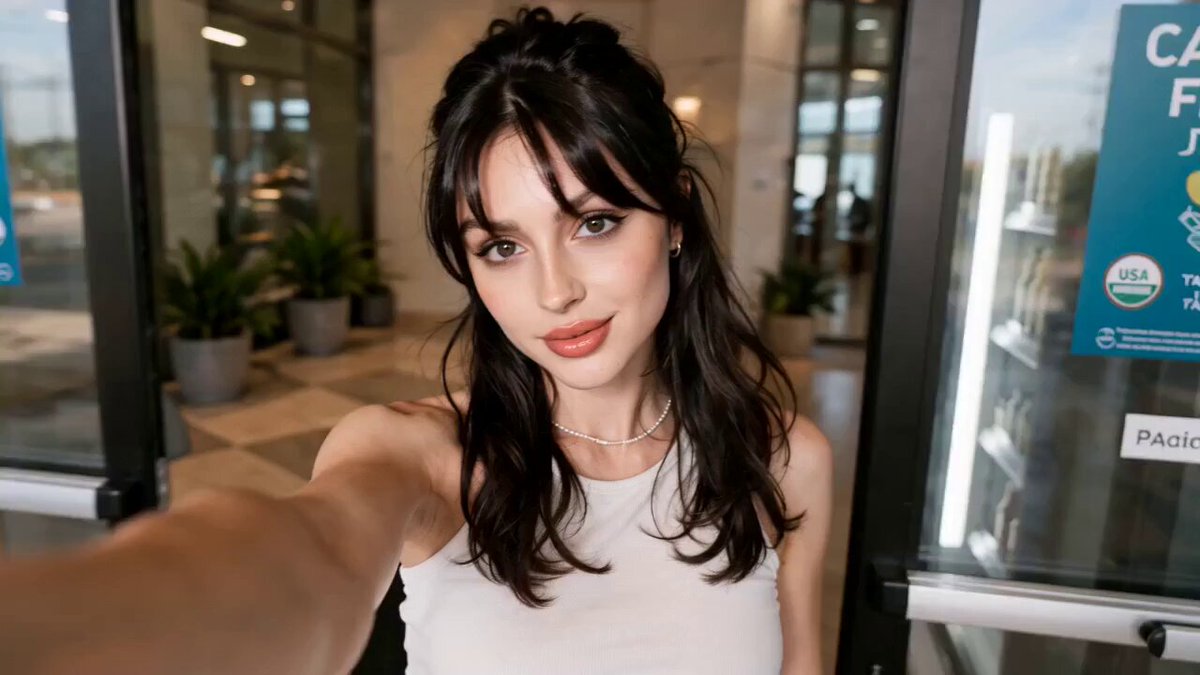

Short vertical video is where attention lives right now, and AI has quietly removed most of the excuses for not publishing consistently. You no longer need a camera crew, a studio, or expensive editing software to produce reels that people actually watch to the end. What you do need is a repeatable workflow that combines free generation tools, smart scripting, and disciplined editing.
This guide walks through that workflow end to end: choosing your tools, planning a reel that hooks viewers in the first three seconds, generating visuals with text-to-video and image-to-video techniques, adding voiceover and captions at zero cost, editing for pacing, and publishing with platform-specific adjustments. By the end, you will have a system you can run weekly, not just a one-off experiment.
Why Short-Form Video Rewards an AI-Assisted Workflow
Short vertical videos differ from longer content in one fundamental way: retention is everything. Algorithms on Instagram, TikTok, YouTube Shorts, and Facebook all weigh how much of your video people watch. A 20-second clip watched to 90 percent beats a 60-second clip abandoned at the halfway mark, every time.
That changes what production quality means. Viewers forgive imperfect visuals if the pacing is tight and the idea is clear. What they do not forgive is a slow start, muddy audio, or a video that rambles past its natural ending. These are exactly the problems AI tools handle well:
- Script drafting tools help you compress an idea into 60 spoken words or fewer.
- Text-to-video generators create B-roll and establishing shots without a camera.
- Image-to-video tools animate a single still frame into subtle motion, which is often all a reel needs.
- Auto-captioning in free editors like CapCut or DaVinci Resolve burns in readable subtitles in minutes.
- AI voiceover generators give you clean narration without a microphone.
The economics matter too. When producing one reel costs an evening instead of a week, you can test far more ideas, and volume of tested ideas is what actually teaches you what your audience responds to.
Building Your Free AI Toolkit
You do not need a paid subscription anywhere to complete this workflow, though most AI video services offer free tiers with limits. Plan around those limits rather than fighting them.
Generation Tools
For text-to-video, look at the free tiers of Runway, Pika, Luma Dream Machine, and Kling. Each grants a small number of generations per day or month. Their strengths differ: Runway tends to give the most control over camera movement, Pika is forgiving for stylized and animated looks, Luma produces smooth realistic motion, and Kling handles longer, more coherent clips. Rotate between two of them and your free capacity doubles.
For image-to-video, the same platforms usually accept a still image as the starting frame. This is the single most valuable technique for beginners, because you control the composition exactly and only ask the model to add motion.
For still images that feed into those video tools, free options include Microsoft Designer (powered by DALL·E), Ideogram (strong with text inside images), and Stable Diffusion running locally if your computer can handle it. Leonardo.ai offers a daily free allocation that resets, which is enough for several reels' worth of frames per week.
Assembly and Editing Tools
- CapCut (desktop or mobile): free, fast, has auto-captions, templates, and transitions built in. It is the default choice for most short-form creators.
- DaVinci Resolve: free professional editor with a steeper learning curve but far more control, useful once you outgrow templates.
- Canva: good for title cards, end frames, and simple animated graphics you can export and drop into your edit.
Audio Tools
For voiceover, ElevenLabs has a small free monthly allocation that sounds convincingly human. TTSMaker and built-in voices in CapCut are genuinely free alternatives with acceptable quality for short reels. For music, use each platform's built-in licensed sound library rather than external tracks, because trending audio directly affects distribution on TikTok and Instagram.
A practical starter stack looks like this: Ideogram for frames, Luma or Pika for motion, CapCut for editing and captions, and a free voice tool if you prefer not to record yourself. Total cost: zero.
Planning the Reel Before You Generate Anything
The most common failure with AI video is generating beautiful footage with no story. Write the script first, always.
The Three-Part Skeleton
Every effective reel, regardless of niche, follows this shape:
- Hook (0–3 seconds): one visual plus one line that creates curiosity, tension, or a promise. "You've been editing reels the slow way" is a hook. "Here is my workflow" is not.
- Payoff (3–20 seconds): deliver the substance in short beats. Three beats maximum for a 30-second reel.
- Closer (final 2–3 seconds): a clean ending line plus either a follow prompt or a loop. Loops, where the last frame flows back into the first, quietly inflate your watch time because viewers rewatch without noticing.
Writing for Spoken Length
Narration runs at roughly 150 words per minute, so a 30-second reel holds about 75 words. Write the script, read it aloud with a timer, and cut ruthlessly. AI voice tools make every extra sentence sound expensive in watch time.
Here is a worked example for a 25-second travel-themed reel:
- Hook: "This city doesn't exist — and I built it in ten minutes." (visual: aerial AI shot of an impossible coastal city)
- Beat 1: "One text prompt gets the establishing shot." (visual: wide slow pan)
- Beat 2: "A single still image becomes a moving scene." (visual: image-to-video street level clip)
- Beat 3: "Free captions and trending audio do the rest." (visual: close-up with burned-in captions)
- Closer: "Full prompt formula in the comments." (loop back to the aerial shot)
That script tells you exactly how many clips to generate: four. No more. Knowing the clip count before you open a generator is what keeps free-tier limits from becoming a wall.
Generating Visuals: Prompts That Actually Work
Text-to-video models respond to structure far more than to length. A good prompt specifies the subject, the action, the camera move, the lighting, and the style, in that order.
Weak prompt: "beautiful city at sunset"
Strong prompt: "aerial drone shot slowly pushing forward over a coastal city at golden hour, warm orange light on white buildings, cinematic, photorealistic"
The second version tells the model what to show, how to move, and how it should look. Three rules improve almost any prompt:
- One camera move per clip. "Pushing forward" or "panning left," not both. Models handle single motions much more reliably.
- Name a lighting condition. Golden hour, overcast, neon night, soft studio light. Lighting is half the perceived production value.
- Keep human subjects simple. Faces and hands are still where models stumble. Wide shots, silhouettes, back-of-head angles, and hands doing simple tasks work far better than close-up dialogue scenes.
Image-to-Video for Control
When a text-to-video result misses your composition, switch to image-to-video. Generate or find the exact frame you want as a still image, upload it, and prompt only the motion: "slow zoom in, gentle parallax, clouds drifting." Because composition is locked, your failure rate drops dramatically, and each generation attempt counts against fewer free allocations.
Character Consistency Across Clips
If your reel features the same character or product in multiple shots, consistency is the hard part. Three free techniques help:
- Reuse the same reference image as the starting frame for every clip, changing only the motion prompt.
- Keep descriptions identical verbatim across text prompts — same clothing, same colors, same descriptors, word for word.
- Cut around faces. Editing between wide, medium, and detail shots hides the small differences between generations that a face-to-face cut would expose.
Style consistency matters as much as character consistency. Add the same style suffix to every prompt in a reel — for example, "shot on 35mm film, muted colors" — so the finished edit feels like one piece rather than five demos.
Voiceover, Captions, and Sound on a Zero Budget
Audio carries more weight in perceived quality than most new creators expect. Viewers will watch a slightly soft image; they will swipe away from harsh or muddy sound within a second.
Choosing Between Your Voice and AI Voice
If you are comfortable recording, do it — even a phone microphone in a closet full of clothes beats most free AI voices for authenticity, and a human voice builds parasocial connection that grows your account long term. Use AI voiceover when you need languages you do not speak, when you publish anonymously, or when your posting cadence outpaces your recording time.
When using AI narration, pick one voice and keep it across every reel. Voice consistency becomes part of your brand, the same way a visual style does. Generate the script in short sentences; AI voices handle long compound sentences poorly, with unnatural pauses at commas.
Captions Are Not Optional
The majority of short-form viewing happens with sound off, at least initially. Burned-in captions keep those viewers through the hook. In CapCut, the auto-caption feature transcribes your audio in one click; spend two minutes afterward fixing errors and styling the text.
Caption best practices for vertical video:
- Keep them inside the middle 80 percent of the frame, away from UI overlays and the caption area at the bottom.
- Two to four words per line maximum.
- High contrast: white text with a thin black outline works on nearly any footage.
- Emphasize one keyword per line in a different color when the word carries the hook.
Music and Sound Design
Choose trending audio from the platform's library when it fits, because platforms boost tracks with momentum. Otherwise pick a low-key bed track that will not fight the narration. Add one or two subtle sound effects — a whoosh on a transition, a soft thud on a reveal — at low volume. That small detail separates edited reels from assembled ones.
Editing for Pacing: Where Retention Is Won
Generation gives you clips; editing turns them into a video people finish. The rules here are simple and unforgiving.
The Pacing Rules
- Cut every 1.5 to 3 seconds. Not because viewers have short attention spans, but because a cut resets attention. Even a punch-in on the same clip counts as a cut.
- Start on motion, not on a title. If you open with two seconds of logo animation, you have already lost a third of your audience.
- Match cuts to the beat. CapCut and most editors mark the audio waveform; landing cuts on beats makes the reel feel intentional.
- End abruptly. When the closer line finishes, cut to black or loop immediately. Lingering end cards destroy completion rate.
A Practical Assembly Order
- Lay the voiceover on the timeline first.
- Cut silence and tighten gaps to under a quarter second.
- Place clips against the narration, trimming each to its essential length.
- Add captions, then transitions (mostly hard cuts; save dynamic transitions for scene changes).
- Add music last, ducking it under the voice, then sound effects.
- Watch the full reel once with sound, once muted. If the muted version still communicates the idea, the captions are doing their job.
Total editing time for a 30-second reel at this stage: 30 to 45 minutes in CapCut, less as the process becomes routine.
Common Mistakes That Kill Engagement
Learn from the failure modes that show up repeatedly in AI-assisted short video:
- Over-generated footage. Reels stuffed with seven or eight AI clips feel like model showcases. Three to five well-chosen shots outperform a montage of everything you generated.
- Ignoring the hook. If analytics show a steep drop in the first three seconds, the hook line or opening frame is the problem — change one of them and repost before blaming the algorithm.
- Inconsistent style between clips. Mixing photorealistic shots with obviously stylized ones in the same reel reads as random. Pick a lane per video.
- AI artifacts left on screen. Warping hands, melting text, morphing faces. Crop, zoom, or reframe the shot to push artifacts out of frame before discarding a clip.
- No captions. The silent-viewing majority never hears your hook at all.
- Publishing raw vertical video everywhere. Each platform crops and prioritizes differently; a one-size export underperforms on at least two of the three major platforms.
Publishing Strategy and Platform-Specific Tweaks
Treat each platform as a distribution channel with its own settings, not a copy-paste target.
Instagram Reels: covers and captions matter because Reels circulate via the Explore grid. Add a clean title card as the first frame or a cover image in the upload flow. Keep text away from the bottom 20 percent where the caption and UI sit.
TikTok: native trends and sounds carry extra weight. Remake your hook text in TikTok's own caption feature, engage with comments in the first hour, and consider posting the same content with a different hook to test which framing travels.
YouTube Shorts: titles and the first frame function like thumbnails. A searchable title plus a clear opening image improves Shorts discovery over time, and Shorts have a longer shelf life than Reels or TikToks, so evergreen topics perform disproportionately well here.
Facebook Reels: older-skewing audiences reward clearer, slower narration and larger caption text. Slightly slowing your cuts can measurably improve retention on this platform.
Schedule around consistency rather than volume: three reels per week published reliably beats seven published for a fortnight and then abandoned. Batch the work — script five reels in one sitting, generate all visuals in a second session, edit in a third — so free-tier limits reset between your generation sessions instead of blocking you mid-project.
Frequently Asked Questions
Can I really produce reels entirely for free?
Yes, if you spread generation across two or three free tiers and lean on image-to-video, which uses fewer attempts than trial-and-error text-to-video. CapCut, DaVinci Resolve, and platform audio libraries are free without limits.
Do platforms penalize AI-generated content?
Platforms penalize low-quality and repetitive content, not AI content specifically. Original ideas, tight editing, and clear audio perform regardless of how the footage was made. Do label synthetic media honestly where your platform asks for disclosure.
How long should a reel be?
As short as the idea allows. For most topics, 15 to 30 seconds maximizes completion rate. Use 45 to 60 seconds only when the content genuinely needs it, such as multi-step tutorials.
Should I show my face?
Faceless AI reels work well for niches like travel, tech, facts, and motivation. A human presence builds loyalty faster in personality-driven niches. A hybrid works too: your voice over AI visuals.
What resolution should I export?
1080 by 1920, 9:16 aspect ratio, 30 frames per second, high bitrate. That spec uploads cleanly everywhere. Generate at the highest quality your free tier allows and upscale or crop in the editor if needed.
Putting the Workflow Together
The complete cycle for one reel, using only free tools, looks like this: script and timer check (20 minutes), still frames in Ideogram or Designer (15 minutes), motion generation in Luma, Pika, or Runway (15 minutes, spread across free allocations), voiceover in your chosen tool (10 minutes), edit and captions in CapCut (40 minutes), and platform-specific exports and uploads (15 minutes). Roughly two hours of focused work per reel, and much less once you batch the stages.
The creators winning with AI short-form video are not the ones with the most powerful tools. They are the ones with a boring, repeatable process: strong hooks written before any generation, a small number of deliberate shots, disciplined captions and pacing, and consistent publishing. Build that process once, and the free tooling will carry you as far as your ideas do.
