
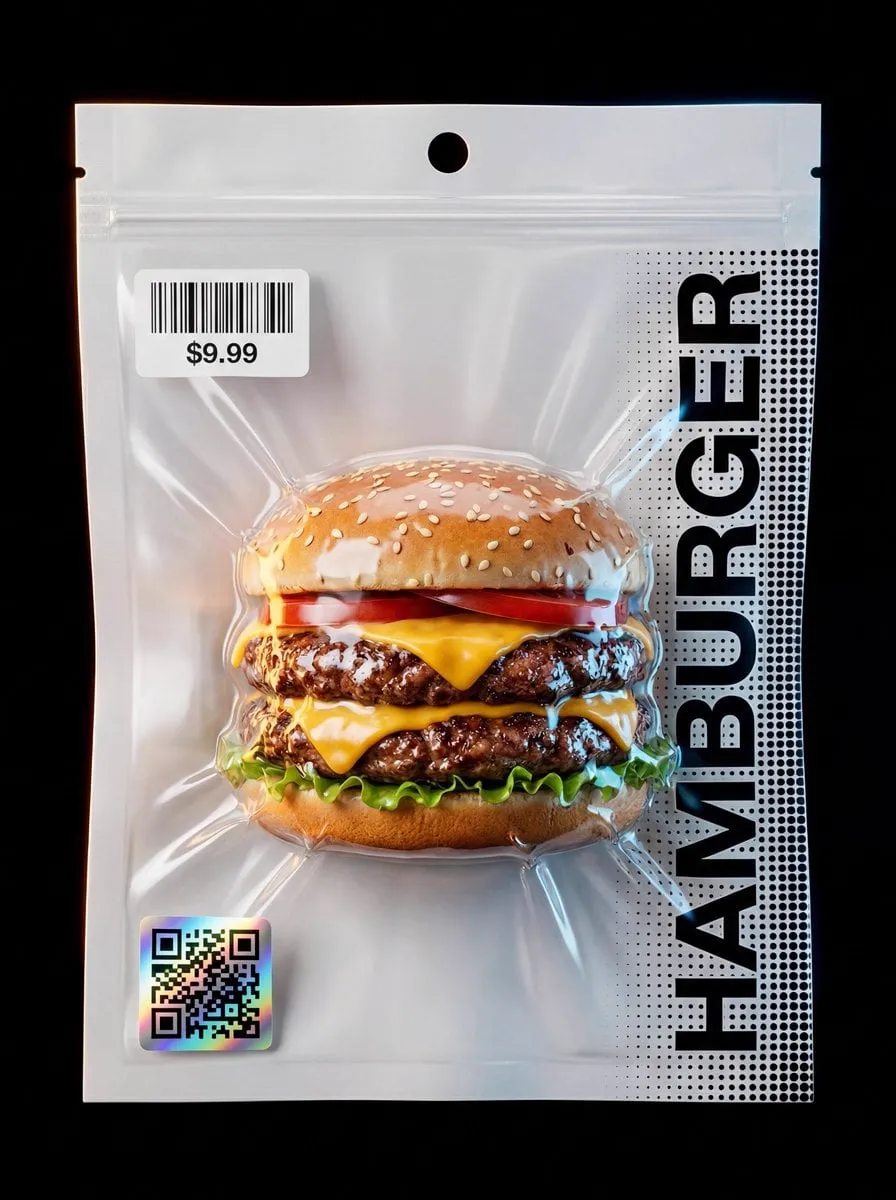

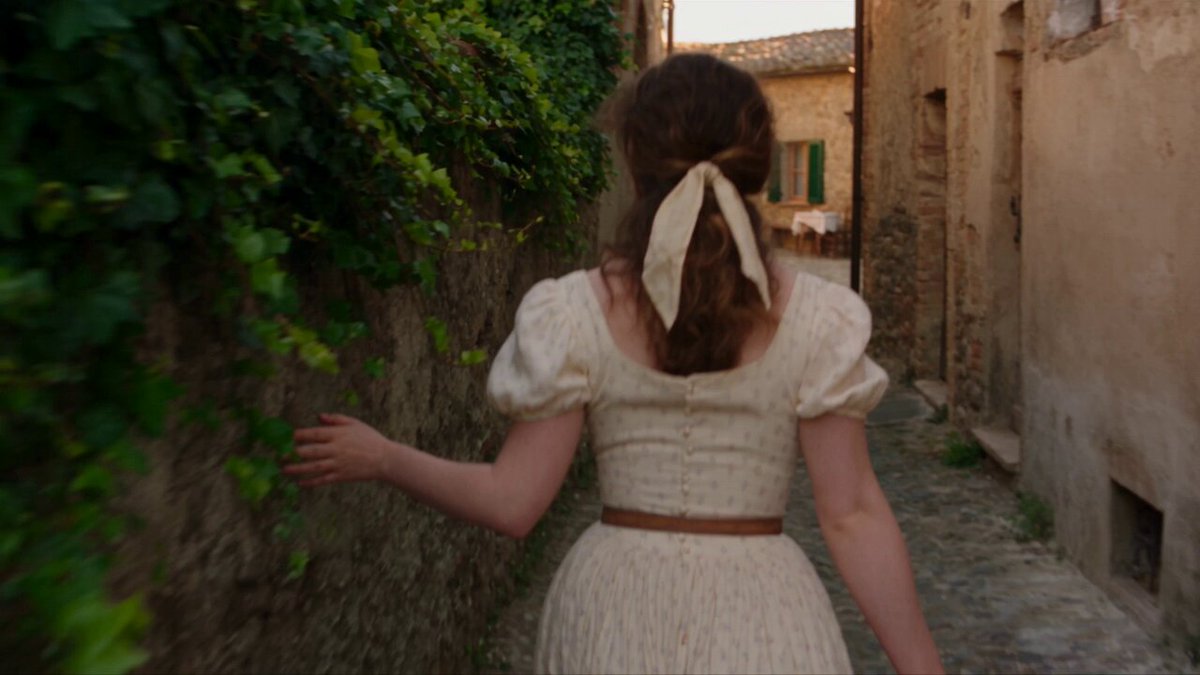
Why short promo videos are a necessity, not a luxury
In a market where user attention lasts only a few seconds, the ability to produce short, attractive promo videos quickly directly affects conversion rates and brand awareness. Social feeds are saturated, and the brands that stand out are those that can test many variations, learn fast, and double down on what works. That is exactly where AI tools have changed the game: they compress the production cycle from weeks to hours and make experimentation affordable.
The demand for short promotional content keeps growing. Product launches, seasonal campaigns, event teasers, and social ads all need fresh video, and they need it fast. Traditional production, with its crews, locations, and editing suites, cannot scale to that demand. AI-based workflows can, and that is why they have moved from experimental curiosity to the center of modern content operations.
The new role of AI in directing short content
One of the most interesting shifts is the emergence of AI assistants that act as directors for short-form content. Instead of handing a model a single prompt, you describe the product, the mood, and the goal, and the assistant helps you structure the piece: hook, beat, call to action. It suggests shot composition, camera movement, and pacing, formalizing what professional directors do by instinct.
For a creator, this is a shortcut to better storytelling. You no longer need to know every rule of film language to plan a promo. The assistant proposes a structure, you adjust the parts that matter, and the generation step fills in the footage. The result is a piece with intention, not just a sequence of pretty images.
The same principle applies to consistency. When an AI director works with reference images of your product and your brand style, every shot stays aligned with the visual identity. That continuity is what makes a short promo feel expensive, even when it was produced by one person in an afternoon.
Choosing the right model for promo production
Short promos have specific needs: strong visual impact, recognizable products, and quick turnaround. The best results come from matching the model to the type of promo you are creating.
For cinematic quality and narrative strength, the leading models of the current generation set the standard. They handle complex scenes, natural lighting, and fluid motion, which makes them the right choice for hero promos, launch films, and anything that needs to impress on a big screen. Their output feels like footage shot with a real camera, which is exactly what a premium product launch requires.
For consistency and control, models that excel at maintaining style across multiple clips are invaluable. Promo campaigns rarely consist of a single video; they involve cutdowns for different platforms, lengths, and audiences. A model that keeps the same look across all of them saves hours of adjustment and keeps the campaign coherent.
For volume and physical realism, efficiency-focused models cover the rest. Teasers, A/B test variants, and localized versions do not need cinematic finish; they need speed and believable visuals. Using a fast model for these pieces keeps the average production cost low while reserving premium models for the moments that genuinely need them.
Keeping products and characters consistent across shots
The most common reason AI promos look amateur is inconsistency: the product changes shape, the logo warps, the colors drift between shots. This happens because generative models recreate every frame from scratch. The fix is video fusion with keyframe consistency.
The technique works by giving the model visual anchors. You provide reference images of the product from several angles, on clean backgrounds, with the correct colors. Every generated shot uses those anchors, so the product looks identical from clip to clip. For character-based promos, the same approach keeps the presenter or mascot recognizable throughout the campaign.
Keyframe control adds a layer of direction. Instead of generating a whole sequence at once, you define the first frame of each shot yourself, using your image tools. The model then animates the transition between your frames. This gives you directorial control over the composition while letting the AI handle the motion, which is where it excels.
Building a promo workflow that scales
A repeatable workflow is the difference between producing one promo and building a promo machine. The core steps are simple: brief, references, generation, assembly, audio, delivery.
Start with a brief that states the product, the audience, the hook, and the platform. Short promos live or die by their first two seconds, so the hook deserves explicit attention. Then build the reference set: product images, brand colors, and any character assets. These files are reused in every promo, so investing in them once pays off forever.
Generation is where the model choice happens. Produce several variants of each shot so you have options at assembly time. Assembly combines the best takes, adds captions and transitions, and sets the pacing. Audio is often the difference between a good promo and a great one: a voiceover, background music, and sound effects that are synced to the visuals. Delivery covers upscaling, format conversion, and publishing to each channel.
Once the workflow exists, it scales. The same product can be presented in ten formats. A new campaign reuses the references and templates with a new script. The team improves the pipeline itself instead of rebuilding it every time.
Audio tools that complete the promo
Visuals get the attention, but audio decides how long it lasts. A promo with weak sound feels cheap no matter how good the images are. Modern AI workflows therefore integrate audio tools directly into the production pipeline.
A sound studio for voiceover generation lets you create narration in the right tone for each platform: energetic for social ads, calm for corporate explainers. Background music selection and generation add the emotional layer, and simple syncing tools keep the audio locked to the edit. Working in the same environment as the video tools removes the constant export-and-import dance and makes iteration fast.
For short promos, the practical tip is to design the sound before the final cut. Choose the music first, then cut the visuals to its rhythm. That simple order produces noticeably more polished results than adding music after the edit is done.
Custom models and monetization in the creator economy
Beyond producing promos, the AI video ecosystem has created new ways to build value. Creators can train custom models on their product line or their artistic style and reuse them across all content. A trained model becomes a brand asset: every future promo starts from a consistent visual foundation, without relying on memory or manual retouching.
Sharing custom models with a community builds recognition and can become a business in itself. A distinctive style that others want to use can be packaged and offered to other creators. Inside a company, the same logic works as an internal advantage: the model ensures that every piece respects the brand identity, regardless of who creates it.
The economics are straightforward. The initial investment is the time to curate a good training set. The return is consistency, speed, and a reusable asset that improves every subsequent project.
Practical steps to start producing promos with AI
If you are starting from zero, follow a small, structured plan.
Pick one type of promo you need regularly, such as product teasers for social media. Map the pipeline: brief, references, generation, assembly, audio, delivery. Build the reference library first; this is the step most people skip, and it is the one that separates coherent content from random output. Choose two models: one for hero shots and one for volume, and compare them on the same scene. Standardize assembly with templates so every promo feels like part of the same family. Then iterate: measure each stage, find bottlenecks, and improve one thing at a time.
Within a few weeks, you will have a system that produces promos in hours, not days, and the improvements will compound across every future campaign.
Common mistakes when making AI promos
The first mistake is skipping references. Teams generate ten clips and then realize the product looks different in every one. Ten minutes spent on reference images at the start saves hours of rework at the end.
The second mistake is ignoring the hook. A promo that starts slowly loses most of its audience in the first seconds. Plan the opening frame and the first line of narration as carefully as the rest of the piece.
The third mistake is treating audio as an afterthought. Music chosen after the edit rarely fits the rhythm. Design the sound early, and the final cut will feel intentional.
The fourth mistake is using one model for everything. Premium models for every clip waste time and budget, while fast models for hero shots sacrifice the impact the promo needs. Match the model to the role.
Promo formats and platform-specific tips
Short promos are not one format. Each platform rewards a slightly different structure, and adapting your workflow to those differences multiplies the value of every production.
For social feeds, the first two seconds are everything. Design the opening frame to work even without sound, because many viewers scroll muted. Keep the pacing fast and place the product in frame early. For stories and short-form vertical video, the hook should arrive in the first second, often as a visual question or an unexpected object.
For paid advertising, the priority is clarity of message and a strong call to action. The promo needs to communicate what the product is, what problem it solves, and what the viewer should do next, usually inside fifteen to thirty seconds. A/B testing becomes the main workflow: produce several variants cheaply, measure the response, and scale the winner.
For product launches, the promo should build anticipation. Sequence the shots to reveal the product gradually, use a more cinematic model for the hero moments, and pair the visuals with a voiceover that tells the story. Launch promos justify premium models and longer production time, because they are the centerpiece of the campaign.
The practical implication is that your workflow should produce platform variants from the same core assets. The references, product shots, and brand style stay identical; only the edit, pacing, and call to action change. That is what turns one production into a full content system.
Building a promo library that compounds
The most underrated asset in promo production is the library itself: references, templates, scripts, and past results. Every project adds to it, and every new project starts from a higher base.
Structure the library in three parts. The asset folder holds product images, character sheets, brand colors, and style moodboards; these are the visual anchors for every promo. The template folder contains reusable edit structures: hooks, caption styles, music choices, and pacing patterns that have proven to work. The learning folder records results: what worked, what flopped, and why, organized by platform and product type.
Teams that maintain this library consistently cut their production time dramatically within a few months. New team members onboard faster, campaigns stay consistent, and the quality floor rises. The library turns individual experience into organizational capability, which is exactly how a small team competes with a much larger one.
FAQ
How long does it take to produce an AI promo?
Once the workflow and references exist, a standard short promo can be produced in one to three hours. The first project takes longer because you are building the assets and templates.
Do I need to be a video editor?
No. The tools handle assembly, and templates cover most of the formatting work. Editing skill helps with pacing and storytelling, but it is not a barrier to starting.
Can I use AI promos for paid advertising?
Yes, most platforms allow commercial use, but check the terms of the specific tools you use, especially for content featuring real people or trademarked products.
How do I keep my product looking the same in every shot?
Use reference images of the product from multiple angles as anchors for every generated shot, and keep those files stable across the project.
What is the biggest mistake beginners make?
Treating generation as a one-shot process. Professional results come from generating variants, reviewing them, refining the prompt, and repeating. Plan for iteration from the start.
Should I produce one promo at a time or a batch?
Batch whenever you can. Producing five variants of one product in a single session is more efficient than five separate sessions, because the references, style, and settings stay loaded and consistent. Batching also makes A/B testing practical.
How do I know which model to use for a promo?
Match the model to the role: cinematic models for hero shots and launches, fast models for variants and teasers. Keep a comparison table of your own tests per scene type, and choose from that data instead of general rankings.
Summary
Short promo videos are one of the highest-leverage uses of AI video tools today. The advantage does not come from a single model but from a complete workflow: clear briefs, reusable references, matched models, fast assembly, and audio designed early. Build the pipeline once, standardize the steps, and every future campaign gets faster and more consistent. The technology is evolving quickly, but the method of planning, referencing, generating, and iterating will remain valuable no matter which tools appear next.
