
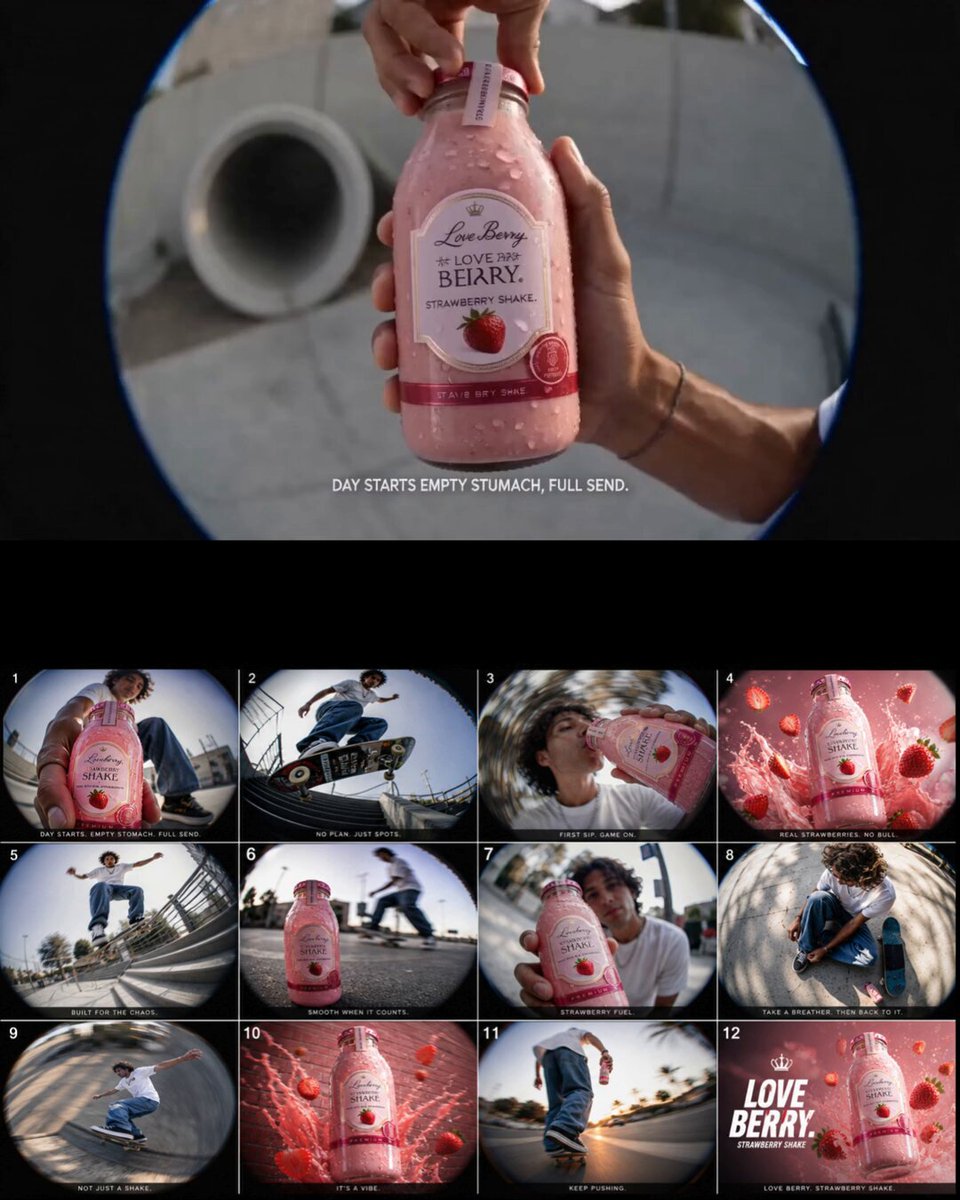

Why Consistency Is the Hard Part of AI Video
Anyone can generate a striking clip. The difficulty starts when that clip has to sit next to thirty-nine others and still feel like the same film. Faces drift, wardrobes change between angles, a room's window moves from the left wall to the right, and the lighting shifts from golden hour to fluorescent without anyone asking for it. Audiences forgive stylized imperfection far more readily than they forgive incoherence.
That is why the most valuable skill in AI video today is not prompt poetry. It is pipeline design. A workflow turns a creative idea into a repeatable system: fixed reference assets, explicit continuity rules, model choices matched to shot type, review gates that catch drift early, and an assembly stage that treats generated clips as raw footage rather than finished scenes.
This guide walks through that system end to end. It is written for solo creators, small studios, and marketing teams who want output that looks intentional rather than lucky. The emphasis is on structure you can reuse across projects, not tricks that work once.
The Anatomy of a Production-Ready AI Video Workflow
A dependable pipeline has four stages. Each one has an input, a defined output, and a rule for when you are allowed to move forward. Skipping stages is the fastest way to spend a weekend regenerating the same twelve seconds.
Stage 1: Pre-production and the shot list
Before generating anything, write the script and break it into shots. Each shot should have an ID, a duration target, a camera description, a subject, a location, an emotional beat, and a continuity tag for anything that must match other shots. A simple table works. The goal is that every generated clip belongs to a numbered slot, so review discussions become specific instead of vague.
Stage 2: Reference and asset preparation
This is the stage most creators skip and later regret. Build a reference pack before the first generation pass: character sheets with front, three-quarter, and profile views; wardrobe references; location plates; color palette swatches; and a typography or title style if graphics are involved. Reference assets are the anchor that keeps later shots from drifting.
Stage 3: Generation in controlled passes
Generate wide establishing shots first, then medium shots, then close-ups. Locking environments before faces reduces the number of variables in play at once. If a shot fails, change one variable at a time: camera language first, then lighting, then the subject description. Changing three things at once produces a good shot you cannot reproduce.
Stage 4: Assembly and finish
Treat generated clips as footage. Cut on action, add sound design, stabilize, color match, and check pacing with the audio. Sound and rhythm fix more perceived continuity problems than another generation pass ever will.
Character Consistency Without Guesswork
Character drift is the single most common complaint in AI video projects. It is rarely a model failure; it is usually an information failure. The pipeline is not telling the model what matters.
Build identity anchors, not descriptions
A written description like a woman in her thirties with dark hair is far too loose. An identity anchor is a specific reference set plus a short, frozen descriptor used verbatim in every prompt: age range, hair color and length, eye color, skin tone, distinguishing features, and default wardrobe. Once frozen, that descriptor does not change for the duration of the project, even if it feels repetitive.
Control wardrobe, props, and accessories explicitly
Costume changes are a continuity decision, not an accident. If a jacket is brown in scene two, it must be brown in scene three unless the story says otherwise. List wardrobe per character per scene, and include props that recur: a phone, a notebook, a mug, a bicycle. Recurring props are continuity flags that audiences track unconsciously.
Lock environments before adding people
Generate or approve the empty location first. Wide shot, medium shot, insert shot. Once the geometry of a room, street, or forest clearing is approved, reuse those plates as image references for every subsequent shot in that location. This one habit eliminates the majority of background teleporting.
Handle multi-character scenes carefully
Scenes with two or more characters are the hardest case. Reduce complexity by shooting them as separate elements: generate each character separately, then composite. If a single-pass generation is required, keep both characters in profile or three-quarter framing, avoid complex hand interactions, and plan for more attempts than usual.
Matching the Right Model to Each Shot
Different shot types reward different generation approaches. Treating every shot the same is what makes pipelines slow and expensive.
Text-to-video versus image-to-video
Text-to-video is ideal for exploration and for shots where the environment matters more than the actor. Image-to-video is the workhorse for continuity: start from an approved frame, and the model has far less room to reinvent the character or the room. A practical rule is to explore with text-to-video and commit with image-to-video.
Motion-heavy versus dialogue-heavy shots
Action, dance, crowds, and vehicle movement need models that handle temporal coherence well. Dialogue, reaction shots, and slow emotional beats need facial stability and subtle micro-expression. These are different strengths. Assign each shot a priority tag, motion or performance, and route it accordingly.
When a specialist model earns its place
General-purpose models are good at everything and excellent at nothing. When a project has a recurring visual signature, such as a specific illustration style, an animation look, or a product-rendering aesthetic, a narrowly tuned specialist model can dramatically reduce the number of attempts per approved shot. The right question is simple: does the specialist reduce total attempts enough to justify an extra step in the pipeline? If yes, use it for that shot category only.
Keep a model-selection log
Record which model produced each approved shot, with the seed, reference assets, and prompt version. This log becomes the most valuable document in your studio. It tells you what to reuse on the next project and turns a lucky result into a repeatable one.
Using a Director Agent Without Giving Up Authorship
Director-style AI agents have become a practical part of the pipeline. They typically take a script or a beat sheet and propose shot compositions, camera angles, pacing, and continuity notes. They are most useful for breaking a blank page into a structured first pass.
What these agents are genuinely good at
They are strong at coverage planning: suggesting a wide, a medium, and a close-up for a scene, flagging that a transition needs a bridging insert, or proposing where a beat should breathe. They are also useful as a consistency checklist, reminding you that a character's jacket or a location detail needs to be carried forward.
Where human judgment still decides
Taste, subtext, and rhythm come from you. An agent will happily propose a technically correct shot list that says nothing. Use its output as a scaffold, then rewrite the emotional logic of each scene yourself. The best results come from treating the agent as a first assistant director, not a director.
Turn prompts into direction briefs
Instead of one-line prompts, write short direction briefs: intention, framing, lens feel, movement, lighting source, performance note, and continuity requirements. This format forces clarity before generation and produces more usable first attempts. It also makes feedback between collaborators far more precise.
A Repeatable End-to-End Workflow
The following sequence works for short films, product videos, and social series. Adapt the scale, keep the order.
- Lock the script. Rewrite until the story works on text alone. If it is boring in text, it will be boring in video.
- Break into shots with IDs. Add duration, framing, subject, location, continuity tags, and a priority label of motion or performance.
- Build the reference pack. Character sheets, wardrobe, location plates, palette, and title style. Approve them before generation begins.
- Generate location plates first. Approve environments with no characters in frame.
- Generate character anchors. One approved hero frame per character, per outfit, per scene.
- Run the first generation pass. Prioritize the hardest shots while energy and budget are highest.
- Review in batches, not one by one. Watch a sequence with sound. Continuity errors are easier to see in motion than in isolation.
- Fix via single-variable changes. One adjustment per attempt, logged.
- Assemble and sound-design. Cut on action, add music and effects, then evaluate pacing.
- Color match and finish. Unify contrast, saturation, and grain across clips so everything feels like one film.
Review Gates: Catching Problems Before They Multiply
Review should be scheduled, not spontaneous. Three gates work well. Gate one checks references and plates before any character generation starts. Gate two checks individual shots against the continuity log. Gate three checks assembled sequences with sound.
At each gate, ask the same four questions. Does the shot match the approved reference? Does it serve the scene's emotional beat? Would a viewer notice the cut? Is this the cheapest fix available right now?
Keep a rejection log. When a shot fails, note why: face drift, wrong wardrobe, unstable hands, inconsistent lighting, camera move that breaks the scene. Patterns emerge quickly, and the pattern tells you exactly which part of your pipeline needs a rule. A rejection log turns frustration into process improvement.
One more discipline: resist infinite polishing. Set a maximum number of attempts per shot before moving on. If a shot is not working after that, change the approach rather than the parameters, and consider whether the shot is even necessary.
Budgeting Time, Compute, and Attention
AI video projects rarely fail from lack of ideas. They fail from misallocated resources. Three budgets matter: time, generation spend, and human attention.
Time is front-loaded. Pre-production and reference building feel slow because nothing visible is being produced, yet they determine whether the generation stage takes two days or two weeks. Spend the time.
Generation spend should follow difficulty, not screen time. A three-second close-up with a complex performance may cost more attempts than a ten-second landscape. Track attempts per approved shot and use that number to estimate the next project realistically.
Human attention is the scarcest resource. Batch review sessions, keep them short, and make decisions in one pass. Endless open tabs of half-finished shots destroy judgment. A useful rule is to end every session with a written decision list: approved, rejected with a reason, and pending with a next action.
For teams, assign clear roles: one person owns continuity and reference assets, one owns generation and logging, one owns assembly and sound. Ambiguity about who approves a shot is a hidden cost that shows up as duplicated work.
Common Mistakes and How to Fix Them
| Mistake | Why it hurts | Fix |
|---|---|---|
| Prompt written from scratch each shot | Character and environment drift | Freeze a descriptor block and reuse it verbatim |
| No reference pack | Endless regeneration loops | Build anchors before the first generation pass |
| Reviewing stills only | Continuity errors survive into the edit | Review sequences with sound |
| Changing multiple variables at once | Unreproducible results | One change per attempt, logged |
| Ignoring audio | Flat, amateur feel | Sound-design early, not last |
| No attempt cap | Burned time and budget on one shot | Set a limit, then change approach |
| Skipping the shot log | Wrong model assumptions later | Record model, seed, references, prompt version |
Most of these problems share a root cause: the pipeline has no memory. A project that remembers what it approved will always outperform one that reinvents itself every session.
FAQ
How many reference images do I need per character?
Three to five well-lit angles covering front, three-quarter, and profile is usually enough. Quality and consistency matter more than quantity. Additional images help for unusual angles or expressions the story specifically requires.
Is image-to-video always better than text-to-video?
No. Text-to-video is faster for exploration and for shots where atmosphere matters more than identity. Image-to-video is better for continuity-critical work. Many pipelines use both, with a deliberate rule about which stage each shot belongs to.
What is the fastest way to fix a face that keeps drifting?
Return to your identity anchor. Confirm the approved hero frame, reduce the amount of new information in the prompt, and simplify the shot. Complex movement and complex performance in the same shot is the usual cause of drift.
Should I generate one long clip or several short ones?
Several short ones. Long generations accumulate errors and give you fewer edit points. Short clips cut together more flexibly and are cheaper to regenerate when something goes wrong.
How do I keep a location consistent across many shots?
Approve one empty plate per location and reuse it as the starting reference for every shot in that space. Only vary the camera position and subject, never the underlying geometry.
When should a team consider a specialty model?
When a project has a recurring visual signature and a general model consistently requires many attempts to reach it. Test the specialist on one shot category first, measure attempts per approved shot, and adopt it only if the number goes down meaningfully.
Do director-style agents replace a shot list?
They accelerate the first draft of one. You still need to decide what each scene means and which shots are essential. Treat agent output as coverage suggestions to edit, not a final plan.
How long should a small project take?
A one-minute piece with eight to twelve shots typically needs more time in preparation than in generation. Budget the majority of your schedule for references, shot planning, and assembly rather than raw clip creation.
The Bottom Line
Consistent AI video is a systems problem dressed as a creative one. Build references before prompts, lock environments before characters, match models to shot types, review in sequences with sound, and log everything you approve. Do that, and the same tools that produce chaotic results for one creator will produce a coherent, recognizable style for you.
Start small. Choose one scene, build the full pipeline around it, and finish it completely. A finished thirty-second sequence with airtight continuity teaches more than a folder of beautiful fragments ever will.
