

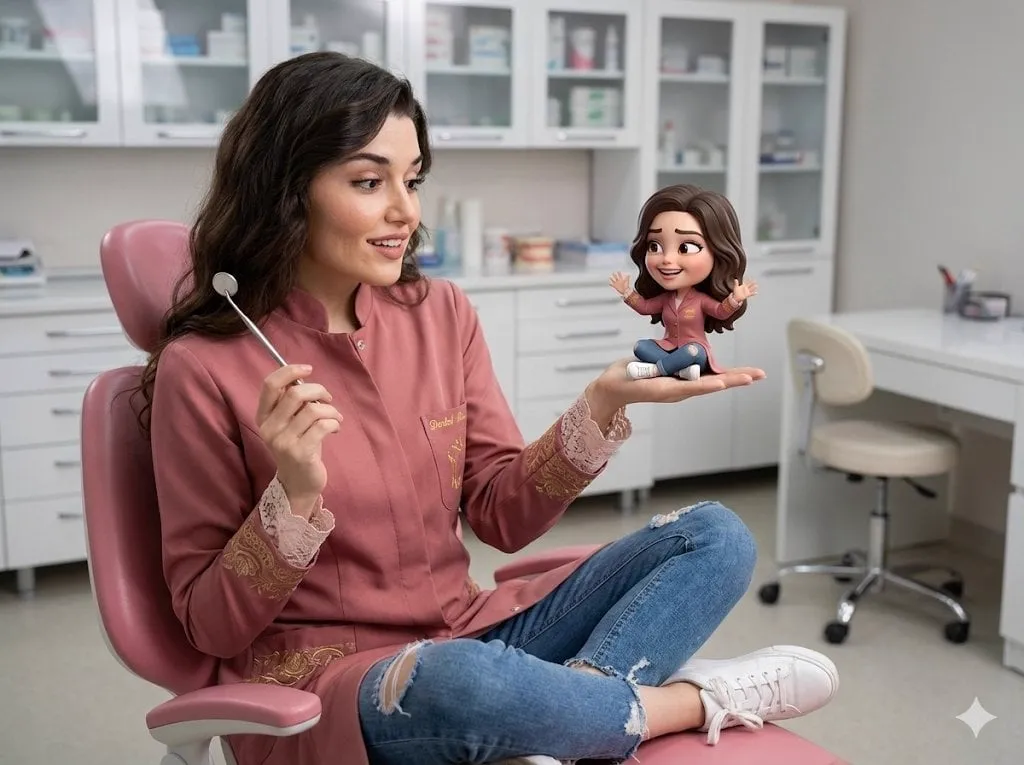
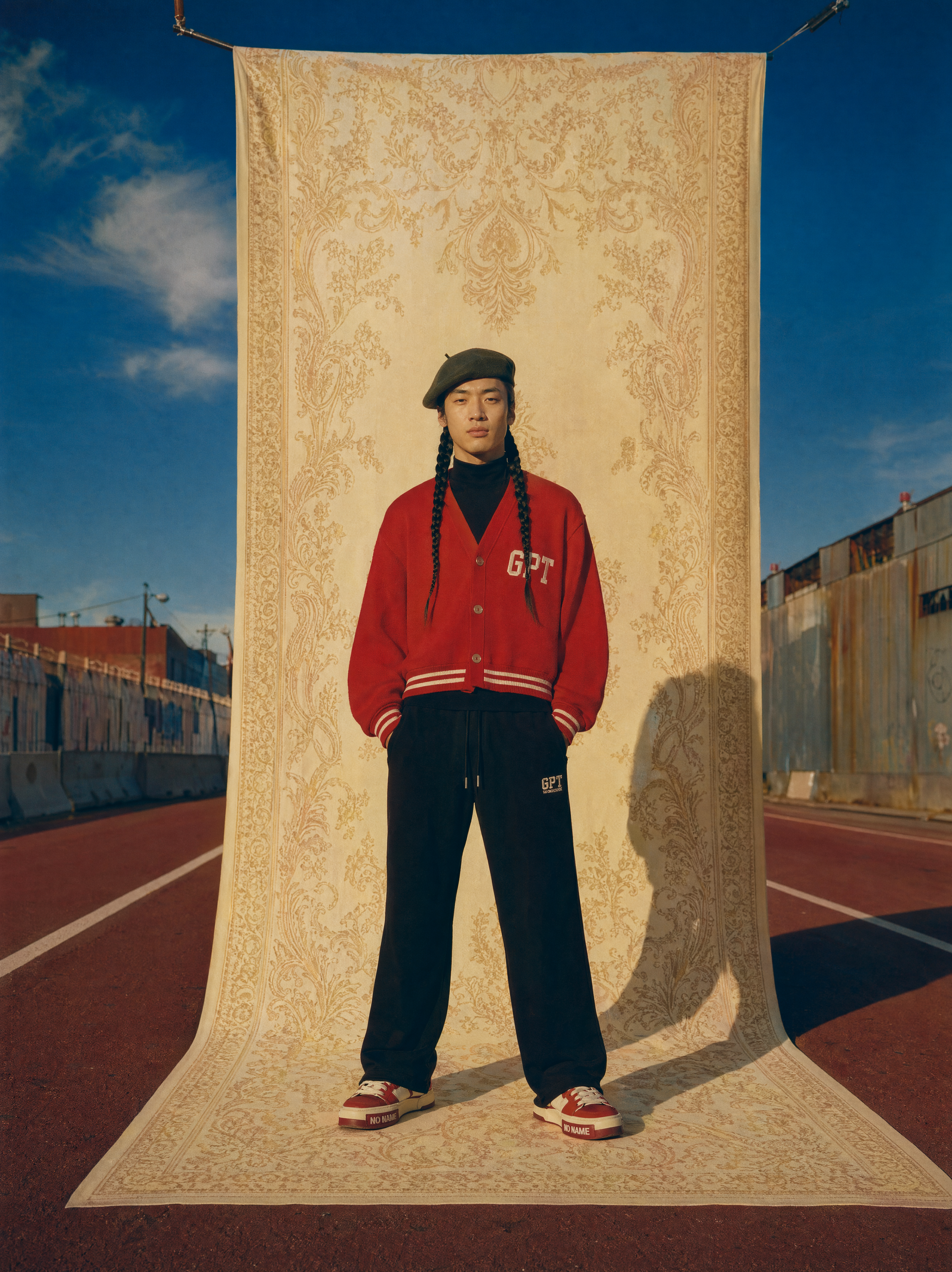
The turning point for AI-generated video
For years, text-to-video felt like a demo: impressive in isolation, useless in a real workflow. Clips were short, objects melted, motion was uncanny, and nothing held together long enough to tell a story. In 2025 that changed. The latest generation of models produces footage that is not just watchable but genuinely cinematic, and the competition between them is driving rapid improvement in quality, length, and control.
This article compares the leading tools — Sora, Kling, and PixVerse — and places them in the wider landscape of models that matter right now. The goal is practical: by the end, you should know which tool fits which job, how to combine them, and what to expect from the next wave of development.
How to compare AI video models
Every benchmark video you see online is cherry-picked. The model that produced the most impressive clip you watched this week might fail your actual project. So before comparing tools, define your own criteria.
Prompt adherence matters most for production work: does the output match what you actually wrote, including the details of the scene, the style, and the motion? Physics and realism matter for anything live-action: do objects behave like they have mass, and does the camera move like a real camera? Duration and consistency matter for narrative work: can the model hold a scene together for more than a few seconds, and does the subject stay recognizable? Cost and speed matter for volume: how much does a batch of clips cost, and how long do you wait? Control matters for finishing: can you set the first frame, the last frame, the camera path, or a reference character?
No single model wins all of these categories. The strength of the current ecosystem is that you can pick the right tool per shot, and the rest of this article maps out where each one excels.
Sora: physics and long-form realism
The Sora series, developed by OpenAI, made its name by focusing on physical simulation. Early text-to-video output had a "dreamlike" quality where gravity was optional; Sora's models were trained to understand how objects interact with the three-dimensional world, and the difference shows in motion, lighting, and object persistence. A ball bounces, a cloth drapes, a shadow stays anchored to its source.
Sora's other headline feature is sequence length. Where many models cap out at a few seconds, Sora can produce longer, more coherent sequences, which is exactly what you need when you are trying to build a scene instead of a single shot. The trade-off is cost and control: generating with Sora is not cheap, and the tool's workflow is less suited to pixel-level fine-tuning than to letting the model interpret a strong prompt.
Sora fits projects where realism is the point: product shots, cinematic landscapes, physics-heavy action, and any content where viewers will notice when motion is wrong. If your project is stylized, you can often get a similar result for less money from a different model.
Kling: prompt adherence and professional reliability
The Kling series, developed in China by Kuaishou, became popular for the opposite reason: it does what you tell it to do. Prompt adherence was the weak point of many early models, which drifted from the description after a few seconds. Kling models are known for holding the scene, following detailed instructions, and offering a professional mode with more control over the output.
That reliability makes Kling a strong default for production work where the brief is clear and you cannot afford to regenerate twenty times. It is also priced and positioned for volume, which is why so many creators use it for social content and short-form video. The latest versions improved realism and motion, closing much of the gap with the premium tier while keeping the workflow fast.
Kling fits briefs like "character walks from left to right in a neon alley, camera follows" and expects the result to match. It is the workhorse of the ecosystem: not always the flashiest, but dependable at scale.
PixVerse: cinematic control for viral content
PixVerse took a different route: instead of competing purely on raw quality, it focused on control and style. The V4 generation introduced detailed cinematic controls, including a large set of simulated lenses that you can trigger directly from the prompt or the interface. Want a dolly zoom, an anamorphic flare, or a low-angle tracking shot? You can specify it and get something close to what a camera operator would produce.
That lens-level control is a genuine differentiator for creators whose content lives on platforms where polish is table stakes. Reels, Shorts, and TikTok reward the look of a real production, and PixVerse gives you the vocabulary of a camera department without the camera. It also responds well to motion prompts, which matters for dynamic cuts and transitions.
PixVerse fits projects where the shot design is the message: music videos, fashion content, branded edits, and anything that needs a strong visual signature. If your goal is a specific camera move rather than a general scene, PixVerse often delivers it faster than a model that treats the camera as an afterthought.
The supporting cast: Runway, Luma, Pika, and more
The comparison does not stop at three names. Runway remains a cornerstone for professional workflows, with the Gen-4 series embedding production-oriented tools directly into the generation process and a long history of feature-film and agency adoption. If you need the full pipeline — generation, editing, and iteration in one place — Runway is hard to beat.
Luma's Ray 2 is a strong choice for fluid camera motion and coherent movement, which makes it useful for establishing shots and transitions. Pika 2.2 excels at image integration and looping, which makes it a favorite for motion graphics and avatar content. MiniMax Hailuo delivers a strong quality-to-cost ratio for high-volume work, and the Vidu line, particularly the Q1 reference model, pushes multi-reference capabilities that help lock character identity across shots.
Then there is the open-source tier: Tencent's Hunyuan and Alibaba's Wan series give teams the freedom to run models locally, fine-tune them, and control every parameter. The catch is infrastructure — you need real GPU capacity and the willingness to operate it — but for studios with technical resources, open-source models are the most flexible option available.
Multi-image fusion: the consistency breakthrough
The single biggest problem in AI video has never been quality; it has been consistency. Generate a character in shot one, and shot two gives you a different nose, different clothes, different lighting. For narrative content, that is a dealbreaker.
The current generation attacks this with reference-based techniques often grouped under the label of image fusion. Instead of describing a character only with words, you provide one or more reference images — a front view, a profile, a costume sheet — and the model treats those as ground truth while generating new motion. The multi-reference versions go further: they build a small identity kit for the character that persists across scenes, angles, and even different models.
This is the technique that makes multi-shot stories possible. If your project involves a recurring character, spend the time up front to build reference images and test them across models. The consistency you lock in at the start is what lets you edit shots into a sequence instead of a montage of unrelated clips.
Choosing a workflow that combines models
The most effective creators do not choose one model; they design a pipeline. A common pattern looks like this: use an image model or the strongest image-generation tool to create reference art; use a reference-capable video model to generate the keyframes and the first pass of each shot; use a model known for prompt adherence to fill in the shots where the brief is precise; use a model with strong camera control for the transitions and signature moves; and finish in an editor for sound, color, and pacing.
This hybrid approach costs more time in planning but produces dramatically better results than relying on a single tool. It also protects you from the reality that models update constantly: the leaderboard changes every few months, and a pipeline built around one model becomes fragile. A pipeline built around roles — "this stage needs realism, this stage needs adherence, this stage needs lens control" — survives model churn.
Cost, speed, and practical trade-offs
Budget drives many decisions, and the honest picture is that the premium tier costs real money per clip, especially for long or high-resolution output. The mid-tier models are where most volume production happens, because the quality is close enough for social content at a fraction of the cost. Open-source models flip the equation: high fixed cost in hardware, low marginal cost per generation, and full control.
A practical approach is to separate experimentation from production. During the look-development phase, run many cheap generations to find the style and the prompt that works. Once the direction is locked, spend the premium budget on the shots that will be seen most: the hero shots, the transitions, the close-ups. Audiences remember the peaks, not the average frame.
Building a test bench for your own projects
Because the ecosystem changes so quickly, the most useful thing you can build is not a favorite-model list but a repeatable test procedure. A test bench is a small, fixed set of prompts and reference images that you run through any new model the day it launches, so you can compare it against your current tools on equal terms.
Keep the bench small: one character prompt with a reference image, one scene prompt, one motion prompt, and one transition prompt. Run all four through the candidate model, then score the output on the criteria that matter to your work — adherence, realism, consistency, and speed. Save the results in a simple table. After a few months, the table becomes a personal leaderboard that reflects your actual projects rather than someone else's benchmark.
The discipline pays off in two ways. First, it removes hype from tool selection: a new model either beats your current stack on your prompts or it does not. Second, it protects you from disruption: when a favorite tool changes its terms or a model is retired, you already know which alternatives passed your tests and can switch without starting from zero.
What comes next
The direction of travel is clear. Models will get longer, more consistent, and more controllable. The current gaps — hands, complex interactions, long-form coherence — will narrow, and the distinction between "AI video" and "video" will keep blurring. The competitive pressure between the major labs, plus the steady improvement of open-source alternatives, means the tools available to an independent creator today would have looked like a studio's internal R&D a few years ago.
The practical implication is to build skills that transfer: prompt discipline, reference management, shot planning, and editing. The models will keep changing, but the role of the creator who plans, directs, and curates will only become more valuable.
Frequently asked questions
Which is the best AI video model overall? None. The best model depends on the job: Sora for physical realism and longer sequences, Kling for prompt adherence at scale, PixVerse for cinematic camera control, Runway for a complete professional pipeline.
Can I use AI video for commercial projects? Yes, but check each tool's terms of service. Most allow commercial use on paid plans; some restrict it on free tiers.
How do I keep a character consistent across shots? Build a set of reference images and use a model with multi-reference or image-fusion support. Test the references early and reuse the exact same prompt wording across shots.
How long can AI video clips be? It varies by model and plan, from a few seconds on many tools to longer sequences on the premium tier. For narrative work, generate short shots and edit them together.
Are open-source models worth the effort? If you have GPU capacity and technical skills, yes: they offer full control and the lowest marginal cost. For most creators, hosted tools are faster and simpler.
How much does AI video cost? It ranges from free tiers with watermarks and limits to per-second fees on premium models. Budget for experimentation, then concentrate spend on hero shots.
Conclusion
The future of AI video is not a single model; it is an ecosystem. Sora, Kling, and PixVerse each solved a different problem — realism, adherence, and control — and the supporting cast fills the remaining gaps. The creators who win with this technology are the ones who treat it as a production system rather than a magic button.
Start by running the same test prompt through two or three models and comparing the results on your own criteria. Build a small reference library for your characters. Design a pipeline where each tool plays a role. The models will keep improving; the workflow you build around them is the durable advantage.
