
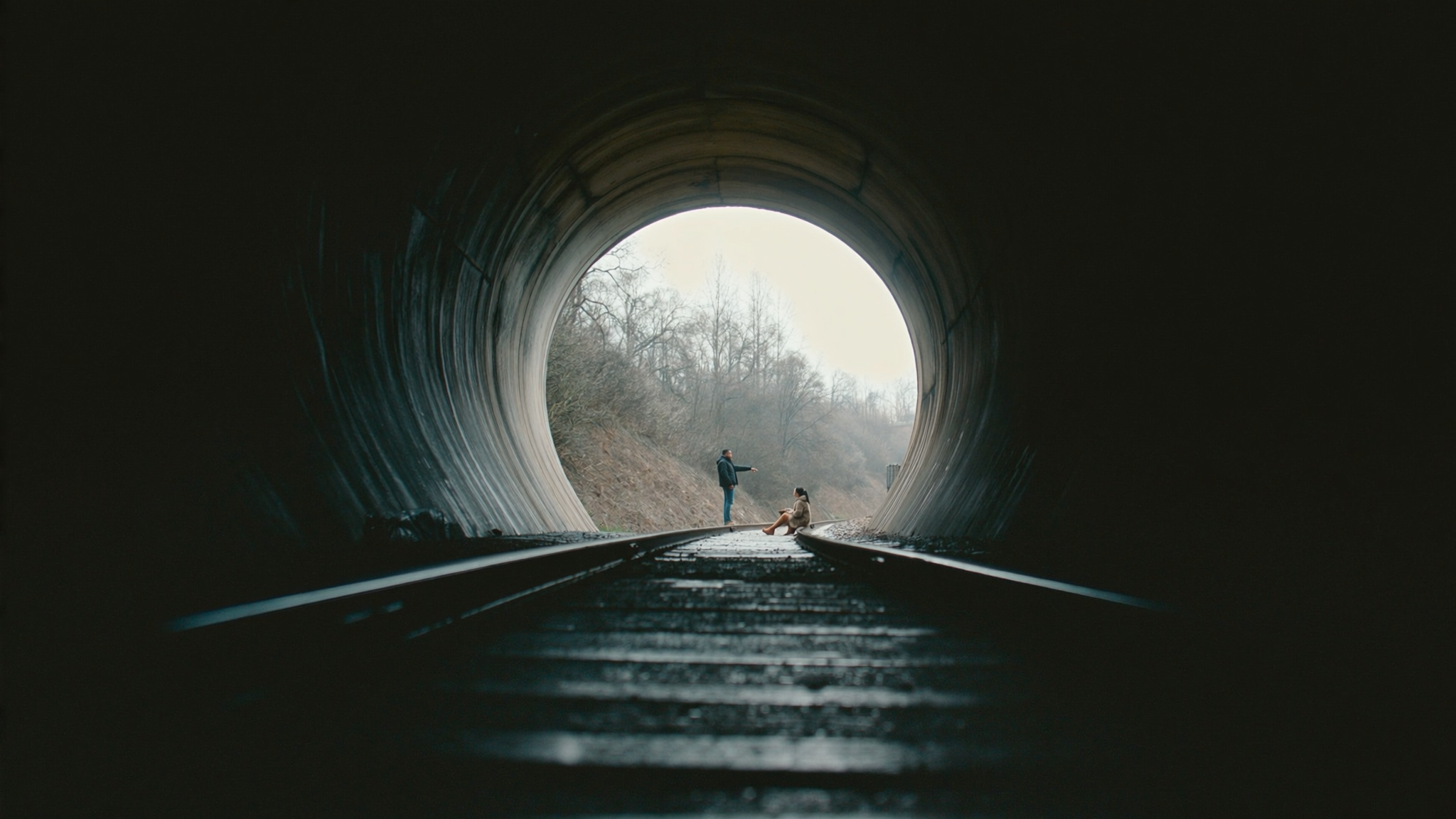


Video production has entered a phase that looks less like incremental improvement and more like a rewrite of the whole playbook. For decades, producing video meant cameras, crews, sets, and long post-production schedules. Generative AI has started to replace parts of that pipeline with something faster, cheaper, and radically more flexible: text and images can become moving footage in minutes. This is not a distant scenario. It is already the working reality for thousands of creators, agencies, and brands.
This article looks at the forces reshaping video production, the practical problems AI still has to solve, and what the changes mean for the people who actually make video for a living.
Why Video Production Is Changing Faster Than Expected
The demand side changed first. Short-form platforms, always-on marketing, and global distribution created an appetite for video that traditional production simply cannot feed. A brand that needs a dozen localized versions of one ad every month cannot shoot them all. A creator who wants to publish daily cannot direct a film crew. The supply side is now catching up, because generative models have crossed the threshold where the results are genuinely useful, not just impressive demos.
Three technical developments made this possible. Models can generate clips that stay coherent over several seconds. They can keep characters and objects consistent across separate generations. And they can understand long, complex instructions about mood, camera, and narrative. Together, these capabilities turn AI video from a toy into a production tool.
The Shift from Single Tools to Model Ecosystems
One of the early mistakes in AI video was assuming a single model would do everything. It does not. Photorealism, stylized animation, dynamic action, and precise camera control each demand different strengths, and no one model leads in all of them. The industry has responded with aggregation: platforms that combine many models behind one interface, so a creator can pick the best tool for each shot instead of being locked into one vendor's strengths.
For the creator, the model ecosystem changes the workflow in a subtle but important way. Choosing a model becomes part of the creative process, like choosing a lens. A documentary-style shot, a character action scene, and a product close-up may each be generated by a different model, then cut together seamlessly. The platform's job is to make that switching invisible: shared prompts, shared asset storage, and consistent output formats.
Choosing the right tool for the shot
Practical guidance has settled into a rough consensus. For photorealistic footage, the leading image and video models from Flux, Runway, and OpenAI's Sora line are the reference points. For vivid motion and character action, Kling has a strong reputation. For speed and iteration, Luma and Pika are popular. For strong reference control, Vidu and similar tools let you pin down a character or object across clips. The exact leaders will keep changing; the habit of comparing two or three models per shot will not.
Character Consistency Is the Real Bottleneck
The single biggest obstacle to using AI video for real storytelling has been consistency. Generate a character in one clip and the face subtly changes in the next. For a single viral clip, that is acceptable. For a series, a film, or a brand campaign, it is fatal.
Multi-image fusion is the most effective answer so far. The model receives several reference images that define the character's face, body, costume, and even the environment, and it locks those features across generations. Combined with keyframe control, creators can now produce multiple shots of the same character that actually match. The workflow consequence is significant: production planning now includes building a reference set before generation starts, the same way a film production designs a character before shooting.
AI Director Agents: From Prompting to Directing
The next layer of automation is emerging in the form of AI director agents. Instead of asking a model to generate one clip, you describe a scene, and an agent plans the shot list, selects appropriate models, suggests camera moves, and sequences the results. This matters for two reasons.
First, it lowers the craft barrier. Camera language, shot composition, and continuity are normally skills acquired over years. An agent that translates plain-language direction into technical parameters gives non-filmmakers access to that vocabulary. Second, it standardizes quality for professionals. A team can encode its house style into the agent and reproduce it across projects, which is exactly what agencies need when scaling work across many clients and many junior editors.
The honest caveat is that agents are still execution machines. They are excellent at turning a clear brief into a coherent production plan and weak at making the kind of subjective judgment calls that separate good work from great work. The creators who thrive will be the ones who treat the agent as a very capable first assistant, then apply their own taste on top.
The Infrastructure That Makes It Feel Instant
Behind every smooth AI video platform is a stack of unglamorous machinery: task queues, GPU scheduling, object storage, and delivery networks. Video generation is compute-intensive, so the quality of this infrastructure determines the user experience more than any single model does. A well-built queue keeps generation fast even under heavy load. Reliable storage keeps assets organized across long projects. Fast delivery gets final renders out to editors without friction.
For creators, the practical lesson is to test real workloads before committing to a platform. Generate during peak hours. Move large projects in and out. Check export formats and speeds. A platform that shines in demos but degrades under your actual usage pattern will cost you more time than the model quality saves.
New Revenue Models for AI-Native Creators
AI video does not just change how videos are made; it changes who profits from them. The traditional model concentrated revenue in studios and platforms. AI-native production spreads capability to individuals, and the platforms are building economies around it: creators publish work, share techniques, and in some cases train and license their own models to other users, earning income or platform rewards in return.
This creates a flywheel. More creators produce more assets, which attracts more users, which funds better infrastructure and more models, which attracts more creators. For an individual, the strategic move is to participate early in the communities where these economies are forming, build a visible body of work, and treat the platform's incentive structure as part of the business plan, not an afterthought.
What This Means for Agencies, Brands, and Filmmakers
Agencies are already using AI video for concept testing, mood boards, and pitch decks, producing moving previews of ideas that would previously have required a shoot. Brands are generating localized ad variants at a fraction of the cost of reshoots. Filmmakers are using AI for previsualization, storyboards, and the kind of experimental shots that would be too expensive to attempt with a crew.
The common thread is that AI video is best used where iteration is valuable: when you want to see many versions quickly, test an idea with an audience, or explore a visual direction before committing budget. It is less suited, for now, to work where physical reality, precise brand assets, or subtle performance is the whole point. The winning productions will be hybrid: AI for exploration and volume, humans for judgment and final polish.
How to Start Adopting AI Video Today
Start small and start with existing assets. Take a set of product photos and animate them. Take a character design and generate three consistent shots. The goal of the first week is not a masterpiece; it is to build the reflex of comparing models, iterating on prompts, and assembling short clips into sequences. Then institutionalize what works: keep a reference library, document the prompts that produce good results, and define the quality bar for what counts as a finished clip. That documentation becomes the seed of your own production system.
Risks to Watch
Three risks deserve attention. Technical risk: models and platforms change fast, so avoid building your entire business on features that could disappear; keep assets and prompts portable. Legal risk: copyright, likeness rights, and AI disclosure rules are still settling, so be conservative in commercial work and check the terms of every tool you use. Creative risk: the ease of generation can produce a flood of similar-looking content, and standing out requires taste, point of view, and consistent craft, which tools cannot supply.
The Skills That Matter in an AI-Native Production Team
The shift to AI video changes which skills are valuable in a production team. Software skills like prompting, reference management, and model evaluation are becoming as important as traditional camera craft. But the deeper change is in how teams are organized. A small team with one strong creative lead, one prompt engineer, and one editor can now produce work that once required a crew of ten.
That has practical consequences for hiring and training. Editors need to learn AI-assisted workflows, including how to clean up generated footage and how to direct a model toward a consistent look. Producers need to understand cost per generation and how to budget compute the way they once budgeted film and studio time. Creative leads need to articulate direction in a way that both humans and models can execute, which is a new kind of writing skill.
Building your own style library
The teams that win will treat their prompts, reference sets, and style documents as intellectual property. Start a library: save the prompts that produce your best results, tag them by style and use case, and version them when a model update changes the output. This library is what allows a team to scale without losing consistency, and it is portable across tools, which protects you from being locked into any single platform. Over time, the library becomes the real competitive advantage, because it captures the taste and judgment that no model ships with by default.
The role of the human reviewer
Every AI-assisted pipeline still needs a human pass. Models make mistakes that are easy to miss when you are generating at volume: a face that shifts subtly, an object that floats, a brand logo that distorts. Build a review step into your workflow with a clear checklist, and assign it to someone who is not the person who wrote the prompt. A fresh pair of eyes catches the continuity errors that the generator's author has already stopped seeing. In agency work, this reviewer also carries the client's standards, so the final output reflects the relationship, not just the tool. The most efficient teams treat review not as a correction loop but as part of the creative process, where the reviewer's notes become the next iteration of the prompt.
FAQ
Will AI video replace filmmakers? It will replace some tasks, not the craft. Cinematography, directing, editing, and storytelling still require human judgment, especially at the level where taste matters. The filmmakers who use AI as a production tool will have an advantage over those who ignore it.
How much does AI video production cost compared to traditional? For simple work, a fraction. A concept test that might cost thousands in a traditional workflow can cost a few dollars in compute. Complex, high-end work still requires human post-production, but the gap is narrowing.
Is AI-generated video quality good enough for clients? For many applications, yes, especially for internal tests, social content, and localized variants. For hero brand spots and film work, it is usually a starting point that requires skilled finishing.
What skills should a video professional learn now? Prompting, reference management, model comparison, and AI-assisted editing are the new core skills. The ability to direct an AI system and clean up its output is becoming as basic as knowing how to cut a timeline.
Conclusion
The future of video production is not a future without humans. It is a future where the expensive, slow parts of production become cheap and fast, and where the differentiator shifts from access to equipment to quality of thinking. The platforms and models will keep evolving, but the pattern is already clear: production becomes iterative, personal, and global. The creators, agencies, and brands that build their workflows around that pattern now will be the ones setting the standard for everyone else.
