
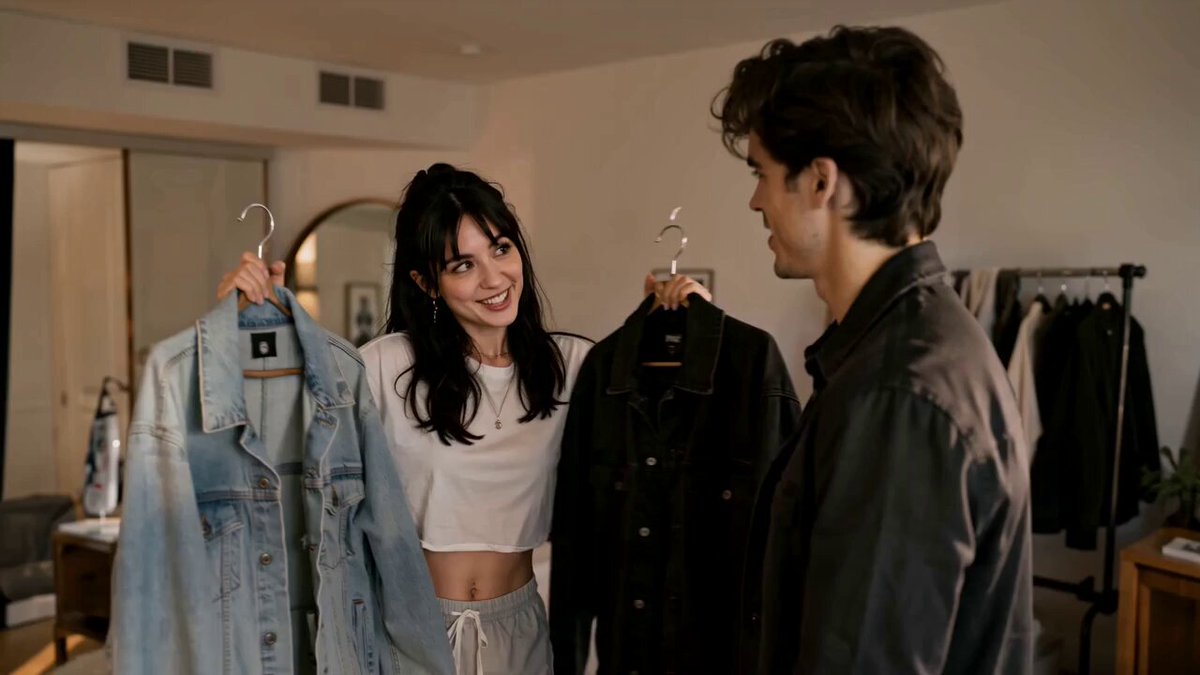
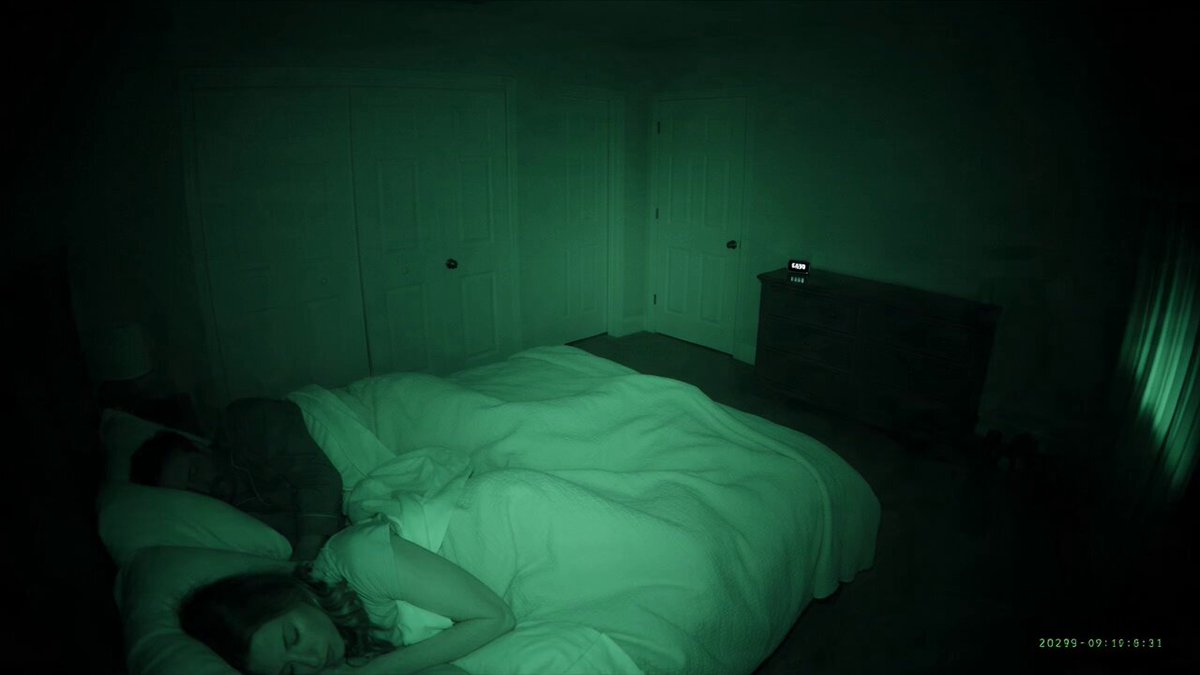
The Short Film Revolution: Hollywood Quality Without the Budget
There was a time when making a short film meant renting cameras, hiring a crew, lighting a set, and spending weeks in post-production. A Hollywood-quality look was the exclusive privilege of well-funded studios. That era is over. Generative AI has made it possible for independent creators to produce cinematic short films at a fraction of the cost — and sometimes for free. This guide walks through the entire process: from concept and script, through visual direction and generation, to the final cut. If you have a story to tell, you no longer need a budget to tell it beautifully.
Why This Matters in 2025
The demand for short-form video has exploded. Social platforms reward visually rich, emotionally engaging content, and audiences have become accustomed to cinematic quality even in clips that last thirty seconds. In this environment, the ability to produce high-quality short films is a strategic advantage for creators, marketers, and educators alike.
The technology has matured to the point where the bottleneck is no longer the tools — it is the imagination and the workflow. AI video generation can now handle coherent scenes, expressive characters, and complex camera movements. With the right direction, a solo creator can produce content that competes with professional productions.
The economics are the real story. Where a traditional short film might require tens of thousands of dollars, an AI-assisted production can be produced for the cost of time and electricity. For emerging filmmakers, this is democratization at its most literal: the gatekeepers no longer control access to quality.
Building Your Film: From Concept to Script
Every film starts with an idea. The first step is to write a clear, structured script. AI tools can help with this too — you can use a language model to brainstorm, outline, and draft dialogue — but the creative decisions should be yours. A good short film script is tight: one central idea, a clear protagonist, a visible conflict, and a satisfying turn.
Structure your script in scenes. For each scene, write down: the location, the characters present, the action, the emotional tone, and the key visual elements. This scene breakdown will become the backbone of your entire production, because each scene will later be translated into a generation prompt.
A practical tip: keep the scope manageable. A three-minute film with five locations and ten characters is a much harder production than the same film with two locations and three characters. AI is powerful, but every additional element multiplies the chances of inconsistency. Design your film around what the technology does well: striking visuals, expressive close-ups, and atmospheric environments.
Choosing Your Visual Direction
Once the script is ready, define the visual language of the film. This is the director's job, and it determines whether your film feels coherent or like a collection of random clips.
Start with the overall look. Are you going for photorealistic drama, stylized animation, or a hybrid? Choose the models that support your aesthetic. Photorealistic models excel at emotional close-ups and believable environments; stylized models offer distinctive looks that can hide the synthetic edge of AI output and give your film a signature identity.
Define your color palette. Consistent color grading is one of the strongest signals of professional production. Decide on the dominant colors for each scene and reference them in your prompts. Warm tones for intimate scenes, cool tones for tension, muted palettes for realism.
Establish your camera language. Choose the types of shots you will use — close-ups for emotion, wide shots for scale, tracking shots for movement — and use them consistently. Repetition of camera language gives the film rhythm and coherence.
Maintaining Character Consistency
The greatest technical challenge of AI filmmaking is character consistency. Your protagonist must look the same in every scene, or the audience will not invest in them. The solution is multi-image fusion: build a reference profile for each main character using multiple images, and use it in every generation.
Build a reference set of five to ten images per character. Include front, three-quarter, and profile views, plus at least one close-up of the face. Vary the lighting but keep the design details — hair, wardrobe, distinguishing features — absolutely consistent across the references.
Test the profile before production. Generate a calibration scene: the character standing and looking at the camera. Compare the result to your references. If the character looks wrong, adjust the references until the calibration is clean. This thirty-minute investment will save hours of regeneration later.
Supporting characters and key locations deserve reference profiles too. A film populated with consistent characters and consistent environments is what separates professional work from AI slop.
The Production Pipeline: From Scene to Screen
With the script, the visual direction, and the character profiles ready, you can enter production. Here is the pipeline that works.
For each scene, write a structured prompt: subject, action, environment, lighting, style, camera. Keep the character description out of the prompt — the reference profile handles identity. Example: "the protagonist from the reference images, walking through a rain-soaked alley at night, neon reflections, cinematic lighting, medium tracking shot."
Generate multiple takes of every scene. The first take is rarely the best. Generate three to five variations, review them against your visual direction, and select the strongest. This selection process is where taste enters the pipeline.
Use an editing tool to assemble the selected takes. Add transitions, music, sound effects, and a title sequence. If your film needs narration or dialogue, generate it with a voice synthesis tool and mix it cleanly above the music.
Finally, apply a consistent color grade to the entire film. Even if your generations are individually beautiful, a uniform grade ties them together and gives the final product a professional finish.
Making It for Free: The Zero-Budget Workflow
It is genuinely possible to produce a short film without spending money, if you are willing to trade time for cost. The workflow is the same; only the choices differ.
Use free tiers of generation platforms, and generate during off-peak hours when queues are shorter. Keep your scenes short — shorter scenes consume fewer resources and are easier to regenerate. Design your film around single-character scenes to reduce the number of reference profiles needed. Edit with free software, and use AI tools with generous free tiers for music and voice.
The trade-off is real: free generation is slower, and the models available on free tiers may not match the best paid models. But for a first film, for a proof of concept, or for a creator building a portfolio, the zero-budget path is completely viable. The craft is the same; only the patience required differs.
Common Mistakes and How to Avoid Them
The most common mistake is skipping the storyboard. Creators go straight to generation and end up with beautiful images that do not connect. Always plan your scenes before you generate.
The second mistake is neglecting character consistency. A single inconsistent protagonist shot will break the audience's immersion. Lock your references early and audit every shot.
The third mistake is overloading the prompt. A prompt with too many elements produces a muddled result. Keep each scene prompt focused on the essentials: one action, one environment, one emotional tone.
The fourth mistake is skipping the edit. Raw AI generations are material, not film. The edit — pacing, sound, music, grade — is where your short film becomes a short film.
The Director's Workflow: A Step-by-Step Recap
Let us compress the entire process into a checklist you can follow for your next project.
- Write a tight script with a clear central idea.
- Break the script into scenes with location, characters, action, and tone.
- Define the visual language: look, palette, camera style.
- Build reference profiles for main characters and key locations.
- Test and calibrate the references before production.
- Write structured prompts for each scene.
- Generate multiple takes and select the best.
- Assemble, add music and voice, and grade the final cut.
- Review the film against your original vision and refine.
- Publish and learn from the response.
A Realistic Example: Budget and Timeline
To make the economics concrete, let us plan a three-minute short film with a cast of three characters, four locations, and a simple emotional arc — a reunion between two old friends.
The pre-production phase takes about a week of evenings. Day one and two: write and refine the script. Day three: break it into scenes and define the visual direction — palette, camera style, mood references. Days four and five: generate and calibrate reference profiles for the two main characters and the four locations. Day six: write all scene prompts. Day seven: review the plan against the script and adjust.
The production phase is where the trade-offs appear. On a zero budget, generation happens on free tiers, which means queueing and limited daily allowances. A three-minute film might need forty to sixty usable shots, and with multiple takes per shot, that is two hundred to three hundred generations. Spread across free allowances, this is several days of patient work. With a paid tier, the same volume can be produced in a few focused sessions.
The post-production phase takes two to three days: assemble the selected takes, add transitions and sound, record or synthesize the narration, mix the audio, and apply a consistent color grade.
Total: one to two weeks of part-time work, and a budget ranging from zero to a modest monthly subscription. For comparison, a traditionally produced short film of this scope would cost thousands of dollars and require a crew. This is why the democratization argument is not rhetoric: the price of entry has collapsed by orders of magnitude.
Distribution and Audience Building
A finished film is only the beginning. The distribution strategy determines whether your work reaches an audience.
Start with the platform that fits your format. Vertical, fast-paced shorts suit platforms built for feed consumption; longer, more cinematic work belongs on video-sharing platforms where viewers seek narrative content. Do not try to be everywhere at once — master one platform, learn its rhythm, then expand.
Package your film properly. The title, thumbnail, and first three seconds are the front door of your work. A strong hook is not a compromise; it is respect for the viewer's time. Post consistently: a finished film, plus short teasers and behind-the-scenes content, gives the algorithm multiple entry points to your work.
Build around the film, not just on it. Respond to comments, share your process, and show the workflow that produced the result. The process content is often more engaging than the film itself, and it attracts other creators — who become your collaborators and your audience.
Frequently Asked Questions
Can AI-generated short films win festivals or awards? Yes — AI-assisted and AI-generated films have already been screened at major festivals. Be transparent about your process, and focus on the story and craft, which remain the core of any evaluation.
How do I avoid the "AI look"? The AI look comes from generic prompts, inconsistent characters, and flat grading. Invest in visual direction, character consistency, and color grading; these three disciplines eliminate most of the telltale signs.
What about copyright and ownership? The rules vary by platform and model. Review the terms before you build a commercial project on a free tier, and keep records of the tools and prompts you used. Your original script, direction, and edit are always your creative contribution.
Do I need to learn to edit? Yes — editing is non-negotiable. The good news is that modern editing tools are accessible, and the skills transfer directly to any future production. The edit is where your film becomes yours.
Can I make money from AI short films? Yes: platform monetization, sponsored content, commissions for brands, and teaching others are all viable. The most reliable path is to build an audience first, then monetize attention.
The Director's Mindset
The tools have changed, but the director's job has not: make choices that serve the story. Every decision — the palette, the pacing, the character's costume, the final shot — should answer one question: does this serve the story? When you treat AI as an incredibly capable and infinitely patient production crew, rather than as a shortcut, your work will stand apart. The camera is no longer the limitation. The storyteller is.
