
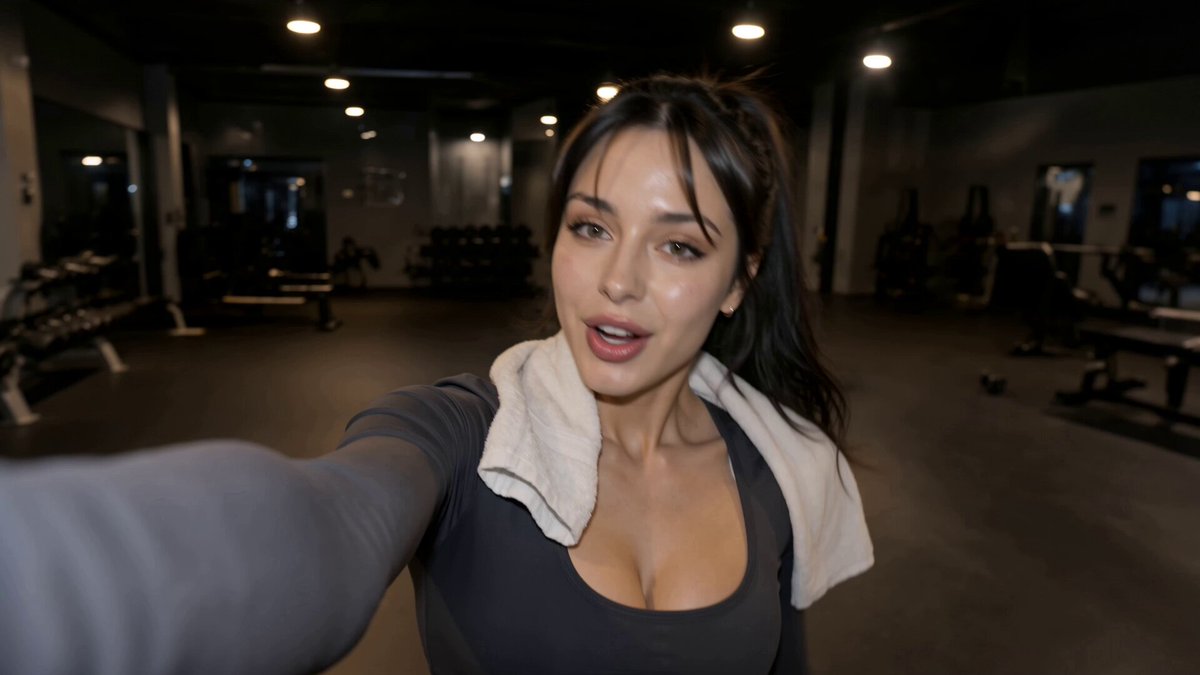
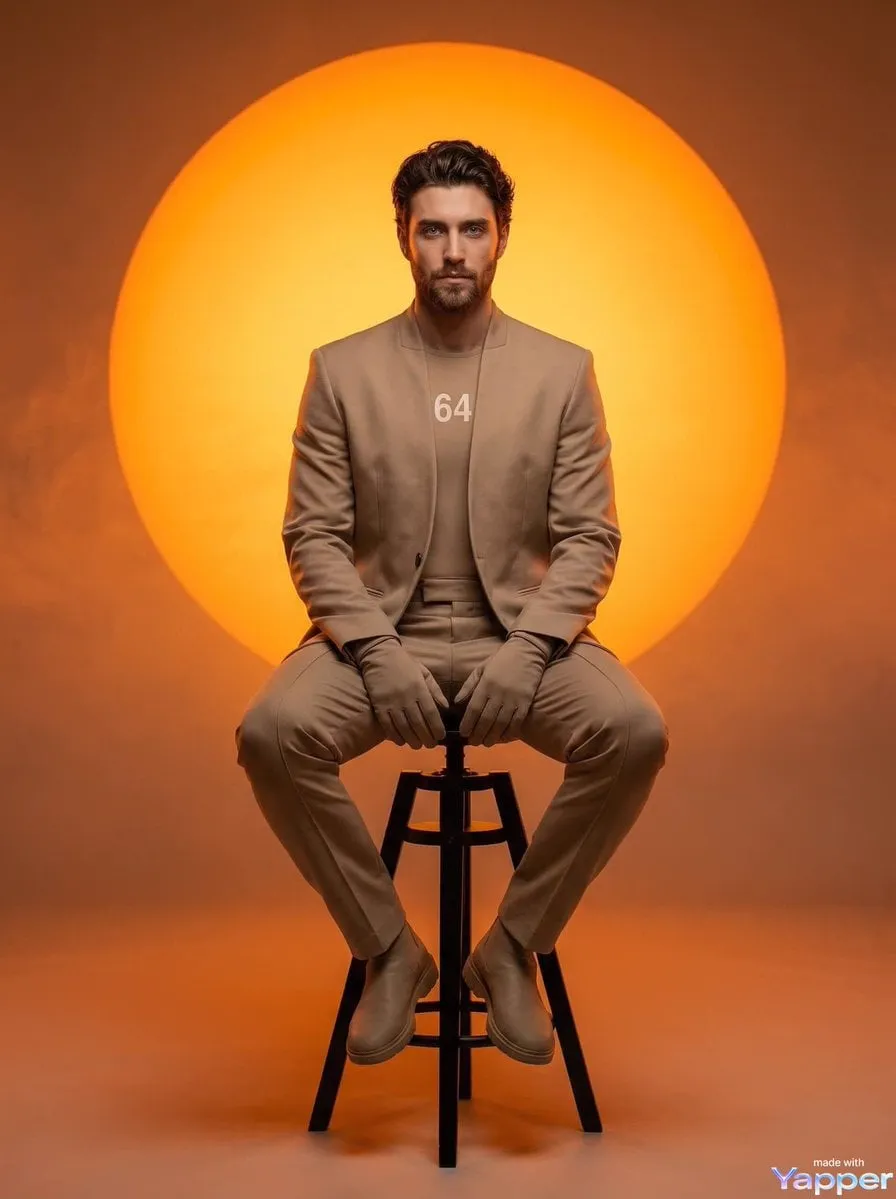

There was a time when photorealistic AI images were easy to spot: warped hands, waxy skin, physics that did not hold up. That time is ending. The current generation of generative models produces images and videos that are hard to distinguish from camera footage, and the gap closes every few months. For creators, marketers, and filmmakers, this is a practical shift. Photorealism is no longer a technical curiosity; it is a production tool. This guide explains what makes AI output look real, which model families to reach for, and how to build a workflow that delivers consistent, believable results.
The Hyper-Realistic Turning Point
The market for AI-generated content has grown into a multi-billion-dollar industry, and the reason is simple: quality crossed a threshold. Modern models understand complex prompts, render convincing lighting, and simulate physical behavior well enough for professional use. Advertising, cinema, and digital marketing are no longer experimenting with AI imagery; they are producing with it.
That creates both opportunity and pressure. A solo creator can now generate visuals that previously required a studio shoot, but so can everyone else. The competitive edge comes from craft: knowing which model to use, how to prompt it, and how to keep a series consistent. The rest of this guide is about that craft.
What Makes AI Output Look Real
Photorealism is not one skill; it is a combination of details that the eye checks subconsciously:
- Lighting: the direction, color, and softness of light must match the scene. A face lit from the left should cast shadows to the right.
- Texture: skin pores, fabric weave, hair strands, and surface roughness. Smooth plastic skin is the classic giveaway.
- Physics: how hair moves, how cloth drapes, how water splashes. Motion must obey the real world.
- Anatomy: hands, eyes, and proportions. Models have improved dramatically here, but errors still happen.
- Context: reflections, shadows, and depth of field must agree with the environment.
When you evaluate an output, check these details before you accept it. A stunning frame with a wrong reflection will not survive a close look, and on social platforms, close looks are exactly what engagement delivers.
The Model Landscape: Flux, Sora, Runway, Kling, and More
No single model does everything, and the landscape changes quickly. Understanding the main families helps you choose:
- Flux series: known for exceptional prompt understanding and fine detail, especially in still images and image-first workflows. A strong choice when precision matters.
- OpenAI Sora: sets the standard for narrative scenes and complex motion. It handles multi-step instructions and keeps objects behaving sensibly across longer shots.
- Runway Gen-4: a leader in image-to-video and character consistency, with strong control over style and scene continuity. Practical for brand work and multi-shot sequences.
- Kling: strong physical simulation and camera control at an accessible tier, popular for action and dynamic movement.
- MiniMax and PixVerse: fast, flexible options that balance quality and iteration speed, useful for high-volume social content.
- Luma: known for smooth cinematic camera movement and interpolation tools.
The working pattern is a toolkit, not a single tool. Generate stills with a precision image model, animate hero shots with a premium video model, and draft fast variations with a speed-oriented model.
Consistency Across Scenes and Characters
The hardest part of photorealistic production is keeping reality stable across multiple shots. In a real shoot, the same actor appears in every scene because a camera recorded them. In AI generation, every frame is a new invention, and characters drift unless you hold them in place.
A practical consistency system:
- Create a master reference: one hero image that defines the character, the wardrobe, the palette, and the environment.
- Generate every shot from that reference when the tool supports image input.
- Repeat the same description details in every prompt: face, hair, clothing, lighting, camera.
- Lock the environment: consistent weather, time of day, and color grading across the series.
- Review all shots together before editing, and regenerate any that break the continuity.
Treat consistency as a quality gate. If a character changes between two shots, the entire sequence fails, no matter how beautiful each frame is individually.
Workflow Tips for Photorealistic Results
Photorealism is a workflow discipline, not a lucky prompt. The steps that consistently improve output:
- Start with reference material: real photos of the subject, environment, or mood you want.
- Write structured prompts: subject, action, environment, lighting, camera, and style, with the most important facts first.
- Use image-to-image and image-to-video paths whenever possible; they inherit realism from the source.
- Iterate in small steps: change one variable at a time and compare versions.
- Use negative prompts to block known failure modes: extra fingers, warped text, plastic skin.
- Generate at the highest resolution, then downscale if needed; upscaling cannot recover detail that was never there.
- Grade and finish in a real editor, which unifies the look across clips.
The people who get the best results treat the model like a camera crew that needs direction, not like a magic box.
Creative Control and Post-Production
Even the best generation is raw material. The final look comes from post-production:
- Color grading: one grade across the whole project makes separate shots feel like one film.
- Compositing: merge generated elements with real footage, backgrounds, or graphics.
- Sound: music, effects, and voice turn a visual sequence into a complete piece.
- Retouching: fix small artifacts in a real editor rather than regenerating the entire shot.
- Delivery: export in the resolution and format your platform expects.
Creative control also means knowing when to stop. A slightly imperfect frame that serves the story is often better than a perfect frame that breaks the pacing.
Practical Use Cases in Marketing, Film, and Product
Photorealistic AI is not a theoretical demo; it solves real production problems:
- Advertising: generate campaign visuals and animated variations without a full shoot, then test which performs.
- E-commerce: create product scenes, lifestyle images, and animated angles from a single product photo.
- Film and narrative: produce concept art, previz, establishing shots, and even full short sequences.
- Social content: turn stills into short animated clips that hold attention in the feed.
- Architecture and real estate: visualize spaces and animate walkthroughs from plans or photos.
- Education and training: build realistic scenarios and demonstrations cheaply.
In every use case, the same rule applies: the technology serves the message. Start with the communication goal, then choose the tool and the process.
Responsibility and Transparency
Photorealism raises real questions about consent, truth, and trust. A generated image of a real person requires permission to use their likeness. Generated content presented as real footage can mislead audiences. Many platforms now require labeling for AI-generated media, and the rules are tightening.
A practical code of conduct:
- Get consent before using a real person's face or voice.
- Label synthetic media when the context could confuse viewers.
- Keep documentation of what was generated and how.
- Follow platform policies and local regulations.
- Use the power of realism to create, not to deceive.
Responsibility is not a constraint on creativity; it is what keeps the field trusted enough to be used at scale.
Building a Photorealism Checklist
Before you accept any generated output, run it through a quick checklist. Training your eye on these details makes a measurable difference in the quality you ship:
- Faces: are the eyes, teeth, and hands anatomically correct? Are both eyes looking in the same direction?
- Hair: does it have individual strands, natural roots, and believable movement?
- Skin: is the texture varied? Pores, imperfections, and subtle color shifts read as real.
- Lighting: do the shadows match the light sources? Are reflections consistent across surfaces?
- Physics: does cloth drape, does hair move with the head, do objects behave under gravity?
- Text: is any text in frame spelled correctly? AI still struggles with letterforms.
- Context: does the background support the subject, or does it look like a cutout?
The checklist does two things. It catches errors before they reach the audience, and it trains your eye to see the difference between good and great output. After a few weeks, the checks become automatic, and you will start spotting problems in other people's work too, which is a sure sign your standards are rising.
The Economics of Photorealism
The cost of photorealistic generation has fallen while quality has risen. For a solo creator, this changes the math of production:
- Concept work that once required an illustrator can be generated in minutes.
- Campaign variations that once required a second shoot can be produced from a single approved visual.
- Localization can reuse one generated scene with different environments, wardrobes, or text overlays.
- A/B testing becomes cheaper, because you can produce multiple creative directions and measure which performs.
The real saving is not the per-image cost; it is the iteration speed. Teams that test more versions learn faster, and learning faster is a durable competitive advantage. The sooner you can see a bad idea fail, the sooner you can spend your effort on a good one.
What the Future of Realistic Generation Looks Like
The direction of travel is clear: longer sequences, better physics, native audio, and tighter integration with traditional production tools. Models are moving from single clips to coherent scenes, and the boundary between generated and filmed content will keep blurring.
For creators, the practical strategy is to stay flexible. Learn the fundamentals of prompting, shot design, and consistency now; they transfer to every new tool. Keep your library of references and prompts, because they are the assets that survive tool changes. And keep shipping: the field rewards people who practice, not people who wait for the perfect tool.
The other durable skill is taste. Models improve on their own, but knowing what good looks like is a human skill that does not come with the software. Study photography, film, and design the same way you study prompts. The more reference material you can hold in your head, the better your instructions to any model will be, today and in every future generation of tools.
In practical terms, taste shows up in the decisions you make between generations: which of five variants to keep, which detail to fix, which direction to push the next prompt. Those decisions are where the value of a creator lives, and no model update can automate them away.
FAQ
How can I tell if an AI image is real or generated?
Look at lighting consistency, reflections, hands, and fine texture. But the honest answer is that the best outputs are now extremely hard to distinguish, which is exactly why labeling matters.
Which model gives the most realistic results?
It depends on the subject. Image-first workflows with Flux, narrative scenes with Sora, and image-to-video consistency with Runway are strong starting points. Test on your own material.
Do I need a powerful computer?
No, generation happens in the cloud. You need a normal computer for prompting and editing.
How do I stop characters from changing between shots?
Use a master reference image, repeat the same description, and generate every shot from that reference. Review all shots together before editing.
Is photorealistic AI content allowed on ad platforms?
Most platforms allow it with disclosure rules. Check each platform's policy and label AI-generated media when required.
How much does photorealistic generation cost?
Costs vary by tool and output. Budget by planning fewer, higher-quality shots and using cheap models for drafts.
Will AI replace photographers and filmmakers?
It will change the workflow and lower the cost of production, but direction, taste, and judgment remain human skills. The creators who thrive are the ones who combine AI speed with a strong point of view.
What equipment do I need to start?
A computer with a browser and an internet connection. Most generation happens in the cloud, and editing can be done in browser-based tools or free desktop editors.
