
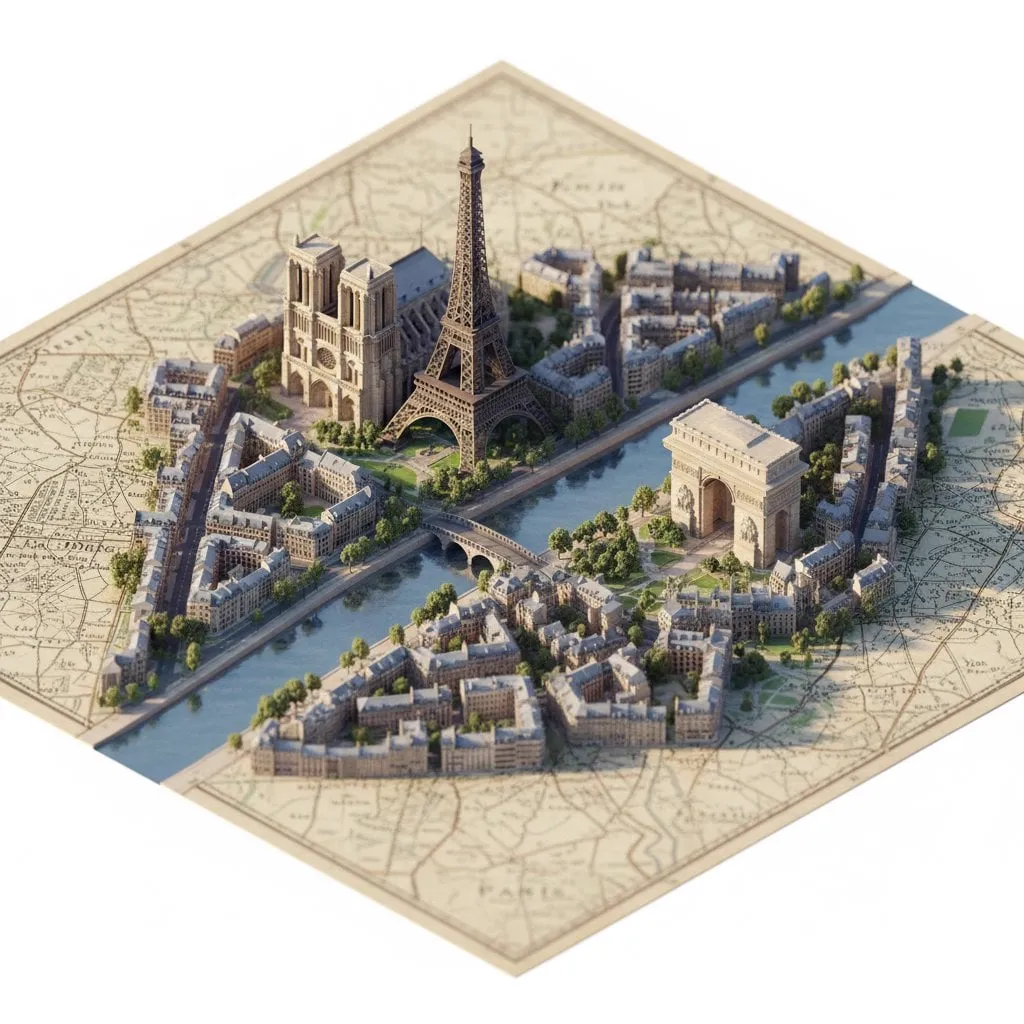
What Is Lego Pixel Image Processing?
Lego pixel image processing is a style-transfer technique that turns ordinary video footage into a blocky, brick-built aesthetic inspired by construction toys and retro pixel art. Instead of a soft photorealistic look, every object in the frame is rebuilt from chunky rectangular units, complete with glossy plastic highlights, visible seams, and the charming stiffness of a stop-motion diorama.
The technique matters because audiences are tired of homogeneous AI output. After years of photorealistic generators producing similar cinematic sunsets and perfect faces, creators are looking for an aesthetic that stands out in a feed. A brick-based visual language is instantly recognizable, emotionally warm, and surprisingly versatile. It works for product videos, music clips, children's content, game announcements, and brand campaigns that want to feel playful rather than corporate.
This guide explains how the technology works under the hood, walks through a practical production workflow, and covers the common pitfalls you need to avoid when rendering pixel-style video.
Why a Pixel Look Is Having a Moment
The Search for Authenticity
The current visual landscape is dominated by a search for authenticity and uniqueness. During the early wave of generative AI, output tended to homogenize: similar lighting, similar compositions, similar faces. Audiences responded with scroll fatigue. A distinctive visual style is now one of the strongest signals that a piece of content was made with intent.
The Nostalgia Factor
Blocky aesthetics tap into a deep vein of nostalgia. People who grew up with brick toys and 8-bit games respond emotionally to that visual language. Nostalgia drives engagement, sharing, and comments, which are exactly the metrics short-form platforms reward. A well-executed pixel conversion can make an ordinary concept feel like a beloved classic.
Technical Feasibility
Until recently, achieving a convincing brick look in video required laborious manual animation or expensive 3D software. Modern diffusion models can now render pixels that are not crude blocks but contain real lighting detail, glossy material textures, and depth. That jump in quality is what turned a niche novelty into a practical production technique.
How the Technology Works
Decomposition: Turning Pixels into Meaning
The core mechanism of pixel-style processing involves two main stages: visual decomposition and style-oriented reconstruction.
In the decomposition stage, the AI model analyzes the input image to identify edges, dominant colors, and depth. It asks questions like: where are the boundaries between objects? Which areas are in shadow? Which surfaces are facing the light source? The result is a structured understanding of the scene rather than a simple color mapping.
Style-Oriented Reconstruction
In the reconstruction stage, the model rebuilds the scene using the rules of the target aesthetic. Each region of the original image is converted into a cluster of block-like units. Crucially, the model preserves the relationship between light and form: a sphere still reads as a sphere even when it is built from rectangles, because the highlights and shadows are placed where a viewer expects them.
This is what separates a convincing brick render from a cheap mosaic filter. A mosaic filter averages colors in a grid. A proper style-transfer model understands the geometry of the scene and reconstructs it with intentional structure.
Temporal Consistency: The Hard Part
The biggest failure in generative AI video is character inconsistency between scenes. If the main character is converted to a pixel style in scene A, they might appear in a different style, or even a different shape, in scene B. Faces shift, outfits change color, proportions mutate.
Multi-image fusion addresses this problem. By feeding the model a set of reference frames showing the character from different angles, you give it a stable identity to work from. Every subsequent frame is generated relative to those references, which keeps the brick-built character recognizable across cuts. This technique is essential for any project longer than a few seconds.
A Practical Workflow for Pixel-Style Video
Step 1: Design the Character and Keyframes
Before generating anything, decide what your character looks like. Create a few reference images: a front view, a side view, and a full-body shot. Keep the design simple. Brick-built characters read best when their silhouettes are clear, their colors are distinct, and their accessories are limited. Too much detail turns into visual noise at small sizes.
Step 2: Generate Consistent Style Frames
Using your reference images, generate key poses for each scene. Describe the action, the emotion, and the lighting in your prompt. For example: "a brick-built astronaut waving at the camera, glossy plastic texture, soft studio lighting, pale blue background." Check that the character matches the references before you commit to the scene.
Step 3: Add Motion and Depth
This is where pixel processing differs from still-image filters. You need to think about how objects move through the frame. Fast motion is the hardest case, because the model must maintain the blocky structure while the object changes position frame by frame.
Using camera controls such as pan, zoom, and dolly adds a sense of depth to an inherently flat aesthetic. A slow push-in on a brick-built character feels cinematic; a quick zoom can feel like a video game cutscene. Experiment with both to find the rhythm that fits your story.
Step 4: Assemble and Polish
Combine your clips in an editor, add transitions, and layer in sound. Sound design does a lot of the heavy lifting for blocky visuals: tactile plastic clicks, mechanical whirs, and chunky footsteps sell the illusion that the world is literally made of bricks. Music that matches the playful mood reinforces the style further.
Solving Common Problems
Temporal Artifacts in Fast Motion
When a character moves quickly, the model sometimes fails to maintain the brick structure, producing wobbly or melting shapes. The standard fix is to slow down the action in your prompt, or to generate the clip at a higher resolution and downsample. You can also break the action into shorter segments and stitch them together, giving the model a simpler motion to handle in each pass.
Lighting and Depth Inside a Blocky World
A common beginner mistake is to keep the lighting flat, which makes the scene look like a static image. Use explicit lighting language in your prompts: directional light, rim light, soft shadows. Depth control features that let you define foreground and background separation help the blocky world feel three-dimensional rather than like a cardboard cutout.
Keeping the Aesthetic Intentional
Pixel style works best when it is deliberate. Mixing a brick-built character with photorealistic background elements can look jarring unless it is a conscious artistic choice. Decide early whether your whole world is blocky or whether only the main subject is. Consistency of intent matters more than technical perfection.
Lego Pixel vs. Hyper-Realism
Hyper-realistic generation aims to produce imagery indistinguishable from a real camera. It is the right choice for product commercials, architectural visualization, and cinematic drama. Pixel style makes the opposite promise: it announces itself as constructed, playful, and artificial.
That distinction has practical consequences. Realistic content competes with every other realistic video on the platform. Pixel content competes in a much smaller field, which means higher contrast in the feed and stronger brand recall. For short-form content, standing out is often more valuable than looking expensive.
Tools Worth Trying
You do not need one specific platform to create pixel-style video. Several modern image and video generation models can handle the aesthetic when prompted correctly. Start with image generation to nail your character design, then move to video generation for motion.
Popular video generation models include OpenAI's Sora series, which excels at physically consistent motion, Runway's Gen-4, which offers strong style control, and Kling's models, which handle dynamic action well. For image generation, Flux-based models offer excellent prompt adherence and material realism, which helps sell the glossy plastic look.
Editing tools matter too. A good non-linear editor with keyframing, masking, and speed controls lets you refine pacing and add the finishing touches that make generated footage feel intentional.
Choosing the Right Subject for Pixel Style
Not every subject benefits from a blocky conversion. The style shines when the subject has a clear silhouette, strong colors, and a friendly personality. Characters with simple shapes, vehicles with chunky forms, animals, robots, and food all translate beautifully into brick-built versions. Abstract or heavily textured subjects, such as dense foliage or intricate patterns, tend to read as noise once blockified.
Lighting is another deciding factor. Subjects photographed or rendered with strong directional light convert better, because the highlights and shadows give the reconstruction structure to hold onto. Flat, overexposed footage produces flat, muddy bricks. If you are planning a pixel-style project, design your lighting for it from the start rather than trying to rescue footage that was never meant for the style.
Motion matters too. Slow, deliberate movement lets the brick structure read clearly. Fast, chaotic action can blur the blocks into an unrecognizable mess. The most successful pixel-style videos tend to feature characters walking, waving, turning, and performing simple gestures, with the occasional dramatic action beat used sparingly.
Finally, consider the story you are telling. The style carries its own emotional baggage: it feels nostalgic, playful, and handmade. A heartfelt message can gain warmth from the aesthetic, while a serious corporate announcement might feel diminished by it. Choose pixel style when it amplifies the emotion of the story, not just because it looks distinctive.
A Pre-Export Checklist
Before you render the final version of a pixel-style video, run through this checklist to catch the most common quality problems:
- Character consistency: does the protagonist match the reference in every scene?
- Brick structure: are shapes readable, or are they melting into blobs in motion?
- Lighting: are highlights and shadows placed consistently across cuts?
- Color balance: does the palette stay consistent between scenes?
- Audio fit: does the sound design reinforce the blocky world?
- Platform framing: does the composition survive crop for vertical and horizontal layouts?
- Export quality: is the final file clean after compression?
Each item takes seconds to check and saves you from publishing a video that feels almost right. As a final habit, preview the exported file on at least two devices: a large screen and a phone. The blocky aesthetic renders differently at different sizes, and a look that is charming in the editor can become muddy on a small display.
FAQ
Can I apply this style to existing footage?
Yes. Style-transfer approaches can convert existing video into a blocky aesthetic, although the results are most convincing when the source footage has clear subjects, stable lighting, and moderate motion. Very fast camera moves and heavy grain make conversion harder.
How long does a pixel-style video take to produce?
A short clip of ten to fifteen seconds can be generated in minutes once your character and style references are ready. The longer part of the process is iteration: generating multiple takes, reviewing consistency, and re-rolling the clips that fail.
Is this style suitable for professional brand content?
It can be excellent for brands that want a playful or nostalgic identity. The key is intentionality. A polished brick aesthetic signals craft; a sloppy one signals a cheap filter. Invest in character design and lighting to keep the result professional.
What resolution should I generate at?
Generate at the highest resolution the model supports and downscale if needed. The blocky aesthetic actually benefits from downsampling, which hides minor artifacts and makes the brick structure feel more cohesive.
Do I need to understand coding or 3D software?
No. The technique relies on prompting and visual judgment rather than programming. Understanding composition, lighting, and character design is far more valuable than technical skills.
Final Thoughts
Lego pixel image processing is a reminder that the most valuable creative tool in the AI era is a point of view. The technology to render blocky, brick-built worlds is now accessible to any creator with a clear idea and a willingness to iterate. Start with a single character, a single scene, and a strong sense of what you want the audience to feel. Then let the models handle the pixels while you handle the story.
