
From Script to Screen Without a Crew
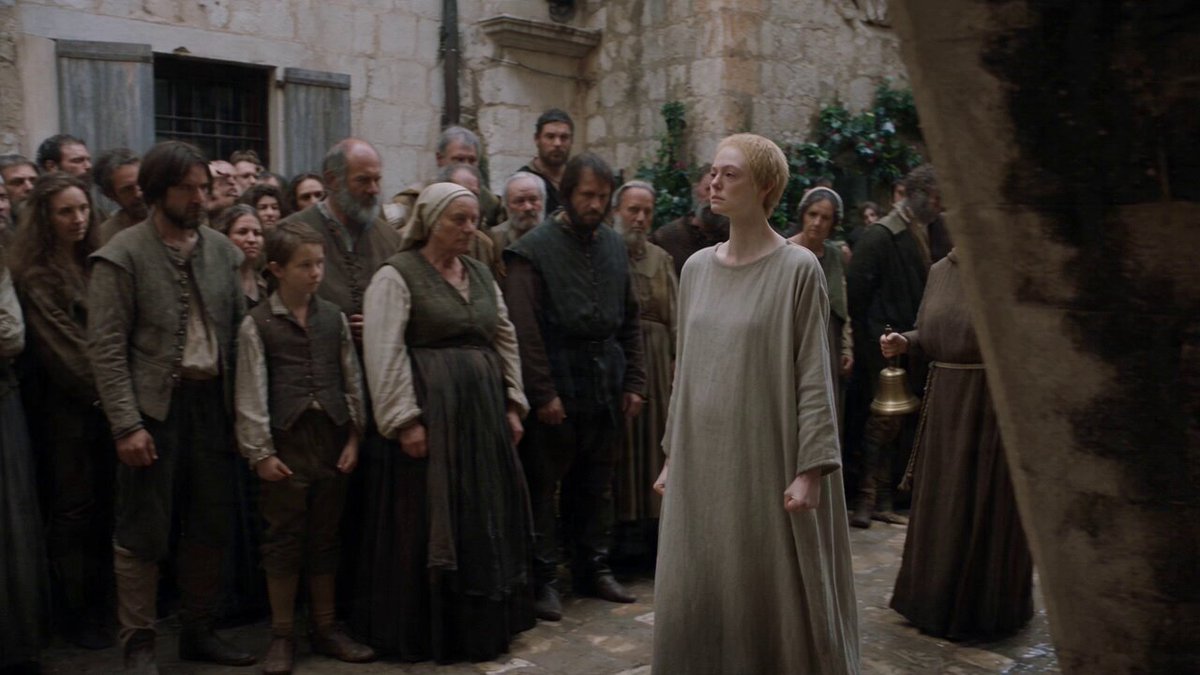
Making a film used to require a very specific set of resources: a camera, lights, actors, a set, and enough budget to keep everyone fed for the duration of the shoot. Generative AI has not removed all of those requirements, but it has collapsed the distance between an idea and a moving image. Today you can write a scene description, generate the visuals, and assemble a coherent sequence in a single day.
The real shift is not that clips are easy to make. It is that the whole production pipeline, from concept to finished footage, is becoming software. Scripts become prompts, prompts become shots, shots become scenes, and an AI director-style assistant keeps the visual language consistent across all of them. This guide walks through the practical path from text and images to a finished film-style project.
The New Production Pipeline
A modern AI film workflow has five stages, and each one can be handled with tools that exist today.
- Development: write the story, break it into scenes, decide the visual style.
- Pre-visualization: generate concept images for characters, locations, and key moments.
- Generation: produce the shots, using text prompts, reference images, or both.
- Assembly: edit the clips into a sequence with pacing, music, and sound.
- Finish: grade the color, add effects, and export for the target platform.
The power of this pipeline is iteration. In traditional production, changing the style of a film after shooting is nearly impossible. In the AI pipeline, you can regenerate the entire look of a project from concept art, because the visuals are produced from descriptions and references rather than captured on location.
Development: Turning an Idea Into Scenes
Writing for generation
Generative models respond well to concrete, visual language. Instead of "a sad scene in the rain," write "a woman in a gray coat stands under a metal awning, rain streaming past the edge, neon reflections on the wet street, camera slowly pushing toward her face." The model has something to work with.
Break the story into shots rather than paragraphs. Each shot is one generation. Think in terms of composition, camera movement, and lighting for each one. This discipline, borrowed from storyboarding, is what turns AI output from random clips into a deliberate sequence.
Defining the visual language
Before generating anything, decide the look of the whole film: color palette, lens style, lighting approach, level of realism. Write this as a style statement and reuse it in every prompt. Consistency across the project depends on a stable style reference, not on luck.
Pre-Visualization: Building the World in Still Images
Characters and consistency
The most reliable way to keep a character recognizable across a film is to define them visually before generating any motion. Create a character sheet: several still images of the same person from different angles, in the clothing they wear in the story.
Modern image generation makes this practical. Generate the face, then generate additional views conditioned on the first image. The character sheet becomes the anchor for every shot in the film, and the generation stage references it instead of rediscovering the character from text.
Locations and keyframes
The same logic applies to locations. A consistent street, room, or landscape needs a visual reference. Generate concept stills for the main locations, including different lighting conditions if scenes occur at different times of day. These stills serve two purposes: they establish the look, and they become input images for the video generation stage.
Generation: From Text and Images to Shots
Text-to-video: when the scene starts from words
Text-to-video is the most direct path: describe the shot, and the model produces it. Current models handle realistic motion, camera moves, and even complex scenes with multiple subjects. The limitation is control: what the model imagines from your words may differ from what you pictured.
Image-to-video: when you need control
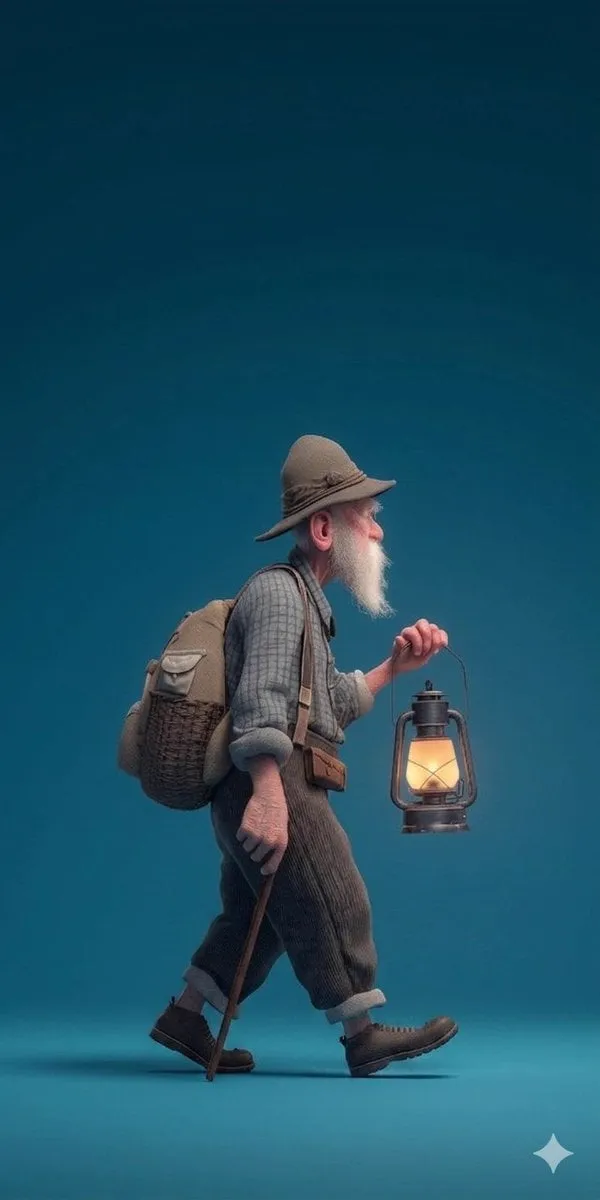
Image-to-video gives back control. Feed the model a concept image or keyframe, and it animates that specific frame. This is the workhorse of consistent productions: the character sheet guarantees the face, the location still guarantees the environment, and the model supplies the motion between frames.
Multi-image fusion: anchoring identity across shots
For scenes that must match exactly, fuse multiple images into the generation: the character sheet, a location reference, and a composition sketch. The model conditions on all of them, narrowing the output to the intended scene. This technique is what makes multi-scene narratives feasible, because identity and environment stay anchored instead of drifting shot to shot.
The Director Layer: Keeping the Film Coherent
An AI director as a production assistant
The newest tools add a director-style layer on top of generation. You describe the scene and the emotional beat; the assistant proposes framing, camera movement, shot flow, and transition logic. It does not replace creative judgment, but it provides the kind of structural guidance that comes from experience.
For a solo creator, this closes a real gap. You may know exactly what you want to feel, but translating that into camera language is a craft. The assistant supplies the craft; you supply the intent.
Storyboards and shot flow
Directorial assistance also helps with shot flow: which shots to cut between, when to hold, when to move the camera. A consistent shot language, wide establishing shots followed by medium coverage and tight close-ups at emotional peaks, makes the film read as directed rather than assembled.
Assembly: Editing Clips Into a Film
Generation produces shots; editing produces the film. The editing stage is where AI films either come together or fall apart.
- Cut on motion: start the next shot where the previous one has energy.
- Hold the best moments: a single strong shot can carry a scene.
- Use sound to bridge cuts: music and ambience smooth over the joins.
- Vary the rhythm: long takes for tension, quick cuts for energy.
- Let the story dictate the pace, not the number of clips.
The tools are the same editing software used for traditional video. The difference is the material: you are assembling generated shots instead of filmed ones, which means more flexibility and more responsibility for the final look.
Finish: Making It Look Like a Film
Grading and texture
Generated footage tends to look clean, even sterile. Color grading fixes the mood: warm tones for nostalgia, cool tones for tension, high contrast for drama. Adding grain or film texture covers the digital smoothness and gives the footage a photographic quality.
Sound design
Sound is half the experience. Ambience, room tone, foley, and music transform flat clips into a believable world. Many AI projects skip this and feel unfinished precisely because of it. A simple sound pass, even just music plus ambience, changes everything.
Export strategy
Export for the target platform: vertical for short-form social, 16:9 for cinema-style projects, with the appropriate resolution and bitrate. Keep masters in high quality and generate platform versions from them.
Practical Models and Tools
The model landscape changes quickly, but the current toolkit is broad enough to cover every stage. OpenAI Sora and Kling AI are strong for photorealistic, complex motion. Runway's Gen series excels at control and editing integration. Flux and similar image models handle the still-image stage, including character sheets and concept art. Pika, MiniMax, and PixVerse cover fast, stylized generation, while Wan and other first-last-frame models provide precise shot control.
None of these are mandatory. Start with what is available in the platform you already use, master the workflow, and expand when a specific job demands a specific strength.
Common Mistakes and How to Avoid Them
- Generating shots before defining the style, then wondering why nothing matches.
- Skipping the character sheet, then fighting face drift for the whole project.
- Using one model for every shot, even when the scene demands different strengths.
- Editing everything into the film, when cutting is the more powerful tool.
- Releasing footage without a finish pass, then calling the result "AI look."
Distribution and Monetization of AI Films
Making the film is half the work; getting it seen is the other half. AI films have a natural advantage in distribution because they can be adapted quickly to different platforms and audiences.
Short-form platforms reward volume and iteration. A film concept can be cut into a series of vertical clips, each with its own hook, and tested against the algorithm. The clips that perform best reveal which angles of the story resonate, and those insights feed back into the next production cycle. This is a fast feedback loop that traditional production cannot match, because there is no reshoot cost for a new angle, only a new prompt and an edit.
Client work is the most direct revenue path. Brands, agencies, and small businesses need visual content faster than traditional production can deliver, and many are willing to pay for speed and iteration. The pitch is simple: concept art becomes moving footage, style changes cost nothing, and revision cycles shrink from weeks to days. The discipline of the pipeline, character sheets, style references, and clean assembly, is exactly what makes client work reliable enough to sell.
Stock and licensing markets accept generated footage on many platforms, and the volume advantage applies here too: a library of consistent, niche-specific clips can cover searches that traditional stock libraries leave empty.
The longer-term play is intellectual property. A consistent character built with the techniques in this guide can appear across short films, series, branded content, and merchandise. The character model and the style reference are assets that appreciate with every production, because each new film adds to the recognizable universe.
Whatever the path, the quality bar is set by the audience, not the tool. Distribution algorithms reward engagement; clients reward reliability; audiences reward stories. The pipeline gets you to the starting line; the craft of the edit and the strength of the concept decide how far you go.
Frequently Asked Questions
How long does an AI film take to make?
A short film of one to three minutes can go from script to finished edit in a few days, once the workflow is familiar. The bottleneck is usually the edit and sound, not the generation.
Do I need to know how to draw?
No. The still-image stage uses generative image tools, not illustration skills. Visual sense helps, but the tools do the drawing.
How do I keep characters consistent?
Build a character sheet with image generation, then use image-to-video and multi-image fusion so every shot references the same visual identity.
Can I make money with AI films?
Yes: client work, social content, stock-style footage, and branded storytelling are active markets. The quality of the edit and the originality of the concept determine the value.
What hardware do I need?
Almost none. The heavy compute happens in the cloud. A normal laptop handles the editing.
Is AI filmmaking going to replace traditional crews?
Not in the near term. It changes which projects need crews and which do not. Traditional production still wins for real actors, real locations, and complex interaction; AI production wins for speed, iteration, and impossible visuals.
How do I keep the style consistent across a long project?
Write a style statement at the start, reuse it in every prompt, and generate style references for every major scene. Check each batch of shots against the references before assembly. Consistency is a review habit, not a setting.
What if the model produces a shot I cannot fix?
Cut it. One weak shot breaks the sequence; removing it rarely does. If the shot is essential, change the approach: use a different reference image, simplify the motion, or replace it with an image-to-video generation from a concept still.
Do I need music rights for the soundtrack?
Yes. Use licensed or royalty-free music, or generate original scores with AI music tools. Audio rights are a legal requirement, not a creative preference, and platforms enforce them.
How do I get better over time?
Keep a production log: what you prompted, which model, which settings, what worked, what broke. Review it before each new project. The log turns experience into a repeatable process, which is the difference between luck and a craft.
