
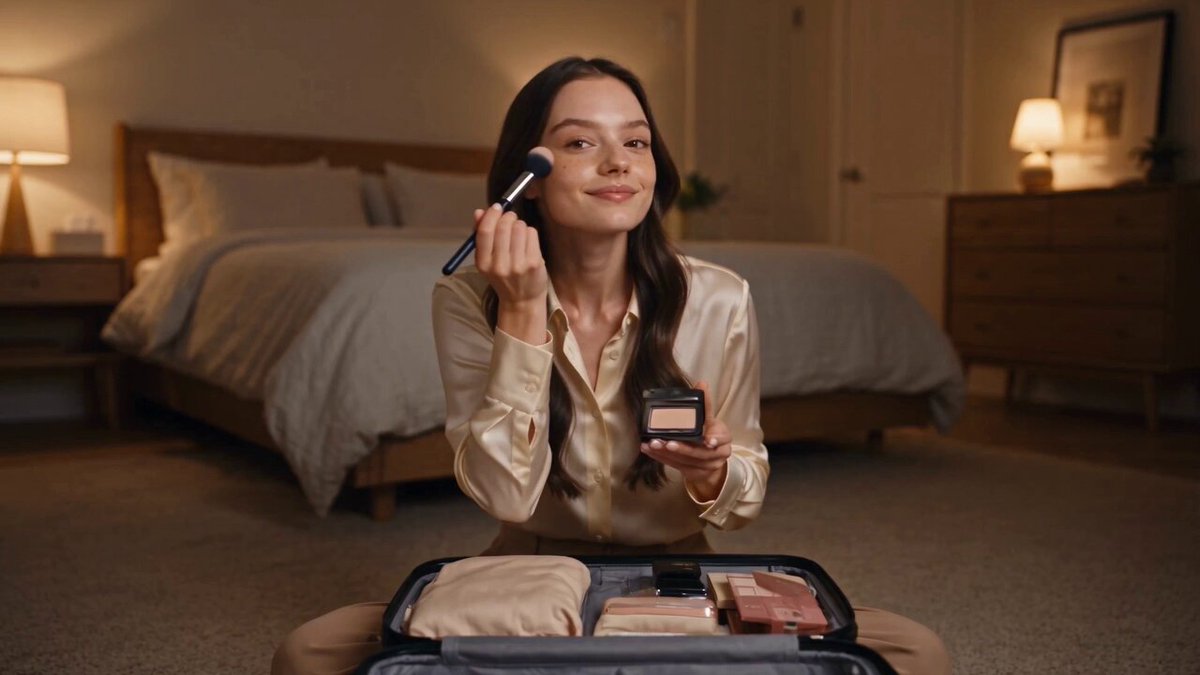
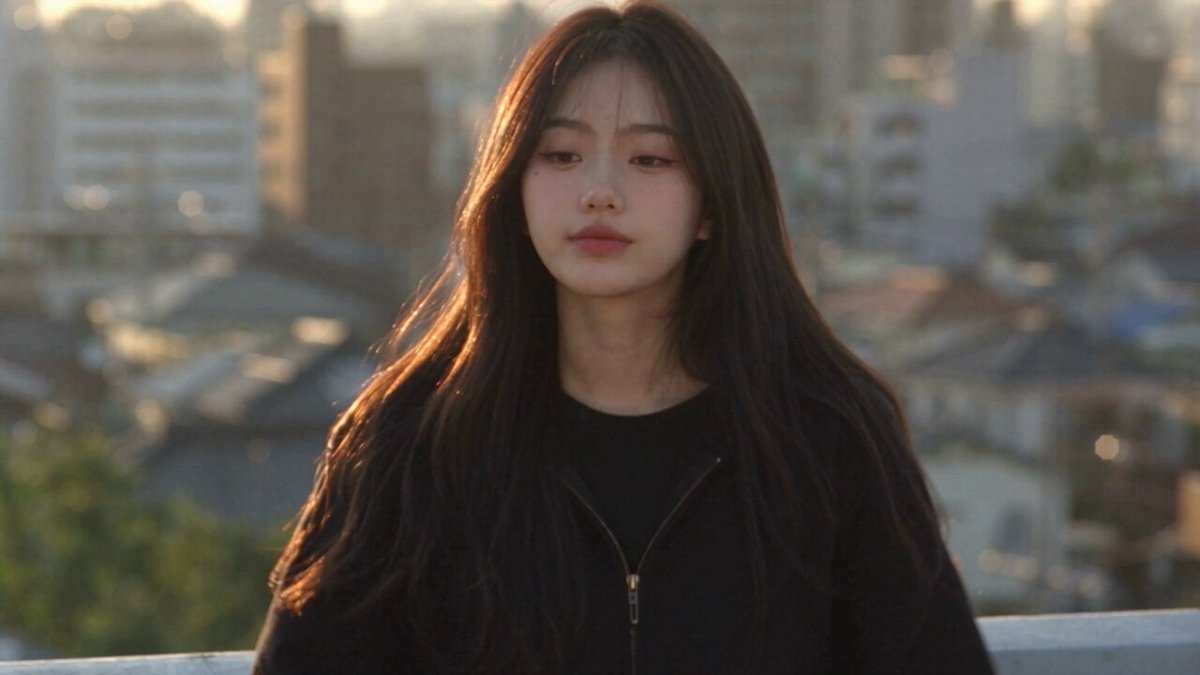
Making videos with artificial intelligence has moved from an experimental novelty to a core production skill, and Dutch creators have been quick to adopt it. Whether you produce social media clips, YouTube content, brand videos, or documentary-style pieces, AI tools now let you work at a pace that was impossible just a few years ago. This guide is written specifically for creators in the Netherlands who want to build a reliable, repeatable video production workflow with AI, without getting lost in a sea of tools.
We will walk through the foundations of AI video production, how to navigate a model library and choose the right one per scene, how to keep characters and environments consistent, how to handle project management across multiple shots, and how to build a sustainable process that protects both your quality bar and your time. Along the way you will find practical recommendations and clear decision criteria based on what actually happens in daily production.
The creative sector is shifting
The Dutch creative sector is in the middle of a real shift, driven by the rapid adoption of generative AI in production. Studios, small agencies, and independent creators are all asking the same question: how do I produce more content, faster, without losing the quality that my clients expect? The answer is not a single magic tool but a sensible process that combines generation, references, editing, and sound design.
What makes this moment different from earlier hype cycles is maturity. Modern models handle photorealism and complex camera movement well, which means AI-generated material can sit comfortably next to conventionally shot footage in a single edit. That maturity opens the door for serious, professional use rather than just playful experiments. The opportunity for Dutch creators is to build a process now that gives them an edge as the technology keeps improving.
Building the foundation of a workflow
The most important step is not choosing a model; it is defining the foundation of your workflow. Decide from the start how you will move from an idea to a finished piece: a brainstorm phase, a reference phase, a generation phase, and an edit phase. Keeping these separate prevents waste, because you only spend your most expensive generation capacity on validated ideas rather than on shots that nobody has approved.
A good foundation also means organizing your assets. Set up folders for each project, keep your successful prompts in a notes file, and store every approved reference image where you can reuse it. This may sound bureaucratic, but for AI work it is the difference between steadily improving and constantly re-doing your own work from scratch. Consistency in storage makes consistency in content much easier to achieve.
Navigating a model library
A video generation library can feel overwhelming at first, but in practice you only need a small, well-chosen set. Keep one model for photorealistic scenes, one for motion and action, one for stylized or animated looks, and one fast option for quick idea exploration. Assign each model to a job rather than memorizing names, so your choice is always deliberate.
To make this concrete, test the same prompt across two or three models and note how each interprets the visual language. You will quickly learn which one matches your style. Rotate through your small set as projects differ, and resist the temptation to chase every new release. A stable, familiar kit produces far better and faster results than constantly switching between unfamiliar tools.
Consistency with multi-image fusion
The most frustrating problem in AI video is a character that changes appearance between shots. Multi-image fusion solves a big part of this. Instead of generating each scene purely from text, you feed the model a stable reference image of the character or the environment, and it keeps that visual identity stable while animating the new scene. This is the single best weapon against the dreaded "melting face" between takes.
Combine this with a consistent central description. Repeat the exact same character description in every prompt, and use the same environment reference whenever the scene is the same place. Together, reference images and repeated core prompts give you the continuity that makes a series of clips feel like a single, coherent piece rather than a random collection.
Managing projects and framing a sequence
When a project contains multiple scenes, a little project management goes a long way. Before you generate anything, define the shots you need, the framing of each one (close-up, medium, wide), and the emotional arc. This reduces random generation and focuses your capacity on exactly what the story requires. A quick shot list, even on paper, turns an idea into a production plan.
For more control over timing and composition, use a keyframe approach: define the start and end state of a sequence and let the model fill in the motion between them. This lets you steer how the action unfolds instead of accepting whatever the model decides on its own. Combined with good references, this is how you get scenes that match your intention rather than scenes that merely look impressive.
Making post-production part of the plan
Generation is only part of the job. Post-production, where you assemble the edit, adjust pacing, add captions, and handle sound, defines the professional feel of the finished piece. Plan for this from the start by generating material that is already easy to cut: consistent framing, coherent characters, and clean transitions between shots. The easier the footage is to edit, the faster the entire project moves.
Sound design deserves its own place in your process. Voiceovers, background music, and subtle effects transform a sequence into something that feels finished. Working on sound in parallel with the visuals, rather than as an afterthought, keeps the pacing honest, because you know how long each scene needs to breathe. Many projects fail not in generation but in the leap from impressive clips to a coherent, finished video.
Treating quality as a habit
Technical quality in AI production is less about one great render and more about consistent habits. Always generate multiple variants of a shot and pick the best visually, rather than accepting the first attempt. Keep your references updated and reuse them across projects. And build a small checklist you run before every export: correct resolution, correct aspect ratio, clean audio, no garbled on-screen text.
Developed over a few projects, these habits become automatic and prevent the small mistakes that force retakes. The result is a workflow that produces reliable quality with predictable effort, which is exactly what a professional creator needs to run a production calendar without burning out. Quality rises steadily because the process keeps catching problems early.
Getting the most from sound and AI voice
Modern AI tools can produce voices for narration and even draft music beds, which is a powerful asset for a small team. A synthesized voiceover can stand in for a hire until you can afford a professional, and a generated music draft lets you test pacing before the final score exists. Treat the audio as a first-class track, not an afterthought.
For a more natural result, keep the narration language consistent with your target audience and adjust pacing to match the visual rhythm. Dutch audiences, like many others, respond well to clear, natural speech over synthetic-sounding reads, so evaluate the voice early in the process. Sound is half the emotional experience, and investing in it pays back in watch time and perception of quality.
Common pitfalls and fixes
A few problems recur across AI video projects, and knowing the fixes keeps production moving. Face inconsistency is resolved by stronger references and a constant central description. Unnatural motion responds to simplifying the requested movement. Flickering light is usually a sign of ambiguous lighting in the prompt; describe the light source and time of day specifically. And readable on-screen text is better added in editing than generated.
Keep this list somewhere handy and review it when something looks off. Most of the time a targeted adjustment fixes the issue rather than requiring a full rerender. Treating these fixes as routine rather than emergencies is what turns AI production from a source of stress into a dependable method.
Frequently asked questions
What should a good video prompt contain? Four things: a clear subject, a defined setting, an explicit action, and an atmosphere of light and emotional tone. The more precise the motion and framing, the more predictable the result.
Do I need to master every tool available? No. The efficient choice is a small kit, one per type of task, learned well. Switching tools every week prevents you from building the repertoire that delivers consistent results.
How do I know a result is ready to publish? Run three checks: the composition is balanced, the character stays coherent between frames, and the motion serves the intent of the scene. If a flaw shows, fix the prompt rather than accept the take.
Can I combine takes from different models? Yes, when the visual language is compatible: color palette, light style, grain, and realism level. Compare the first takes from each model side by side before you start editing.
Building a feedback routine
Most production mistakes reappear because nobody reviews systematically. Add a short feedback step at the end of every phase: review the references, check the final takes against them, and note what worked. This routine catches problems early, when they are cheap to fix, rather than in the final edit when options are limited. Over time it becomes the habit that quietly lifts your average quality higher than any single tool choice.
Deciding between owned methods and fast experiments
Keep two clearly separated tracks in your workflow. One is the safe, proven path: reusable references, familiar models, and your standard phasing, which you use for reliable client work. The other is the experiment track, where you test new styles, betas, and risky ideas on fast models without production constraints. Protecting these tracks from each other means your tests never compromise deadlines, and your paid work always ships at a consistent standard.
Do I need technical skills to start with AI video? No. You can begin with a browser and a clear idea, then build a process step by step. The underlying skill is describing scenes well and organizing your references, not coding.
How do I keep the same character across scenes? Use a stable reference image of the character and repeat the exact same description in every prompt. Multi-image fusion builds on that foundation to hold the identity during animation.
Should I start from text or from an image? Text is quick for exploring; an image gives total control and is best for recurring characters and brand consistency. Serious production uses both in order: text to experiment, image to produce cleanly.
How long does it take to make a short video? From a few seconds to a few minutes per shot, depending on model and resolution. A phased workflow keeps you productive instead of waiting on one shot at a time.
Can I use AI-generated video for client work? Yes, when you maintain references, choose models deliberately, and finish with a solid edit and sound pass. Many small studios already ship client work built this way.
Recording what works for you
As you gain experience, build a personal playbook of what works: which prompts suit certain scene types, which models handle faces best, how you most reliably describe light. Record these findings in a simple document, updated at the end of each project. Before long, every new production starts from proven solutions rather than from scratch, and your average quality rises without extra effort. This small personal archive is one of the most underrated and most rewarding assets in AI video production.
Conclusion and next steps
AI video production is a practical skill that rewards structure. The winning formula is a clear process: describe ideas precisely, lock down references, generate in phases, choose the right model per task, handle sound with intention, and fix typical problems with targeted adjustments. Held together, these habits give you consistent, professional results that you can genuinely publish or deliver.
Start with one small, controlled project: a single character, one setting, two shots. Build your reference library and notes as you go. Within a short time, the slowest part of your work will not be generation but deciding which creative idea to pursue next, and that is exactly where a creator's energy belongs. The tools provide the motion; the vision and the craft remain yours.
