
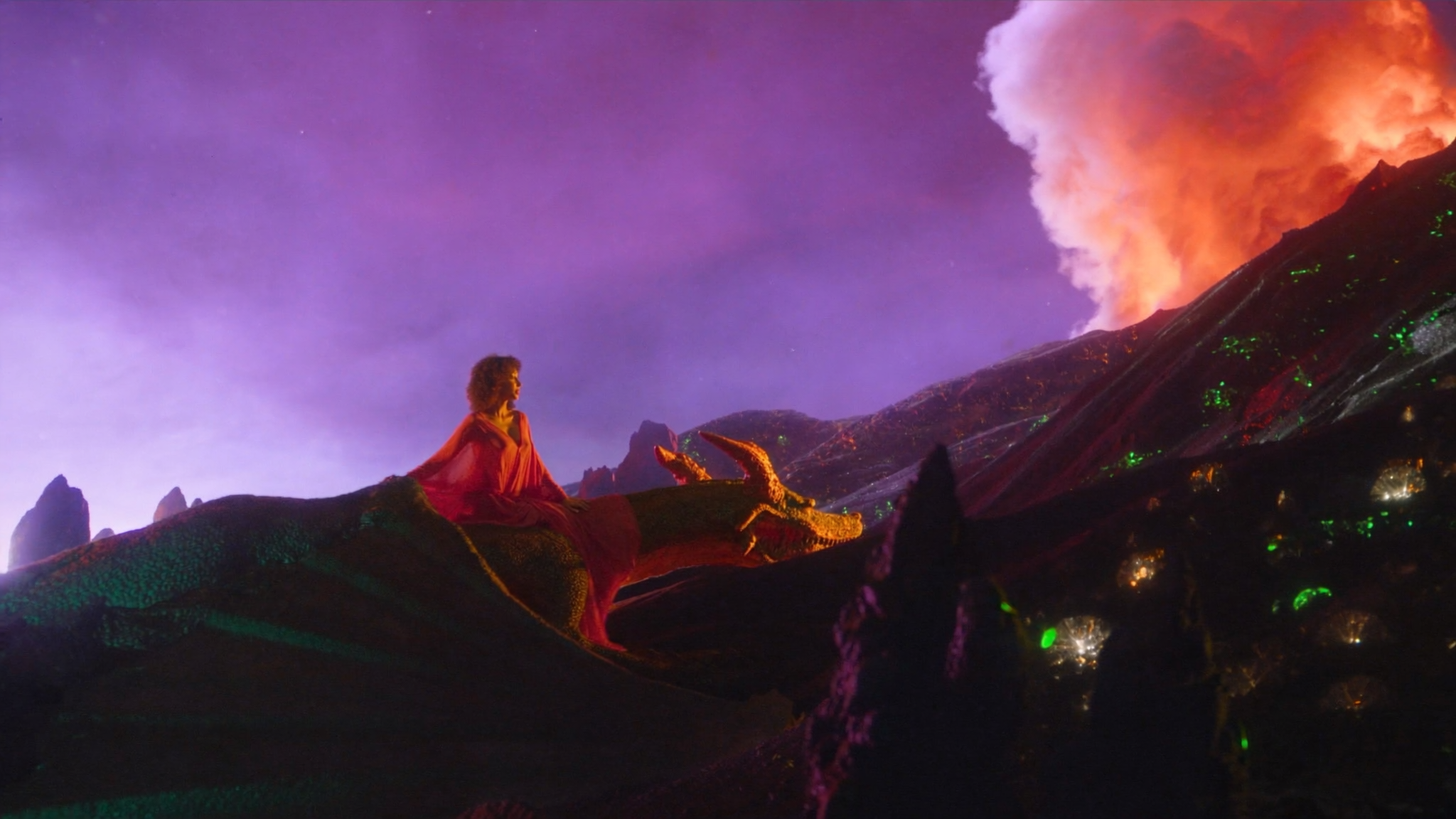
Everyone who works with generative video has felt the frustration: you prompt for a character, get a beautiful frame, and then watch that same character silently change face, wardrobe, and build in the very next shot. The two biggest names in the space, OpenAI's Sora and PixVerse, deliver remarkable realism, but keeping one unified person and a single visual style across a sequence remains the hard part.
Multi-image fusion is the technique that attacks this problem head-on. Instead of asking a model to invent a character from a one-line description, you feed it multiple reference images and let it extract the stable identity underneath. The result is a video where the protagonist stays recognizably the same person across cuts, angles, and lighting changes. This guide explains how the technique works, why it matters, and how it stacks up against what Sora and PixVerse currently offer.
Why Consistency Is the Real Bottleneck in AI Video
Text-to-video is no longer the bottleneck. Models trained in the last two years can generate fluid, photorealistic motion that guesses camera movement, physics, and even subtle emotion. The gap is not in motion; it is in identity. A single satisfying clip is increasingly easy to produce, but the moment you want a serialized story, a character study, or a branded campaign with talking heads, the pieces stop fitting together.
The economics of this matter too. The generative video software market is widely projected to keep climbing through the late 2020s, and a large share of that growth depends on professional use cases such as shorts series, advertising, and narrative content. Professionals do not ship isolated clips; they ship episodes, ads, and explainers where the same subject must recur. Without consistency, no amount of per-frame realism rescues a project.
What Multi-Image Fusion Actually Does
At a high level, multi-image fusion turns several reference images into a single compact identity representation. It works in roughly four stages.
First, the system analyzes the reference set and pulls out the stable visual attributes: bone structure, hairline, eye spacing, skin tone, signature outfits, or brand colors. Second, it separates those durable traits from transient ones such as a specific expression or a one-off shadow. Third, it condenses everything into a reusable reference vector. Finally, that vector is attached to generation requests so every subsequent shot inherits the same identity.
The nuance sits in the phrase stable attributes. A good fusion pipeline does not average the images; it learns which features repeat across all of them and treats those as the identity. If five reference photos show the same character in different poses, the model learns that the face and silhouette are the constant and the pose is the variable.
How a Multi-Image Approach Compares to Sora and PixVerse
Character Consistency
Sora is extraordinary at physical plausibility and world-continuity, but character persistence across separately generated clips has historically been its weak point. PixVerse has made strong progress in branded consistency, yet both tools still lean heavily on long, descriptive prompts to hold a character together. Multi-image fusion shifts that burden from words to pixels. You show what the character looks like instead of describing it across four hundred tokens, and the model has far less room to drift.
Style Control
Stylistic consistency is where multi-image fusion shines brightest. When a series needs a unified look, locked lighting, or a shared color palette, a text prompt can nudge a model but rarely pins it down. Feeding the model reference frames from the same visual language gives the generator a concrete target. The style stops being an aspiration and becomes data.
Flexibility and Speed
Sora and PixVerse compress tremendous power into a single model, which is convenient, but it also limits how much you can steer the output. A fusion pipeline is modular by nature. You can pair the same identity with a realism model, a stylized anime model, or a cinematic model and keep the character recognizable across all of them. That modularity is a real advantage for teams that switch aesthetics per project.
Choosing the Right Tooling for Your Workflow
There is no single winner; there is a right fit. Here is a decision framework that works in practice.
If you need photorealistic, physically consistent motion and only short clips, Sora is hard to beat and you can tolerate some character drift. If you need fast generation with strong out-of-the-box branding features on social cuts, PixVerse is a solid choice, especially before you hit its limits on long narratives.
If your work is narrative, serialized, or brand-critical, prioritize a workflow with first-class multi-image fusion. Look for these capabilities:
- a dedicated character or style reference store rather than a single ad-hoc image;
- the ability to reuse one identity across different generation models;
- preview tools that show how a reference was understood before you commit.
When you evaluate tools, ask three questions. Can I lock a character today and still recover it next week? Can I apply that same character across several different models? Can I audit how the reference was interpreted before generating? If a tool answers yes to all three, it will save you hours of regeneration.
Practical Workflow: From References to a Consistent Scene
A repeatable workflow looks like this.
Define the identity set first. Gather five to eight clear images of the character or the product from different angles and in consistent lighting. Avoid heavy filters and mixed art styles in the same reference batch.
Build the reference signature. Upload the set to your tool and review what it extracts. Most good systems show you a preview or a diagnostic of the extracted traits. Correct at this stage, not after generation.
Generate a calibration shot. Make one short clip in a simple, controlled setting. Check the face, the color of the outfit, and the general mood against your intent.
Extend into a series. Only once the calibration clip looks right should you generate the full sequence, scene by scene. Keep the reference attached to every subsequent job so traits do not silently drift.
Color-grade at the end. Artistic grading on the final render unifies lighting across shots that were generated independently, cheap insurance for the last mile.
Common Pitfalls and How to Avoid Them
Low-quality references poison everything. A blurry or badly lit reference teaches the model to reproduce that blur. Quality beats quantity.
Mixed styles break extraction. Do not combine a photoreal photo with an anime illustration and expect a single identity. Keep the reference set stylistically coherent.
Over-reliance on a single image. One reference gives the model too little signal and too much freedom to invent. Use multiple views of the same subject.
Skipping the calibration clip. Generating a full scene from a fresh reference is a gamble. One cheap calibration shot catches most problems early.
Editing references aggressively. Cropping a face so tightly that the model loses context can strand the generation. Give the model enough surrounding context to place the character in space.
When Single-Prompt Generation Is Good Enough
Multi-image fusion is not always the answer. For one-off hero shots, meme clips, or experiments where the character changes each clip anyway, a single descriptive prompt is faster and cheaper. Adopt the heavier workflow only when recurrence is part of the job. Serialized formats, episodic ads, product families, and anything with a recurring presenter are the cases where the setup cost pays you back many times over.
Real-World Scenarios Where Multi-Image Fusion Wins
Concrete scenarios clarify whether the extra setup is worth it. A few common ones illustrate the decision well.
Brand campaigns. A company promoting a line of products needs the same product rendering, the same packaging, and the same brand colors across a dozen social spots. Each spot is a separate generation, yet the product must read as one physical object. Multi-image fusion locks that identity once and reuses it for every asset, something a text prompt simply cannot hold steady. This is the single highest-leverage use case for fusion.
Serialized storytelling. A short-form series following one protagonist across episodes depends on the protagonist remaining recognizable. Without a locked identity, the lead changes face between episode one and episode two and the audience stops caring. Fusion is the difference between a series and a loose collection of clips.
Tutorials and educational content. When you demonstrate a process with a recurring teacher or a recurring diagram style, viewers learn faster when the visual identity is constant. A stable host, even a virtual one, becomes a progress marker the viewer can latch onto.
Marketing localization. When you adapt a hero asset for many languages and markets, keeping the on-screen product and characters identical while swapping text and voices is essential. Fusion keeps the visual core consistent across every localized variant, so the campaign still reads as one initiative.
Estimating Whether the Setup Cost Is Worth It
Every fusion workflow adds a setup step, so it is fair to ask whether the added effort pays for itself. The rule of thumb is simple: the more times you reuse the same identity, the more valuable fusion becomes.
A single one-off clip that will never be repeated does not justify the overhead. Ten clips that all feature the same character or product absolutely do. Model the break-even by counting how many generations will share the identity, and multiply by the cost of regenerating inconsistent shots. In most serialized or brand work, fusion pays for itself on the first production run and becomes pure savings afterward.
Integrating Fusion with Your Existing Editing Pipeline
A fused identity is not only for raw generation; it plays well with a normal post-production flow.
In your editor, keep the reference image set and the generated signature in the same project folder as your favorite selection of clips. When you need to regenerate a scene or add a new shot, you can pull the identity forward instead of hunting for reference files across projects. Name and version your reference sets, the way you would version any other creative asset, so a year later you can still recover the exact identity from an earlier campaign.
Treat the generated signature as a living reference that evolves with the brand. When the brand palette or the character's wardrobe changes intentionally, update the reference set and re-record the calibration shot before the next production cycle. That discipline keeps long-running projects coherent even as they change direction.
Frequently Asked Questions
Will multi-image fusion make my characters identical in every frame?
It dramatically reduces drift but cannot guarantee pixel-perfect identity under extreme poses or dramatic lighting changes. Expect strong, recognizable consistency rather than mathematical absoluteness.
Do I still need to write detailed prompts?
Yes, but far less. Multi-image fusion replaces the identity description; you still need prompts for action, camera, and mood.
Can I use the same character across different models?
With a modular fusion pipeline, yes. The extracted identity is model-agnostic, so you can keep a character while swapping between a realism and a stylized model.
Is fusion slower or more expensive than text-to-video?
Usually slightly, because the system runs reference analysis first. The extra cost is small next to the cost of regenerating an inconsistent scene.
How many reference images should I use?
Five to eight well-chosen images, with good variation in pose and consistent lighting, outperform both a single image and a large, sloppy batch. The identity signal comes from what the images have in common.
Final Thoughts
The generative video space is fast becoming a contest over control rather than novelty. Sora and PixVerse set a high bar for raw generation quality, and both keep improving their consistency features. But the technique that genuinely moves the needle for storytellers is multi-image fusion, because it converts identity maintenance from a prompt-crafting problem into a data problem. Feed the model good references, lock the identity, and then let it handle the motion.
For anyone producing episodic or brand-driven video today, learning a fusion-based workflow is not an optional luxury. It is the difference between a portfolio of one-off clips and an actual series audiences can follow.
