

The New Standard for AI Image Generation
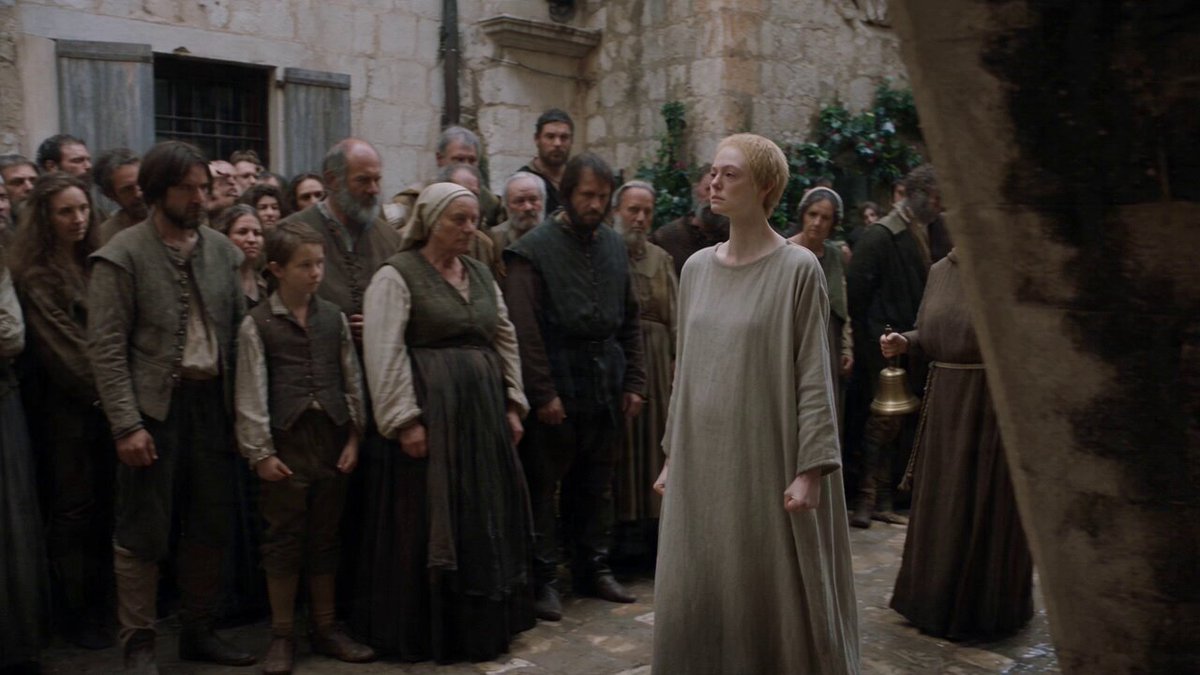
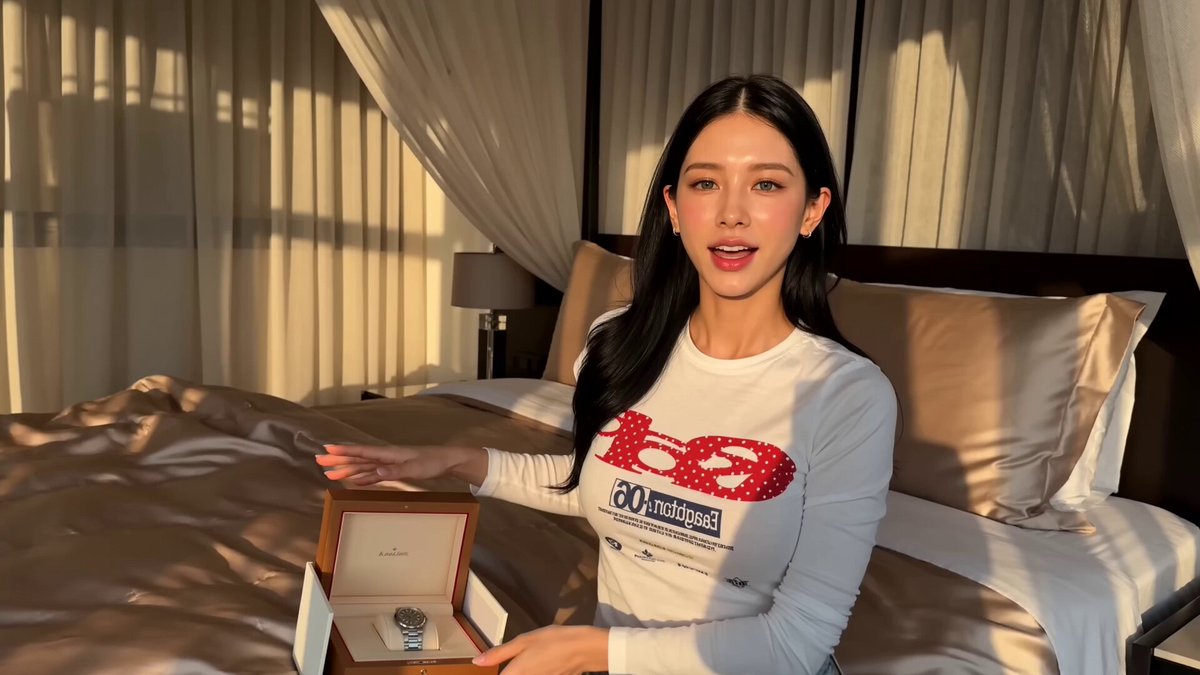
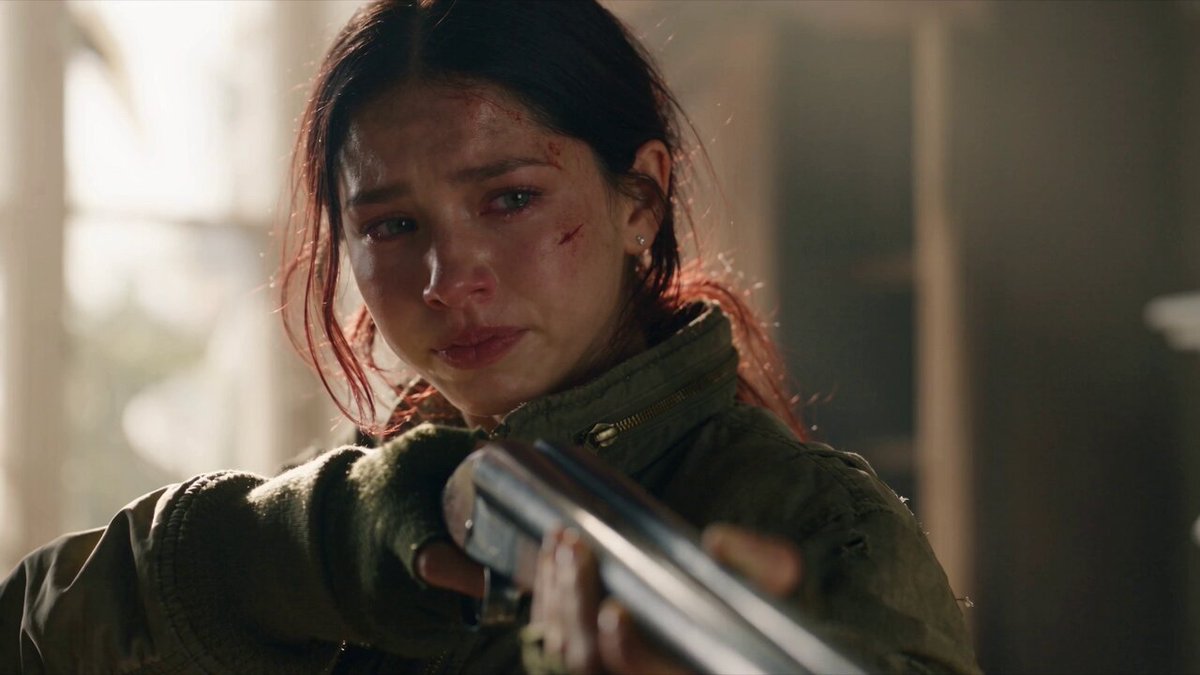
Photorealism used to be the hardest goal in AI image generation. Early models produced dreamy, painterly images that were clearly artificial: waxy skin, melted text, impossible hands. That era is over. The latest generation of image models produces results that are effectively indistinguishable from photographs, and the gap keeps shrinking every few months.
This matters far beyond novelty. Photorealistic AI images are now used in commercial advertising, product visualization, architecture presentations, stock photography, book covers, and editorial design. A brand can visualize a product before it exists in a factory. A real estate developer can show a building that has not broken ground. A small business can produce campaign imagery that once required a photo studio and a model.
The technology has reached the point where the constraint is no longer "can the tool do it?" but "do you know how to direct it?" This guide explains how modern AI image generation works, which families of models are best for which jobs, how to control detail and consistency, and how to build a repeatable workflow for photorealistic art.
How Photorealistic Generation Works Today
Modern image models are built on diffusion architectures. A diffusion model learns to start from pure noise and gradually remove that noise in a way that produces an image matching a text description. Over training on enormous datasets, these models learn not just what objects look like, but how light falls, how materials reflect, how depth works, and how skin has texture rather than smoothness.
The recent leap in photorealism comes from several advances:
- Better training data with higher-resolution images and richer captions
- Transformer-based architectures that understand composition more globally than the earlier convolutional networks
- Instruction tuning that lets users refine images conversationally
- Multi-stage pipelines where a base model creates the composition and a refinement stage adds realistic detail
The practical consequence is that prompt adherence has improved dramatically. A prompt like "a weathered fisherman's hands holding a brass compass, dramatic side light, 85mm lens, shallow depth of field" now returns an image that actually shows all of those elements, in the right relationship, with believable material textures.
Choosing the Right Tool for the Job
Different model families have different strengths. The most useful skill you can build is matching the model to the task instead of using one tool for everything.
The Premium Photorealism Tier
The current frontier models produce the most convincing photorealistic output. They excel at complex prompts, accurate anatomy, and fine material detail. If your deliverable is a hero image for a campaign, an advertisement, or a client presentation, this is the tier to use. The trade-offs are slower generation and heavier compute consumption, so reserve the premium tier for final shots rather than exploration.
The Asian-Market Leaders
Several models developed for Asian markets have become global standards, particularly for motion and video. They are often very strong at prompt adherence and support professional-grade controls like multiple reference images. For creators producing content for audiences in Asia, or for anyone who needs reliable adherence to complex compositional instructions, these models are worth knowing well.
Motion-Focused Generators
Photorealistic art does not end at stills. Image-to-video tools let you bring a photorealistic image to life with subtle motion: hair moving in wind, water rippling, a subject turning their head. The best of these preserve the still image's fidelity while adding natural physics. For social media and advertising, animated photorealistic stills are one of the highest-performing formats available.
Open and Specialized Models
Open-weight models continue to close the gap with commercial flagships. They offer advantages in privacy, customization, and cost control because you can run them on your own hardware. For teams that need to fine-tune a model on proprietary styles or faces, the open ecosystem is often the practical choice despite requiring more technical setup.
Controlling Detail: The Prompt Craft
Photorealism lives in the details: skin pores, fabric weave, reflections in eyes, the way light scatters through a glass of water. Your prompt must direct the model toward those details.
Use a Layered Prompt Structure
Write prompts in four parts, in order of importance:
- Subject and action: "an elderly street musician playing a weathered accordion"
- Environment and context: "in a narrow Lisbon alley at dusk, laundry hanging overhead"
- Light and camera: "warm tungsten streetlight, light haze, 50mm lens, f/1.8, shallow depth of field"
- Finish and mood: "cinematic documentary style, natural skin texture, realistic film grain"
Leading with the subject matters because models weight early tokens more strongly. If you bury the subject after three sentences of lighting description, you invite composition errors.
Describe Materials, Not Just Objects
"Realistic" is too vague. Say what the materials are: "worn leather," "brushed stainless steel," "unpolished concrete," "wet asphalt with neon reflections." Material words trigger the model's understanding of how light interacts with surfaces, which is the essence of photorealism.
Lean on Photography Vocabulary
The language of photography maps directly onto model behavior:
- Focal length: "24mm" for wide environmental shots, "85mm" for portraits
- Aperture: "f/1.4" for shallow depth of field, "f/11" for everything sharp
- Lighting: "golden hour," "softbox," "hard key light," "practical lights," "bounce fill"
- Film references: "Kodak Portra 400 look," "cinematic grade," "bleach bypass"
Models have absorbed enormous amounts of photography discourse during training, so photographic terminology produces photographic results.
Negative Prompts and Refinement
Use negative prompts to exclude recurring artifacts: "blurry, low resolution, distorted hands, plastic skin, oversaturated, watermark." If a specific artifact keeps appearing in your results, add it to the negative list. For stubborn issues, use an editing pass: most platforms let you select a region of the image and regenerate it, which is the fastest way to fix one bad hand or one wrong reflection.
Achieving Consistency Across a Series
A single great image is useful. A consistent series is a brand asset. Generating a photorealistic character, product, or environment across many images with matching identity is the highest-value workflow in commercial AI art.
Character Reference Systems
The strongest approach is reference-based generation. Generate a "hero" image of your character, then use it as a reference for every subsequent image. The model aligns new scenes to the reference's identity: face, build, hair, clothing. For best results, provide multiple references showing the character from different angles, because one angle gives the model limited information about what "this person" means.
The Multi-Image Fusion Approach
Advanced platforms now support multi-image fusion: uploading several images that the model merges into a single coherent identity. You can combine a face reference, a wardrobe reference, and an environment reference into one consistent output. This goes beyond simple style transfer and produces genuinely new images that inherit characteristics from all inputs.
Seed and Settings Discipline
Treat every successful generation as a recipe. Record the model, the seed, the prompt, and the settings. When you need a variation, start from the winning seed and change only what must change. This disciplined approach turns generation from a lottery into a reproducible process.
Build an Asset Library
For any serious project, build a reference library first: the character in three poses, the environment in two lightings, the product from front and side, the approved color palette. Every prompt in the project references this library. Agencies and studios that do this consistently produce series that feel art-directed, because they effectively are.
Practical Workflows for Common Use Cases
Product Visualization
Capture or generate a clean product reference image first. Then place the product in lifestyle scenes: on a kitchen counter at dawn, held by a model, in a retail environment. Keep the product reference constant and vary the environment. This workflow delivers campaign-ready imagery without a photo shoot.
Architecture and Interior Design
Generate the exterior or floor plan as a base, then use image-to-image to explore lighting at different times of day, furniture variations, and material swaps. Photorealism here is essential because clients need to visualize the finished space, not an artistic interpretation.
Editorial and Editorial-Adjacent Imagery
Magazine-style portraits and reportage images benefit from the documentary prompt style: natural light, environmental context, authentic imperfections. The goal is to avoid the "AI look" entirely, which is easier than most people think when you specify grain, natural skin texture, and realistic lighting.
Character Design for Games and Comics
For fictional characters, use a style reference plus a character sheet approach. Generate the character in front, side, and action poses as a set, then keep that set as the identity anchor for scenes and key art. Consistency across the set matters more than any single image.
Cost and Iteration Strategy
High-quality generation consumes real resources, so iterate intelligently:
- Explore cheaply. Use fast or standard models for the first wave of ideas, then escalate winners to the premium tier.
- Generate in parallel. Most platforms let you request multiple variations at once. Review them together instead of one at a time.
- Stop early. If the third variation of an idea is still wrong, change the prompt structure rather than the wording. A structural problem will not be fixed by synonyms.
- Reuse assets. A validated character reference, a palette, or an environment image is reusable across projects and amortizes its cost.
Common Mistakes
Confusing "Realistic" with "Photographic"
"Realistic" often produces something plausible but flat. Push for photographic specificity: sensor characteristics, lens behavior, light temperature, grain. The specificity is what sells the illusion.
Ignoring Composition
Photorealism without composition is a high-resolution photo of a boring scene. Use the rule of thirds, leading lines, negative space, and a clear focal point. Good composition is a photography skill, and it transfers directly to prompting.
Chasing Resolution Instead of Light
Upscaling a badly lit image does not fix it. Light is the primary driver of perceived realism. Spend your iteration budget on lighting before resolution.
Using One Model for Everything
Different models have different personalities. The model that nails corporate photography may struggle with atmospheric night scenes. Build a shortlist and match the task.
Frequently Asked Questions
Are AI-generated photorealistic images legal to use commercially?
In most jurisdictions, yes, subject to the specific platform's terms of service and the laws of your country. The legal landscape around training data is still evolving, so for high-stakes commercial use, keep records of generation settings and review the provider's licensing terms.
Can I generate images of real people?
Public figures and private individuals raise distinct legal and ethical issues. Many platforms restrict the generation of real people's likenesses without consent. For commercial work, prefer fictional characters or obtain explicit permission and proper releases.
How do I check if an image is AI-generated?
Detection tools exist but are not perfectly reliable, and the gap narrows as models improve. Provenance metadata embedded at generation time is the more dependable signal, and an increasing number of platforms attach it automatically.
What is the difference between image-to-image and inpainting?
Image-to-image regenerates an entire image under the influence of a new prompt or reference, changing the overall result. Inpainting regenerates only a selected region, leaving the rest untouched. Use inpainting for targeted fixes and image-to-image for full reimaginings.
How do I keep the same character across different backgrounds?
Generate a hero reference, then use reference-based generation with that hero image in every new prompt. Adding multiple angle references and keeping the seed lineage documented makes the consistency dramatically more reliable.
The Practical Path Forward
Photorealistic AI image generation is now a production-grade tool. The winners in this space are not the people with the most expensive subscriptions; they are the people with disciplined workflows: clear prompt structure, photography vocabulary, reference-based consistency, and an asset library they reuse.
Start small. Generate one character and put them in five different scenes. Study what breaks the illusion and what strengthens it. Build your own recipe book of prompts and settings. Within a few weeks, you will produce photorealistic work that would have required a studio, a crew, and a budget just a couple of years ago.
