
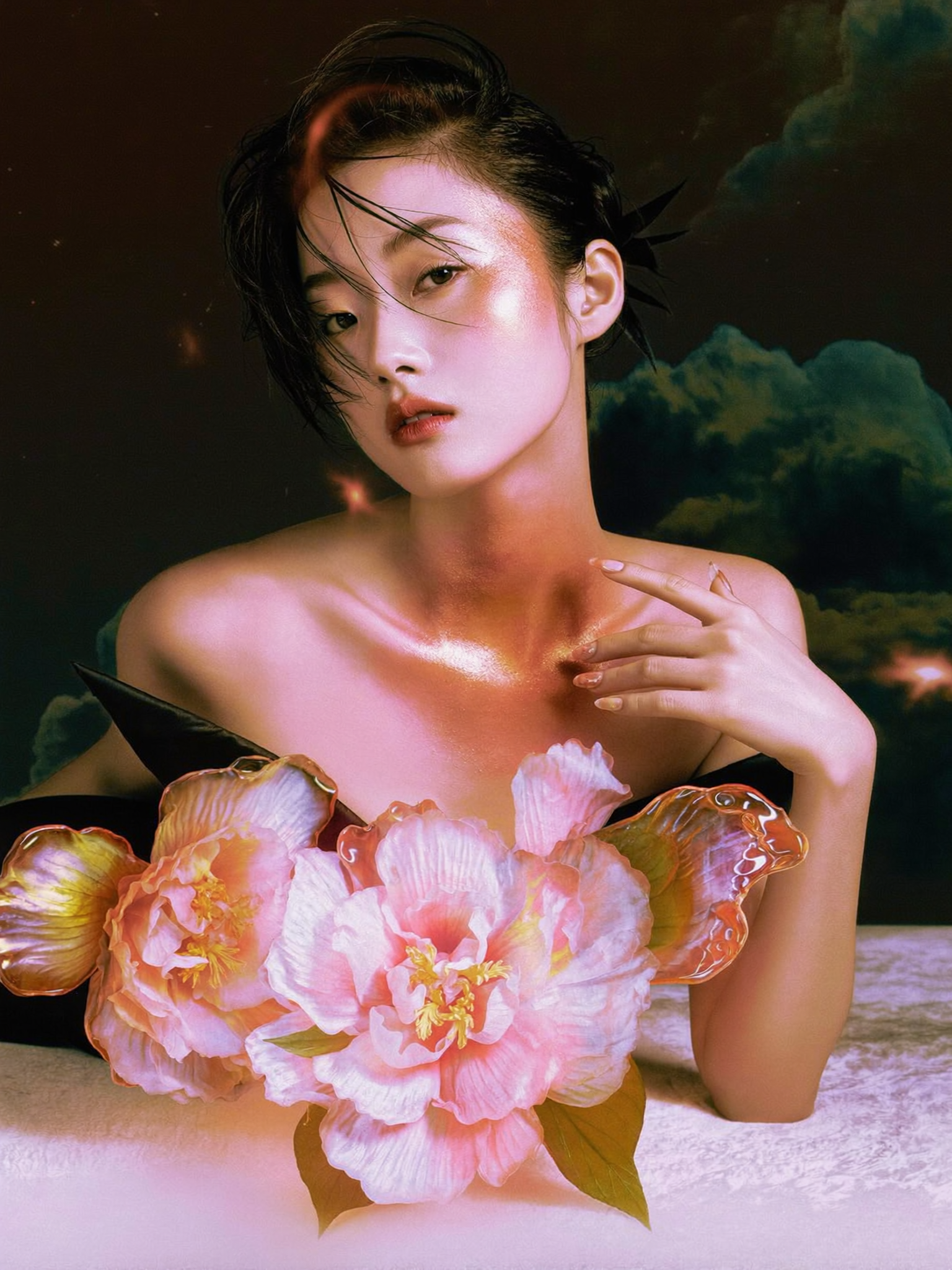
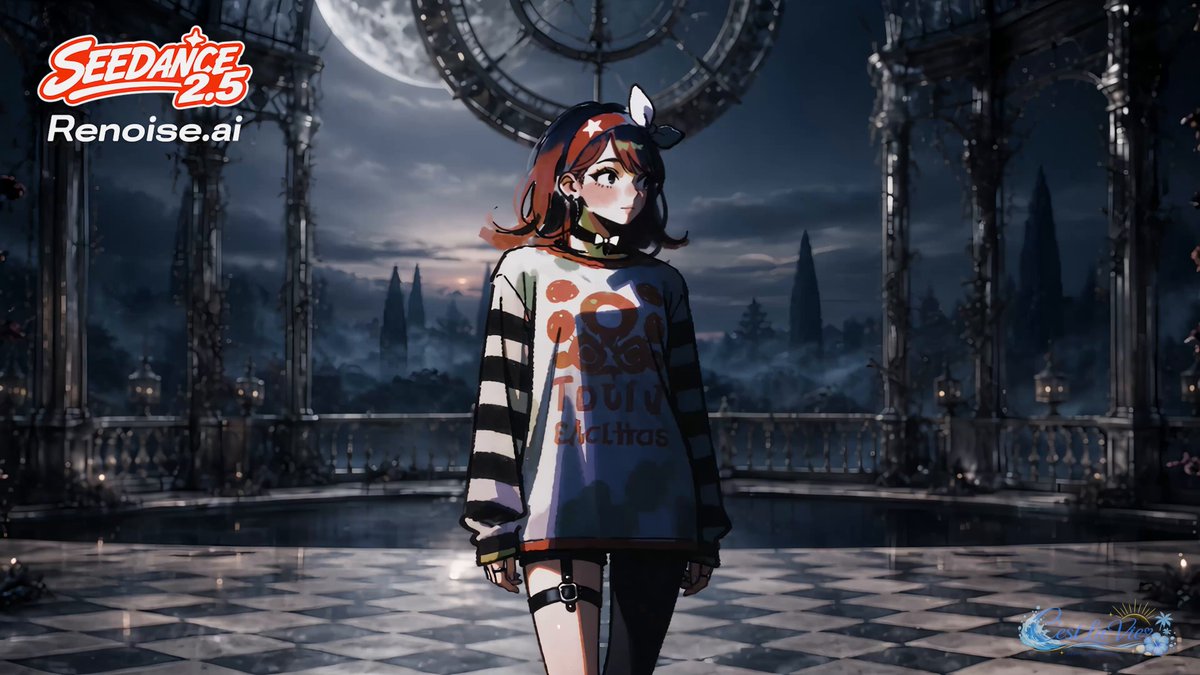
Most AI video looks the same. Photorealistic shots, cinematic light, shallow depth of field — the default style is so common that audiences are starting to scroll past it. Stylized video is the counter-move: pixel art, blocky voxel worlds, painterly frames, and other distinctive looks that stop the scroll precisely because they do not look like everything else. This guide explains how stylization works in AI video production, why it is a practical advantage rather than a gimmick, and how to build a repeatable workflow that keeps a stylized look consistent across every frame and scene.
Why Stylized Video Stands Out
The feed is a sea of similar content. Most creators use the same tools, the same default styles, and the same editing rhythms, which means the average viewer develops feed blindness to the default look. A video in a distinct visual style interrupts that blindness. The contrast itself is the hook: a pixel-art scene next to photorealistic clips reads as intentional, crafted, and different.
Stylization also signals brand identity. A channel or brand that consistently uses one visual style becomes recognizable even before the logo appears. Think of how a specific animation style makes a studio's work identifiable at a glance. For independent creators and small brands, a strong stylistic signature is one of the few ways to build that recognition without a massive production budget.
There is a practical angle too. Stylized output is often more forgiving of the imperfections that plague AI generation. Small inconsistencies in texture, motion, or detail that would be obvious in a photorealistic frame can be invisible — or even charming — in a stylized one. A pixel-art render does not need to nail every strand of hair; it needs a coherent block logic. That tolerance translates directly into fewer regenerations and lower production cost.
How Stylization Works in AI Video
Stylization in AI video is applied at one of two points: before generation or after. Before generation, you steer the model itself toward a style through the prompt, through a reference image, or through a fine-tuned style model. After generation, you transform the finished footage with filters, effects, and compositing. Both approaches have a place, and the strongest pipelines combine them.
Prompt-based stylization is the fastest route. Describing "pixel art, 8-bit aesthetic, limited color palette, chunky pixels" or "voxel style, like a blocky 3D world, soft ambient occlusion" pushes the model into the visual neighborhood you want. The catch is control: the model interprets the style description loosely, and the results can drift from one clip to the next.
Reference-image stylization is the reliable route. You provide a still image that defines the look — a pixel-art frame you like, a frame from a target film, a generated style sample — and the model preserves that aesthetic while animating new scenes. This is the technique that keeps a style stable across many clips, and it is the backbone of serious stylized pipelines.
Fine-tuned style models offer the deepest control but require the most setup. Training a small model on a curated set of images teaches it a specific aesthetic precisely, and it then applies that aesthetic consistently across generations. This is the approach used when a brand needs an exact, repeatable look across a campaign.
The Workflow: From Idea to Stylized Cut
A reliable stylized video workflow has six stages. Stage one is style definition: decide what the style is before you generate anything. Collect reference images, name the style precisely, and write a one-sentence style brief that every prompt will reference.
Stage two is scene design. Write the shot list as usual — subject, setting, action, camera movement — but add a style line to every shot. The style should be decided once and referenced, not redefined per shot.
Stage three is style sampling. Before generating the real scenes, produce a small set of test frames to lock the look. This is the most important quality gate in the whole pipeline: if the style does not look right in stills, it will not look right in motion, and fixing it later is expensive.
Stage four is generation with reference. Generate each scene using the locked style sample or reference image as the anchor. Keep prompts consistent, and keep a log of which prompts produced the best results.
Stage five is consistency pass. Review the assembled clips for drift: a color that shifts, a character whose block proportions change, a texture density that varies. Regenerate the outliers rather than trying to fix them in post.
Stage six is final treatment. A light uniform pass — consistent grade, grain, or block sharpen — unifies clips that came from different generations, and it is the polish that makes a multi-clip video feel like one piece.
Keeping the Look Consistent Across Frames and Scenes
Temporal coherence is the hard problem in stylized AI video. The model generates each clip from scratch, and without anchors, the style — or worse, the character — will drift. The techniques that solve it are the same ones used for character consistency in any AI production, applied to style.
First, use a style anchor image in every generation. Second, reuse the same subject reference for any recurring character or object. Third, keep the palette tight: a limited color palette is both a stylistic choice and a consistency tool, because fewer colors mean less room for drift. Fourth, generate short clips and assemble, rather than asking for long takes. Fifth, keep a documented style sheet for the project — colors, pixel scale, line treatment, lighting rules — and check each new clip against it before it enters the edit.
Stylization Styles Worth Knowing
The blocky and pixel families are the most accessible entry points because they tolerate generation imperfection well. Classic pixel art reads as intentional and nostalgic, and it works for game marketing, retro-themed content, and explainer videos. Voxel and block-3D styles add depth while keeping the same forgiving logic; they suit product visualization and world-building content where a clean, toy-like look is desirable.
Outside the block families, other stylized directions are equally practical. Painterly and watercolor styles give editorial and storytelling content a handcrafted feel. Line-art and cel-shaded styles work for technical explainers and brand animations. The rule for choosing is simple: pick the style that supports the message and that you can reproduce consistently, not the one that looks coolest in a single frame.
Where Stylized AI Video Performs Best
Stylized video is not a universal tool, but it performs exceptionally in a few use cases. Game and product marketing is the most obvious: a pixel-art or blocky trailer instantly signals the medium and creates a cohesive campaign look. Brand storytelling benefits because a distinctive style becomes a brand asset that compounds with every video. Music videos and artist content can use stylization to build a world around a track. Social-first content uses stylization as the hook itself — the visual difference is the reason someone stops scrolling. Finally, explainer content benefits from stylization because it simplifies complex subjects visually and makes abstract ideas concrete.
The common thread: stylization works when the style is a deliberate part of the message, not decoration applied afterward.
Tools and Pipeline Choices
The practical toolchain depends on where you apply the style. For prompt-and-reference stylization, mainstream AI video platforms with image-to-video and style reference features are the right starting point. For fine-tuned style control, you need a platform that supports training or custom models; this is more setup but gives exact repeatability. For the final treatment pass, standard editing software with color grading and effects handles most of what you need — you rarely need a dedicated compositor unless you are doing frame-accurate work.
Start simple: one video platform, one editing tool, and the reference-image workflow. Add training and compositing only when a project actually demands them. Most stylized content can be produced with the reference method plus a consistent grade.
Avoiding the Stylization Traps
The first trap is style drift across clips, which we covered — solve it with anchors and a style sheet. The second trap is incoherent mixing: three different stylizations in one video, chosen because each looked good alone. Commit to one style per piece. The third trap is treating stylization as a fix for bad content: a style can make an average idea distinctive, but it cannot make a weak message meaningful. The fourth trap is over-polishing: stylized work that gets smoothed into blandness loses the very quality that made it stand out. Keep the texture, keep the imperfection that the style implies. The fifth trap is ignoring the platform: a pixel-art frame with tiny details may read perfectly on desktop and become mush in a small mobile feed. Preview at the size the audience will actually see.
A Practical Example: A Stylized Product Campaign
Here is how the pipeline looks in practice. A small game studio wants a thirty-second teaser for a mobile game with a voxel world. The style brief is one sentence: "bright voxel world, low-poly friendly, saturated palette, soft shadows, no photorealism." They collect five reference frames from a prototype build and generate a style sample. The shot list has eight short clips: the hero character walking, a building reveal, a resource gather, an enemy encounter, and so on. Every clip is generated with the style sample and a character reference. Three clips come back with color drift and are regenerated with the palette tightened. The edit is assembled, and a final grade unifies the clips and adds a subtle grain. Total production time: two days, mostly spent on generation and selection. A traditional render of the same teaser would have taken weeks. That is the practical argument for stylized AI video: distinctive output at a fraction of the cost.
Frequently Asked Questions
Is stylized AI video cheaper than photorealistic AI video? Generally yes, in practice. Stylized output tolerates more variation, so you accept a higher fraction of generations and regenerate less. The bigger saving comes from avoiding expensive 3D renders or shoots that traditional stylized work would require.
Do I need to be an artist to use these styles? No. The reference-image workflow transfers the aesthetic judgment to curation: you choose good references and select good outputs, which is a skill you build with practice, not a drawing skill.
Can I mix photorealistic and stylized footage in one video? You can, and it can be a powerful storytelling device, but it must be intentional — a style shift should signal a meaning shift, like a flashback or a dream sequence. Accidental mixing reads as a mistake.
How do I keep a character consistent in a stylized world? Use a character reference image in every clip, keep the palette limited, and keep clips short. The same discipline that works for photorealistic AI video applies.
What if the style looks different on every device? Preview at mobile size during the consistency pass. Fine detail that matters on desktop should be verified in the small view, because that is where most of your audience will watch.
Troubleshooting Common Stylization Problems
When a stylized pipeline misbehaves, the fix is usually in one of four places. If the style drifts between clips, the anchor image is not strong enough — regenerate with the style sample attached to every clip, and tighten the palette so there is less room to drift. If characters change appearance, the character reference is missing or inconsistent — generate one canonical reference and use it in every clip involving that character. If the output looks flat or muddy, the style sample itself is weak — go back to stage three and curate better reference frames rather than forcing the generation to compensate. If motion looks wrong, remember that style and motion are controlled separately: a pixel-art look does not require robotic motion, and adding explicit motion language to the prompt ("quick steps, confident stride") fixes most of it.
A simple diagnostic rule: change one variable at a time. If you adjust the reference image, the prompt, and the model at once, you will not know what fixed the problem. Keep a generation log — style sample, prompt, model, output — and you will build a personal troubleshooting guide that makes every future project faster.
Building a Stylized Voice
The creators and brands that win with stylized AI video treat the style as a system, not a single video. They define the look once, document it in a style sheet, and reuse it across campaigns until it becomes their visual identity. The pipeline — style sample, anchored generation, consistency pass, final treatment — is the same every time, which makes each new project faster than the last. Start with one style that fits your content, run it through a complete project, and document what worked. The first stylized video is practice; the tenth is a brand asset. In a feed where everyone else looks the same, that is a real advantage.
