

PixVerse 6.0 New Features: A Revolution in AI Video Creation
PixVerse 6.0 marks a real turning point in AI video generation. Where earlier versions were impressive experiments, this release behaves like production tooling: it gives creators precise control over the image, it keeps characters stable across shots, and it responds to motion instructions with a fidelity that was hard to imagine a year ago. For independent filmmakers, marketing teams, and content studios, the question is no longer whether AI video can be used for serious work, but how to get the most out of a tool like this.
This guide covers what is new in PixVerse 6.0, how the features fit into a real creative workflow, and how the model compares with the broader landscape of high-control generators.
What Changed: From Prototyping to Production
The headline shift in PixVerse 6.0 is control. Earlier AI video tools forced creators to accept whatever the model decided; this release hands the director's chair back to the human. That matters because the demand for precision in text-to-video and image-to-video work is at an all-time high. Creators in 2025 are not satisfied with beautiful accidents. They need repeatable results: the same character in every shot, the same lighting in every scene, the same motion in every take.
PixVerse 6.0 addresses that need on three fronts: cinematic lens controls, character consistency, and motion responsiveness. Together, they move AI video from the prototyping stage to the final-production stage.
1. Advanced Visual Control and Cinematic Precision
1.1 The Depth of Cinematic Lens Controls
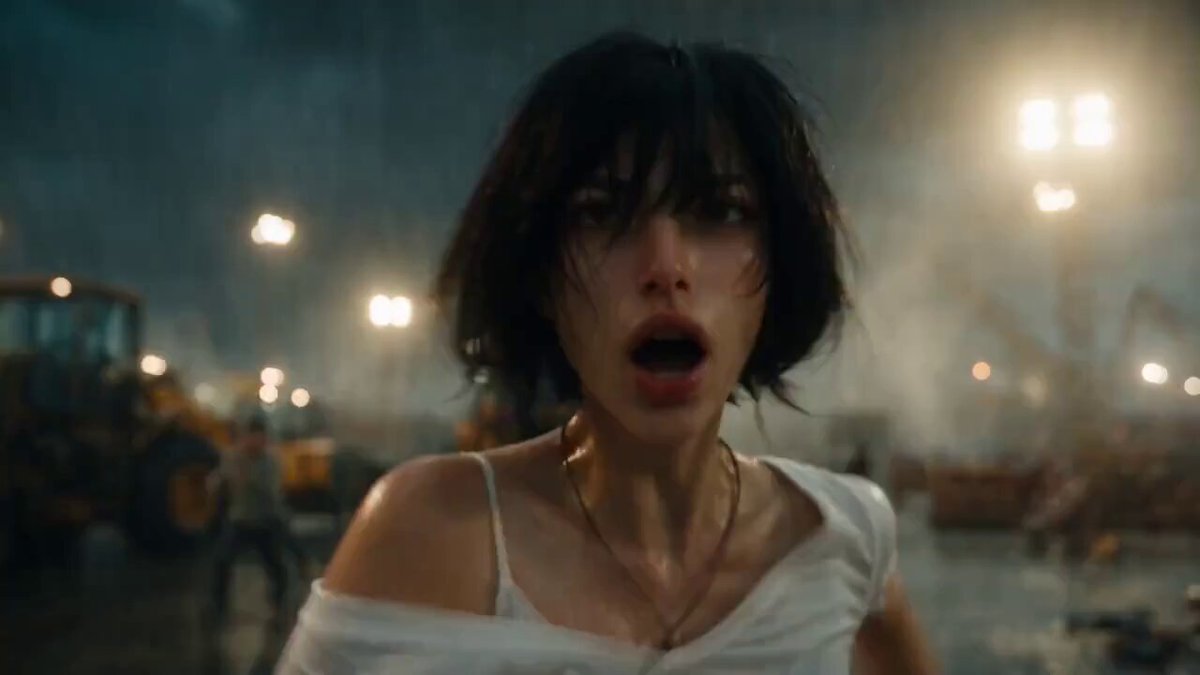
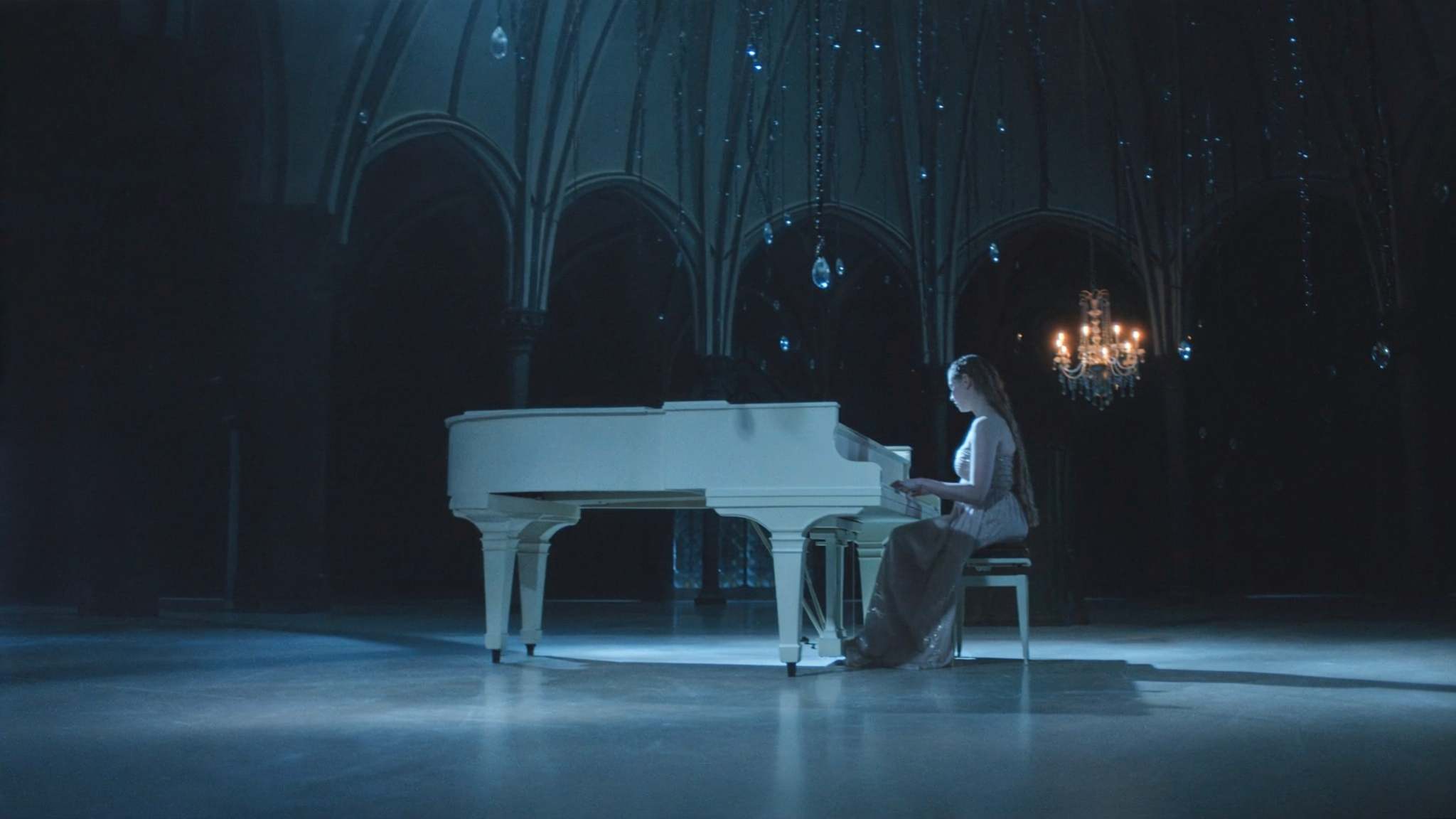
The most visible addition is a set of cinematic lens controls that bring traditional filmmaking craft into the generative workflow. Wide-angle lenses for spatial grandeur, telephoto compression for crisp bokeh, depth-of-field adjustments to isolate a subject, and lighting controls that shape the mood of a scene. For creators who have struggled to get AI video to look like anything other than default AI video, this is the feature that changes the game.
These controls matter most for narrative work. A dialogue scene with a shallow depth of field reads completely differently from the same scene shot wide. Being able to specify the lens, not just describe the scene, gives you a vocabulary that directors actually use.
1.2 Multi-Image Fusion and Character Consistency
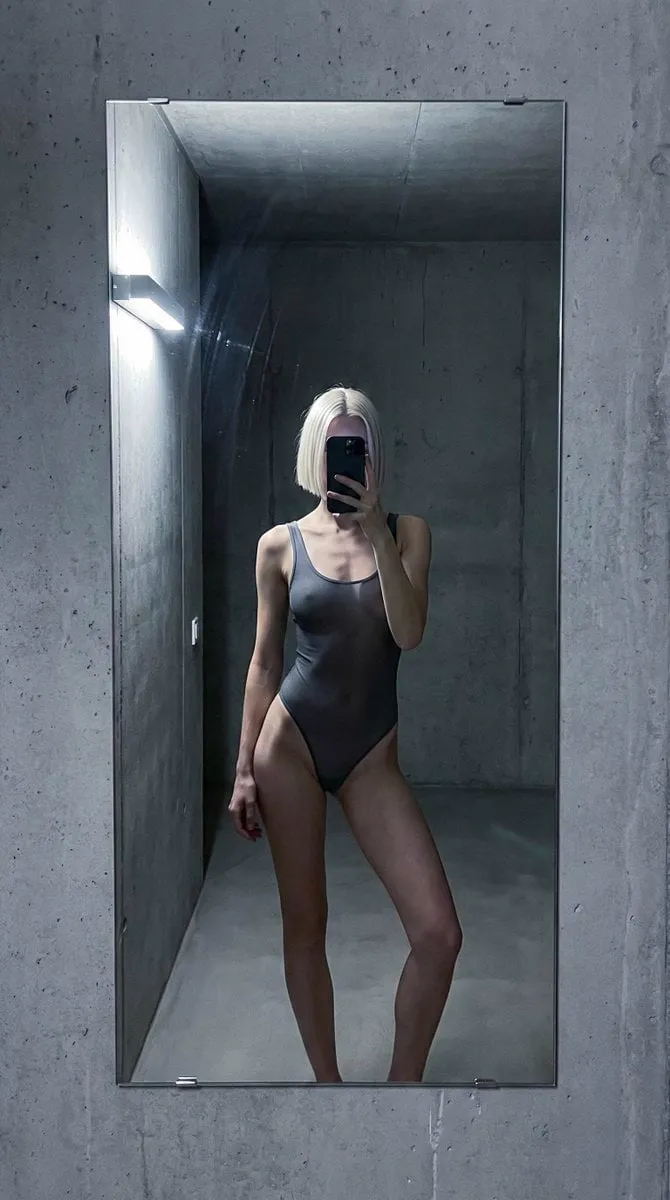
Character consistency has been the weakest link in AI video since the beginning. PixVerse 6.0 attacks it with multi-image fusion: you provide multiple reference images of a subject, and the model anchors every generated frame to those references. The same face, the same outfit, the same proportions, held across scenes and even across separate videos.
This is not a minor convenience. For any project longer than a single clip, whether a branded campaign, an animated short, or a series of social posts, consistency is what makes the work look professional instead of generated. Build a reference set once, reuse it everywhere, and the model stops inventing your character from scratch every time.
1.3 Motion Responsiveness and Creative Control
Motion responsiveness is where PixVerse 6.0 shows its sharpest improvement. The model actually follows motion instructions in the prompt: a character turning their head slowly, a camera pushing in during a reveal, a hand gesture with deliberate pacing. Subtle direction that earlier models flattened into generic movement now comes through.
For action work, this unlocks choreography. You can direct a sequence with the specificity of a storyboard: enter from the left, pause, react, exit right. The model fills in the motion between your instructions rather than ignoring them. That level of responsiveness is what turns AI video from a slot machine into an instrument.
2. Where PixVerse 6.0 Sits in the Model Landscape
PixVerse 6.0 does not exist in a vacuum. It competes in a crowded field of high-control generators, and the honest way to evaluate it is against the alternatives.
Flux-series models remain the reference point for image fidelity and style consistency, particularly when photorealistic stills are the starting point. OpenAI Sora-class models push the frontier on long-form narrative understanding and complex scene coherence. Kling and other regional models offer strong prompt adherence for localized content.
PixVerse 6.0's competitive advantage is the combination: cinematic lens controls, reliable character fusion, and responsive motion in a single workflow. Rather than hopping between tools for different tasks, a creator can stay in one environment for the full pipeline. That integration is worth real time, because context-switching between tools is one of the hidden costs of AI production.
An AI Director as Co-Director
The most interesting integration is with agentic direction. An AI director agent can take a brief, plan the shot list, and feed consistent instructions into the generator, effectively acting as co-director. The human sets the creative direction; the agent handles the continuity and the technical consistency; the model executes. For solo creators, this collapses a three-person production team into one workflow.
3. How the Creative Workflow Changes
PixVerse 6.0 does not just improve output; it changes how production is organized.
3.1 Pre-Production: Fast Concept Visualization
Pre-production becomes dramatically faster. Instead of describing a concept to a client or a team and hoping they imagine the same thing, you generate visual concepts in minutes. Mood boards become interactive: change the lens, change the lighting, change the composition, and the concept updates immediately. Decisions that used to require waiting for a test shoot now happen in a working session.
3.2 Production: Real-Time Synthesis of Quality Content
During production, the gains are in iteration. A director can request a take, review it, adjust the direction, and request another take, all in the time it used to take to set up a single shot. The cost of experimentation collapses, which means more creative risks are worth taking. And because the consistency controls work, the experiments do not fragment the project's visual identity.
3.3 Post-Production: A New Era of Human-AI Collaboration
Post-production shifts from fixing problems to refining choices. With consistent characters and controlled motion, the editor spends less time patching continuity errors and more time on pacing, sound, and the emotional rhythm of the piece. The human and the machine collaborate: the machine generates options at scale, the human selects and shapes.
4. Performance and Practical Considerations
A tool this capable still demands discipline. Model performance varies by task: some features shine at high resolution, others at speed. The practical approach is to know the cost profile of each workflow and tier your usage: fast, affordable settings for exploration; premium settings for final assets.
Platform architecture matters too. Heavy generation workloads need stable infrastructure, task queues, and predictable rendering times. Teams producing at volume should evaluate the platform's ability to handle batches and to retry failed jobs automatically, because that is where production time is actually saved.
5. A Practical Roadmap for Adopting PixVerse 6.0
Start with the feature that solves your biggest current pain. If you produce narrative content, begin with the lens controls and learn to direct depth of field and composition. If you produce series content, begin with multi-image fusion and build a reference library for your recurring characters. If you produce action or product content, begin with motion responsiveness and learn how precisely the model follows directional prompts.
Build one small project end to end before scaling. Document your prompts, your reference sets, and your review checklist. The repeatable process is the real asset; the model is a tool that will keep improving underneath it.
Three Projects That Show What PixVerse 6.0 Can Do
Concrete examples make the capabilities concrete.
Project one: an independent short film. A director needs a consistent protagonist across twelve shots, including a dialogue scene and an action beat. The workflow: build a reference set for the protagonist, generate keyframes with lens controls to establish the visual language, then generate each shot with the same references. The payoff is a short that holds together, which used to be the hardest thing for AI video to deliver.
Project two: a product commercial. A brand needs a hero shot of a product, a lifestyle scene, and a close-up detail, all matching the real product's appearance. The workflow: start from real product photography, use image-to-video to add motion, and apply multi-image fusion so the product stays identical across all three scenes. The payoff is commercial-grade consistency without a studio day.
Project three: a social media series. A creator needs a daily video with the same host and setting. The workflow: one reference set, one template prompt, minor variations per episode. The payoff is a recognizable feed that builds a following, episode by episode.
Performance Planning: Getting the Most From Your Budget
Generation budgets are real, but the discipline matters more than the number. Plan each project in three tiers.
Tier one, exploration: fast settings, low resolution, quick turns. Use this tier to test concepts, angles, and hooks. Nothing here is final.
Tier two, development: medium settings for keyframes and rough cuts. Use this tier to validate the direction before spending on final quality.
Tier three, delivery: highest settings only for the assets that will actually be published or paid to distribute. This tier is where the budget goes, and it should be a small fraction of your total generations.
The pattern is simple: spend almost nothing until you are sure, then spend on exactly what ships. Teams that skip tier one end up paying premium prices for concepts that should have been tested cheaply.
Comparing Control-First Models: A Decision Framework
When choosing between control-first generators, evaluate five dimensions. Prompt adherence: does the model do what you say, or what it wants? Consistency: can it hold a character across shots? Motion quality: does movement look physical and intentional? Style range: how far can it stretch from photorealism toward stylization? And workflow fit: does it integrate with the rest of your pipeline, or is it an island?
PixVerse 6.0 scores highest on the combination of lens control and motion responsiveness. Flux-series models win when starting from stills matters more than motion. Sora-class models win on long-form narrative coherence. There is no universal winner; there is only the right tool for the project in front of you.
FAQ
What is the fastest way to see whether the tool fits my workflow?
Run one small project end to end: a reference set, three keyframes, one animated clip with sound. If the output matches your intention and the loop feels fast, the tool fits. If you are fighting the interface more than the creative work, it does not.
Is PixVerse 6.0 better than previous versions for beginners?
The learning curve is similar, but the safety net is better. Lens presets and consistency controls make it harder to produce broken output, which is exactly what beginners need.
What hardware do I need?
Almost none. The generation runs in the cloud, so a standard laptop and a browser are enough. The heavy lifting happens on the platform's infrastructure.
Is PixVerse 6.0 suitable for beginners?
Yes, but the learning curve is real. The controls reward creators who understand basic filmmaking concepts like lens choice and depth of field. Beginners should start with the presets and gradually take manual control.
How many reference images do I need for character consistency?
A small, well-made set beats a large, messy one. Three to five clear images from different angles are a solid starting point; add more only when you hit a specific consistency problem.
Can I use it for commercial client work?
Yes, and that is exactly where the control features pay off. Being able to deliver a consistent, on-brief result is what clients expect, and the lens and consistency controls make it achievable.
Does it replace traditional video production?
For many formats, it replaces large parts of it, especially concept work, background plates, and iteration. For projects that need real actors, real locations, or documentary authenticity, traditional production still has a role. The strongest pipelines blend both.
What is the best way to learn?
Pick one feature, build a tiny project around it, and review the output honestly. Repeat for the next feature. The tool rewards hands-on iteration far more than passive reading.
