
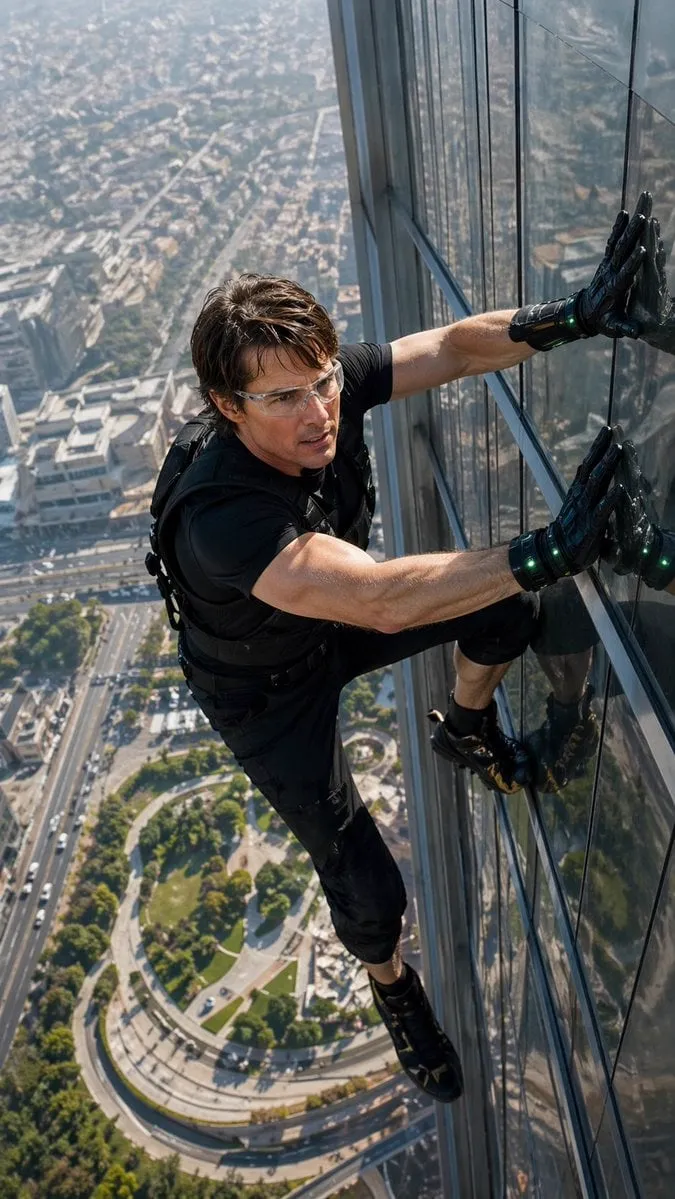


Science fiction has always been the genre that invents the future before it exists. The starships, cityscapes, and artificial intelligences of cinema did not just entertain audiences; they trained three generations of engineers, designers, and storytellers to think differently. For today's content creators, sci-fi offers something even more practical than inspiration: a complete toolkit of visual techniques. World-building, character design, lighting, pacing, and production design are all disciplines that sci-fi filmmakers mastered under extreme constraints, and they translate directly into the AI-assisted workflows that creators use now. This guide breaks down what makes sci-fi visuals work and how to apply those lessons to your own content, whether you are making a short film, a brand video, or a social series.
Decoding the Sci-Fi Visual Language
Great sci-fi is not about spaceships. It is about the language of images: how a single frame communicates a whole world, a power structure, or a philosophical idea. When you watch a memorable sci-fi scene, the production design is doing heavy lifting. The scale of a ship against a planet tells you about power. The lighting of a corridor tells you about mood and danger. The color palette tells you which faction, which era, which reality you are in.
For content creators, the lesson is to think in systems of images rather than isolated shots. Every element in the frame should agree: the architecture, the props, the costumes, the color, the light. Inconsistent visual language is the fastest way to break immersion, and it is exactly the kind of inconsistency audiences notice even when they cannot name it.
World-Building: From Idea to Believable Place
The heart of sci-fi is world-building: creating a place with its own rules, history, and physics. The best worlds feel coherent even when they are wildly fantastical, because the creators made internal consistency a hard requirement. A floating city needs a reason to float. A holographic interface needs to behave like a hologram. The audience does not need every rule explained, but they need the rules to hold.
Modern AI video tools make world-building accessible to solo creators. Reference images and consistent prompts let you carry one location, one vehicle, or one skyline across many shots without redrawing it each time. The discipline is the same as in a big-budget film: write the rules of your world down, create a visual reference sheet, and enforce consistency across every scene. A world that holds together is more valuable than a world that is merely impressive.
Character Design: Consistency Is Storytelling
Sci-fi characters are often remembered by their silhouettes: a masked helmet, a distinctive coat, a biomechanical arm. The design communicates the character's role, history, and psychology before they speak a word. This is not decoration; it is storytelling through appearance.
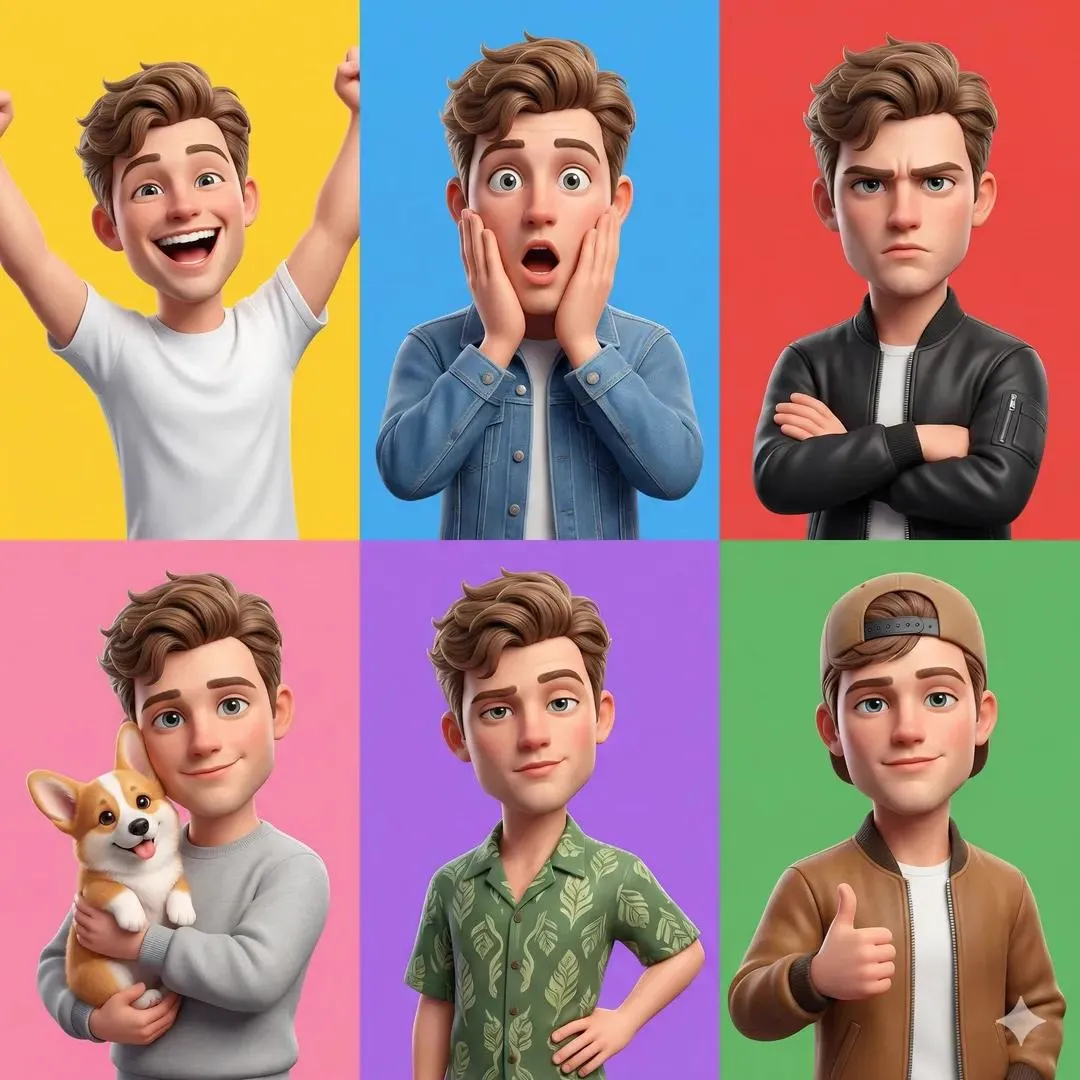
For AI content creators, character design has a technical dimension. Keeping a character consistent across scenes is one of the hardest problems in AI video, and the solution is deliberate design plus a solid reference workflow. Build a character sheet, document the signature features, and generate from consistent references. A character whose appearance is stable becomes a recognizable asset, the way a film franchise's hero is recognized by a single silhouette.
Pacing and Visual Rhythm
Sci-fi films are masters of pacing because they have to be. Building a believable world takes time, so the editing rhythm must earn the spectacle. Great sci-fi alternates quiet, intimate moments with wide, awe-inspiring reveals. The quiet moments make the spectacle meaningful; the spectacle makes the quiet moments matter.
The same rhythm applies to content of any length. A 60-second video should not be a constant blast of imagery. It needs a breath, a beat of context, then the payoff. When you plan a video, mark where the audience should feel tension, relief, and wonder, and cut accordingly. Rhythm is what separates a sequence of shots from a story.
Translating Film Technique into AI Prompts
The most direct way to use sci-fi as a teacher is to translate its visual principles into prompts. When you prompt an AI video model, you are directing a scene, so direct it like a cinematographer would. Specify the lens and camera movement: a slow push-in creates intimacy, a wide tracking shot creates scale. Specify the lighting: hard light for tension, soft light for safety, rim light to separate a subject from a dark background. Specify the palette: teal and orange for contrast, monochrome for severity.
A good prompt is a shot list in miniature. If your prompt contains the same level of detail as a film director's notes, the output will look like it was directed. If it only contains a subject, the output will look like a random frame, because that is exactly what the model was given.
Building Believable Futures: Vehicles and Technology
Sci-fi vehicles and technology need to look like they were designed, not just decorated. The best movie props have a logic: control surfaces where hands reach, lights that indicate function, materials that suggest weight. This logic is what makes a fictional machine feel real, and it is a lesson for product and brand content too. A futuristic product demo that respects physical logic reads as credible; one that is pure decoration reads as fake.
In AI generation, this means being specific about materials, functions, and details. Instead of "a futuristic car," prompt "a sleek electric coupe with gull-wing doors, a glowing energy core visible through a transparent panel, and a matte black finish." The specificity forces the model to generate something that looks engineered.
Alien Environments and Supernatural Phenomena
Sci-fi's alien landscapes and strange phenomena are exercises in controlled imagination. The environments feel alien because they follow their own rules: different gravity, different vegetation, different physics. The phenomena feel supernatural because they break familiar rules in a consistent way. In both cases, consistency is what sells the impossibility.
Creators can borrow this approach for any stylized content. Define the rules of your visual world, then obey them. If the world has floating rocks, all rocks float, and the physics of that world stays coherent. The audience will accept almost anything if it is internally consistent, and reject almost anything if it is not.
The same rule applies to supernatural phenomena in otherwise realistic content. When a single impossible element appears, it stands out and works; when everything is impossible, nothing means anything. Decide what breaks reality in your world, make that one thing the exception, and hold everything else to normal rules. This is why the best sci-fi feels plausible: it changes one rule and keeps the rest honest.
Light and Shadow as Emotional Tools
No single element shapes a sci-fi image more than lighting. Low-key lighting with deep shadows creates dread. Silhouettes against bright backlight create mystery. Colored light defines factions and moods. The masters of the genre treat light as a character, moving it to control how the audience feels at every moment.
AI video models respond strongly to lighting instructions, and this is one of the highest-ROI areas of prompting. Spend real time describing light in your prompts: direction, quality, color, and intensity. The same scene prompted with "harsh overhead light" and "warm golden rim light" will produce completely different emotional results, and the audience will feel the difference even if they cannot explain it.
A useful practice is to build a lighting reference sheet before you generate. Collect a few frames from films or your own past work that show the moods you want, and describe each one in prompt terms: key light position, fill level, color temperature, shadow treatment. When you need a specific mood, you pull from the sheet instead of improvising. The sheet is also a great training tool: the act of translating an image into lighting language teaches you to see light the way a cinematographer does.
From Film Vision to Content Strategy
The deepest lesson of sci-fi for content creators is strategic: build a world worth revisiting. The most successful sci-fi franchises are not collections of scenes; they are consistent universes that audiences want to return to. The equivalent for a creator is a visual identity that persists across videos: the same palette, the same character design, the same tone. When every video belongs to the same world, the audience builds a relationship with the world, not just with individual clips.
That is also the practical advantage of AI production: once you have locked a world's visual rules into references and prompts, every future video becomes cheaper and more consistent. The investment in world-building compounds. A creator with a defined world can produce content at volume without losing identity, which is the exact model that made the big sci-fi franchises successful.
Building a Production Bible for Your World
If you are building a world you plan to revisit, the single most valuable artifact is the production bible: a reference document that defines the visual rules of your universe. It holds the character sheets, the location references, the palette, the lighting conventions, and the prompt vocabulary that reproduces the world reliably.
The bible serves two purposes. Internally, it keeps you consistent: every new video starts from the same rules instead of being reinvented. Externally, it is a creative asset: it lets you hand your world to a collaborator, an editor, or a future version of yourself without a long explanation. The best production bibles are living documents, updated whenever the world evolves, and they are the difference between a creator with a style and a creator with a franchise.
Start small. A single page with the palette, two character references, and five prompt templates is enough to begin. Expand it as the world grows. The discipline of writing the rules down will also reveal gaps in your world that you would otherwise discover in the middle of production.
FAQ
Do I need to watch every classic sci-fi film before making content? No, but study the best ones deliberately. Pick a few films with distinctive visual styles and break down why their shots work. That analysis is worth more than volume.
How do I keep a sci-fi world consistent in AI video? Create reference sheets for locations, characters, and vehicles, and reuse them with consistent prompt vocabulary. Treat your references like a production bible.
What is the most important element to get right? Lighting. It defines mood, separates subjects, and is the fastest way to make AI footage look intentional.
Can these techniques work for non-sci-fi content? Absolutely. The principles, world-building, consistency, lighting, rhythm, are genre-neutral. Sci-fi just demonstrates them more dramatically.
How much detail should go into a prompt? Enough that the model has no room to improvise the parts you care about. Direct the shot like a cinematographer, and leave only the details you genuinely do not mind leaving to chance.
How do I study a film's visuals without formal training? Pause a film at a striking frame and answer three questions: where is the light coming from, what is the palette, and what is the subject doing in the frame. Do this for twenty frames across a few films, and you will have a practical vocabulary for your own prompts.
Can I reuse the same world rules across completely different topics? Yes. The world defines the visual system, not the subject. A defined palette and lighting style can carry a product launch, a character short, and a brand piece without confusing the audience, as long as the rules hold.
Conclusion
Science fiction is the best visual education a content creator can get, because it teaches the craft of making impossible things believable. The lessons are concrete: build worlds with internal rules, design characters that tell stories, use light and shadow as emotional tools, control pacing, and keep everything consistent. AI video tools have lowered the production barrier, so those lessons are now available to any creator willing to study them. Study the masters, translate their techniques into prompts and references, and build a world your audience will want to revisit. The future of content belongs to creators who think like world-builders.
