
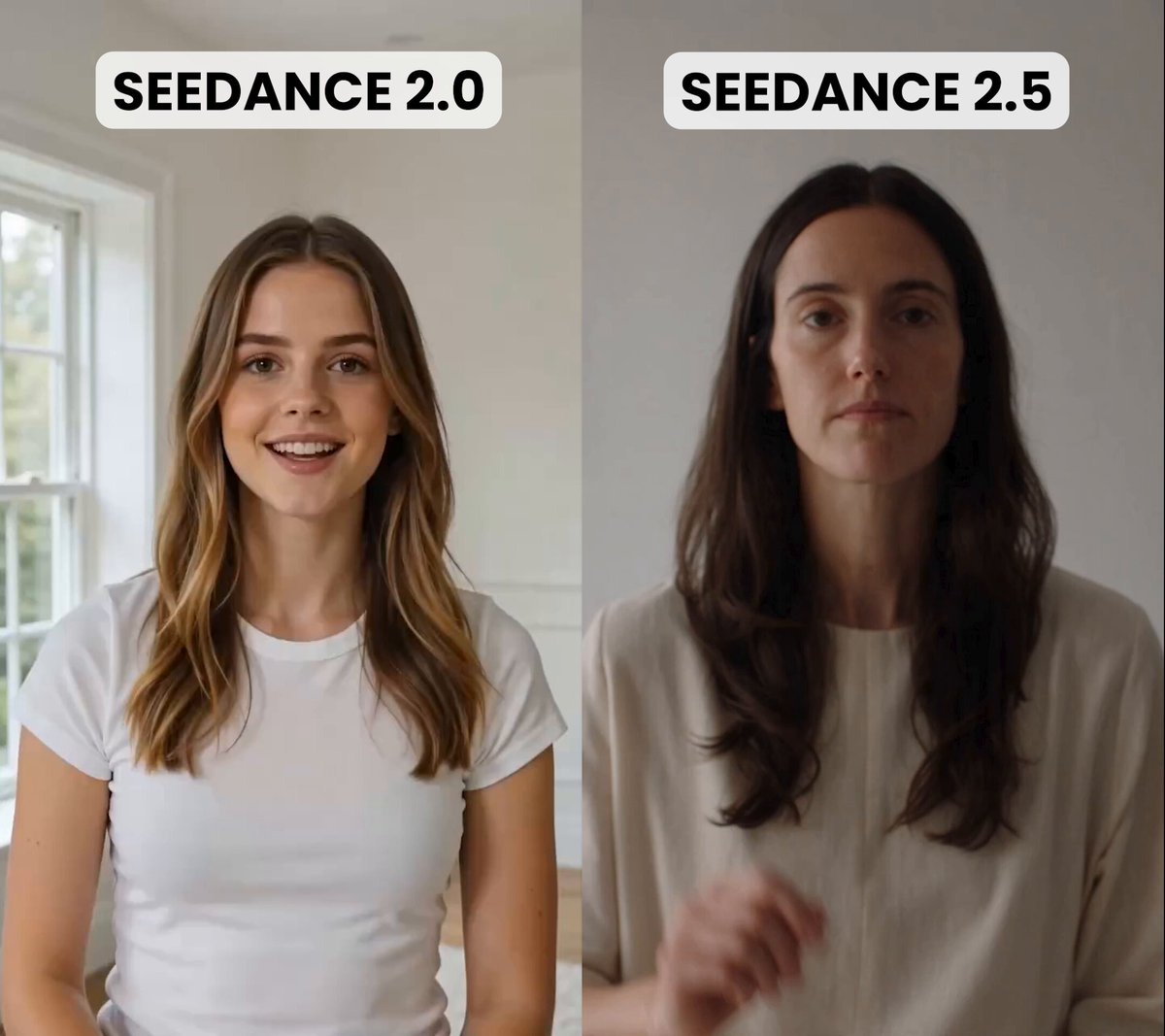
Why Short-Form Views Are a Systems Problem, Not a Luck Problem
Most creators treat a video that flops as a mystery. They uploaded something they liked, the edit felt fine, the audio was clean, and still the reach stalled at a few hundred views. The instinct is to blame the algorithm. A more useful framing is to treat views as the output of a chain, and to find the weakest link in that chain.
The chain has roughly five stages: a viewer sees a thumbnail or an opening frame, decides within a second or two whether to keep watching, stays long enough to pass the point where the platform considers the video interesting, reacts in some way (rewatch, comment, share, save), and finally gets shown the video again to a similar audience. Every stage has a measurable proxy. Impressions tell you whether distribution happened at all. A three-second hold rate tells you whether your opening worked. Average watch percentage tells you whether the middle earned its length. Rewatches and shares tell you whether the payoff was worth the wait.
When a video underperforms, the failure is almost always concentrated in one stage. A brilliant edit with a slow opening dies at the hold rate. A gripping opening with a padded middle dies at watch time. A dense, rewarding video with a confusing first frame dies before anyone sees the payoff. Diagnosing the stage is more productive than remaking everything from scratch.
AI tools change this equation in a specific way. They do not replace taste, and they do not make a boring idea interesting. What they do is collapse the distance between having an idea and having a testable version of it. If you can produce three opening variants, two caption styles, and a re-cut 18-second version of the same footage in the time it used to take to export once, you stop guessing and start comparing. That shift from craft-only to craft-plus-iteration is where most of the reach gains live.
The First Three Seconds: Engineering a Hook That Holds
The opening is the only part of the video that every viewer sees, which makes it the highest-leverage editing decision you will make. Platforms measure early drop-off closely because it predicts everything downstream. A viewer who leaves at second two was never a candidate for the algorithm to push further.
Hook patterns that reliably stop the scroll
Strong hooks tend to do one of five things. They make a claim that sounds almost wrong ("You are filming your product in the worst possible light"). They show a result before showing the work. They open in the middle of motion, with a hand entering frame or a sound that is already in progress. They ask a question the viewer cannot answer instantly. Or they create a visible mismatch, like calm narration over frantic footage.
Weak hooks share a common failure: they introduce. "Hey everyone, welcome back to the channel" is an introduction, not a hook. "Today I want to talk about lighting" is a table of contents. Both formats ask the viewer to wait for value, and short-form viewers do not wait.
A practical test is to write your first line as text on screen and read it in isolation. If it would not make you pause while scrolling, it will not make anyone else pause either. Cut it and start at the second sentence.
Testing hooks without burning production time
This is where AI assistance pays for itself. Generate the video once with a clean, neutral opening of about four seconds, then create three alternate openings from the same footage: a text-first version, a cold-open-with-payoff version, and a voiceover-question version. Publish them at similar times on similar days, and compare three-second hold rates, not total views. Total views are noisy; hold rate is a much cleaner signal at low sample sizes.
Keep a simple log with three columns: hook type, hold rate, and completion rate. After ten or fifteen tests you will have a personal pattern that no general advice can give you, because it depends on your niche, your face, your voice, and your audience's existing expectations.
One caution: do not change the hook and the music and the caption style all at once. Isolate variables. Creators who change everything between uploads learn nothing and end up attributing wins to the wrong cause.
Retention Editing: Keeping Viewers Past the Midpoint
Getting past the first three seconds buys you maybe twelve more. From there, retention is a rhythm problem. Viewers leave when the video feels like it is stalling, and they stay when each moment implies the next one is worth waiting for.
Three structural habits help. First, front-load the second-most interesting moment of the video right after the hook, then resolve the first. Second, remove every silent gap longer than about a third of a second; dead air reads as a pause in the entertainment. Third, change something every two to four seconds — angle, scale, text position, music layer, or subject. This does not mean frantic cuts. It means that nothing sits still long enough for attention to drift.
Length discipline matters more than most creators want to admit. An eighteen-second video with 90 percent completion will usually outperform a forty-second video with 45 percent completion, because the platform reads high completion as a quality signal regardless of duration. If your idea fits in fifteen seconds, forcing it to thirty does not add reach; it adds drop-off.
A useful editing exercise is to cut your video by 30 percent without removing any information. Most first drafts contain repeated framing, redundant setup sentences, and breathing room that exists only because it felt natural while recording. Aggressive trimming is uncomfortable and consistently effective.
u003c!-- markdown only, continue --u003e
Building a Consistent Visual Identity With AI Assistance
Audiences follow people and worlds, not individual videos. If your lighting, color grade, wardrobe, and typography change every upload, each video starts from zero recognition. Consistency is a compounding asset — and historically it was the hardest thing to maintain without a budget.
Character and style consistency across episodes
If your format uses a presenter, an animated avatar, or a recurring character, the goal is recognizability at thumbnail size. That means fixing a small number of variables and never changing them casually: a base color palette of three colors, one primary typeface for on-screen text, one framing rule (for example, subject always on the left third), and one lighting direction. Everything else can vary.
AI image and video tools help here in two ways. They can generate the same subject across many scenes without a photoshoot, and they can apply a reference image to keep a look stable. But consistency still requires a reference pack on your side: save five to ten approved images of your character or product, your chosen palette as hex values, and a short style note ("soft window light, cool shadows, minimal background clutter"). Feed that pack into every generation. Without it, each prompt drifts a little, and after ten videos your channel looks like five different channels.
Multi-image referencing for stable look and wardrobe
When a tool supports referencing multiple images, use them for different jobs rather than averaging them together. One reference for face or product identity. One for wardrobe and palette. One for environment and lighting. One for composition energy. This is far more controllable than one heavily weighted image, and it lets you swap the environment while keeping the subject stable — which is exactly what a series needs.
Review generations at phone size, not desktop size. Details that look impressive on a monitor are invisible on a phone, and artifacts that are invisible on a monitor are glaring on a phone.
Captions, On-Screen Text, and Metadata That Actually Get Read
A large share of viewers watch with sound off, at least initially. That makes burned-in captions a retention feature, not an accessibility afterthought. Two-line maximum, positioned above the platform's interface elements, with high contrast and a stroke or shadow so text survives busy backgrounds. Avoid full-sentence captions that appear in tiny type; phrase-by-phrase or word-by-word captions keep the eye anchored to the center of the frame.
When generating captions automatically, always proofread names, brand terms, and numbers. Auto-transcription is fast and usually good, and it reliably fails precisely on the words that matter most.
On-screen text deserves separate treatment from captions. Use it for three purposes only: the hook, a mid-video pattern break, and the final payoff or call to action. Text that appears constantly becomes wallpaper and stops registering.
Metadata is often overthought. Tags and hashtags do not rescue weak content, but they help classification. Choose a handful of specific, relevant terms rather than a wall of generic ones. Titles should read like a promise, not a summary. Descriptions should contain one clear sentence about what the video delivers and, if relevant, a single link. Filenames and alt-style descriptions are minor signals; relevance across title, caption, and spoken content is a stronger one.
Production Speed: Where AI Saves Real Hours
The bottleneck for most solo creators is not the idea, it is the middle. Writing the script, gathering footage, cutting, captioning, and exporting eats hours that could have gone into another testable video.
Practical leverage points, in order of payoff:
Script drafting. Use an AI assistant to turn a one-line premise into three structurally different scripts: a list version, a story version, and a demonstration version. You are not publishing the AI draft; you are choosing between three shapes before committing.
B-roll and cutaways. Generate or source supporting shots that match your palette. This removes the dead time spent digging through stock libraries.
Voiceover passes. Record one clean take, then use your own voice as the template rather than a synthetic one. Audiences form a relationship with a real voice faster than with a generic synthetic read.
Assembly cuts. Rough first-pass edits generated automatically are still rough, but starting from a rough cut you can fix is faster than starting from an empty timeline.
A weekly workflow that fits real schedules
Monday: pick three premises and draft scripts. Tuesday: record or generate all primary footage. Wednesday: edit first drafts, keeping everything under thirty seconds unless the idea demands more. Thursday: build alternate hooks for the two strongest drafts and schedule everything. Friday: review hold rate and completion rate, log the results, and note one hypothesis for next week. Saturday: reply to comments deliberately, since replies create additional surface area for your content to be seen. Sunday: rest and collect references.
That cadence produces two to three testable videos a week, which is enough to learn from without burning out.
Formatting and Publishing for Each Platform
Aspect ratio, safe zones, and resolution
Vertical 9:16 is the default for short-form, but the details differ. Keep critical text and faces away from the bottom quarter of the frame, where captions and interface buttons sit, and away from the right edge, where action icons live on several apps. Export at the platform's highest supported vertical resolution rather than upscaling a lower one, and check how your grade looks after compression — flat, low-contrast footage survives compression better than heavily crushed shadows.
Square and landscape crops still matter for cross-posting. Re-frame rather than letterbox: a scaled-down vertical video inside a landscape frame wastes most of the screen and suppresses hold rate.
Posting cadence and timing
Posting consistently matters more than posting at a mythical optimal hour. Pick two or three fixed slots per week, then test one slot at a time over several weeks before changing it. Look at your own retention-by-hour data rather than generic advice; audiences differ enormously by niche.
The first hour is largely a scheduling artifact of when your most engaged followers are active, not a magic window. Do not delete and repost a slow starter. Reposting resets the distribution the platform already began and usually performs worse the second time.
Measuring What Matters: Metrics Beyond View Count
View count is a lagging indicator and a vanity number. The metrics that actually predict future reach are hold rate at three seconds, average watch percentage, completion rate for shorter pieces, rewatches, shares, and saves. Comments are useful, but they correlate less cleanly than saves and shares because comment sections reward controversy as much as value.
Build a simple weekly table: video, hook type, length, hold rate, completion rate, shares, saves. After a month, patterns appear that are invisible when you look at videos one at a time. You will likely discover that your best hooks are not the ones you were most proud of, and that your ideal length is shorter than you assumed.
Treat every metric as a diagnostic, not a score. A low completion rate on a fifteen-second video means the middle sagged. A high completion rate with low impressions means the opening frame and title were not compelling enough to earn the click in the first place. Those are two completely different fixes.
Common Mistakes That Quietly Suppress Reach
Posting the same file everywhere without re-framing, so text gets cut off on at least one platform. Leaving an intro logo animation at the start, which pushes the hook past the three-second mark. Using background music so loud that dialogue is hard to follow on a phone speaker. Publishing in batches with identical captions and identical thumbnails, which makes the videos compete with each other for the same audience. Changing format every single upload and never accumulating recognition. Chasing a trend that has nothing to do with your niche, which brings in viewers who do not follow, do not return, and dilute your audience signal. Ignoring the comment section, which is free audience research.
One more mistake is subtler: optimizing for the platform instead of for the next viewer. If your video is engineered purely to satisfy metrics, viewers sense the manipulation. The creators with durable reach make something a specific person is glad they watched, and then remove every obstacle between that person and the payoff.
FAQ
How many videos do I need before I can judge whether my format works?
Around fifteen to twenty, posted consistently with at least one controlled variable per test. Fewer than that and you are reading noise.
Should I use AI to write my scripts entirely?
Use it to generate options, then rewrite in your own voice. Fully generated scripts often lack the specific detail that makes short-form content feel credible.
Is a longer video always worse for reach?
No. Length is fine if retention holds. The problem is length that exists because trimming was uncomfortable, not because the idea needed the time.
Do captions hurt the aesthetic of my video?
Badly styled captions do. Well-styled captions with controlled type, placement, and contrast are a retention feature that most audiences simply expect now.
What should I do when one video suddenly outperforms everything else?
Make two more videos that use the same hook structure and subject area, but not the same script. Double down on the mechanic, not the joke.
How do I keep a visual style consistent when using generated footage?
Maintain a reference pack — palette, typeface, lighting direction, approved images — and apply it to every generation instead of describing your style from scratch each time.
Does deleting and reposting a video that flopped ever help?
Rarely. If the opening was the problem, fix the opening and make a new video rather than republishing the old one.
How much of my time should go to editing versus testing?
If you are a solo creator, aim for at least a third of your production time on hooks and variants. That is the highest-leverage use of an hour in short-form.
