
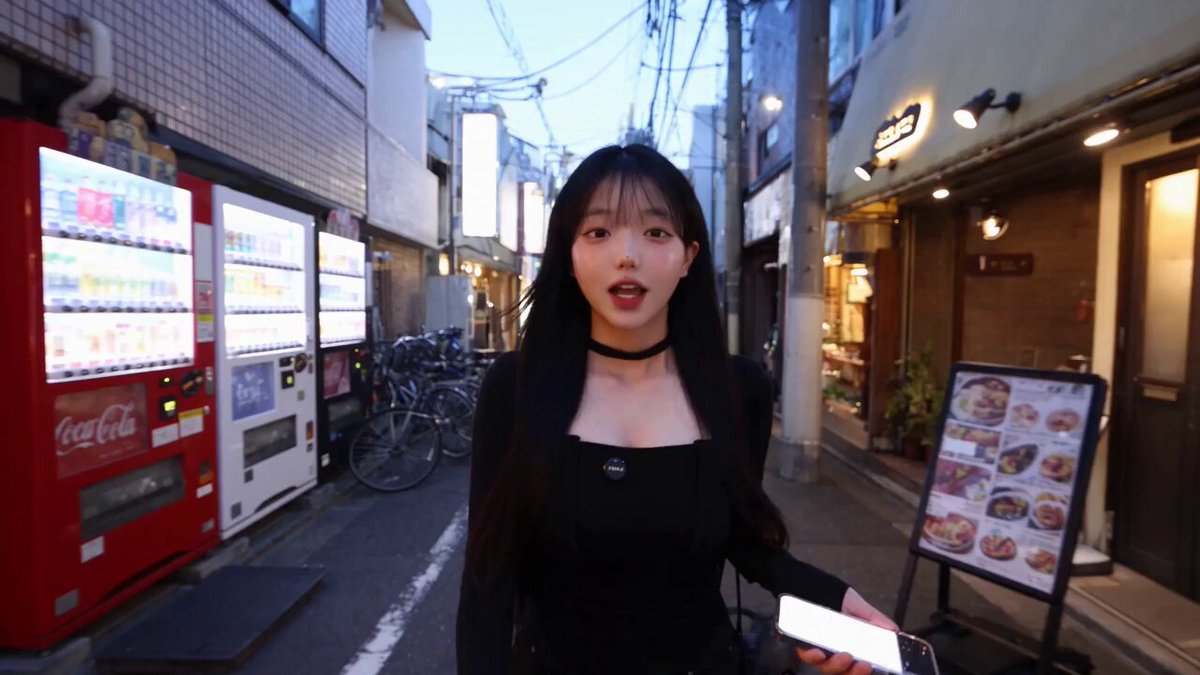
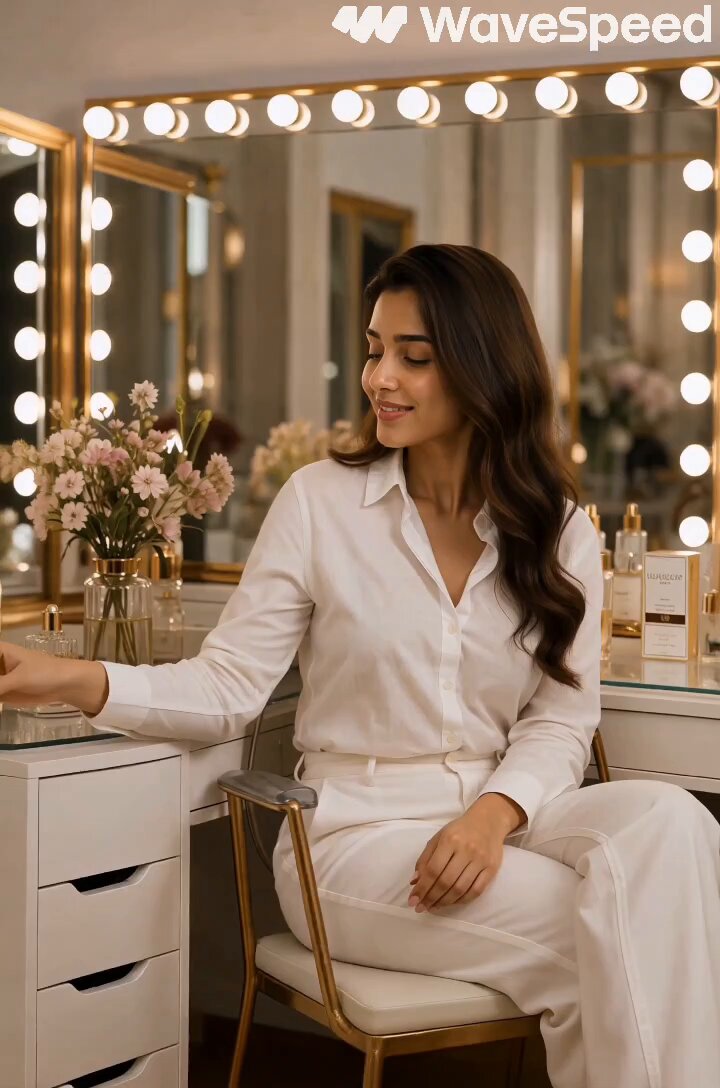
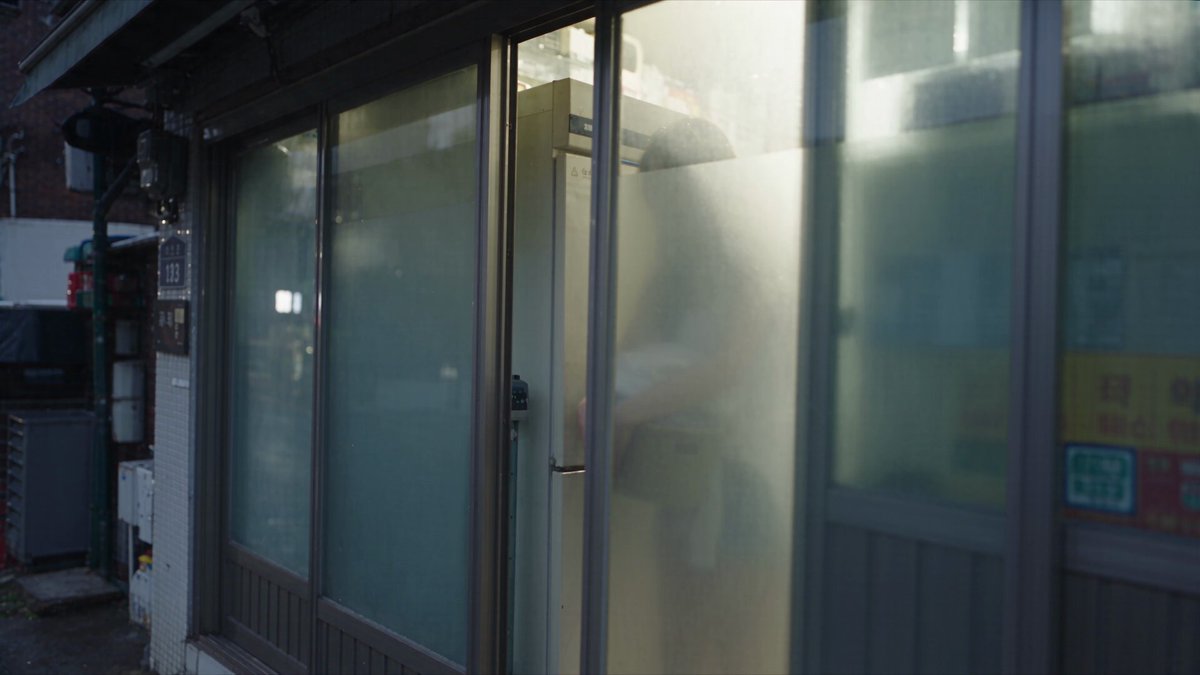
Every few months a new video generation model arrives with a flashy demo reel, and every few months the same question resurfaces: which one should we actually use? In practice, three names dominate production conversations right now — Sora, Kling, and PixVerse. Each has a distinct personality. One is obsessed with physical plausibility, one with following instructions precisely, and one with handing creators direct cinematic control.
The instinct is to pick a favourite and route every shot through it. Teams that do that spend their days fighting the tool: they get gorgeous physics on a shot that needed a stylised look, or razor-sharp prompt adherence on a shot that needed a wide, coherent environment with twenty moving elements. The better mental model is to treat each model as a specialist on a crew. A director of photography does not operate the boom, and a colourist does not design the titles. This guide is a neutral, tool-agnostic walkthrough of how these systems work, where each one shines, and how to sequence them into a workflow that survives a real deadline.
How These Systems Actually Work
Transformers, latent space, and temporal attention
Video generation models do not paint frames one at a time like a traditional animator. They compress footage into a latent representation — a compact mathematical summary of the visual world — then learn to reverse a process of adding noise. Starting from static, they denoise step by step until a plausible sequence emerges. The architecture doing this is usually a transformer, the same family of model that powers modern language systems, but applied to spatiotemporal patches rather than words.
The critical ingredient is temporal attention: the mechanism that lets each patch of each frame look at patches in neighbouring frames. That is what keeps a jacket the same shade of red after a character turns around, and why a coffee cup stays on the table instead of teleporting. When temporal attention fails, you get flicker, melting edges, or an object that quietly changes shape mid-shot.
This also explains the classic failure modes. Fast motion, heavy occlusion, hands, thin structures, on-screen text, and mirror reflections all demand very precise spatiotemporal reasoning, which is why they break first. If your shot depends on any of those, plan extra iteration time before you promise a delivery date.
Realism versus control
Two axes matter when you evaluate any model. The first is physical plausibility: does the world behave as if it has weight, inertia, and persistent objects? The second is controllability: does the model do what your prompt and camera instructions asked, at the exact moment you asked for it? These goals sometimes pull in opposite directions. A model heavily optimised for natural-looking motion may smooth over a precise beat you needed. A model heavily optimised for instruction-following may produce technically correct but slightly stiff movement.
Neither bias is a flaw. They are different bets, and your job is to match the bet to the shot.
Conditioning: what you can feed the model
Modern systems accept far more than a sentence. Typical conditioning inputs include a text prompt, a first frame, a last frame, a reference image for character or product consistency, a motion reference clip, and explicit camera or motion controls. Some tools also expose duration, aspect ratio, frame rate, and seed values. Knowing which inputs exist changes how you plan: if a model supports image-to-video with a locked reference, you can build a consistent character across several shots without relying on text alone.
The practical takeaway is that prompting is only half the craft. The other half is assembling the right inputs so the model has less to guess.
Sora: Physics, Scale, and Coherent Worlds
Sora's reputation rests on world simulation. Give it a scene with many interacting elements — a street market, a wave breaking over a pier, a crowd flowing through a doorway — and it tends to keep those elements coherent for the length of the shot. Objects persist when the camera moves away and comes back. Reflections behave roughly like reflections. Water, smoke, and fabric move with a sense of inertia that reads as believable rather than decorative.
That makes it a natural first choice for establishing shots, environment plates, and any moment where the audience needs to believe in a place rather than a character. Long, slow camera moves are where it feels most comfortable: a dolly through a corridor, a crane rising over a skyline, a slow push into a landscape. Complex group choreography is also a strong suit, because the model is effectively tracking many objects at once.
Where it struggles is precision. Exact character likeness across multiple shots is unreliable without a strong reference workflow. Specific on-screen text — signage, logos, product labels — often needs to be added in post. Precise timing, like a punch landing on a specific frame, is hard to command directly. Treat Sora as your wide-shot and world-building specialist, and stop asking it to be a close-up portrait machine.
Kling: Prompt Fidelity and Efficient Motion
Kling's strength is obedience. If you describe a specific action with a specific camera angle, it tends to deliver something close to that description, and it does so quickly enough to support genuine iteration. That combination — fidelity plus speed — makes it the workhorse for shot-by-shot production rather than one-off hero shots.
Its human motion is a particular highlight. Walking, turning, gesturing, and interacting with objects generally hold together well, which matters enormously because humans are the most scrutinised subject in any frame. Image-to-video is another strong mode: feed it a well-composed still and it will animate it with camera movement and secondary motion rather than reinventing the composition. For teams with a library of photography or illustration, that is often the fastest path to usable footage.
Limitations show up at the extremes. Very fast action can smear or lose limb definition. Dense crowd scenes become less stable than they would in a world-simulation-first model. Long continuous takes beyond its comfortable duration tend to drift. The sensible play is to use Kling for the bulk of your medium shots, character beats, and still-driven animation, then reserve the other tools for the shots where its weaknesses would actually be visible.
PixVerse: Stylized Control and Cinematic Looks
PixVerse leans into creative direction. Camera controls, motion presets, effect templates, and strong stylisation options make it the model that feels closest to a camera rig with a built-in look book. If your project lives in anime, painterly, retro, or highly branded visual territory, this is often where you get the closest match on the first or second attempt rather than the tenth.
It is also excellent for vertical, social-first output. Short clips, looping backgrounds, stylised inserts, and punchy visual hooks are where it earns its place. Because the styles are strong and consistent, it is a good tool for series work where every episode needs the same look without a colourist rebuilding the grade from scratch each time.
Its trade-offs are the mirror image of Sora's. Photoreal close-ups of faces can drift toward a glossy, slightly synthetic quality. Identity persistence across shots is weaker, so recurring characters need reference-driven workflows. Long, physically complex takes are riskier. Use it where style, control, and turnaround matter more than documentary realism.
Matching the Model to the Shot
The fastest way to improve output quality is to stop asking one model to do everything. Sort your shot list by what the shot actually needs, then assign accordingly.
| Shot type | Strong first choice | Why |
|---|---|---|
| Establishing landscape or cityscape | Sora | Sustained world coherence over a long camera move |
| Complex crowd or busy environment | Sora | Many interacting objects tracked simultaneously |
| Character action, medium shot | Kling | High prompt fidelity and reliable human motion |
| Animating an existing still | Kling | Image-to-video keeps the original composition intact |
| Stylised or anime sequence | PixVerse | Strong, consistent look development |
| Vertical social hook or loop | PixVerse | Fast turnaround and controlled camera presets |
| Product hero close-up | PixVerse or Kling | Depends whether you want style or literal accuracy |
| Physics-heavy moment (water, smoke, debris) | Sora | Better inertia and material behaviour |
Beyond the table, weigh these criteria before you commit a shot to a tool: required duration, motion complexity, how many shots need the same character or product, the style target, how many iterations you can afford, the output resolution you need for the final frame, and the usage terms attached to the platform you are using. Cost per finished shot matters far more than cost per attempt, because a cheap model that takes twelve tries is more expensive than an expensive one that takes two.
A Practical End-to-End Workflow
Pre-production: script to shot list
AI video fails most often at the planning stage, not the generation stage. Build a shot list before you touch a prompt box. Useful columns: shot number, target duration, description, camera movement, subject count, assigned model, prompt draft, reference assets, status. Add a look bible with three to five reference frames so every operator shares the same target.
Decide your aspect ratio and frame rate now, not later. Mixing 24fps and 30fps clips in a single sequence creates judder that no amount of post-processing hides cleanly. Decide the sound plan at the same time, because a sequence that will be carried by voice-over needs different pacing than one carried by music.
Generation and iteration loops
Validate cheaply before you commit. Generate short, low-resolution tests to confirm composition and motion, then re-run the approved version. Produce four to eight variants per shot rather than one, because selection is faster than correction. Lock seeds once you have a look you like, and keep a written log of prompts and settings so a good result can be reproduced next month.
Where character consistency matters, generate an approved still first and animate from it. This turns identity into an input rather than a hope. Review everything on a real monitor at full size — artefacts that vanish on a phone screen will be painfully obvious on a television.
Assembly, sound, and finishing
Treat generated clips as camera original, not finished shots. Cut them in an editing timeline, replace placeholder audio, then run a finishing pass: upscale, denoise, stabilise, and grade. Adding a light grain layer and consistent colour treatment helps AI footage sit next to live-action material without announcing itself.
Sound design is where most AI-driven sequences are won or lost. Footsteps, cloth movement, room tone, and a coherent ambience do more for believability than another round of generation. Budget as much time for audio as you do for picture.
Prompting Patterns That Transfer Across Models
Most strong prompts share a common skeleton: subject and wardrobe, action, environment, camera movement and lens, lighting, style or medium, motion cues, and constraints. A weak prompt says "a woman walking in a city, cinematic." A strong one says "a woman in a grey wool coat walking toward camera along a wet city street at dusk, slow dolly-in on a 35mm lens, overcast light with warm shop-window highlights, muted film grade, coat moving in the wind, steady pace."
The second version works across all three models because it separates decisions a human would make on set. Change one variable at a time so you learn what the model responds to. Use physical verbs instead of moods. State the camera movement explicitly — dolly, pan, tilt, crane, handheld, static. Describe what you want rather than what you do not want, because negations are unreliable in visual models. Keep prompts to a readable paragraph; longer is not better, clearer is better.
Mistakes, Quality Control, and Realistic Budgets
Common mistakes repeat across teams. Writing novel-length prompts that dilute the important details. Ignoring duration and aspect limits until after generating. Expecting text-only prompts to deliver a consistent character across ten shots. Generating at final quality before the composition is approved. Forgetting that sound carries more believability than another generation pass. Losing track of which prompt produced which file. And treating a single good generation as a repeatable process instead of a lucky draw.
Quality control should be systematic. Watch each clip once at normal speed with sound off to judge motion and composition. Watch again at quarter speed to catch melting edges, warped hands, drifting faces, and unstable reflections. Check continuity across cuts: wardrobe, lighting direction, time of day, screen direction. Flag anything that needs a re-run before you start editing, not after.
Budget planning is mostly arithmetic. Assume three to six generations per approved shot, more for anything involving hands, text, or fast motion. Add review time per shot, plus assembly, sound, and finishing passes. Parallelising generation across two or three tools is usually faster than maximising quality on one. Archive approved clips and their prompts together, because future episodes will need them.
FAQ
Which of the three is best overall?
None of them. Sora leads on physical coherence and scale, Kling on prompt fidelity and human motion, PixVerse on stylised control and fast turnaround. The right answer is a routing decision per shot, not a single winner.
Can I keep the same character across multiple shots?
Yes, but not through text alone. Generate an approved reference image, use image-to-video or reference-conditioned generation, lock seeds where possible, and keep wardrobe and lighting descriptions identical between prompts.
Do I need access to all three tools?
No. Most projects run well on two: one for realistic, world-heavy shots and one for stylised or control-heavy work. Add a third only when a specific shot class keeps failing.
How long does a thirty-second AI sequence take?
For a five-shot sequence, plan one to three days including iteration, assembly, and sound. Complex shots with crowds, water, or precise action can each consume several hours of review and re-generation.
Is AI-generated footage good enough for client work?
For many commercial categories, yes — particularly backgrounds, stylised sequences, product inserts, and social content. It is strongest when combined with real photography, motion graphics, or live-action plates rather than standing entirely alone.
How do I avoid the tell-tale synthetic look?
Reduce the perfection. Add grain, vary the grade slightly, use imperfect camera movement, and give every shot a sound bed. Overly smooth, over-sharp, perfectly lit footage reads as artificial even when the motion is flawless.
Should I upscale before or after editing?
Assemble at working resolution, then upscale approved clips before the final grade. Upscaling before editing wastes compute on shots you will cut, and upscaling after grading can reintroduce artefacts that the grade was hiding.
What is the single biggest quality improvement I can make?
Plan the shot list and look bible first. Teams that know exactly what each shot needs, and which tool is likely to deliver it, consistently outperform teams that generate first and figure out the story later.
