
Why Workflow Beats Brand Loyalty in AI Video
Every few months a new text-to-video model arrives with a glossy demo reel, and the conversation resets: which one is best? That framing is the first mistake. Professional teams rarely commit to one engine. They build a workflow with defined slots — shot list, generation, consistency pass, audio, cleanup, edit — and then route each shot to whichever model handles that shot best. A sweeping mountain landscape and a talking close-up are not the same problem, and no single engine is the strongest at both.
This guide is a neutral, practical look at how to choose and combine AI video tools. You will find comparisons of Sora, Kling, Veo, Runway, and open-weight alternatives, but the emphasis is on the process around them: shot planning, prompt structure, continuity, audio, and post-production. Models change every quarter. A workflow that knows exactly what it needs from a model survives those changes; a workflow welded to one vendor does not.
The most useful mental model is that of a small live-action crew. You do not ask one camera operator to also be the gaffer, the sound recordist, and the colourist. In AI video, the "crew" is a set of models and utilities, each chosen for a specific weakness you need covered. Once you accept that, tool comparison stops being a sports argument and becomes an engineering decision.
Start With the Shot, Not the Model
Before opening any generator, write a shot list. For each shot, note five things: target duration in seconds, framing, camera movement, subject action, and the emotional beat. Those five fields tell you which model family to reach for and how much of your render budget the shot deserves.
A four-second insert of a hand turning a dial has almost nothing in common with a ten-second tracking shot through a crowded market. The insert needs sharp macro detail and stable lighting; the tracking shot needs spatial coherence, plausible crowd behaviour, and camera motion that does not warp the background. Sending both to the same model with the same prompt template is how projects end up with beautiful inserts and unusable crowd shots.
A practical shot list template looks like this:
- Shot ID: S03
- Duration: 5s
- Framing: medium close-up, eye level
- Movement: slow push in, 10% frame travel
- Action: character looks up from notebook, expression shifts from doubt to resolve
- Audio: no dialogue, room tone only
- Priority: hero shot, worth extra iterations
Marking priority is the part most people skip, and it is the part that saves money and time. Hero shots justify multiple generations and a cleanup pass. Transitional shots — a doorway, a passing car, an empty corridor — should be generated once, approved quickly, and moved past. Without priority flags, teams burn equal effort on shots the audience will barely register.
Finally, decide your delivery format before you generate anything. Vertical 9:16 for social, 16:9 for landscape, 1:1 or 4:5 for feed placements, 24 fps for a filmic feel, 30 or 60 fps for sports and interface footage. Framing and movement prompts read very differently across those formats, and regenerating a full sequence because someone forgot the aspect ratio is an avoidable waste.
How the Leading Text-to-Video Models Actually Differ
The differences between modern video models are real but narrow and situational. Understanding the general archetypes is more durable than memorising version numbers.
Long, coherent, prompt-literal engines
Some models are built around longer clips, strong scene coherence, and literal prompt adherence. They handle multi-subject scenes gracefully and accept complex camera instructions without collapsing. The trade-off is often a slightly "clean" texture: skin, fabric, and foliage can look smoothed in a way that reads as synthetic, and fine-grained parameter control may be limited to what the prompt implies.
Motion, physics, and human movement specialists
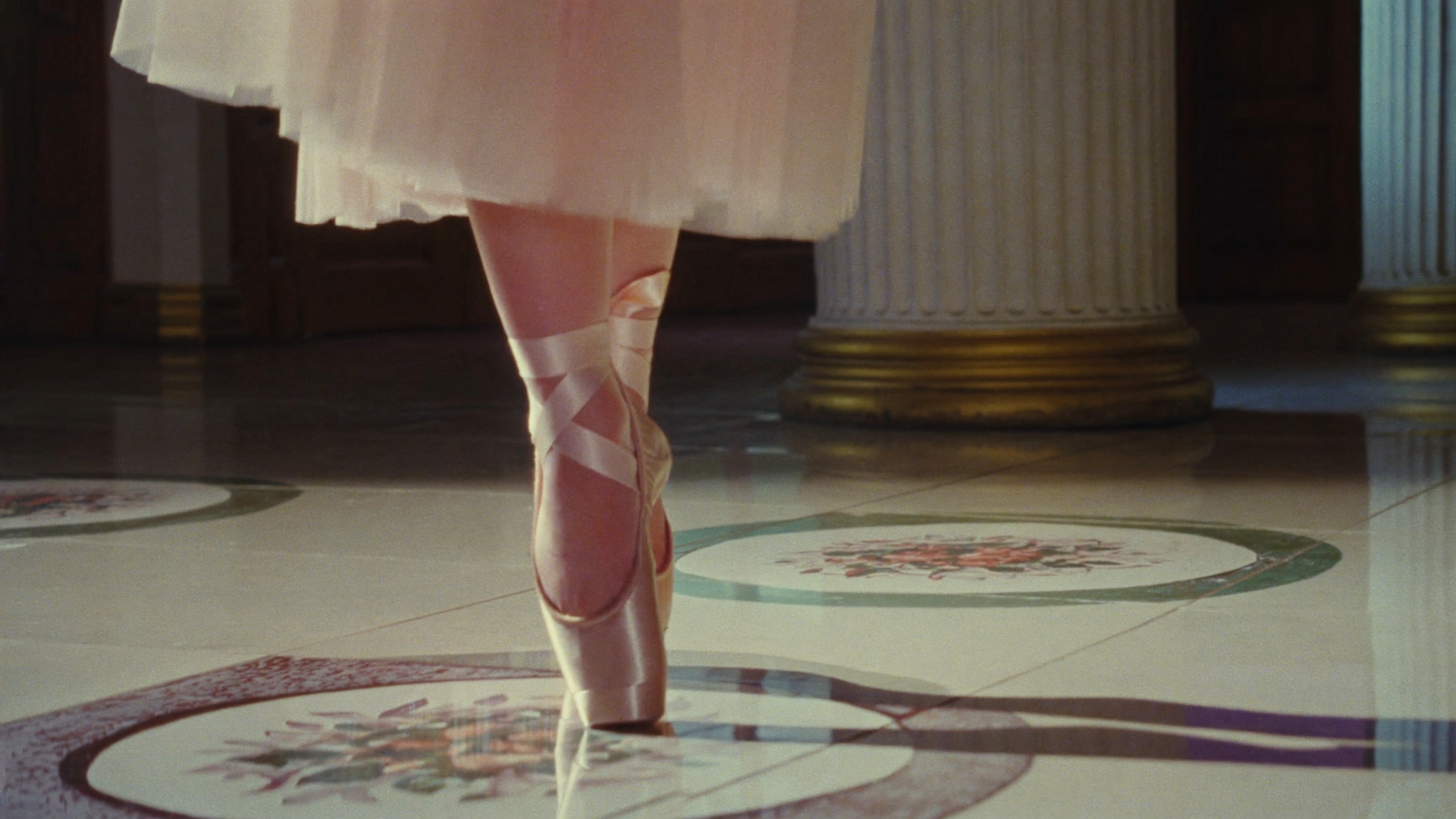
Other engines are tuned for physical plausibility: limb articulation, weight transfer, contact with surfaces, and fast action beats. If your shot involves running, dancing, falling, or a person handling a tool, this family usually produces fewer melted fingers and rubbery joints. Weaknesses show up in highly stylised work and in extremely long takes, where drift accumulates.
Native audio and lens-realism engines
A third archetype focuses on grounded realism — believable lens behaviour, natural light falloff, and synchronised audio generation. These are excellent for dialogue-driven scenes and documentary texture. They can be less adventurous with surreal or heavily stylised prompts, which is exactly the wrong tool for a fantasy sequence but the right one for a corporate interview parody.
Control-surface and editing-integrated tools
Some platforms lean into fine control: motion brushes, camera parameter panels, inpainting, outpainting, and tight integration with an editor. You give up some raw photo-realism for the ability to fix a single frame instead of regenerating the whole clip. For commercial work with client feedback, that control is often worth more than a slightly better default look.
Open-weight and self-hosted options
Open-weight models such as Wan, LTX, Mochi, and HunyuanVideo can run locally or on rented compute. They demand GPU knowledge, and their out-of-the-box quality typically trails the hosted leaders, but they offer something the others cannot: unlimited iteration without per-generation fees, full privacy for sensitive footage, and fine-tuning on your own visual style. Teams that generate hundreds of variations a day often keep one hosted model for hero shots and one local model for exploration.
Matching Model Strengths to Shot Types
The fastest way to improve output quality is to stop using one model for everything. Here is how to route shots.
Character performance and close-ups
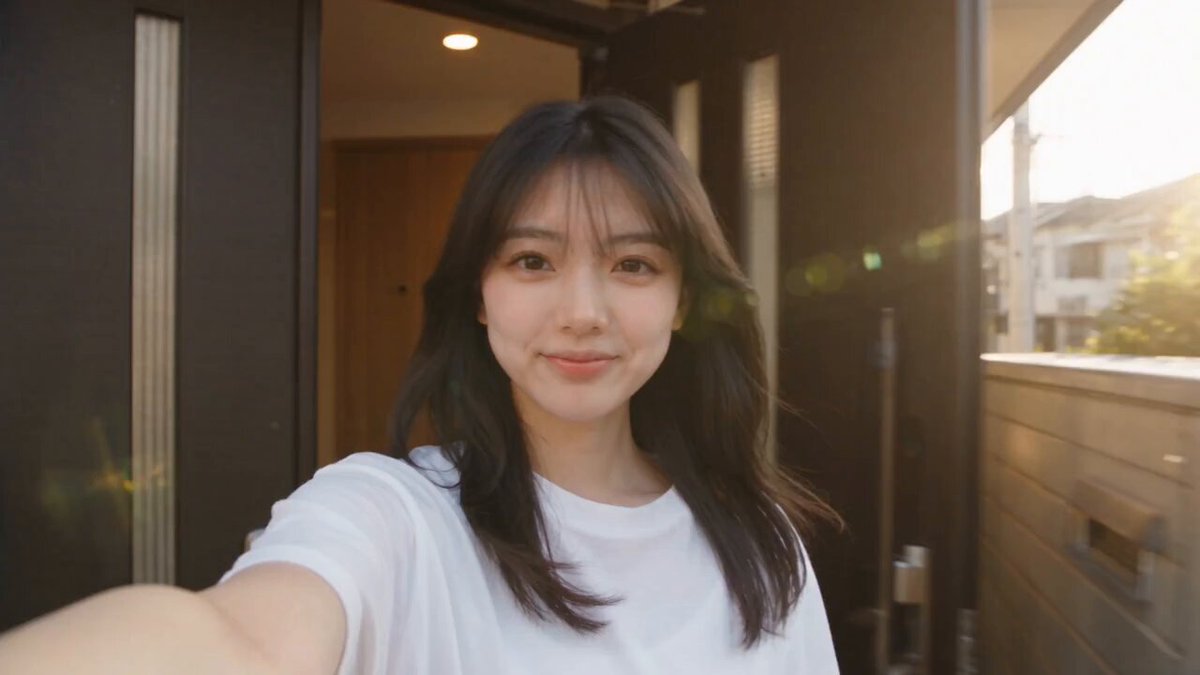
Close-ups live or die on micro-expression. Look for models that preserve eye detail, subtle mouth movement, and skin texture across a five-second hold. Keep the prompt minimal here: name the emotion, the beat, and the camera, then stop. Over-described close-ups tend to produce exaggerated, theatrical faces.
Action, vehicles, and complex motion
Route these to physics-oriented models. Add environmental cues that justify the motion — dust, spray, debris, tyre marks — because those particles give the model visual anchors for speed and weight. Avoid asking for three simultaneous actions in one shot; split them into separate generations and cut them together in the edit.
Product beauty shots and macro detail
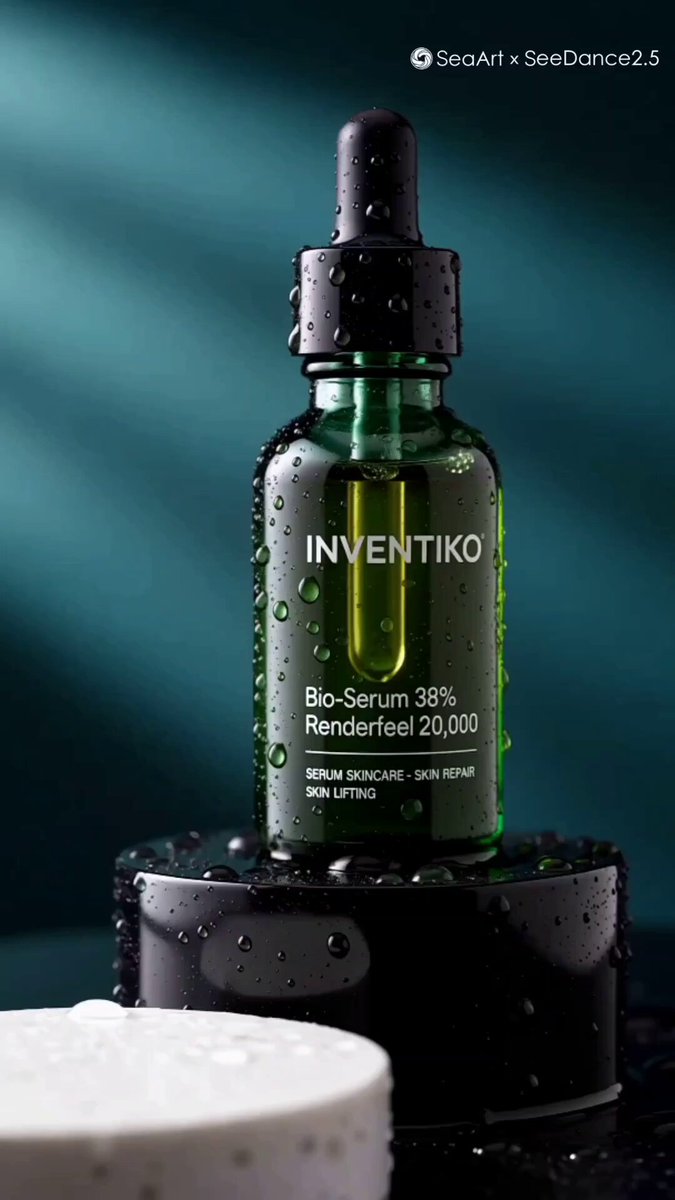
Macro work rewards models with strong texture fidelity and image-to-video modes. Generate a high-quality still first, approve it, then animate it with a slow orbit, a rack focus, or a light sweep. Starting from an approved frame removes most of the risk of a warped logo or a rubbery edge.
Establishing shots, landscapes, and crowds
Wide shots tolerate lower detail but punish incoherent geometry. Use slow, simple camera moves — a drift, a gentle crane, a slow pan — because fast movement in wide frames exposes fabricating architecture. For crowds, generate a wide plate with motion blur and add foreground figures in separate layers.
Text, logos, and interface elements
No current model renders legible typography reliably. Plan on generating a clean plate and compositing real type over it in your editor or motion tool. The same applies to phone screens, signage, and dashboards: treat them as post-production layers, not generation targets.
A Prompt Structure You Can Reuse
The most reliable prompts are structured, not poetic. Use five slots and keep them in the same order every time.
- Subject: who or what, with one or two defining details.
- Action: one clear verb phrase in present tense.
- Camera: shot size, angle, lens, and movement.
- Light and environment: time of day, key direction, weather, atmosphere.
- Texture and grade: film stock, grain, contrast, colour bias.
A worked example: "A middle-aged ceramicist in a clay-dusted apron lifts a half-formed bowl from a spinning wheel. Medium close-up, 50mm, eye level, slow push in. Late afternoon window light from camera left, dust motes visible. Kodak-style warm grade, fine grain, shallow depth of field."
That prompt is roughly thirty words of substance. Everything in it is checkable against the output, which makes iteration possible. Vague prompts produce results you cannot diagnose, because you do not know which clause failed.
Constraint language and negative prompts
Constraints are as important as descriptions. Useful ones include "single continuous shot, no cuts," "hands remain in frame," "no on-screen text," and "camera does not move." Where a tool supports negative prompts, be specific: "no extra fingers, no warped background, no flickering highlights, no slow-motion." Blanket negatives like "bad quality" do almost nothing.
Iteration discipline
Change one variable per generation. If you adjust camera movement, lighting, and wardrobe simultaneously, you learn nothing and you cannot reproduce the result you liked. Keep a prompt log with the seed, model version, and a one-line note about what improved. Three focused iterations beat fifteen random ones every time.
Consistency Across Shots
Character and set consistency is where AI video projects fail most visibly. Four practices fix most of it.
Build a character sheet first. Generate or photograph a front, three-quarter, and profile view in consistent lighting, then use those images as references across the whole sequence. Do not describe the character from scratch in every prompt — reference the sheet.
Lock wardrobe, props, and palette in writing. A one-page style bible listing jacket colour, hair length, jewellery, and the two or three dominant colours of the film prevents drift between artists and between sessions.
Track seeds and settings. When a generation nails a look, record the seed, model version, and prompt verbatim. Reproducing a look later is far easier than inventing it again.
Continuity-check in a contact sheet. Before editing, export the first and last frame of every shot into one grid. Seeing them together exposes jumps in lighting direction, wardrobe, and screen position that are invisible when you review shot by shot.
Audio, Dialogue, and Lipsync
Audio is where many AI video pipelines quietly fall apart. Three approaches work, and they can be combined.
Generate picture silently and build audio separately. This is the most controllable route: record or synthesise voice-over, add room tone and effects, and cut to that bed. Picture generation gets easier when it does not have to guess the sound.
Use models with native audio for scenes where performance and sound must be coupled. This works well for short conversational beats, but expect to hand-fix mouth shapes on longer lines.
For lipsync, treat it as a post-production step. Generate a clean performance with the mouth reasonably closed or neutral, then drive the mouth from an audio track in a dedicated lipsync tool. This decouples the two risks: you can reshoot the voice without regenerating the video, and you can regenerate the video without re-recording.
Always check pronunciation of brand names and proper nouns. Synthetic voices frequently mangle them, and a mispronounced product name can invalidate a whole commercial deliverable.
The Post-Production Layer
Raw generations are footage, not finished film. A lean post pipeline does five things well.
Select and trim. Cut on motion, not on model boundaries. Most clips have one usable two- to three-second window; extract it early.
Clean up. Use inpainting or a frame-level repair tool to fix flickers, warped hands, and background artefacts. Fixing forty frames is cheaper than regenerating a clip you otherwise like.
Upscale and stabilise. Upscale to delivery resolution, then stabilise only what needs it. Over-stabilising removes the intentional camera movement you paid for.
Grade for unification. Different models produce different colour science. A single grade with matched contrast, saturation, and grain welds material from four engines into one visual world.
Sound design. Add room tone under every shot, music with a clear dynamic arc, and effects tied to on-screen actions. Sound is the fastest way to make disparate clips feel like one production.
Common Mistakes and Planning Realities
Generating before storyboarding. Teams that skip the shot list generate three times as much footage and still cannot assemble a coherent scene.
Chasing realism when stylisation would win. Animation, illustrative, and archival looks hide model weaknesses and are often more memorable. Realism is the hardest target, not the default.
Ignoring duration economics. Longer clips cost more time, more compute, and more risk of drift. Cut in the edit instead of asking a model for a twelve-second continuous take.
Single-model dogma. The most common quality ceiling is not the model; it is the refusal to use a second one for the shots the first handles badly.
No review cadence. Schedule review points at the animatic, the first assembly, and the lock. Reviewing sixty finished shots in one sitting produces shallow notes and expensive changes.
Finally, plan around failure rates. In a healthy pipeline, expect roughly one in three generations to be usable and one in ten to be genuinely good. Budget iterations accordingly, and treat generation volume as a planning number rather than a surprise.
FAQ
Which AI video model is best overall?
None, and that is the point. Choose per shot type: physics-oriented models for action, lens-realism and native-audio models for dialogue, image-to-video tools for product macro, and open-weight models for high-volume exploration or private footage.
How long should a generated clip be?
Generate three to six seconds and cut the best two seconds. Longer generations accumulate drift in faces, hands, and background geometry, and you rarely need the full length in the final edit.
How do I keep a character consistent across shots?
Create a reference sheet in consistent lighting, reuse it in every prompt, lock wardrobe and palette in a written style bible, log seeds, and check a first-and-last-frame contact sheet before editing.
Why does motion look rubbery or slow?
Usually the prompt contains too many competing actions, or the requested speed conflicts with the camera move. Simplify to one action, add grounding cues like dust or debris, and specify normal speed explicitly.
Should I generate audio with the video?
Only for short, performance-critical beats. For anything with scripted dialogue or a music bed, build audio separately and apply lipsync in post so you can revise sound without regenerating picture.
Is local or open-weight generation worth it?
It is worth it if you generate at high volume, handle confidential material, or want to fine-tune a signature look. Otherwise hosted models deliver better results with less setup.
What is the realistic time budget for a one-minute film?
For a polished one-minute piece with ten to fifteen shots, allow two to four working days: one for planning and reference sheets, one to two for generation and selection, and one for audio, grading, and finishing. Delivering four minutes in a single afternoon is a demo, not a production.
