

The Art of Turning Words into Cinema
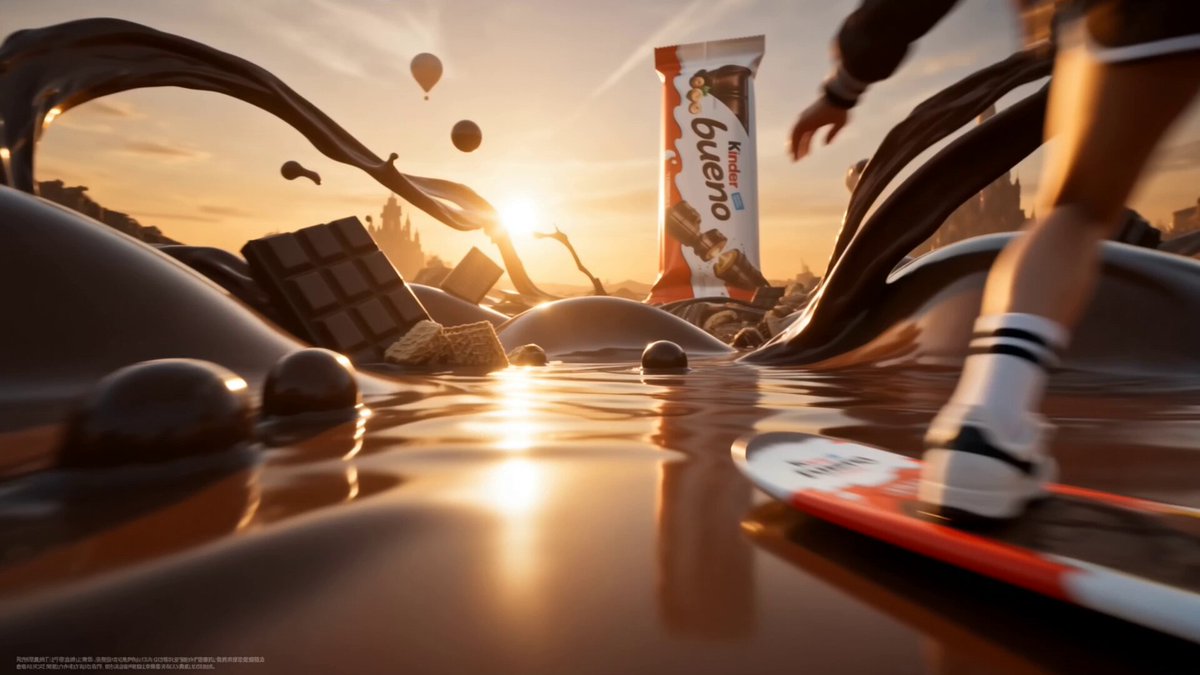
The gap between imagination and execution has never been narrower. AI video generation has evolved from producing short, glitchy clips to creating full cinematic sequences with coherent narratives and professional-grade visuals.
Whether you are a filmmaker, marketer, or content creator, understanding how to convert text into cinematic video is now essential.
The Evolution of AI Video Generation
Today models understand:
- Physics and motion: Objects move naturally and interact realistically
- Lighting: Dynamic lighting with proper shadows and reflections
- Camera language: Understanding of shots, angles, and cinematic conventions
- Narrative coherence: Maintaining visual consistency across scenes
Domer AI video generator brings these capabilities to creators of all skill levels.
The Text-to-Cinema Pipeline
1. Script to Visual Breakdown
Break down your script into visual beats: what does each moment look like, what is the camera doing, what is the mood?
2. Prompt Engineering for Cinematic Quality
Good prompts include:
- Shot type: "Wide establishing shot," "Close-up on face"
- Camera movement: "Slow dolly in," "Crane shot descending"
- Lighting: "Golden hour backlight," "Neon noir"
- Lens reference: "35mm anamorphic," "85mm portrait"
3. Scene-by-Scene Generation
Generate each scene individually with consistent character descriptions.
4. Assembly and Post-Production
Stitch scenes together, add transitions, color grade, and layer in audio.
Pro Tips
- Build a prompt library for reusable shot types
- Generate multiple variations and pick the best
- Use GPT Image 2 for reference frames
- Invest time in learning cinematic language
Domer offers all these capabilities in one place.
