

Text-to-video has crossed the line from impressive demo to daily driver. Platforms that take a written description and produce moving footage now power product demos, social content, course videos, and even narrative series. For content creators, the opportunity is real, but so is the confusion: dozens of platforms, hundreds of models, and a tangle of claims about quality and speed. This guide cuts through that noise and explains how to choose and use a text-to-video platform like a professional — what the platforms actually include, how to match models to jobs, how to keep a series consistent, and how to build a sustainable creator business on top of it all.
What a Good Text-to-Video Platform Includes
A text-to-video platform is not a single model; it is a system. The best ones bundle several layers, and you should expect all of them.
The generation layer is the obvious one: models that turn prompts into video. But the platform also needs a way to manage those models, because no single model fits every job. A platform with a real model library lets you switch between photorealism, stylized looks, and specialized controls without changing tools.
The editing layer matters almost as much as generation. You will want to trim, combine, overlay text, and adjust pacing. Platforms that force you to export and re-edit in another tool add friction; platforms with basic built-in editing keep the whole flow in one place.
The asset layer keeps your project sane: a library of generated clips, reference images, style presets, and versions. When you are producing a series, this library is what makes episode two faster than episode one.
Finally, a good platform offers audio support — voice-over, music, sound effects — because video without sound does not travel well on social platforms. The less you have to assemble externally, the faster your pipeline runs.
Understanding the Model Ecosystem
The model landscape divides into tiers, and each tier exists for a reason.
Premium models set the quality ceiling: cinematic realism, strong prompt adherence, and better handling of complex scenes. They are slower and more expensive, and they are the right choice for hero content — a launch video, a trailer, a piece that represents your brand.
Mid-tier models balance quality and speed. They handle most everyday production: social clips, explainers, variations. Most creators should live in this tier and use premium models selectively.
Fast and budget models trade quality for throughput. Use them for drafts, internal versions, and high-volume content where the message matters more than the polish.
Specialized models do narrow jobs well: reference-based video for character consistency, frame control for precise composition, motion transfer for matching movement styles, and stylized models for specific art directions. These are the models that make a project feel art-directed rather than generic.
The strategic point is to think of the ecosystem as a toolkit. The question is never which model is best overall; it is which model is best for this shot, at this stage, at this budget.
Matching Models to Production Stages
Production is a sequence of stages, and each stage wants a different model tier.
Draft stage: use the fastest model that produces a recognizable version of the idea. The goal is to prove the story and the composition, not to deliver final quality. Drafts should be nearly free so that exploration is encouraged.
Select stage: review the drafts and choose the winning concepts. This is a human stage, and it is where taste earns its keep. Keep the winning drafts and their prompts; they become the blueprint.
Refine stage: regenerate the selected concepts with a mid-tier or premium model. This is where you spend your expensive generations, and only on the shots that will actually appear in the final video.
Polish stage: assemble the video, add audio, and export platform variants. The polish stage is where the editing and audio layers of the platform earn their keep.
This staging pattern is what separates professionals from beginners. Beginners generate the whole video at maximum quality and hope; professionals spend cheap compute on exploration and expensive compute on decisions they have already made.
Keeping a Series Consistent
For creators who produce series — a recurring character, a weekly show, a brand world — consistency is the difference between a library of clips and a franchise.
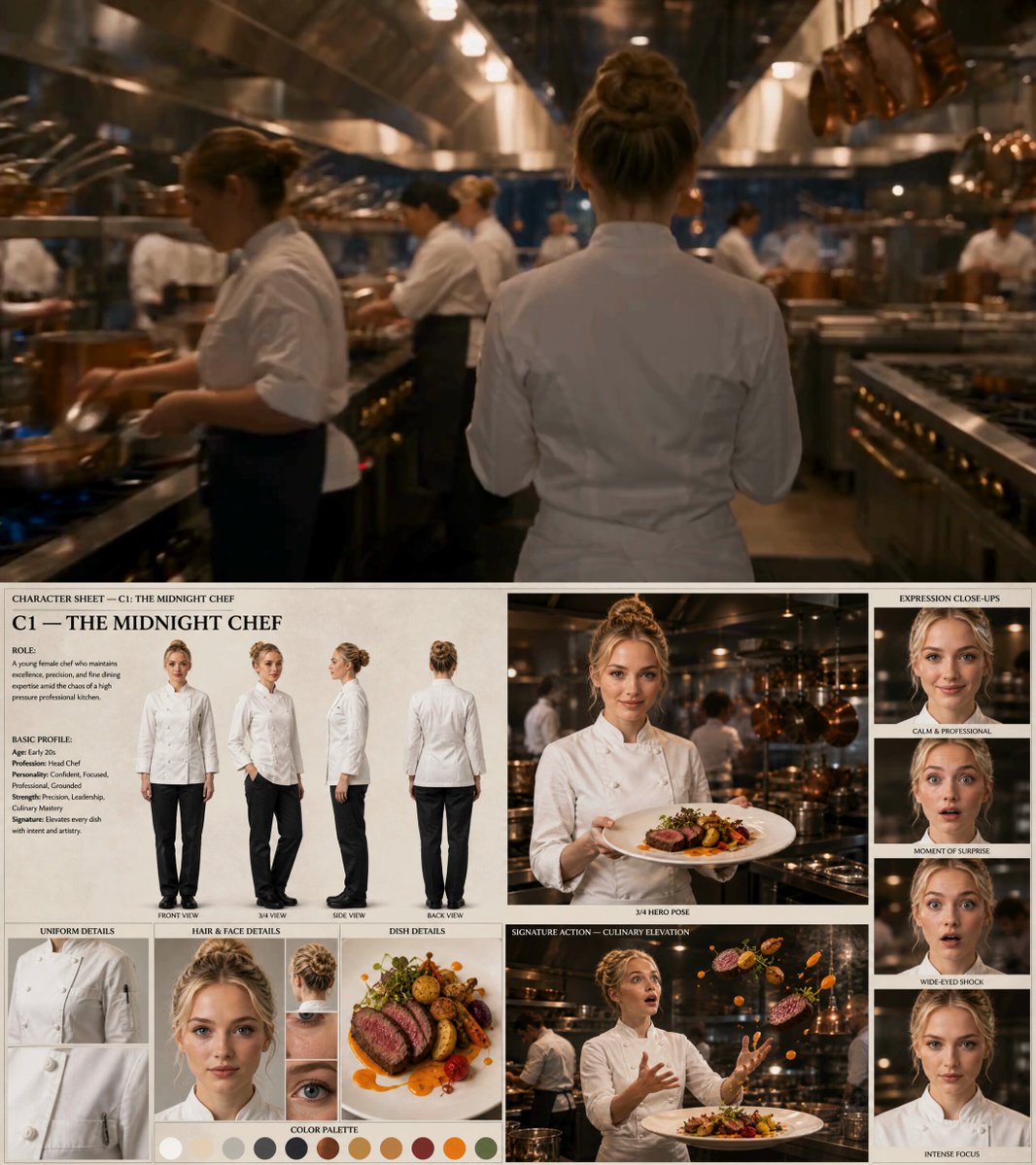
Build a reference set for anything that repeats. Character sheets, style frames, and environment images become the identity of the project. Feed them to the platform as references whenever it supports it.
Keep prompts disciplined. Use the same names, the same style descriptions, and the same reference images across every episode. Small wording changes cause small drifts, and small drifts compound over a season.
Review the reference set every few episodes. Characters evolve, and you want the evolution to be deliberate, not accidental. If the character has drifted from the approved design, fix the references before continuing.
Treat the series as one long project rather than many small ones. Platforms that let you store project state, presets, and assets make this natural. The creator who treats each episode as a fresh start rebuilds the world every week and pays for it in consistency and time.
Sound, Music, and Voice-Over in the Same Pipeline
Video is half sound, and text-to-video platforms that ignore audio force you into a second production loop. The best workflows keep audio in the same pipeline.
Voice-over is the biggest lever. A clear, well-paced narration carries an explainer or story even when the visuals are simple. Use text-to-speech for drafts and consider recording or commissioning a human voice for flagship content.
Music sets the emotional frame. Choose tracks that match the pacing: tense for dramatic scenes, light for tutorials, epic for launches. Most platforms offer a music library or let you upload your own, and the choice matters more than people expect.
Sound effects sell the physical world. Footsteps, whooshes, clicks, and ambience make generated footage feel real. Layering a few effects at key moments does more for perceived quality than a more expensive model.
Synchronization is the craft: the audio should drive the edit. Assemble the narration track first, then time the visuals to it. A video that cuts to the beat of its audio feels intentional; one that ignores it feels random.
Managing Assets Across Big Projects
When you produce at volume, the asset library becomes your most valuable file. Poor organization costs more than any model price.
Adopt a naming convention from day one: project, scene, version, date. The convention does not need to be clever; it needs to be consistent and searchable.
Version deliberately. Keep approved assets separate from experiments. The approved version of a character or scene is the one that ships; everything else is exploration.
Document what works. For each project, keep the winning prompts, the model used, and the settings. Next time you need a similar shot, you start from a known-good recipe instead of rediscovering it.
Purge ruthlessly, but archive first. Failed generations can be deleted once you have saved the prompt and settings; you can always regenerate. Approved assets get archived permanently. The library should be a production asset, not a junk drawer.
A Sample Pipeline for a Weekly Show
The theory becomes clearer with a concrete example: a creator producing a weekly three-minute explainer show about design trends, distributed to YouTube, TikTok, and LinkedIn.
Sunday: the creator picks the week's topic and writes the script, about three hundred words. They split it into ten beats and write a one-sentence visual description for each. The style line and the host character reference are already saved in the platform, so no setup is needed.
Monday morning: draft generation runs on the fast model while the creator records the narration. By lunch, the drafts are reviewed, two scenes are rewritten, and the refined versions are queued on the premium model.
Tuesday: the finished scenes are assembled in the editor. Captions, music, and the intro and outro are added. The creator exports the 16:9 master for YouTube, a 9:16 cut for TikTok, and a 1:1 clip of the single most quotable moment for LinkedIn.
The rest of the week is promotion and community: posting, replying to comments, saving the best feedback as topics for future episodes. The pipeline time is about two focused days, and it shrinks every week because the assets, references, and prompts accumulate.
The key habit is the Sunday script. The platform never has to guess what the creator wants, because the creator decided before opening the tool. The pipeline turns a weekly show from a production project into a scheduling problem, which is exactly where a creator wants to be.
From Hobby to Income: Monetization Paths
The point of a fast pipeline is not just more content; it is more value. Text-to-video platforms feed several realistic income paths.
Client work is the most direct: brands need product demos, social cuts, and campaign assets, and they pay for speed and iteration. A creator with a reliable pipeline can undercut agency timelines and still profit.
Courses and education: the same pipeline that makes client videos makes course content. Teach what you know, package it as video lessons, and sell it directly.
Licensing and stock: consistent, high-quality generated footage has a market on stock platforms, especially for niches that are hard to shoot.
Brand partnerships: audiences trust creators who make distinctive content. A recognizable style becomes the reason brands approach you, and the style comes from your reference set and direction choices.
The common thread is that monetization follows reliability. The creator who delivers on time, at consistent quality, with a recognizable style is the one who gets paid.
Common Mistakes New Creators Make
Prompting at maximum detail and hoping: long prompts do not produce better video; they dilute the model. Write short scene prompts and put detail in references.
Skipping the draft stage: going straight to premium models for everything burns budget and locks in bad ideas early.
Ignoring consistency until it is too late: fixing drift after ten episodes is ten times harder than building references before episode one.
Treating the platform as a video editor: a text-to-video platform is a generation system. Do not fight it; use its strengths and export for heavy editing when necessary.
Forgetting the audience: generated content is only as good as the idea behind it. The platform improves your speed, not your message.
Frequently Asked Questions
How long does a typical text-to-video clip take? Depending on the model tier, from seconds to a few minutes. Drafts are fast; premium renders are slower.
Which model should a beginner start with? Start with a mid-tier model for most work, add a premium model for hero shots, and learn the specialized models as your projects demand them.
Can I make money with text-to-video content? Yes — client work, courses, licensing, and partnerships are all realistic, but the money follows consistent quality and reliability, not the tool itself.
How do I keep characters consistent across videos? Build a reference set, keep prompts disciplined, and review the references regularly. Consistency is a system, not a feature.
Is generated video good enough for professional use? For most commercial contexts, yes, when you combine a strong pipeline with human direction and review. The failures that remain — physics, text, long-range consistency — are manageable with planning.
Final Thoughts
Text-to-video platforms have given creators a production capability that used to require a studio. The platform is the engine; the creator is the director. The creators who win are the ones who treat the platform as part of a deliberate system — staged production, disciplined references, integrated audio, and organized assets.
Choose a platform that fits the whole workflow, not just the prettiest demo. Then build your pipeline around it, protect your references, and let the models do the heavy lifting while you keep the judgment.
The creators who treat the platform as a partner rather than a magic button are the ones who will still be producing content years from now, because they will have built the system that produces it.
