
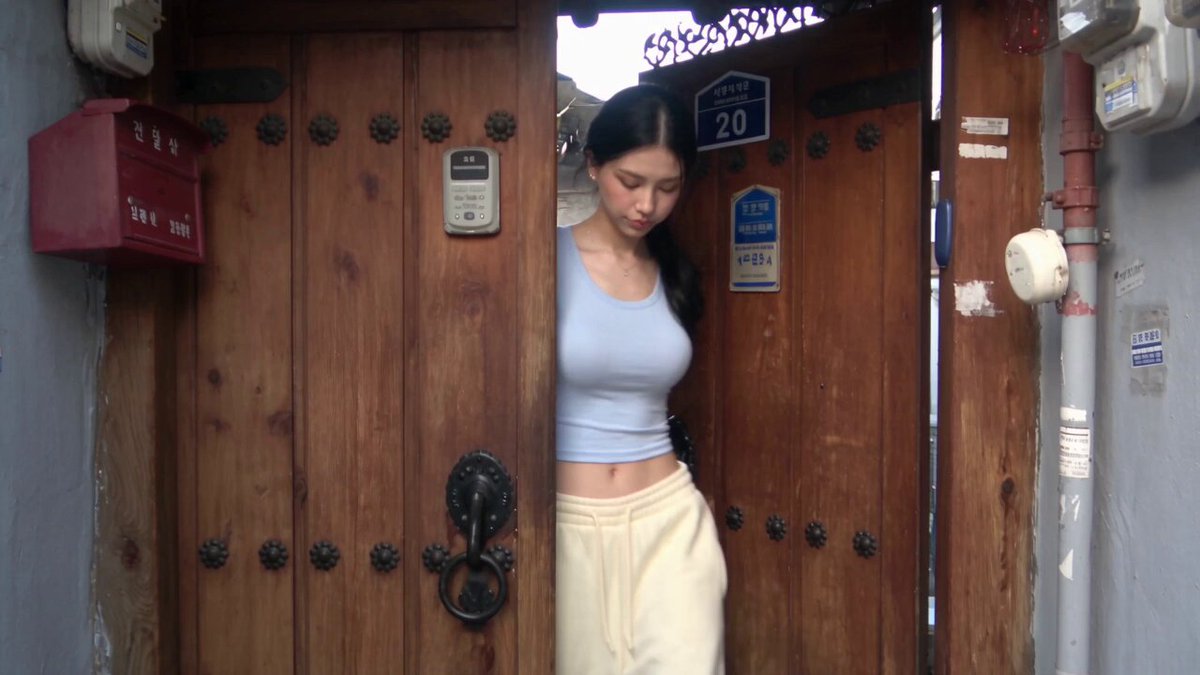
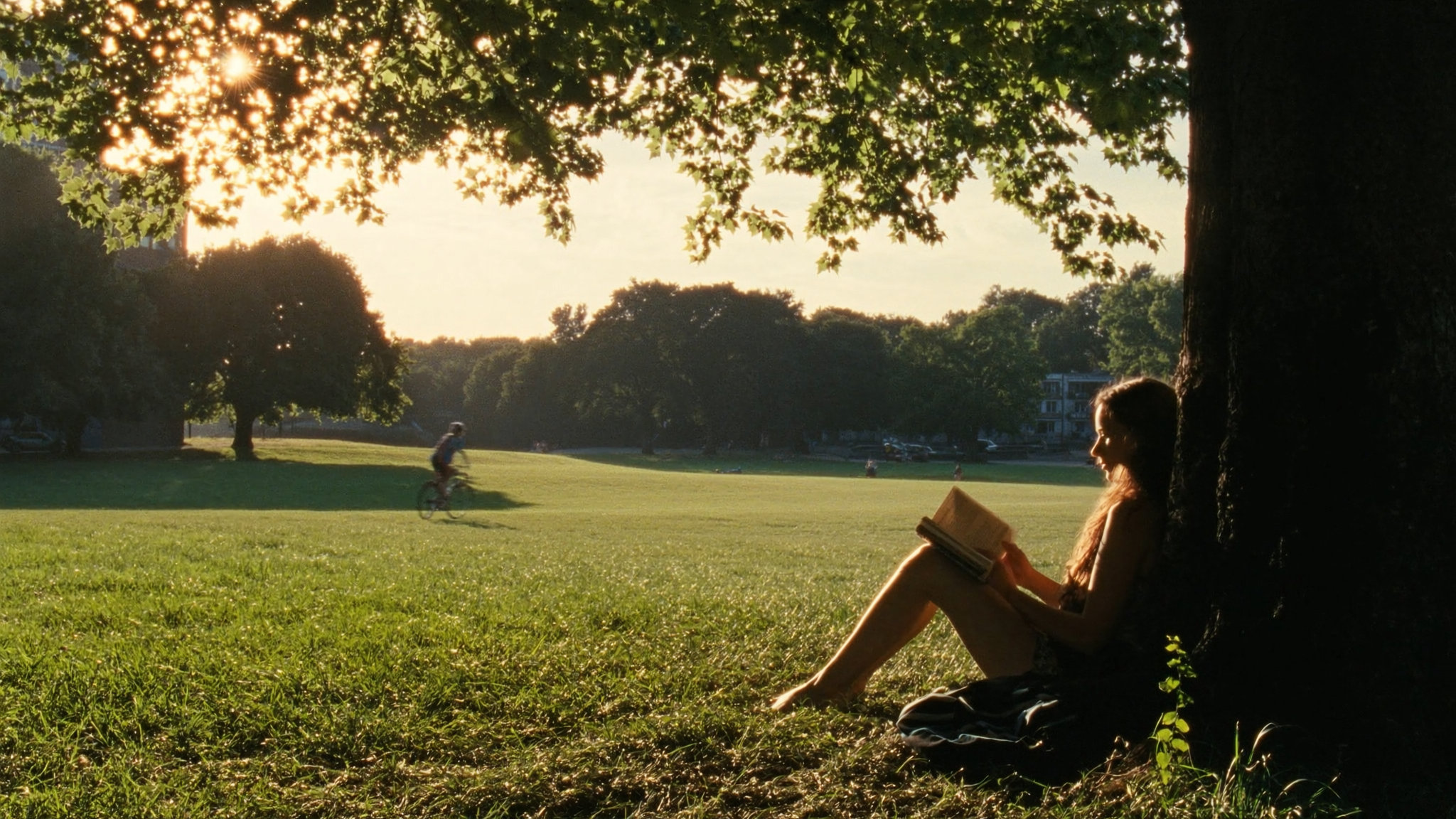
The New Generation of AI Video: Text-to-Video and Image-to-Video
The AI video revolution accelerated sharply in 2025. The early wave of the technology produced short, incoherent clips that were fun to look at but useless for real work. That phase is over. The current generation produces footage with narrative coherence, physical plausibility, and stylistic consistency, and it offers creators two complementary entry points: text-to-video, where a written prompt becomes footage, and image-to-video, where an existing image comes to life.
Understanding the difference between these two modes, and knowing when to use each, is the foundation of modern AI filmmaking. This guide covers the essential innovations in both approaches, the emerging role of AI director agents, and how the ecosystem around training, publishing, and monetizing models is reshaping who gets to make video.
Text-to-Video: From Words to Moving Images
Narrative Coherence and Duration
The biggest leap in text-to-video is the transition from snapshots to narrative segments. Earlier models produced a beautiful five-second shot that led nowhere. The current frontier models understand scene structure well enough to generate footage that continues logically: a character enters, crosses the room, and sits; the camera follows; the light changes plausibly. This matters because narrative is the unit of film, not the shot.
Duration has grown alongside coherence. Clips that were limited to a few seconds now routinely extend to ten seconds and beyond, with experimental systems producing minute-long sequences. The practical advice remains the same as in traditional production though: treat five-to-ten-second clips as building blocks and edit them together. Editing gives you pacing control that no single take can match.
Style Consistency and Character Keyframes
For cinematic work, visual consistency is non-negotiable, and the newest models attack it directly. Style consistency keeps the color grade, lighting logic, and design language stable across generated shots. Character keyframing lets you define the start and end of a movement so the model interpolates between locked frames, preserving identity through the motion.
The combination is powerful. Style consistency makes a sequence feel like one film; character keyframes make a character feel like one person. Together they solve the two failure modes that made early AI video unusable for narrative projects.
Audio-Visual Synchronization and Realism
Video without sound is a different medium. The current generation of models has made real progress on audio-visual synchronization: matching ambient sound, effects, and even speech to the on-screen action. Lip sync, footsteps, doors, and weather all contribute to the illusion of a real recorded scene. For creators, the takeaway is practical: use the sound tools, because an AI clip with intentional audio reads as production, while a silent one reads as a draft.
Image-to-Video: The Power of Visual Reference
Controlled Motion from Input Images
Image-to-video starts from a fixed image and animates it. This is the fastest route to cinematic results because the composition is already locked. The model's job is narrower, so the failure rate is lower. You can take a product shot and add a slow orbit, take a portrait and add a subtle turn of the head, take a landscape and add moving clouds and water.
The control question is how precisely you can direct the motion. The best models let you specify the camera move, the direction of movement, and the intensity, so an image becomes a directed shot rather than a random animation.
Detail and Texture Preservation
The classic failure of image-to-video is degradation: the animation blurs the details of the source image, softening textures and flattening depth. The current generation has improved dramatically at preserving detail through motion. Fabric, hair, water, and reflective surfaces now survive animation with their fidelity mostly intact. This is what makes image-to-video viable for product work, where the fidelity of the product is the entire point.
Multi-Image Fusion for Consistency
The strongest image-to-video workflows use multi-image fusion: multiple input images are merged into one coherent identity or scene. You can combine a character reference, a wardrobe reference, and an environment reference, and the model produces footage that honors all of them. For series and campaigns, this is the technique that turns a set of images into a consistent world.
The AI Director Agent
Intelligent Scene Composition
The most interesting addition to the 2025 toolkit is the AI director agent: a layer of intelligence that sits on top of the generation models and handles the mechanical work of directing. Given a brief, it proposes scene composition, camera placement, and shot structure. It functions like an assistant director who has watched ten thousand films and knows what a good shot looks like.
Automated Narrative Structure and Pacing
The agent also manages narrative structure and pacing. It can break a brief into shots, suggest the order, and flag where a sequence drags. This is genuinely useful for solo creators who have vision but not craft, and for teams who want a consistent baseline before human polish.
Model Selection and Optimization
Behind the scenes, the agent selects the appropriate model for each shot and optimizes the settings. You do not need to know which model is best for a product close-up versus an atmospheric wide; the agent routes the work. The caveat is the same as with any automation: the agent is a strong default, but your judgment still wins when you know what you want.
Building a Professional Workflow
Know Your Entry Point
Choose your mode by your asset base:
- No assets, starting from an idea: text-to-video. Write the prompt, generate the shot.
- Existing brand assets, photos, or designs: image-to-video. Animate what you already have.
- Complex multi-shot projects: combine both. Generate stills first, then animate them, and use text-to-video for shots where no still exists.
The Stills-First Rule
For any serious project, generate still frames first and animate them after. Stills are cheap, fast, and easy to iterate; video is expensive. Lock composition, lighting, and character design in the still stage, then spend the video budget on approved shots. This single discipline improves quality and cuts cost more than any model choice.
The Sound Discipline
Never finish a piece without intentional audio. At minimum: an ambient bed that establishes the world, music that sets the emotional tone, and effects that sell the physical actions. Platforms increasingly generate these in sync with the footage, and the quality difference is enormous.
The Iteration Loop
Generate candidates, not single shots. For each shot, produce two or three variations with different seeds or settings. Review them side by side, select, and only regenerate the weak ones. Document your winning prompts, models, and seeds in a recipe file you reuse across projects.
Training and Publishing Your Own Models
From User to Creator
The ecosystem's next frontier is model ownership. Platforms now let creators train custom models on their own styles, characters, or products, then publish them for other users to adopt. This is a structural change: the line between using AI and building with AI is blurring.
The Value of a Signature Style
A custom model trained on your style is a durable asset. It encodes your visual signature, so every generation carries your identity, and other creators can license or use it. For artists and studios, this is the first real mechanism to turn a distinctive style into a recurring product.
Practical Advice for Training
Start with a tight, consistent dataset. A hundred images that share a clear style train a better model than a thousand random ones. Curate for coherence: same color logic, same subject category, same quality bar. Test on held-out prompts, and iterate on the dataset before blaming the training settings.
Monetization and Community
The Market for Skills
The demand for people who can direct AI video well is real and growing. Brands want campaigns produced in days, not months. The skill stack that commands a premium: prompt craft, consistency management, sound design, and the editorial judgment that turns generated footage into a story.
The Market for Models
Beyond services, the model marketplace is emerging as an income channel. Creators with distinctive styles or reusable characters can package them and earn from other users' adoption. The economics favor specialization: a well-defined niche style, a beloved character, or a reliable product template is easier to market than a generic "good at everything" model.
Community as Validation
In both cases, community is the engine. Feedback on published models improves them; followers amplify them; collaborative remixing finds new use cases. Treat the community as a product channel, not a side effect.
Camera and Motion Vocabulary That Gets Results
Cinematic output is mostly camera language. The models respond reliably to a small vocabulary of moves, and learning it pays off immediately.
- Push-in: the camera moves closer to the subject. Use it to build intimacy or tension.
- Pull-back: the camera moves away, revealing context. Use it to release tension or establish scale.
- Tracking shot: the camera moves alongside the subject. Use it for momentum and journey.
- Orbit: the camera circles the subject. Use it to showcase a product or a space.
- Crane or aerial: a rising or descending shot. Use it to establish a location.
- Handheld: slight instability. Use it for documentary realism or urgency.
- Locked-off: a perfectly still camera. Use it when the scene itself should speak.
Combine the move with a lens and light description for the full effect: "slow push-in, 50mm, warm practical light, shallow depth of field." Models treat these terms as instructions, not decoration.
Choosing the Move by Story Function
Every camera move should serve the story. In a product spot, the orbit showcases; in a character scene, the push-in connects; in an establishing beat, the crane sets scale. If a shot feels flat, the problem is often a missing or mismatched camera move, not the model. Add the move that serves the narrative function and regenerate before you change anything else.
Motion Intensity Discipline
More motion is not better. Excessive camera movement exposes the model's physics weaknesses and makes footage feel synthetic. For realism, keep moves slow and purposeful; for stylized work, you can push further. A good rule: if the motion calls attention to itself, dial it back.
Frequently Asked Questions
Which is better: text-to-video or image-to-video?
Neither is universally better. Text-to-video is more flexible and works from nothing; image-to-video is more controllable and preserves existing assets. Serious workflows use both: text-to-video for shots without a source image, image-to-video for everything else.
How do I keep style consistent across shots?
Use style references and consistent prompt language for color, light, and finish. For characters, use reference images and keyframe control. For entire sequences, an AI director agent can enforce the baseline automatically.
Do I need to learn video editing?
Yes, and it is worth it. Generated clips are raw footage; the edit is where pacing and story live. Even basic cutting, to music and with intentional shot lengths, separates professional work from demos.
Can I really make money training models?
The market is young, but the mechanisms exist: published models can be adopted and licensed by other creators, and a signature style is a marketing asset in itself. The realistic path is to combine model publishing with services and content until you find what compounds.
What hardware do I need?
Generation runs in the cloud, so a browser and a connection suffice. Editing needs a normal modern computer. Training custom models is heavier, but the platforms handle the compute; you supply the curated dataset.
The Bottom Line
The 2025 generation of text-to-video and image-to-video tools has turned AI filmmaking from a novelty into a craft. Narrative coherence, style consistency, and audio synchronization are now solvable problems, and the workflow that wins is the one any filmmaker would recognize: plan with stills, generate candidates, edit with intention, and finish with sound.
The ecosystem is also widening. Director agents lower the craft barrier; custom model training turns style into property; communities turn both into markets. The tools are no longer the limit. The limit is whether you treat AI video as a trick or as a production system. Treated as a system, it is one of the most powerful creative tools of the decade.
