
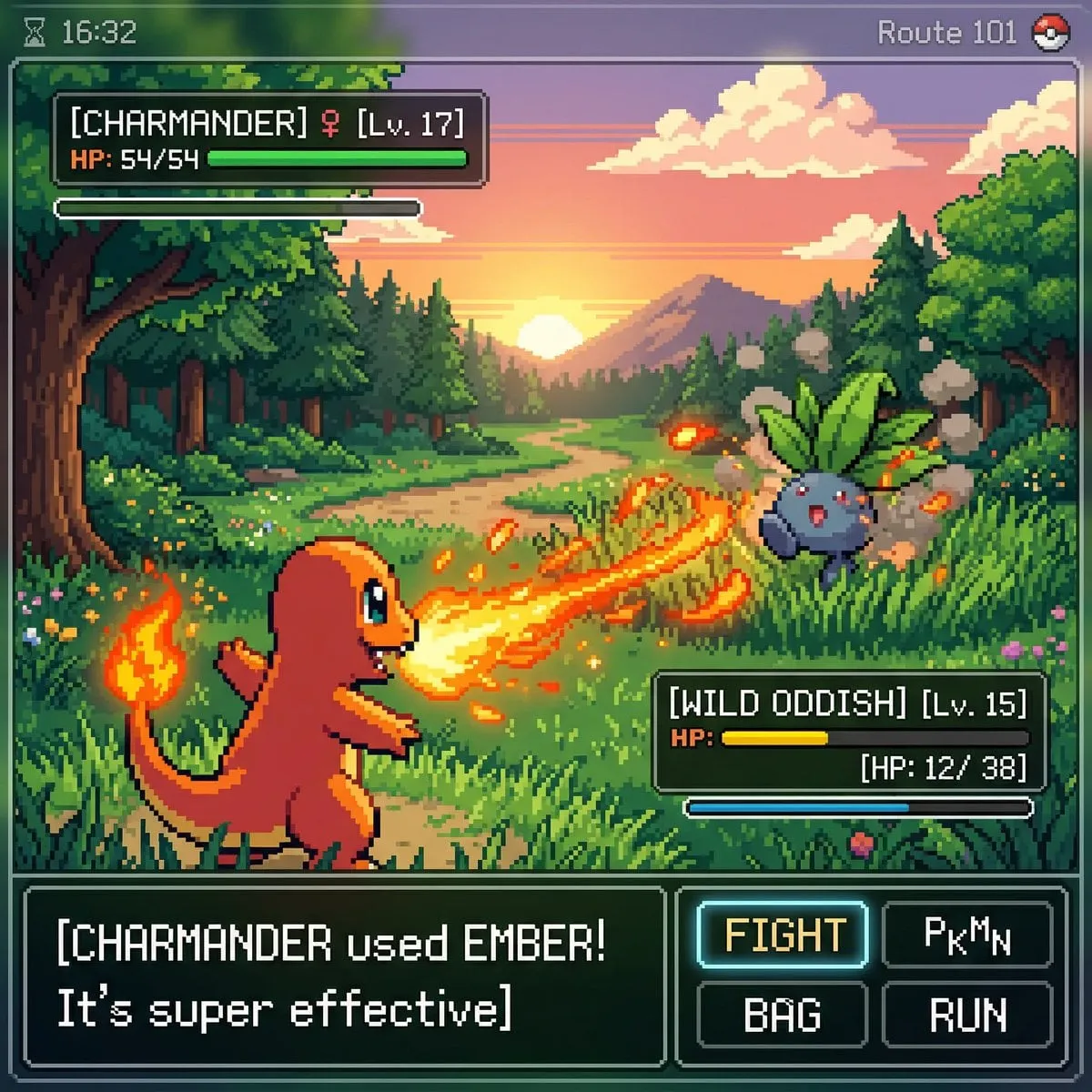

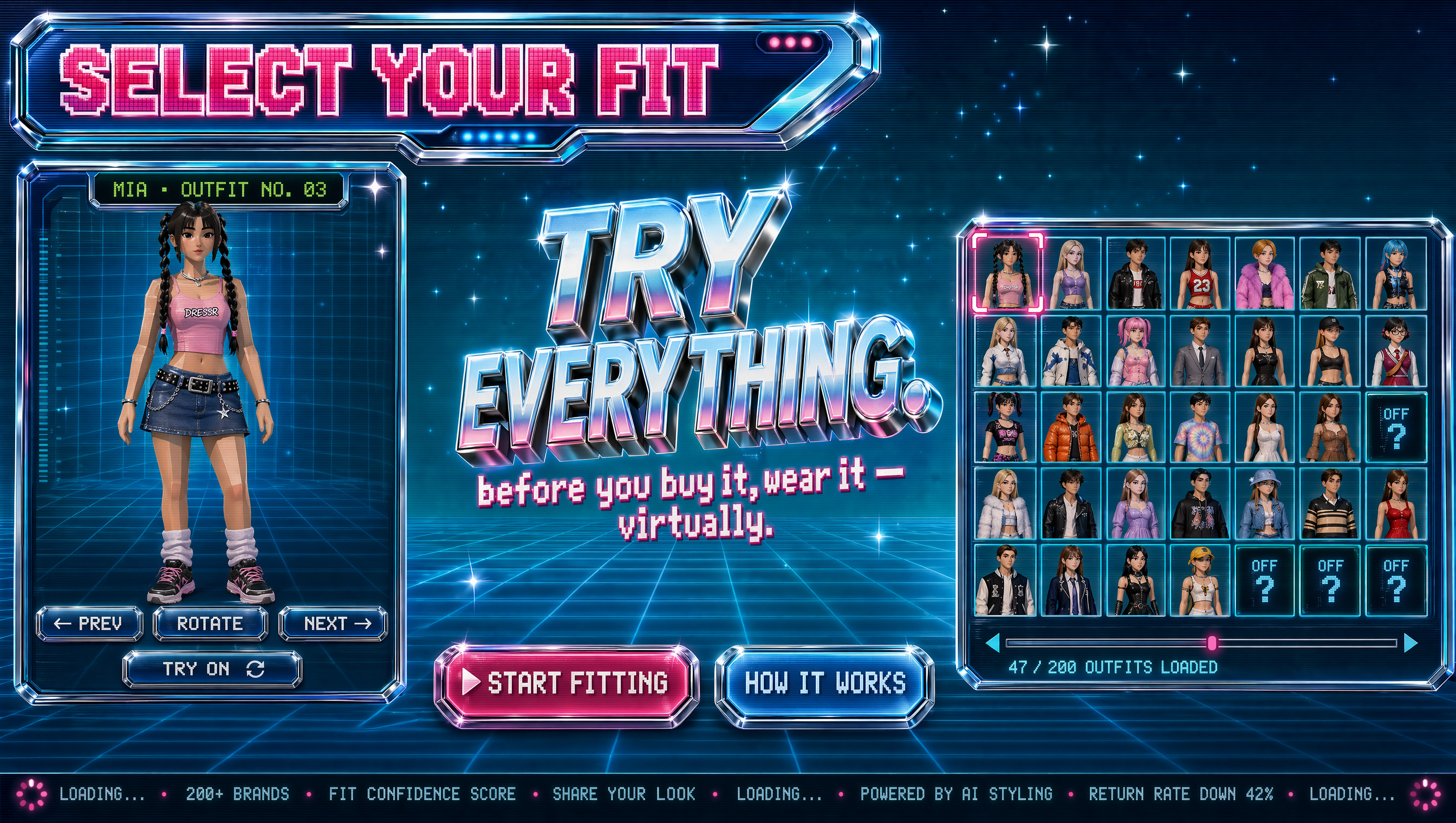
TikTok rewards speed. A trend appears, a wave of creators rides it, and within days the window closes. The creators who win are not necessarily the most talented; they are the ones who noticed early, produced fast, and understood why the trend works. This guide is about that skill: reading the seasonal rhythm of short-form video, generating ideas that fit the moment, and producing them quickly without losing quality.
You will find four thematic clusters that consistently drive engagement during summer cycles, concrete video formats that travel well, practical advice on keeping a brand identity while chasing trends, and a workflow that lets you move from idea to published Reel in hours instead of days.
How Trend Cycles Actually Work
Every trend has a life cycle: emergence, adoption, saturation, and decay. In the emergence phase, a handful of creators post something novel and engagement spikes. In adoption, bigger accounts pick it up and the format spreads. In saturation, everyone does it and the algorithm stops rewarding it. In decay, the trend becomes background noise.
The practical implication is brutal: by the time a trend appears on your For You page every third video, you are already in the saturation phase. The skill is catching emergence through niche accounts, comment sections, and adjacent platforms, then producing your version before the crowd arrives.
Signal sources worth watching
- Small niche creators in your vertical, not just the big accounts.
- Comments under trending videos; viewers often describe what they want to see next.
- Audio tracks that keep appearing in different contexts; audio travels before the visual format does.
- Adjacent platforms where the same cultural wave shows up earlier.
- Seasonal calendar events, which are predictable trend windows you can plan for.
Cluster One: Micro-Education and Sustainable Originality
Viewers are exhausted by content that wastes their time. During high-energy periods, there is a strong pull toward videos that teach something small and useful. These are the micro-tutorials: one clear skill, demonstrated in under sixty seconds, with zero fluff.
The format works because it rewards the creator with saves and shares. A video that teaches how to fold a fitted sheet, style a specific outfit, fix a common software problem, or cook one dish in three steps gets bookmarked by thousands. Bookmarking is a signal the algorithm loves.
How to produce micro-education quickly
Pick one narrow skill per video. Write a three-line script: the problem, the one key step, the result. Shoot or generate the demonstration so every step is visible. Add text overlays for the key steps, because most viewers watch without sound. End with a single clear takeaway, not a pitch.
Cluster Two: Nostalgic Futurism
One of the most durable creative tensions in short video is the mix of past and future: the aesthetic of the eighties and nineties combined with futuristic technology. A VHS grain over an AI-generated city, a synth soundtrack under a retro-futuristic outfit, an old camcorder look applied to a modern scene. The combination creates immediate visual interest because it is familiar and strange at the same time.
The technique is simple in principle: take one retro element, one futuristic element, and force them into the same frame. The retro element provides warmth and recognition; the futuristic element provides novelty. The result reads as intentional even when the production is minimal.
Quick production recipe
Choose a retro filter or treatment: VHS grain, camcorder wobble, faded colors. Choose a futuristic subject: a robot, a hologram, a neon city, a sci-fi outfit. Place the subject in a scene that would have been ordinary in the retro era. Add a retro synth or lo-fi track. Keep the clip short and let the contrast do the work.
Cluster Three: Quick Transformations and Visual Surprises
The transformation format is one of the most reliable engagement drivers in short video. The viewer sees a plain starting state, then a dramatic change: a makeup look, an outfit change, a room before and after, a drawing becoming a photorealistic scene. The magic is in the reveal, and the reveal depends on setup.
Why transformations work
The brain anticipates. A transformation video creates a promise at the start, the promise is fulfilled at the end, and the viewer experiences the satisfaction of closure. The gap between the before and after states determines the emotional impact. The bigger the visual distance, the stronger the reaction.
AI-powered transformations
Generative tools make the distance between before and after much easier to achieve. Take a simple photo, then generate a stylized or futuristic version of the same subject. Cut between the original and the generated result with a fast transition. The format needs almost no filming, which makes it ideal for high-frequency publishing.
Structure of a winning transformation
First frame: boring and clearly labeled as the starting point. Middle: a quick transition, two to three seconds maximum. Reveal: the transformed state, held long enough to register. End: a loop or a text punchline. Keep the whole video under fifteen seconds.
Cluster Four: ASMR Meets Cinematic Storytelling
Short-form audiences have a growing appetite for sensory content. ASMR-style sound design, originally associated with whisper videos, has evolved into a cinematic tool: close-up shots of textures, precise sounds, and slow, deliberate pacing create a feeling of calm attention that stands out in a chaotic feed.
The fusion with cinematic storytelling is the interesting part. Instead of a plot told through dialogue, the story is told through sound and texture: rain on a window, a door opening, fabric moving, a clock ticking. The viewer pieces together the mood, sometimes the whole narrative, from audio cues and close-ups.
How to build one
Choose a simple emotional arc: arriving home, waiting for news, preparing for something. Write a list of five to eight sounds that belong to that arc. Generate or film close-up visuals for each sound. Cut them together with long takes and quiet transitions. Keep the audio clean, because it is the main character.
Mini-Documentaries: Short-Form Depth
There is a growing appetite for micro-documentaries: two to three minute videos that tell a compact true story with strong visuals. The format works because it combines the emotional pull of documentary with the pacing of short video.
The formula
One subject, one question, one answer. Interview or research clips are cut with location and detail shots. A single voiceover carries the story. The key is the question: it must be narrow enough to answer in three minutes and interesting enough to justify watching.
AI tools help with the visual layer: generating location-style establishing shots, stylized transitions, or historical recreations that would be impossible to film. The storytelling structure, however, is pure craft: hook in the first five seconds, tension in the middle, resolution at the end.
Keeping a Brand Identity While Chasing Trends
The tension between trends and identity is real. Chase every trend and you become a generic content machine; ignore every trend and you miss the distribution. The solution is to separate the format from the identity.
What travels
The format can travel freely: the transformation structure, the micro-education structure, the ASMR structure. These are containers you can fill with your own subject matter.
What stays fixed
Your subject, your values, your recurring characters, your visual palette, and your audio identity stay fixed. If you have a mascot or a signature presenter, that character appears in every format. If your brand uses a specific color palette or sound style, it persists across trend videos.
The rule: the container changes with the trend, the content stays on-brand. This is how creators ride waves without becoming unrecognizable.
A Fast Production Workflow
Speed is a competitive advantage in trend-driven video. The workflow below compresses production to a few hours.
- Morning: scan trend signals, pick one trend, write a one-line concept.
- Midday: produce a rough version with the simplest possible setup; AI generation for visuals, phone for capture.
- Afternoon: edit to under twenty seconds, add text overlays and captions.
- Evening: publish, then note the early engagement numbers.
Do not polish a trend video for three days. The trend will be gone. Publish the good-enough version and learn from the reaction.
Measuring What Matters
Trends are a numbers game, but not every number matters equally.
- Watch-through rate tells you if the format holds attention.
- Saves and shares tell you if the content has utility or emotional value.
- Follower growth tells you if the trend attracted the right audience, not just viewers.
- Repeat performance across several trend videos tells you which cluster fits your identity.
Publish consistently, note the results, and double down on the clusters that work for you.
The First Three Seconds
The algorithm can only distribute what viewers choose to watch, and viewers decide in the first three seconds. This is not a slogan; it is the practical reality of short-form video. Everything in the first moments is a promise, and the rest of the video either keeps or breaks that promise.
What the opening must do
- Establish the subject instantly. A viewer should know what the video is about before they decide to keep watching.
- Create a visible gap. Show the starting state clearly, especially for transformation formats; the gap between start and reveal is the hook.
- Use motion and sound deliberately. Movement catches the eye, and the first audio cue sets the mood, even when watched muted.
What kills the opening
- Slow logos and long intros. The viewer is gone before the content arrives.
- Vague setups. If the first three seconds do not communicate a promise, the video is a random clip.
- Text that takes too long to read. Overlays must be legible at a glance, not in a slow scroll.
Write the first three seconds first. If you cannot describe them in one sentence, the video is not ready to produce.
Comment-Driven Iteration
Trends are a conversation, and the comment section is the fastest feedback loop in short-form video. Viewers tell you exactly what they want: they ask for part two, they name the mistake, they describe the version they wish existed.
Make comment scanning a scheduled part of your workflow. Once a week, read the comments on your last several videos and group them into three buckets: requests, complaints, and unexpected uses. Requests are direct content ideas; complaints are production fixes; unexpected uses are signals about how the audience sees your identity.
Then produce one video that answers the most repeated comment. The viewers asked for it, which means the demand already exists, and the algorithm sees engagement arriving on a topic the audience chose. This is the cheapest market research in short-form content, and it compounds: every answer builds a relationship with the audience that asked.
Frequently Asked Questions
How early is too early for a trend?
Too early means the audience does not have context; the video can feel random. The sweet spot is when the trend is visible in niche accounts but not yet saturated. Watching the same audio appear across unrelated niches is usually the right signal.
Should I use trending audio?
Yes, if it fits the content. Trending audio helps discovery because the algorithm can group your video with others using the same sound. But do not bend your concept to an audio track that does not match.
How many trend videos per week?
Consistency beats volume. Two to three well-made trend videos per week, plus your regular content, is a sustainable rhythm. Quality control still matters inside the trend.
Can AI-generated videos perform on TikTok?
Yes, when the concept is strong. The audience does not penalize the tool; it penalizes the lack of idea. Formats like transformations and micro-documentaries work especially well because the concept carries the video.
What if a trend does not fit my niche?
Skip it. Not every trend belongs to every creator. The discipline of choosing is what keeps your account coherent. Wait for the trend that fits the container, and let the others pass.
The rhythm of TikTok is predictable underneath the chaos: trends emerge, rise, saturate, and decay. The winning skill is reading the cycle, choosing the formats that fit your identity, and producing fast. Pick one cluster from this guide, build three videos with the workflow, and measure what the audience tells you. That feedback loop is worth more than any single viral video.
