
From Still to Moving: The Quiet Revolution in AI Video
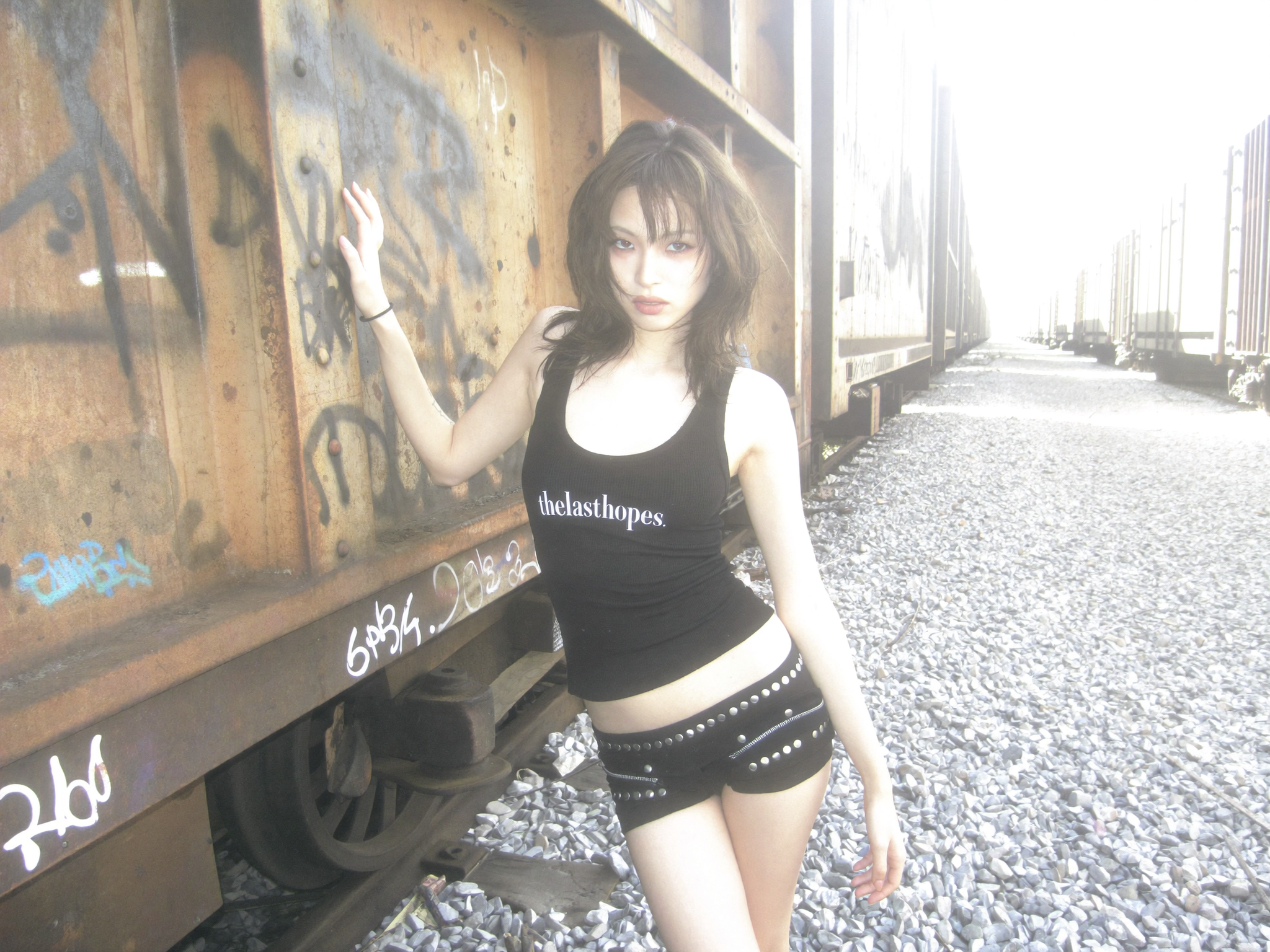
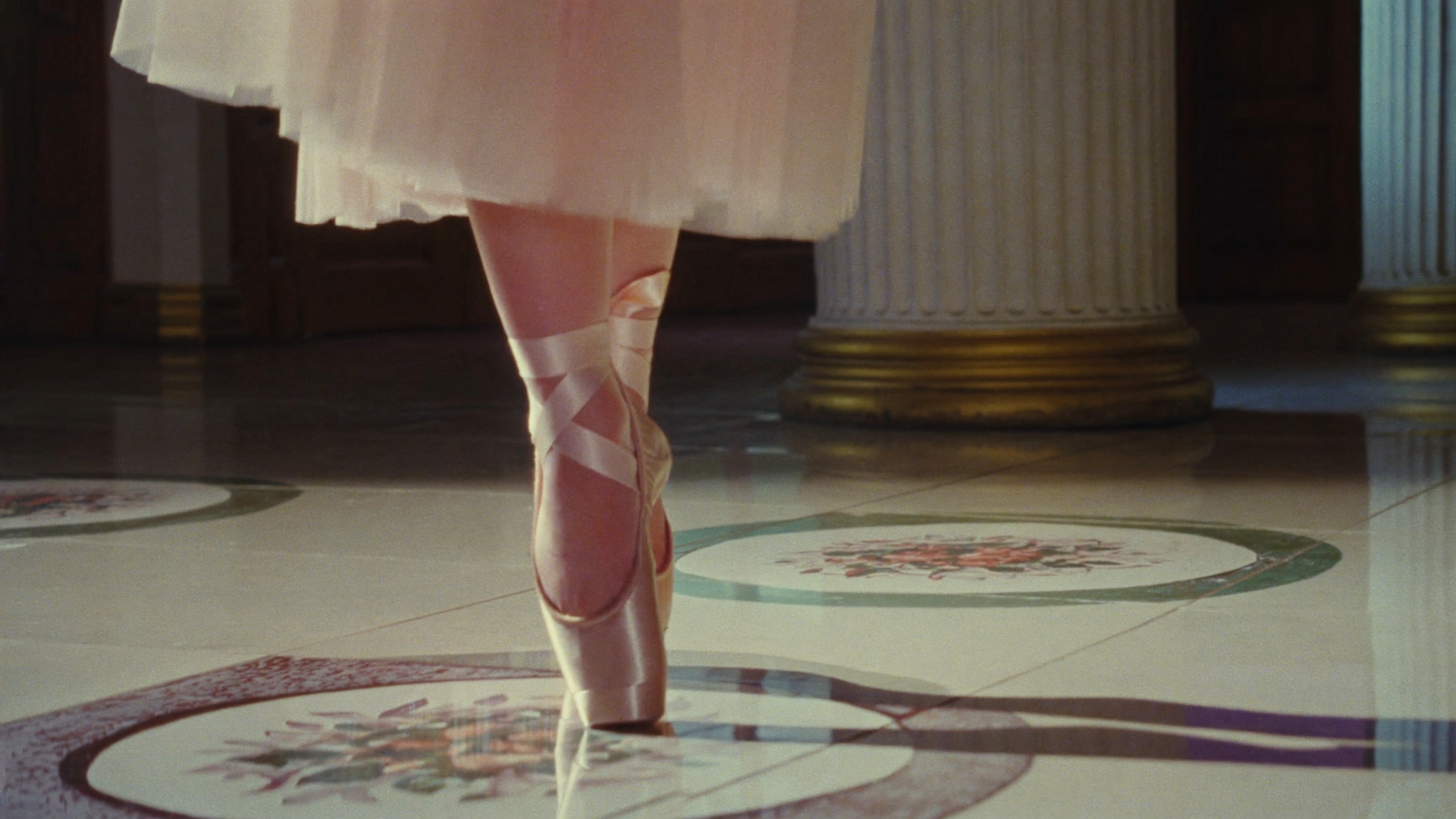
A photograph is a promise of a moment. A video is the delivery of that promise. For most of the history of content creation, the gap between the two was expensive: to make a still image move, you needed an animator, a rig, or a camera crew. Today, that gap is closing from the inside. Image-to-video AI takes a single static image — a portrait, a product shot, a landscape — and generates the motion that brings it to life. The image becomes the first frame of a story the model invents around it.
This is not a niche trick. It is becoming the default production method for a growing share of short-form content, advertising, and even film pre-visualization. This article explains how the technology works, why it matters for creators and brands, and how to build a practical workflow around it — including the hard problems of character consistency and production quality that separate professionals from amateurs.
Why Image-to-Video Became the Smart Starting Point
The obvious question is: why start from an image at all, when you can type a prompt and get video directly? The answer is control.
Text-to-video starts from nothing but words. Every visual detail — the face, the clothes, the light, the background — is invented by the model from your description. That is powerful, but it is also a gamble: the model may imagine the scene differently from how you imagine it. Image-to-video inverts the relationship. You supply the visual truth, and the model supplies the motion around it.
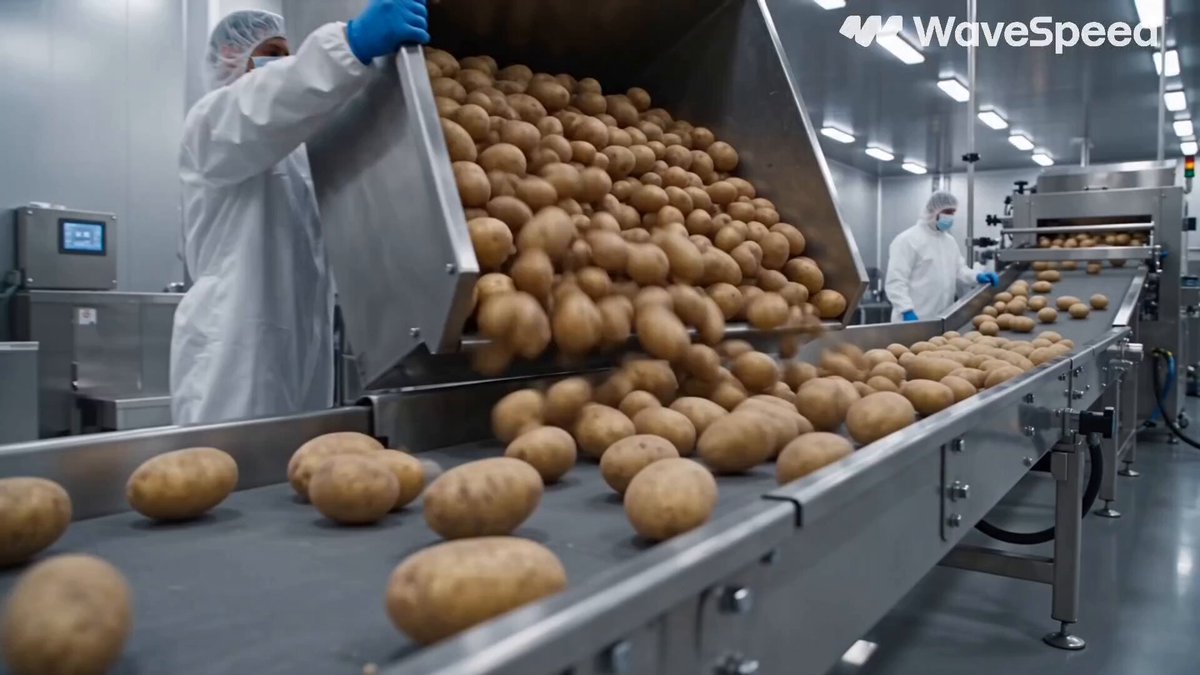
For a brand with existing photography, this is transformative. Product catalogs, lifestyle shoots, architectural renders, event photos — every one of them can become a video asset without a new production. The campaign's visual identity stays intact because the starting image is already on-brand.
For creators, the benefit is consistency of another kind. A single well-crafted image can anchor a whole series of clips: the same character, same costume, same environment, with different actions generated in each one. The image is the anchor; the model explores around it.
The Technology Behind the Magic
Image-to-video models are a specific breed of generative model, different from the diffusion models that made image generation famous. Those earlier models excelled at producing one beautiful frame. Video models must produce many frames that agree with each other — and that agreement is the hard part.
At the core, an image-to-video model takes your image and asks: given that this is frame zero, what is a physically plausible, visually coherent sequence of frames that follows from it? The model has learned patterns of motion from vast amounts of video data: how hair moves, how light shifts, how objects cast shadows when they move, how the camera can push in or pan across a scene.
Early systems could only add small, wobbling motions — the notorious "breathing" effect where a portrait's edges pulse unnaturally. Modern systems understand scene depth, object boundaries, and camera movement well enough to produce smooth, deliberate motion. The output quality now depends less on the raw capability of the model and more on how well you set up the starting image and describe the motion you want.
The Consistency Problem: One Character, Many Scenes
The single most valuable thing image-to-video gives you is a character that looks right. But it also exposes the next problem: keeping that character right across many scenes.
If you generate one clip of a character walking through a market, the result can be excellent. The difficulty begins when you want the same character in a second scene — a rooftop, a café, a night street. Unless you have a mechanism to carry the identity across generations, the model will reinvent the face, the clothes, or the proportions every time.
The industry answer is multi-image fusion. Instead of feeding the model one reference image, you feed a small set: a front portrait, a profile, a full-body shot, maybe a close-up of a distinctive prop. The system extracts what the images agree on — the essential identity — and locks it, while treating the differences as scene variables. The result is a character that can travel through different environments without becoming a stranger.
For creators, the practical rule is simple: curate your reference set before you generate anything, and make sure the references agree on the details that matter. Disagreements in hair color, skin tone, or costume will be resolved by the model at random, scene by scene. A tight, consistent set of references is worth more than a large, messy one.
The Director Layer: Orchestrating a Production
Once you have a consistent character and a library of models, a new bottleneck appears: coordination. Which model should generate which scene? How do you keep the light consistent across clips made with different tools? How do you ensure scene three follows scene two without a jarring jump?
This is where the concept of an AI director comes in. Rather than a single button, think of it as a planning layer that sits above the individual generators: it reads your story or shot list, breaks it into scenes, decides which generation approach fits each one, and keeps the shared elements — character, palette, mood — consistent across the whole sequence.
You can build this layer yourself with simple discipline. Write the shot list first. Define the character and environment references once. Decide the palette and lighting rules before generating. Then generate scene by scene, checking each against the rules. What an automated director does is make this discipline faster and harder to skip; what you should do regardless is make it a habit.
A Practical Workflow from Still to Finished Clip
Here is a workflow you can apply today, whether you are making a single clip or a campaign series.
Step one: choose and prepare the starting image. Use a high-quality, sharp image with good lighting. The model can only add motion to what it can see; a muddy photo produces muddy video. If you are animating a product, make sure the product fills a reasonable portion of the frame.
Step two: define the motion. Write down what should move and how: the subject, the camera, the background. "Slow push-in on the subject, hair moving gently, background slightly out of focus" is a usable description. "Make it cool" is not.
Step three: set the scene constraints. Lock the character references, the palette, and the mood before generating. Consistency is decided before generation, not fixed after.
Step four: generate and review. Create the clip, then review it critically against your constraints. Look for three things: motion quality, character fidelity, and whether the atmosphere matches the brief.
Step five: iterate on the weak point. If the motion is good but the face drifted, improve the reference set and regenerate. If the face is perfect but the motion is stiff, adjust the motion description. Fix one variable at a time; changing everything at once teaches you nothing.
Step six: assemble. If you are producing a sequence, generate all scenes against the same constraints, then assemble and check the cut points for drift.
Choosing Models for Different Jobs
Not every clip needs the same model. Understanding the trade-offs saves time and money.
For hero assets — the clips that represent the brand, the expensive ones — use the highest-quality model you have access to. These clips live in your main channels and deserve the best motion physics and light handling.
For exploration and testing, use a fast, economical model. You want to test five motion ideas and keep the best one; there is no reason to run all five through the premium engine. Test cheap, finalize expensive.
For specialized needs — a particular animation style, a specific kind of camera move, an unusual environment — use a specialist model if you have one. The generalist model will handle most jobs; the specialist will handle the ones the generalist cannot.
Keep a small portfolio: one quality model, one fast model, one specialist. Learn them well. The tool landscape changes constantly, and the winners are the creators who understand the trade-offs, not the ones who chase every release.
The Business Case: Why This Matters in 2025
The shift from still to moving is not just a creative trend; it is a business trend with clear economics.
First, speed. A campaign that used to require a shoot — days of planning, a crew, a location — can now start from existing stills and produce video assets in hours. For small teams, this is the difference between participating in video marketing and being locked out of it.
Second, cost. Reusing existing photography as the foundation of video production eliminates the most expensive part of traditional production: the capture itself. The budget moves from production to iteration, which is where it creates more value.
Third, scale. Once the workflow exists, producing variations is cheap. One product photo can yield a dozen clips: different motions, different crops, different moods. The bottleneck shifts from producing to deciding, which is a much better bottleneck to have.
Common Mistakes and How to Avoid Them
Starting from a bad image. If the starting image is blurry, dark, or cluttered, no model will save it. Curate the input as carefully as you would a shoot.
Describing motion vaguely. "Make it move" produces arbitrary motion. Specify what moves and how: subject, camera, background, speed.
Generating scenes without shared references. Every scene will reinvent the character. Lock references and palette before the series starts.
Judging clips one at a time. A single clip can look good and the series can still fail. Review the sequence as a sequence.
Skipping the review pass. AI output is a first draft. The professionals are the ones who check every frame against the brief before publishing.
Frequently Asked Questions
How good do my starting images need to be? Sharp, well-lit, and focused on the subject. Resolution matters less than clarity. A clean 1024px image beats a noisy 4096px one.
Can I use any photo I already have? Yes, if you have the rights. For products, use your own catalog photography. For people, use images you are licensed to use.
How long should the generated clip be? It depends on the platform, but short clips with a clear single action usually look better than long clips with muddled motion. It is easier to make a great five-second clip than a great fifteen-second one.
Do I need a powerful computer? No. Image-to-video generation runs in the cloud on the provider's infrastructure. You need a decent internet connection and a browser.
Is AI-generated video obviously fake? Modern outputs are increasingly hard to distinguish from real footage, especially for simple scenes. The telltale signs — warping limbs, melting faces — are being reduced generation by generation. Review your output carefully.
What is the best way to learn? Generate deliberately and review honestly. Pick one image, run a series of motion briefs against it, and write down what each one taught you. A dozen deliberate experiments beat a hundred random generations.
Quick Reference: The Five-Minute Checklist
Before you generate a clip from a still, run this checklist. Starting image: sharp, well-lit, subject clear. Motion brief: what moves, how, and how fast. References: character set agreed on all essential details. Constraints: palette, mood, lighting rules locked. Review: check motion quality, character fidelity, and atmosphere against the brief. Iterate: fix one variable at a time. This checklist takes minutes and prevents the most expensive mistakes in the whole workflow.
Where to Go Next
Take one strong still image from your existing library. Write a motion brief for it: subject, camera, atmosphere. Generate one clip with a fast model, review it, and note what went wrong. Then adjust and regenerate.
The still-to-moving revolution is not coming; it is here. The creators and brands who build a disciplined workflow around it — good input images, clear motion descriptions, locked references, honest review — will produce more content, better content, and content that actually looks like them. That is the entire game.
