
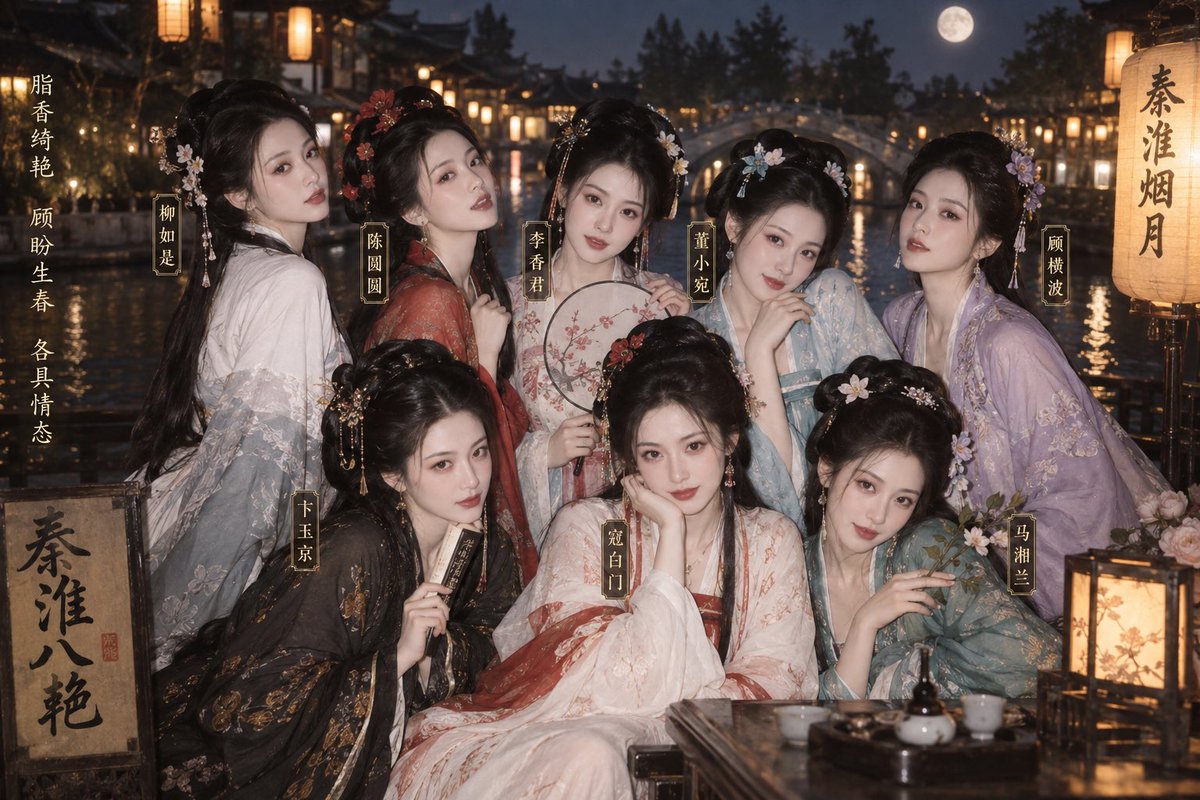



Short-form video is a game of seconds. Viewers decide within the first beat whether to stay, and the transition is often the moment that decides it. A clean, surprising cut between two clips can make a video feel professional, while a boring fade or an abrupt jump makes even good footage feel cheap. The creators who go viral consistently are not necessarily better storytellers; they are better at transitions.
AI has changed what is possible here. Tools that used to require hours of manual keyframing can now generate smooth morphs, style flips, and object match cuts in minutes. This guide explains the technical foundation of AI-powered transitions, the specific transition types that perform well on short-form platforms, and the workflow that turns a rough idea into a viral-ready clip.
Why transitions decide whether a clip gets watched
Attention on short-form platforms is not a curve; it is a cliff. The first second determines retention, and retention determines distribution. Transitions matter because they control the rhythm of the clip and signal production quality. A viewer who sees a thoughtful transition assumes the creator cares about craft, and that assumption buys goodwill for the rest of the video.
Transitions also serve a structural function. They bridge two ideas that would otherwise feel disconnected, letting you cut between scenes, moods, or styles without losing the audience. A matched cut from a hand reaching toward the camera to a hand catching an object creates continuity that a hard cut cannot.
The psychological mechanism is simple: surprise plus coherence. The transition surprises the eye, then immediately explains itself. That one-two punch is what makes a clip feel memorable. AI tools are valuable here not because they remove the need for planning, but because they let creators execute transitions that would previously have required a professional editor.
The technical foundation of AI-powered transitions
Understanding what happens under the hood helps you choose the right transition for the right moment.
Motion mapping and dynamic cuts
The most common AI technique is motion mapping. The model analyzes the movement in the source clip and generates a new clip whose motion continues it. If the first clip ends with the camera moving right, the next clip starts with the same rightward motion, and the eye reads the two as one continuous shot. This is how modern tools create the illusion of a single take from two different scenes.
Generative morphing and interpolation
Morphing goes further. Instead of cutting between two clips, the model generates the intermediate frames that transform one image into the next. The result is a fluid shape-shift: a face becomes another face, a scene becomes another scene. The quality of the morph depends on how well the model understands the structure of both sides, which is why strong results usually come from models with good image and video conditioning.
Style transfer as a transition device
Style transfer can serve as a transition too. Instead of changing the subject, the transition changes the treatment: a live-action clip melts into an animated version, a realistic scene becomes a painting. Because the underlying structure stays the same, the viewer experiences the shift as intentional rather than jarring. This type of transition is especially popular in music videos and branded content.
Frame interpolation and smoothness
A less glamorous but essential technique is frame interpolation, which generates intermediate frames to smooth motion. It is what turns a low-frame-rate source into buttery footage and what makes match cuts feel seamless. Most AI editing tools apply it automatically, but understanding it explains why some transitions feel smooth and others stutter.
Transition types that perform on short-form platforms
Certain transitions have proven track records on platforms like TikTok. These are the ones worth mastering first.
The match cut is the backbone. Find a shape, color, or motion shared by two clips and cut between them at that shared moment. A circular object cuts to a circular clock. A person jumping cuts to a car jumping a ramp. AI makes it easier to find and generate the perfect match because you can test variations quickly.
The morph cut is the showstopper. One subject transforms into another with a seamless blend. It works best when the two subjects share a similar pose or position in the frame. AI morphs are forgiving; even a rough alignment produces a credible effect, which is exactly why they dominate feeds.
The whip and spin cuts add energy. A fast camera movement or a spinning frame hides the cut point, and AI tools can generate the whip itself instead of requiring you to film it. These are low-risk, high-energy transitions that work on nearly any content.
The style flip is the brand moment. The content switches between two visual treatments at a precise beat, usually synced to the music. It is a signature move for creators who want to be recognized, because the style itself becomes the identity.
The loop is the retention weapon. The end of the clip transitions into the beginning, creating an infinite loop that invites repeat viewing. AI frame control makes loops dramatically easier, because you can specify the exact first and last frames and let the model fill the motion between them.
Building a workflow from idea to viral clip
The difference between creators who post daily and creators who struggle is workflow, not talent. A repeatable process for AI transitions looks like this.
Start with the sound. On short-form platforms, the music or voiceover defines the structure. Pick the audio first, mark the beat you want to transition on, and design the visual around that moment. Transitions that land exactly on a beat feel engineered; transitions that miss feel accidental.
Collect the raw material. Gather the clips or generate the stills you need for both sides of the transition. If you are using image-to-video, generate the starting frames carefully, because the transition quality depends on the structure of both sides.
Generate the transition. Use the AI tool to create the morph, the motion bridge, or the style flip. Generate two or three variations and review them in context, not in isolation. A transition that looks good alone can still clash with the surrounding footage.
Cut to the beat. Assemble the clip so the transition lands on the marked beat. Fine-tune the timing by a few frames; the difference between a transition that feels magical and one that feels late is often less than a tenth of a second.
Test on mute and unmuted. Many viewers watch with sound off, so the transition should also read as a visual event. Then test with sound, because the audio-visual sync is what makes the clip feel complete.
Post and log. After publishing, note which transitions performed best and keep a small library of proven prompt and reference combinations. Over time, the library becomes your fastest shortcut to repeatable results.
Sound-driven transitions
The strongest transitions are often driven by audio. When the visual change lands on a musical downbeat, the brain binds them together, and the result feels more dramatic than either element alone.
The standard technique is the beat-synced cut. Mark the downbeats in your audio track, place the visual changes on those beats, and let the rhythm carry the edit. AI tools that display the waveform and auto-detect beats make this trivial, and the payoff is immediate: videos cut to the beat are perceived as more professional.
Sound effects can also create transitions. A whoosh, a thud, or a pop can mask a cut or emphasize a morph. Layering a short sound effect onto an AI transition covers any tiny imperfections and adds punch. The sound effect does not need to be literal; it needs to be rhythmic.
Silence is a transition too. A sudden cut to silence before a beat hits creates tension, and the following drop lands harder. Using silence deliberately is a sign of an editor who understands dynamics, and it is free.
Keeping characters and style consistent
Transitions that break continuity are quickly noticed. If a character changes face or a brand changes color between two clips, the transition stops being a device and becomes a mistake. Consistency is the invisible foundation of every good cut.
For character-driven transitions, use image references. Generate a still of the character, lock it as the anchor, and use it for both sides of the transition. The identity stays constant while the action or environment changes. This is the same discipline used in longer-form production, applied to a five-second clip.
For style-driven transitions, lock the style references too. A style flip works because the two treatments are both consistent within themselves. If the animated side drifts between clips, the flip loses its authority. Save the style reference and the prompt phrase, and reuse them exactly.
For brand content, keep the palette locked. Transitions should not change the brand colors unless the change is the point. A quick check of the frames on either side of the cut catches most palette drift before publishing.
Choosing tools for the job
The right tool depends on the transition type and the creator's skill level.
All-in-one editors with AI features are the best starting point. They include beat detection, frame interpolation, and basic morphing, and they keep the whole workflow in one place. For most creators, mastering one of these tools beats juggling several.
Dedicated video generation tools add the heavy effects. When you need a true morph between two subjects or a style flip with real control, a video model with strong image conditioning is the right choice. Use image-to-video for both sides of the transition and let the model handle the bridge.
Motion tools fill the gaps. For whips, spins, and camera movement, small motion effects applied in the editor are often faster than generating the motion from scratch. Combine generated footage with editor motion for the best cost-to-effect ratio.
The decision rule is simple: use the simplest tool that produces the transition you need. Add specialized tools only when a specific effect demands them. A clean workflow beats an impressive stack.
Common mistakes and how to fix them
Transitions fail in predictable ways, and most failures are preventable.
The transition is too slow. A morph that takes a full second feels sluggish. Shorten it to a few frames. Fast transitions read as energy; slow transitions read as mistakes.
The transition misses the beat. If the cut does not land on the music, the whole edit feels off. Use beat detection and nudge the timing by frames until it locks.
The style changes accidentally. If the two sides of the cut do not match in grade or treatment, the transition looks like an error. Lock the style references and check the frames on both sides.
The morph is too obvious. A perfect morph draws attention to itself and breaks immersion. If the audience is noticing the effect instead of the story, dial it back.
Consistency is broken. A character changes face, a logo changes color, a scene changes time of day. Re-anchor with image references and re-check the cut before publishing.
FAQ
How long should an AI transition last?
A few frames for most cuts, up to a few tenths of a second for morphs. If a transition takes longer than about half a second, it needs a strong reason, usually a musical or narrative accent.
Do I need a powerful computer to make AI transitions?
Not anymore. Most capable editing tools run the AI features in the cloud, so a standard laptop handles the workflow. The bottleneck is your planning, not your hardware.
What is the fastest way to improve my transitions?
Cut everything to the beat and shorten your transitions. Beat-synced timing and fast cuts do more for perceived quality than any single effect.
Can I use AI transitions without losing my style?
Yes, if you lock the style. Keep a reference for your visual treatment, reuse the same prompt phrases, and check both sides of every cut for palette and treatment drift.
Final thoughts
Transitions are the craft layer of short-form video. They signal quality, control rhythm, and turn disconnected footage into a story that holds attention. AI has removed the technical barrier, but the craft remains: choose the right transition for the moment, cut to the beat, keep the style consistent, and test before publishing. The creators who treat transitions as a discipline instead of a trick are the ones who build audiences that stay. Start with the match cut, add the morph, and build your library one clip at a time.
