
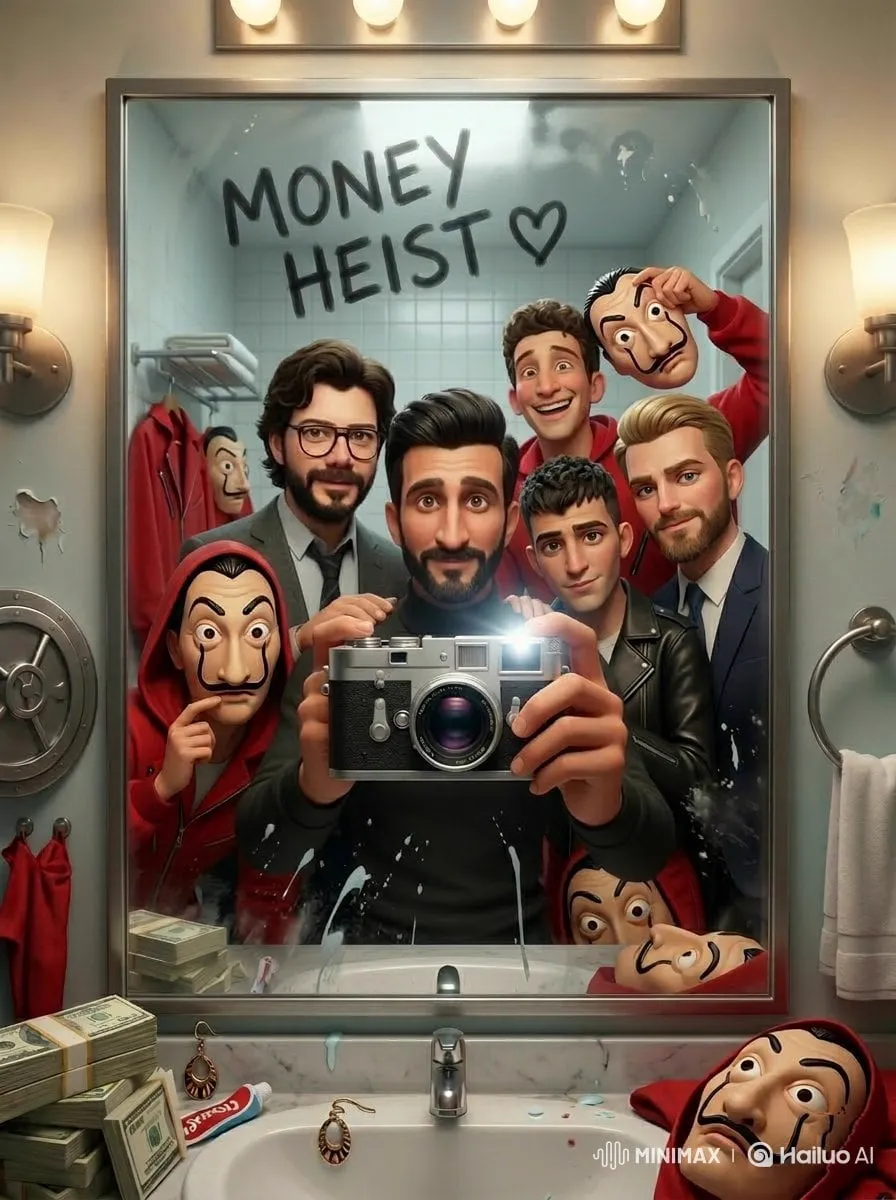

YouTube is a marketing machine that rewards two numbers above almost everything else: how often people click your video, and how long they stay watching after they do. The first is driven largely by your thumbnail and title, the moment of decision in a crowded feed. The second is driven by the quality and pacing of the video itself. Master both and you unlock sustainable growth; ignore either and even strong content will underperform. This guide breaks down the craft of high-quality YouTube thumbnails and the production strategies that keep viewers watching, with attention to a reality that increasingly shapes both: the role of artificial intelligence in generating and optimizing content.
Video now accounts for the overwhelming majority of internet traffic, and YouTube sits at the center of that attention economy. For channels both large and small, the competition for a click has never been sharper. Yet the fundamentals have not changed as much as the tooling. A sharp, readable thumbnail and a video that delivers on its promise remain the two essential jobs. This article is a practical playbook for both, built for creators who want dependable, repeatable results.
Why thumbnails decide so much
The thumbnail is the first thing a potential viewer sees, often before they read your title, and frequently before they even consciously notice they are looking. In a feed of endlessly scrolling videos, the thumbnail is the split-second advertisement for your entire production. If it fails to stop the scroll, nothing else you did, the script, the edit, the sound, ever gets a chance.
Think of the click decision as a promise. The thumbnail and title together make a promise about what the video will deliver. YouTube does not reward clickbait in the long run, because viewers bounce when the promise is broken, and the algorithm rewards retention, not mere clicks. The successful thumbnail therefore does two jobs at once: it stops the scroll, and it accurately signals what the viewer will actually experience. The alignment of expectation and delivery is what turns a single view into a subscriber.
How the click-through rate works
Click-through rate, the percentage of viewers who click after seeing your thumbnail, is one of the most watched metrics on the platform. It is important because it tells YouTube that viewers find your content relevant to their interest. A high click-through rate prompts more impressions, which compounds into more views. A low one suppresses distribution no matter how good the video is. The thumbnail is the lever you control most directly to move this number.
Why thumbnails are never static
Effective creators do not assume one thumbnail works forever. They test. The platform itself, through its thumbnail A/B testing features, lets serious channels compare versions and let the data choose. A thumbnail that performs well in one audience segment might underperform in another. The habit of continuous testing is part of what separates growing channels from stagnant ones.
The psychology of a thumbnail that gets clicked
Human perception is fast and largely subconscious, and the most effective thumbnails work through a few well-understood signals.
Clarity at a glance
Text and image must be legible at thumbnail size, which on mobile is tiny. One clear focal point beats a cluttered collage. Avoid more than a few words, keep them short and readable, and make sure the subject is not cropped strangely or competing with the background.
Emotion and expression
Faces are powerful click drivers. A clear, expressive face that mirrors the video's emotion, surprise, curiosity, intensity, gives the viewer an immediate emotional read and builds an implicit connection. This is one of the most reliable patterns on the platform.
Contrast and color
The thumbnail must separate itself from the feed. High contrast between the subject and the background, and colors that pop against the platform's dark interface, help your thumbnail stand out even at a glance. Consistent, recognizable color coding can also build a brand over time.
Curiosity with a payoff
Curiosity drives clicks, but it works best when tied to an actual insight promised in the video. A small intriguing detail, a surprising object in frame, an unexpected pairing, invites the click, while the title and video deliver the resolution. The curiosity gap is powerful precisely because it expects a satisfying answer.
Technical standards for a high-quality thumbnail
Quality is non-negotiable, because a low-resolution or pixelated thumbnail reads as low production value before a single frame of your video plays. Follow the platform's recommended dimensions and, above all, export at a resolution that stays sharp.
Resolution and file size
Use the platform's standard 16:9 ratio at the highest resolution the interface supports, which keeps it crisp on large screens and sharp when scaled down. Compress carefully: a tiny file that excessively jpegs will look broken; aim for the balance of small size and high quality. Keep the file size modest so it loads fast, but never sacrifice a clean look.
Face and subject placement
Because a large amount of the thumbnail may be cropped on different devices, keep your subject, especially any face and any key text, centered and away from the extreme edges. Test how the thumbnail reads at a quarter of its size, because that is close to how it appears in a busy feed.
Text that supplements, not repeats
On-screen thumbnail text should reinforce the title, not repeat it word for word. A powerful verb or a clarifying detail adds information the title does not carry. Keep it to a handful of words and pair it with strong imagery rather than letting text carry the whole load.
Using AI to improve thumbnail creation
Artificial intelligence changes the thumbnail workflow in practical ways, mostly by freeing you from tedious tasks and expanding your range of options.
Ideation and variations
Instead of settling for the first design, generate many concept variations quickly and compare them. AI image tools can produce drafts across styles and compositions in minutes, giving you a wide creative field to select from before you spend time polishing a single winner. The ability to explore broadly is the biggest practical benefit.
Retouching and background work
AI makes it easy to clean up a background, remove an unwanted object, or extend a frame so facial composition stays ideal. These tasks used to be painstaking; now they are near-instant. Used well, AI retouching lifts the polish of a thumbnail without hours of manual work.
Consistent brand treatment
If you have established a signature style, AI can help you apply it consistently across thumbnails, matching color grade, lighting, and composition. Consistency across your catalog makes your channel recognizable and, over time, builds viewer trust in what a video from you will feel like.
A/B testing at lower cost
Because you can generate many candidates cheaply, you can afford a genuine testing program instead of polishing one design. Pair a broad set of AI-drafted thumbnails with the platform's A/B testing tool, and let the data pick the winner. This turns thumbnail craft into an evidence-based discipline rather than a guess.
The other half: keeping viewers watching
A great thumbnail earns the click; the video must then earn the retention that compounds into growth. YouTube measures how long and how completely viewers stay, and shapes distribution around those signals. A video that sustains attention signals value and is pushed harder; one that sheds viewers early is suppressed.
Deliver the promise fast
The opening seconds have to confirm what the thumbnail promised. A slow, unaligned intro is the fastest way to lose a freshly-earned viewer. If the thumbnail promises a specific demonstration or explanation, front-load a glimpse of it immediately, then build out the context. Answer the implied question early and you repay the viewer for clicking.
Structure for continuity
Strong videos are structured in forward-moving segments, each posing a small question the next resolves. This serial hooking keeps the viewer mentally engaged and reduces the urge to leave. Plan your script with explicit transitional questions so the audience always has a reason to watch the next section.
Vary pacing and format
Monotony breeds skipping. Vary the visual density, alternate talking-head material with b-roll and demonstrations, change camera energy and shot size, and pace the edits to the subject's energy. The goal is to keep the viewer's attention refreshed so their retention does not decay into skimming.
Building watchable content with AI assistance
Generative tools now help with production in ways that matter for retention, especially for solo creators working without a crew.
Planning and structuring
AI can help break a topic into a coherent segment plan, suggest engaging hooks, and flag thin sections before you invest in production. It is a useful thinking partner for outlining, not a substitute for your creative judgment and your factual responsibility to the audience.
Production polish
For visual interest, AI can generate supporting b-roll, illustrative sequences, and stylistic shots that would otherwise require expensive location or animation work. Used to complement real footage rather than replace the genuine substance, it raises the visual standard of a channel without a studio budget.
Post-production acceleration
Timing and transcription work, captions for silent viewers, and clean audio editing all benefit from automation. Captions in particular improve retention because a large share of viewing happens muted. Fast, accurate captioning directly supports the watch-time numbers that drive growth.
Audio that holds attention
Sound is a major retention lever. A clear voice, a fitting and appropriately leveled music bed, and well-placed sound effects that reinforce your cuts keep viewers anchored. Poor or mismatched audio is one of the fastest reasons a viewer leaves, so give the mix real attention.
Metadata that supports discovery
Thumbnails earn clicks; the metadata earns discovery. Your title should be specific and honest, holding a clear promise for the target search. Keep the description informative in the first lines, use a handful of relevant keywords rather than a list, and add chapters so viewers can jump and so the video signals coherent content. Consistent, well-chosen tags and a smart keyword focus make the whole package easier for the platform to index and match to search intent, which feeds the impressions your thumbnail then converts.
Building a growth loop from thumbnails to retention
The two halves, click and retention, feed each other in a compounding loop. Impressions flow to videos with high click-through, which is driven by strong thumbnails and titles. Views flow to videos with high retention, which is driven by delivery, structure, and polish. Get both right and the platform will keep expanding your reach.
Create that loop deliberately. Set a standard for every new video: a thumbnail that is clear, emotive, high-quality, and on-brand, and a video that confirms its promise in the first seconds and sustains attention through forward momentum. Test thumbnails regularly and refine your opening. Use AI to widen your creative options on both sides and to accelerate the tedious parts, always in service of your own editorial voice. Track the metrics that matter and let the data steer your next production.
Common pitfalls and how to avoid them
Three recurring mistakes hurt more channels than anything else. The first is overpromising in the thumbnail and title, which buys a click but destroys retention, and the algorithm sees right through it. The second is settling for the first thumbnail, which forfeits a major growth lever that testing would improve. The third is ignoring the audience's already-established expectations; if your channel has a format, the thumbnail should signal that you are delivering the format well, not abruptly something else.
A simple checklist before you publish
Before you hit publish, run this list. Does the thumbnail stop the scroll with a clear focal point? Is it sharp, high-contrast, and on-brand? Does it honestly signal what the video delivers? Do the first ten seconds confirm the promised payoff? Is the pacing varied to hold attention? Are captions accurate and are chapters included? Is the audio clean and well-balanced? If any answer is clearly no, fix it before publishing; retrofitting a weak thumbnail or a slow intro is far more costly than getting it right first.
Bringing it together
YouTube growth is a two-part craft, and both parts are within your control. The thumbnail is your advertisements, and the video is your product; neither succeeds without the other. Learn what makes a thumb stop and then wait, stop the scroll with clarity, emotion, contrast, and honest curiosity, while meeting the platform's technical quality bar. Then earn the click you were given by delivering fast, structuring for forward motion, and polishing the production until viewers stay. Use AI to accelerate ideation, variation, polish, and captioning, but keep your editorial judgment at the center. Test, measure, and iterate on both the thumbnail and the opening. Do this consistently and you will convert more of your impressions, hold more of your audience, and give the algorithm every reason, and every metric, to keep promoting your channel.
