
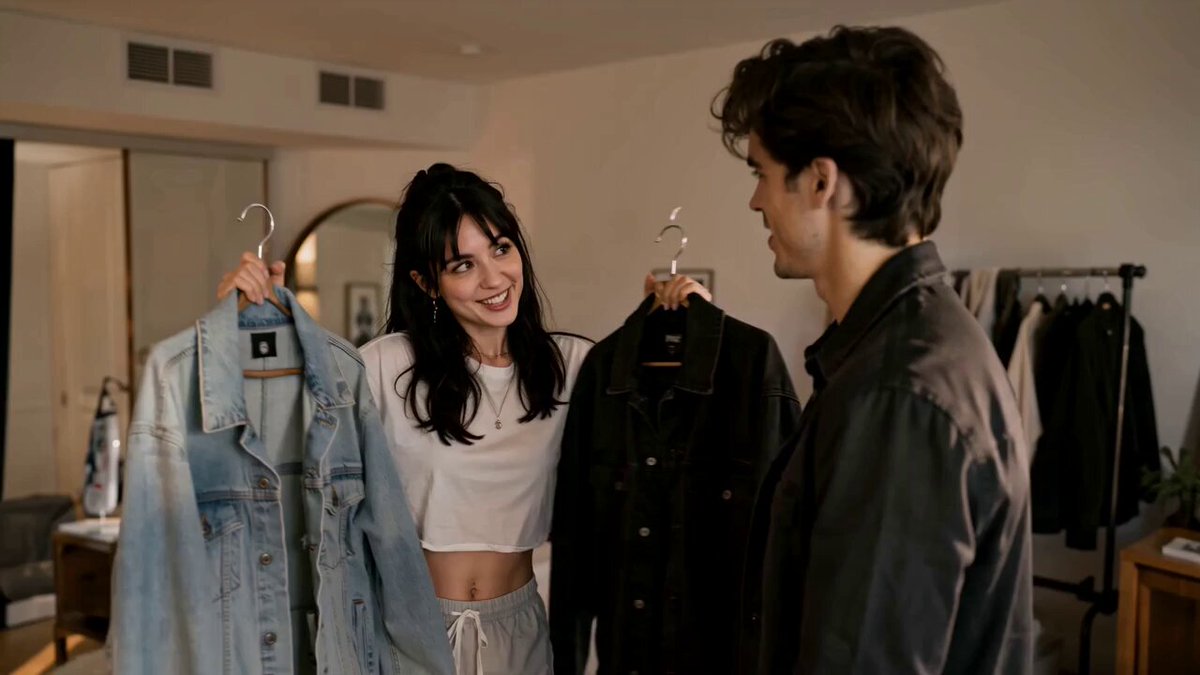
Fix Your AI Art Generator Being Messed Up
Use ai art generator being messed up to struggling with weird AI art results? Learn to write clear prompts, adjust settings, and regenerate until you get.
AI Image Generator
0/20000 characters
My images
Loading...
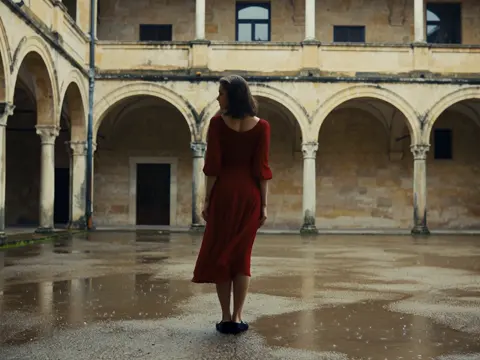
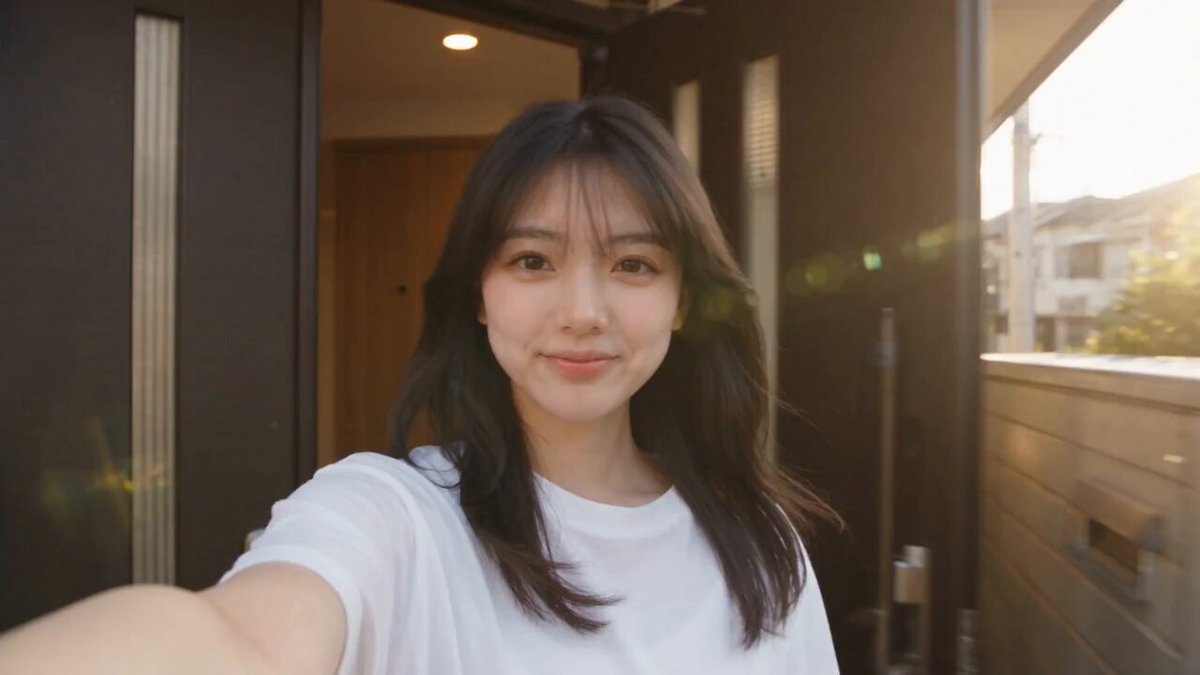
Why is my AI art generator being messed up?
AI art generators produce unexpected results when prompts are vague, conflicting, or overly complex. To fix this, write clear descriptions with one main subject, specify the style and lighting, and avoid contradictory terms. Review the output and adjust your prompt one element at a time until the result matches your vision.
Fix Your AI Art Generator Being Messed Up
Getting the right scene after poor results
Input
A calm beach at golden hour, gentle waves lapping on white sand, a single palm tree leaning right, warm orange and pink sky
Expected output
A coherent beach scene with correct lighting, wave motion, and tropical vegetation matching the description
Refining composition from a distorted attempt
Input
A red fox standing on a mossy log in a sunlit forest clearing, sharp focus on the fox's face, soft green background
Expected output
A wildlife portrait with the fox as the clear subject, natural lighting filtering through trees, and a soft background blur
Achieving consistent style after failed tries
Input
Anime-style portrait of a young woman with purple hair, blue eyes, wearing a school uniform, cherry blossom background, pastel colors
Expected output
A clean anime-style character illustration with consistent linework, pastel shading, and the described features centered
Get reliable AI image generation from clear text descriptions.
Get consistent results with clear prompts
Write detailed, structured descriptions to reduce unexpected artifacts and improve output reliability.
Use generation settings to control output
Adjust available settings to guide the style, dimensions, and quality of each generation.
Review and regenerate until satisfied
Check each output and regenerate with refined prompts until the image matches your intent.
How It Works
1
Describe the desired image
Describe the desired image.
2
Choose the available generation settings
Choose the available generation settings.
3
Generate, review, and download a suitable result
Generate, review, and download a suitable result.
Getting better results from your generator
Most unexpected outputs come from vague or conflicting prompts.
Input Constraints
- Avoid contradictory terms that confuse the generator.
- Specify one clear focal subject per image.
- Mention the lighting and atmosphere explicitly.
Practical Tips
- Start with a short prompt and add detail in rounds.
- Use style keywords like 'photorealistic' or 'illustration' to set the visual direction.
- Separate subject, environment, and style into distinct clauses.
Privacy
- Do not upload personal or sensitive material unless you have permission to use it.
Usage Rights
- Confirm that you have the rights needed for the inputs and intended use of the result.
Prompt recipes
Copy a structure, then adjust the subject, lighting, camera, and output details for your own result.
Simple subject with clear style
A single red apple on a wooden table, natural window light from the left, shallow depth of field, photorealistic style
Focuses on one subject with clear lighting and style direction, avoiding conflicting details that could confuse the generator.
Character portrait with specific features
Close-up portrait of a young man with short black hair and green eyes, wearing a white t-shirt, neutral gray background, soft studio lighting, realistic photography style
Lists specific features one at a time and uses a neutral background to keep the focus on the subject, reducing composition errors.
Landscape with clear focal point
A mountain lake at sunrise, a single wooden dock extending into calm water, mist rising from the surface, warm golden light, landscape photography style
Establishes a clear focal point (the dock) and describes the scene elements in order, helping the generator understand spatial relationships.
Stylized illustration with consistent aesthetic
Flat vector illustration of a coffee cup with steam, minimalist design, warm brown and cream color palette, simple geometric shapes, clean lines
Uses consistent style keywords (flat, minimalist, geometric) and a limited color palette to guide the generator toward a cohesive aesthetic.
Fixing a previous bad result
A realistic brown horse standing in a green meadow, sunny day, the horse is facing left, clear details on the horse's mane and coat, photorealistic
Addresses common errors by specifying direction (facing left), detail level (clear details on mane), and realism (photorealistic), reducing distortions.
Best use cases
Match the workflow to the input you have and the result you need before opening the generator.
Fixing distorted subjects or compositions
Input: One clear subject per prompt, specific pose or direction, neutral background, realistic style keyword
Result: Clean image with the subject in focus and minimal distortions
Tool: Text to Image with photorealistic or realistic style keywords
Getting consistent style after mixed results
Input: Consistent style keywords throughout prompt, limited color palette, clear aesthetic reference like 'anime', 'watercolor', or 'flat vector'
Result: Cohesive image with consistent visual treatment matching the described style
Tool: Text to Image with clear style keywords and color constraints
Reducing unexpected artifacts and details
Input: Short, focused prompt with one subject, minimal scene complexity, explicit lighting and background description
Result: Clean image without extra objects or visual noise
Tool: Text to Image with minimal prompt complexity
Improving composition and spatial relationships
Input: Describe spatial relationships explicitly (left, right, foreground, background), use composition keywords like 'centered' or 'rule of thirds'
Result: Well-composed image with clear spatial hierarchy
Tool: Text to Image with explicit spatial and composition keywords
Limitations to know before generating
- The tool interprets your prompt, but vague or conflicting descriptions will produce inconsistent results. Clarity is more important than length.
- Complex scenes with many subjects or intricate details are harder to generate accurately. Start simple and add complexity gradually.
- The tool cannot fix bad prompts automatically. You must review the output and adjust your description to improve results.
- Generation quality depends on your prompt structure and available settings. Experimenting with different phrasings is part of the workflow.
- Even with clear prompts, some generation attempts may produce unexpected results. Regeneration is a normal part of the process.
Creative Suite: AI Video Generator & AI Image Generator Tools
Power up your creative workflow with our AI-driven tools. Generate stunning videos, create images, and apply custom adjustments - our AI Video Generator and AI Image Generator offer a complete solution for all your creative needs.
Strictly Prohibits Adult/NSFW Content








Pricing
Choose the credit package that works best for you.
No hidden fees • Cancel anytime • Unused credits roll over
Starter
Perfect for trying out AI creation.
Credits
200 credits / month
- Up to 20 videos per month
- Up to 100 images per month
$6.99/ month$9.9930% OFF
Billed monthly
First-time subscribers get 30% off their first month, then standard price
What's included
- Credits never expire
- Standard models
- HD, Watermark-Free Downloads
- Private Generation
- Faster Generation Speed
- Ad-free experience
Basic
Perfect for light creators.
Credits
500 credits / month
- Up to 50 videos per month
- Up to 250 images per month
$13.99/ month$19.9930% OFF
Billed monthly
First-time subscribers get 30% off their first month, then standard price
What's included
- Credits never expire
- Standard models
- HD, Watermark-Free Downloads
- Private Generation
- Faster Generation Speed
- Ad-free experience
Pro
PopularBest value for creators
Credits
1,200 credits / month
- Up to 120 videos per month
- Up to 600 images per month
$39.99/ month
Billed monthly
What's included
- Credits never expire
- All models + Early access to new models
- HD, Watermark-Free Downloads
- Private Generation
- Faster Generation Speed
- Ultra HD resolution
- Ad-free experience
Ultra
For video creators and power users.
Credits
5,000 credits / month
- Up to 500 videos per month
- Up to 2,500 images per month
$99.99/ month
Billed monthly
What's included
- Credits never expire
- All models + Early access to new models
- HD, Watermark-Free Downloads
- Private Generation
- Faster Generation Speed
- Ultra HD resolution
- Ad-free experience
Free
Standard models only — upgrade to unlock premium models.
Credits
10 free credits on signup
Questions? Contact us at support@domer.io
Create images that match your vision
Write a precise description, choose your settings, and generate images that actually look like what you had in mind.