
Create
AI Imaginary Photo Generator
Turn imaginary scenes into photorealistic images. Describe a fictional subject and generate a convincing photo-style result.
AI Image Generator
0/20000 characters
My images
Loading...
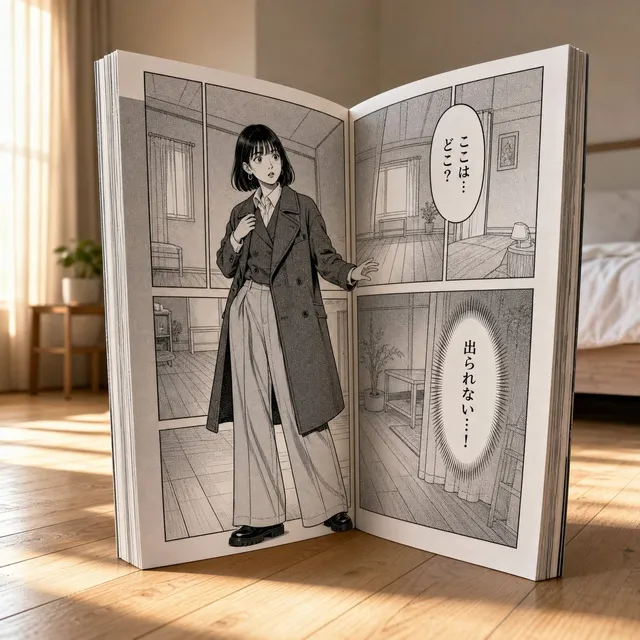
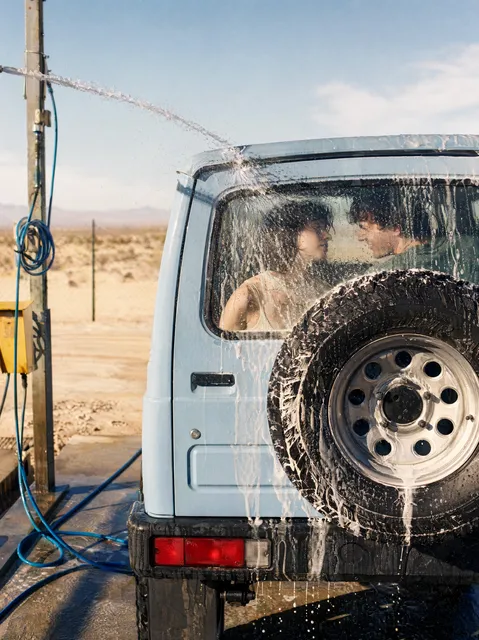
How do I generate photorealistic images of fictional subjects?
An AI imaginary photo generator takes a text description of a fictional scene, creature, or place and renders it as a photorealistic image. Describe the subject, lighting, and photographic style, then generate and review the result before downloading.
AI Imaginary Photo Generator
Fictional landscape from a text description
Input
A floating island suspended above a crystalline ocean, waterfalls cascading off the edges into clouds, sunset with purple and orange hues, tiny glowing flora along the cliffs, photorealistic style
Expected output
A convincing photo-style image of the floating island scene with realistic lighting, water, and atmospheric depth
Imaginary creature portrait
Input
A fox-like creature with iridescent fur shifting between blue and silver, large amber eyes, standing on a mossy forest floor at dawn, dappled light filtering through canopy, nature documentary aesthetic
Expected output
A realistic-looking wildlife portrait of the described creature with natural lighting, fur detail, and environmental context
Alternate history vintage photo
Input
A sepia-toned street scene from an imagined 1920s city with clockwork vehicles and elevated glass walkways, people in period clothing looking up at airships, grainy film texture
Expected output
A vintage-style photo with sepia tone, period-appropriate composition, and the described speculative technology elements
Turn fictional scenes, creatures, or places into photorealistic images from text descriptions
No location or props needed
Describe any fictional scene, creature, or world and get a photorealistic result without building sets, sourcing props, or traveling.
Photorealism for fictional subjects
The tool generates images with photographic detail — lighting, texture, depth — so imaginary concepts look grounded and convincing.
Iterate on your creative vision
Change one element of your description — lighting, color palette, scale — and generate an entirely different take on the same idea.
How It Works
1
Describe the desired image.
Describe the desired image.
2
Choose the available generation settings.
Choose the available generation settings.
3
Generate, review, and download a suitable result.
Generate, review, and download a suitable result.
Tips for convincing imaginary photos
Photorealism comes from describing realistic photographic qualities even for fictional subjects.
Input Constraints
- Avoid real public figures, brands, or trademarked characters in imaginary scenes.
- Describe the photographic style — lens, lighting, depth of field — to anchor the fictional subject.
- Keep one imaginary element per prompt for more coherent results.
- Review edges and proportions for consistency before using the image.
Practical Tips
- Reference real photographic terms: shallow depth of field, golden hour, film grain.
- Describe the texture and material of imaginary subjects to ground them visually.
- Generate a few variations and pick the one with the most natural lighting.
Privacy
- Do not upload personal or sensitive material unless you have permission to use it.
Usage Rights
- Confirm that you have the rights needed for the inputs and intended use of the result.
Prompt recipes
Copy a structure, then adjust the subject, lighting, camera, and output details for your own result.
Fantasy wildlife documentary shot
A dragon hatchling the size of a housecat perched on a weathered stone, soft morning light filtering through mist, scales showing individual detail, shallow depth of field, nature documentary photography style
Combines a fantastical subject with realistic wildlife photography terms — scale reference, natural lighting, shallow depth of field — so the result feels grounded and convincing.
Speculative architecture photo
A glass pyramid library floating above a desert canyon, golden hour light casting long shadows, visible interior shelves through transparent walls, wide-angle architectural photography, high dynamic range
Anchors the impossible structure with real architectural photography language — golden hour, wide-angle lens, HDR — making the fictional building look like a real commissioned photo.
Alternate history street scene
A 1940s New York street with electric trams and art-deco robots directing traffic, black and white film photography, grainy texture, pedestrians in period clothing looking at a robot, photojournalism composition
Blends historical photography style with speculative elements, using period-accurate details and film grain to sell the alternate timeline as a real archival photo.
Imaginary planet landscape
A desert with crystalline rock formations reflecting a double sunset, purple and amber sky, dust particles visible in light beams, wide-angle landscape photography, natural color grading
Describes an alien environment using real landscape photography techniques — light beams, natural color grading, wide-angle — so the fictional planet looks like a real expedition photo.
Mythical creature in natural habitat
A small phoenix-like bird with glowing ember feathers perched on a burnt tree branch at dusk, warm orange and deep blue sky, soft bokeh background, wildlife telephoto lens, golden hour lighting
Treats a mythical creature as a wildlife subject with specific lens choice, lighting time, and natural composition, making the imaginary bird feel like a real nature photograph.
Best use cases
Match the workflow to the input you have and the result you need before opening the generator.
Concept art for a game or film
Input: Detailed scene description with lighting, environment, and photographic style references
Result: Photorealistic concept visuals that show the fictional world as if it were photographed on location
Tool: Text to Image with photorealistic style and detailed environmental prompts
Visualizing a fictional creature for a story
Input: Physical description with texture, lighting, and natural habitat context
Result: A convincing wildlife-style portrait of the imaginary creature in its environment
Tool: Text to Image with nature documentary photography references
Creating alternate history visuals
Input: Period-accurate setting with speculative technology, described in archival photo style
Result: A vintage photo aesthetic that makes the alternate timeline feel real
Tool: Text to Image with period film references and historical photography terms
Book cover image of a fictional location
Input: Landscape description with dramatic lighting and photographic composition notes
Result: A cinematic, photorealistic rendering of the fictional place
Tool: Text to Image with landscape photography and golden hour lighting
Limitations to know before generating
- Generated images may show inconsistencies in fine detail such as edges, reflections, or proportions that reveal the fictional nature of the subject.
- Complex scenes with multiple imaginary elements may produce less coherent results than single-subject prompts.
- Photorealism depends on how well the description anchors the fictional subject with real-world photographic references.
- Generated content should be reviewed for unintended resemblance to real people, places, or copyrighted works before use.
- The tool cannot guarantee legal rights, model releases, or commercial permissions for the generated images.
Creative Suite: AI Video Generator & AI Image Generator Tools
Power up your creative workflow with our AI-driven tools. Generate stunning videos, create images, and apply custom adjustments - our AI Video Generator and AI Image Generator offer a complete solution for all your creative needs.
Strictly Prohibits Adult/NSFW Content

Pricing
Choose the credit package that works best for you.
No hidden fees • Cancel anytime • Unused credits roll over
Starter
Perfect for trying out AI creation.
Credits
200 credits / month
- Up to 20 videos per month
- Up to 100 images per month
$6.99/ month$9.9930% OFF
Billed monthly
First-time subscribers get 30% off their first month, then standard price
What's included
- Credits never expire
- Standard models
- HD, Watermark-Free Downloads
- Private Generation
- Faster Generation Speed
- Ad-free experience
Basic
Perfect for light creators.
Credits
500 credits / month
- Up to 50 videos per month
- Up to 250 images per month
$13.99/ month$19.9930% OFF
Billed monthly
First-time subscribers get 30% off their first month, then standard price
What's included
- Credits never expire
- Standard models
- HD, Watermark-Free Downloads
- Private Generation
- Faster Generation Speed
- Ad-free experience
Pro
PopularBest value for creators
Credits
1,200 credits / month
- Up to 120 videos per month
- Up to 600 images per month
$39.99/ month
Billed monthly
What's included
- Credits never expire
- All models + Early access to new models
- HD, Watermark-Free Downloads
- Private Generation
- Faster Generation Speed
- Ultra HD resolution
- Ad-free experience
Ultra
For video creators and power users.
Credits
5,000 credits / month
- Up to 500 videos per month
- Up to 2,500 images per month
$99.99/ month
Billed monthly
What's included
- Credits never expire
- All models + Early access to new models
- HD, Watermark-Free Downloads
- Private Generation
- Faster Generation Speed
- Ultra HD resolution
- Ad-free experience
Free
Standard models only — upgrade to unlock premium models.
Credits
10 free credits on signup
Questions? Contact us at support@domer.io
Describe your imaginary scene
Open the text-to-image tool, describe a fictional scene or subject, and see it rendered as a photorealistic image.