Limited Time Offer: Get 50% OFF Starter & Basic Yearly Plans 🎉
AI Photo Editor Eye Opener: Open Eyes in Photos
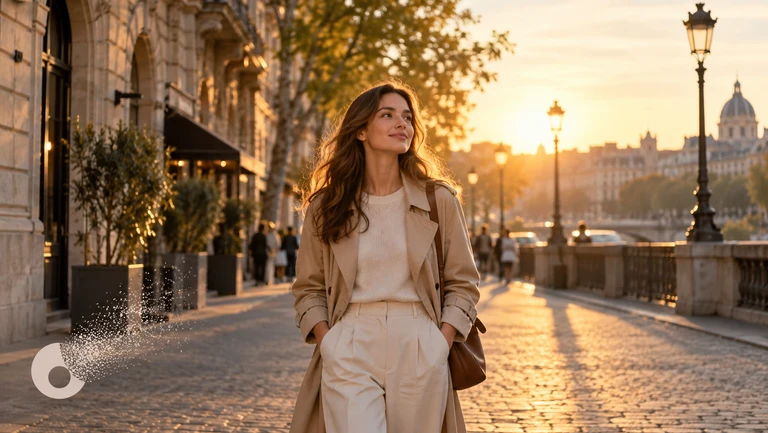
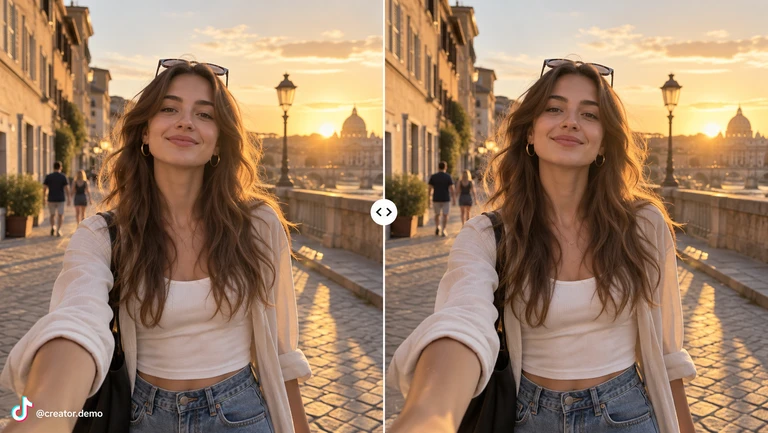
Use ai photo editor eye opener to upload a portrait with closed or sleepy eyes and describe the eye-opening adjustment. Make eyes appear wider and more awake.
An AI photo editor for opening eyes lets you upload a portrait with closed or partially closed eyes and describe the adjustment you want. The tool generates a version with eyes that appear open, wider, or more awake while keeping the rest of the face consistent. You review the result to confirm the eyes look natural.
AI Photo Editor Eye Opener: Open Eyes in Photos
Closed eyes in a group shot
Input
Upload a group photo where one person has closed eyes, then describe: Open the eyes of the middle person naturally, keeping the same expression and face angle.
Expected output
The same group photo with the middle person's eyes opened in a natural way, preserving the smile and pose.
Sleepy portrait
Input
Upload a portrait with half-closed, tired eyes, then describe: Open the eyes wider to appear more awake and alert.
Expected output
The portrait with eyes that appear wider and more awake, keeping the same face angle and lighting.
Balanced eye look
Input
Upload a selfie where one eye is more closed than the other, then describe: Adjust both eyes to be even and naturally open.
Expected output
The selfie with both eyes adjusted to look even and natural, preserving the expression and background.
Open closed or partially closed eyes in a portrait to create a more alert, natural appearance.
Start with your existing portrait
Use a photo you already have and adjust only the eyes without re-shooting or changing the pose.
Direct the eye-opening adjustment
Describe how open or awake the eyes should appear and compare the result with the original expression.
Review before using
Check whether the opened eyes look natural and match the rest of the face before downloading or sharing it.
How It Works
1
Upload the portrait you want to adjust
Start with an image you have the right to edit.
2
Describe the eye-opening adjustment
Keep the requested edits specific so the intended profile look is clear.
3
Generate, compare, and review
Review the output for likeness, accuracy, and the final profile crop before using it.
Opening eyes naturally
A portrait with visible facial features and clear lighting makes it easier to judge the eye-opening adjustment.
Input Constraints
Only upload images you have permission to edit and use.
Keep the eye-opening description focused on the natural appearance you want.
Review the final image for natural eye appearance and expression consistency before sharing it.
Practical Tips
Use a source portrait with clear facial features and good lighting.
Describe the degree of eye opening you want: slightly wider, fully open, or balanced between both eyes.
Compare the result with the original photo to confirm the eyes look natural and the expression is preserved.
Privacy
Do not upload personal or sensitive material unless you have permission to use it.
Usage Rights
Confirm that you have the rights needed for the inputs and intended use of the result.
Prompt recipes
Copy a structure, then adjust the subject, lighting, camera, and output details for your own result.
Open closed eyes naturally
Open the eyes naturally while keeping the same smile, face angle, and lighting as the original portrait.
Focuses on the eye adjustment while preserving expression and lighting, making it easy to judge whether the result looks natural.
Widen tired eyes
Open the eyes wider to appear more awake and alert, keeping the face angle and expression the same.
Targets the degree of eye opening for a specific alertness level, useful for professional headshots or profile photos.
Balance uneven eyes
Adjust both eyes to be evenly open, matching the more open eye, while keeping the expression and lighting consistent.
Ensures symmetry by matching one eye to the other, creating a balanced, natural appearance.
Group photo eye correction
Open the eyes of the second person from the left naturally, keeping their expression and pose the same, without changing anyone else.
Isolates the eye adjustment to one subject in a group, ensuring the rest of the photo stays consistent.
Subtle eye widening
Widen the eyes slightly for a brighter, more engaged look, while keeping the same face shape and lighting.
Creates a subtle improvement without overcorrecting, useful for candid photos or social-media portraits.
Best use cases
Match the workflow to the input you have and the result you need before opening the generator.
Use case
Best input
Expected result
Tool
Group photo correction
Group photo where one subject has closed eyes
Group photo with all subjects' eyes naturally open
Image to Image with subject-specific eye-opening prompt
Professional headshot
Portrait with tired or half-closed eyes
Portrait with wider, more alert eyes
Image to Image with eye-widening prompt
Symmetry correction
Portrait where one eye is more closed than the other
Portrait with balanced, evenly open eyes
Image to Image with eye-balancing prompt
Candid photo improvement
Candid or selfie with slightly closed eyes
Photo with subtly wider, more engaged eyes
Image to Image with subtle eye-widening prompt
Group photo correction
Input: Group photo where one subject has closed eyes
Result: Group photo with all subjects' eyes naturally open
Tool: Image to Image with subject-specific eye-opening prompt
Professional headshot
Input: Portrait with tired or half-closed eyes
Result: Portrait with wider, more alert eyes
Tool: Image to Image with eye-widening prompt
Symmetry correction
Input: Portrait where one eye is more closed than the other
Result: Portrait with balanced, evenly open eyes
Tool: Image to Image with eye-balancing prompt
Candid photo improvement
Input: Candid or selfie with slightly closed eyes
Result: Photo with subtly wider, more engaged eyes
Tool: Image to Image with subtle eye-widening prompt
Limitations to know before generating
The eye-opening adjustment is an AI-generated change. Eye shape, color, and iris detail may shift slightly during the adjustment.
Extreme eye adjustments or very closed eyes may not render naturally. Always review the result for eye appearance and expression consistency.
The tool does not guarantee perfect symmetry or natural eye appearance in all cases. The adjustment is an interpretation, not a measurement.
If the source portrait has poor lighting, unclear eye detail, or very dark shadows, the eye-opening adjustment may produce inconsistent or unrealistic results.
Creative Suite: AI Video Generator & AI Image Generator Tools
Power up your creative workflow with our AI-driven tools. Generate stunning videos, create images, and apply custom adjustments - our AI Video Generator and AI Image Generator offer a complete solution for all your creative needs.