An ai vintage photo editor transforms modern digital photos into retro-styled images by applying film grain, faded colors, softer contrast, light leaks, and aging effects that mimic analog photography from past decades.
AI Vintage Photo Editor for Retro Looks
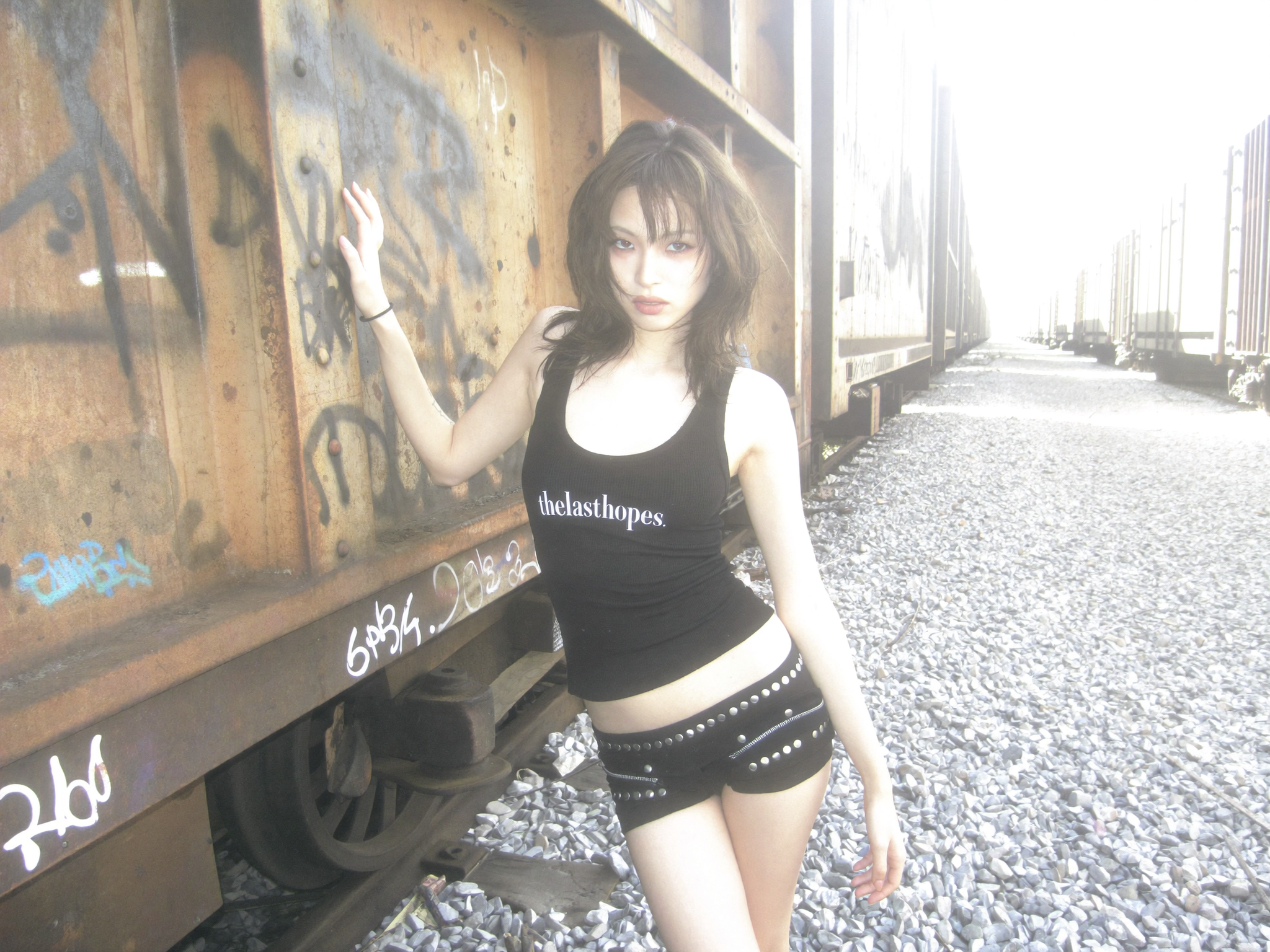
1970s warm family portrait
Input
Upload a family photo and request a 1970s film look with warm faded tones, soft contrast, and subtle grain.
Expected output
A portrait with the nostalgic warmth and muted quality of 1970s color prints, suitable for album or gift use.
Black and white 1950s street scene
Input
Upload a city photo and ask for a high-contrast black and white treatment with deep shadows and rich midtones like 1950s documentary photography.
Expected output
A monochrome street scene with dramatic contrast and a timeless documentary feel.
Faded Polaroid instant look
Input
Upload a casual snapshot and request a Polaroid-style finish with muted pastels, soft focus edges, and the characteristic square crop.
Expected output
An instant-film version with the dreamy, low-saturation aesthetic of vintage Polaroids.
Apply authentic retro film looks and faded tones to modern photos you already own.
Start with your own image
Use an image you have permission to edit instead of recreating the subject from a text-only description.
Direct the changes
State the framing, background, and style you want, then compare the result with the original image.
Choose before you use it
Review the edited image for likeness, context, and crop before downloading or posting it.
How It Works
1
Upload the image you want to refine
Start with an image you have the right to edit.
2
Describe the profile-picture changes you want
Keep the requested edits specific so the intended profile look is clear.
3
Generate, compare, and download
Review the output for likeness, accuracy, and the final profile crop before using it.
Making a profile-picture edit that stays clear
A clear source image and a focused edit request make it easier to judge the result.
Input Constraints
Only upload images you have permission to edit and use.
Keep the requested changes focused on the profile-picture outcome you need.
Review the final image for likeness and context before sharing it.
Practical Tips
Use a source image with a visible face and enough detail around the subject.
Ask for one or two concrete changes, such as a neutral background or a square crop.
Compare the result with the original image before choosing a version to use.
Privacy
Do not upload personal or sensitive material unless you have permission to use it.
Usage Rights
Confirm that you have the rights needed for the inputs and intended use of the result.
Prompt recipes
Copy a structure, then adjust the subject, lighting, camera, and output details for your own result.
Classic 1970s warm film look
Apply a 1970s color film aesthetic with warm faded tones, soft contrast, subtle grain, and slightly muted saturation to create a nostalgic family-album feel.
Combines multiple period-specific traits — warm tones, soft contrast, grain, muted saturation — to recreate the look of consumer film from that era.
High-contrast 1950s black and white
Convert this image to high-contrast black and white with deep rich blacks, bright highlights, and the tonal depth of classic documentary photography.
Specifies the monochrome conversion style and contrast treatment that defined mid-century documentary and street photography.
Faded Polaroid instant film
Transform this photo into a Polaroid instant film look with muted pastel colors, soft vignette edges, and the characteristic square format and white border.
Names the specific instant film brand and lists the visual markers — muted pastels, vignette, square crop — that make it recognizable.
1980s slide film with saturated colors
Apply a 1980s slide film treatment with rich saturated colors, slightly cooler tones, fine grain, and the punchy contrast typical of that film stock.
References the vibrant, slightly over-saturated look of 1980s positive film and includes the contrast and grain characteristics.
Sun-faded vintage print
Create a sun-faded vintage print effect with significantly reduced saturation, yellowed whites, soft edges, and the appearance of age and light exposure over decades.
Simulates the natural aging process of printed photos, combining color fade, tone shift, and edge softness for an authentic aged look.
Light leak and flare for analog mood
Add subtle light leaks and lens flare to this image, simulating the accidental light exposure common in analog film cameras, keeping the effect natural and not overpowering.
Introduces the specific analog artifact that conveys film authenticity while setting a boundary to keep the effect tasteful.
Best use cases
Match the workflow to the input you have and the result you need before opening the generator.
Use case
Best input
Expected result
Tool
Creating nostalgic social media posts
Modern photo with good composition and clear subject
Retro-styled image with authentic film aesthetic and period-appropriate color and grain
Image to Image with decade-specific film treatment instructions
Designing album art or creative project covers
High-resolution image suitable for print or digital display
Vintage-treated image with artistic film look and controlled aging effects
Image to Image with specific film stock, grain, and color fade instructions
Making keepsakes or gifts from recent photos
Family or personal photo with sentimental value
Warm nostalgic version that mimics family album prints from past decades
Image to Image with warm faded tones and soft contrast requests
Matching modern photos to existing vintage collections
Contemporary image that needs to blend with older archived photos
Styled image with consistent vintage look that integrates seamlessly with older material
Image to Image with era-matched color, contrast, and grain specifications
Creating nostalgic social media posts
Input: Modern photo with good composition and clear subject
Result: Retro-styled image with authentic film aesthetic and period-appropriate color and grain
Tool: Image to Image with decade-specific film treatment instructions
Designing album art or creative project covers
Input: High-resolution image suitable for print or digital display
Result: Vintage-treated image with artistic film look and controlled aging effects
Tool: Image to Image with specific film stock, grain, and color fade instructions
Making keepsakes or gifts from recent photos
Input: Family or personal photo with sentimental value
Result: Warm nostalgic version that mimics family album prints from past decades
Tool: Image to Image with warm faded tones and soft contrast requests
Matching modern photos to existing vintage collections
Input: Contemporary image that needs to blend with older archived photos
Result: Styled image with consistent vintage look that integrates seamlessly with older material
Tool: Image to Image with era-matched color, contrast, and grain specifications
Limitations to know before generating
Vintage effects work best on images with appropriate composition — modern digital clarity may still show through heavy filters.
Extreme aging or grain can obscure fine facial details or important visual information in the original photo.
Different film stocks and decades have distinct looks — a generic vintage request may not match your intended aesthetic.
No automatic restoration of actual old photos — this tool applies vintage styling to modern images, not repair for degraded originals.
Review the aged result to ensure the effect enhances rather than obscures the subject or message of the image.
Creative Suite: AI Video Generator & AI Image Generator Tools
Power up your creative workflow with our AI-driven tools. Generate stunning videos, create images, and apply custom adjustments - our AI Video Generator and AI Image Generator offer a complete solution for all your creative needs.