Limited Time Offer: Get 50% OFF Starter & Basic Yearly Plans 🎉
Checkpoints for Testing AI Photo Editor
Use checkpoints for testing ai photo editor to run controlled tests with your own images, compare results across edits, and verify behavior before committing.
What checkpoints should you use when testing an AI photo editor?
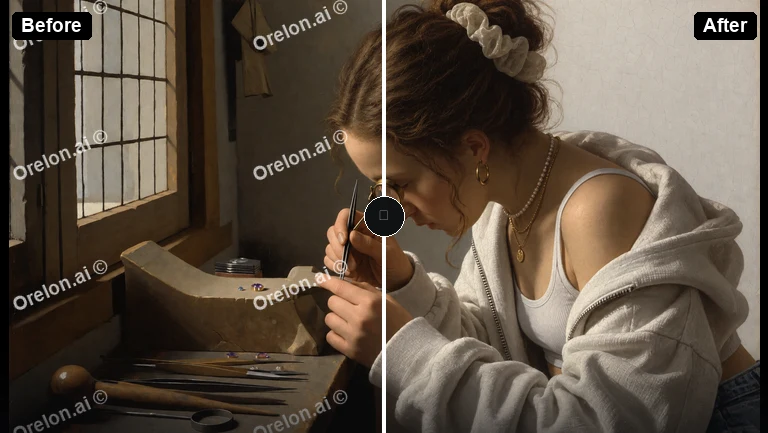
Test instruction following by requesting a specific change, check detail preservation by comparing before and after, verify repeatability by running the same edit twice, and review rights guidance before generating.
Checkpoints for Testing AI Photo Editor
Instruction following checkpoint
Input
Upload a source image with a red chair, request that the chair be changed to blue, and compare the result with the original.
Expected output
A version you can compare with the source to see whether the chair changed to blue as requested, without unwanted changes.
Detail preservation checkpoint
Input
Upload a source image with readable text, request a background change, and check whether the text stayed intact.
Expected output
A result showing whether the background changed while the sign text remained sharp and readable.
Repeatability checkpoint
Input
Upload the same image twice, use identical edit instructions, and compare the two results.
Expected output
Two results to compare for consistency across runs with identical settings.
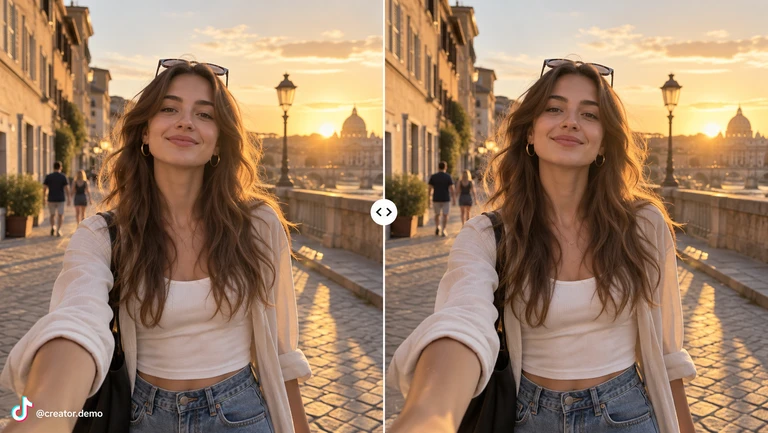
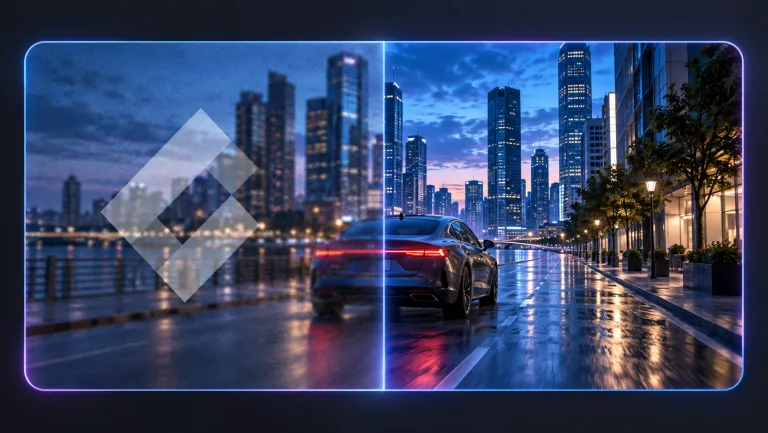
Verify an AI photo editor's behavior by running controlled tests and comparing results before relying on it.
Verify instruction accuracy
Test whether the editor follows your edit request without introducing unwanted changes to the rest of the image.
Check detail handling
Compare before and after to see whether fine details like text, textures, or small objects were preserved.
Confirm repeatability
Run the same edit twice to see whether the editor produces consistent results or varies unpredictably.
How It Works
1
Upload the image you want to refine
Start with an image you have the right to edit.
2
Describe the profile-picture changes you want
Keep the requested edits specific so the intended profile look is clear.
3
Generate, compare, and download
Review the output for likeness, accuracy, and the final profile crop before using it.
Running repeatable tests on an editor
A clear test plan and controlled input make it easier to judge whether the editor behaves predictably.
Input Constraints
Only upload images you have permission to edit and use.
Keep the requested changes focused on the profile-picture outcome you need.
Review the final image for likeness and context before sharing it.
Practical Tips
Use a source image with a visible face and enough detail around the subject.
Ask for one or two concrete changes, such as a neutral background or a square crop.
Compare the result with the original image before choosing a version to use.
Privacy
Do not upload personal or sensitive material unless you have permission to use it.
Usage Rights
Confirm that you have the rights needed for the inputs and intended use of the result.
Prompt recipes
Copy a structure, then adjust the subject, lighting, camera, and output details for your own result.
Color change test
Change the blue sweater to red while keeping the rest of the image unchanged.
Tests whether the editor can follow a targeted color instruction without affecting other elements.
Background isolation test
Replace the cluttered background with a plain white background, but keep the subject and foreground objects exactly as they are.
Checks whether the editor can isolate and replace the background without introducing blur or artifacts on the subject.
Text preservation test
Brighten the lighting and adjust the color balance, but do not alter the text on the sign.
Reveals whether the editor preserves fine detail like text during global edits.
Consistency test
Run the same edit twice: crop to square, shift subject left, and apply a warm filter.
Shows whether the editor produces repeatable results or introduces random variation.
Edge-case test
Upload a low-resolution image with mixed lighting, request a simple edit, and review the output quality.
Tests how the editor handles challenging input that may reveal quality or robustness issues.
Best use cases
Match the workflow to the input you have and the result you need before opening the generator.
Use case
Best input
Expected result
Tool
Testing instruction accuracy
An image with a clearly identifiable element to change, like a colored object or simple background
A result showing whether the requested change was applied without unwanted side effects
Image to Image
Checking detail preservation
An image with fine details like text, patterns, or small objects
A comparison showing whether those details stayed sharp during the edit
Image to Image
Verifying repeatability
The same image and edit instruction run twice under identical settings
Two results to compare for consistency across runs
Image to Image
Testing instruction accuracy
Input: An image with a clearly identifiable element to change, like a colored object or simple background
Result: A result showing whether the requested change was applied without unwanted side effects
Tool: Image to Image
Checking detail preservation
Input: An image with fine details like text, patterns, or small objects
Result: A comparison showing whether those details stayed sharp during the edit
Tool: Image to Image
Verifying repeatability
Input: The same image and edit instruction run twice under identical settings
Result: Two results to compare for consistency across runs
Tool: Image to Image
Limitations to know before generating
Testing a few checkpoints does not cover all possible edge cases or failure modes for the editor.
Results vary by input quality, resolution, and complexity, so one test may not represent typical performance.
Repeatability tests may not reveal issues that only appear with certain image types or edit combinations.
Editors may handle some tasks well and others poorly, so testing should cover the specific use case you need.
Creative Suite: AI Video Generator & AI Image Generator Tools
Power up your creative workflow with our AI-driven tools. Generate stunning videos, create images, and apply custom adjustments - our AI Video Generator and AI Image Generator offer a complete solution for all your creative needs.