It turns a written character brief into concept art candidates you can judge, iterate on, and download. Describe who the character is in concrete terms: role, silhouette, three or four outfit pieces, era, expression, and setting. The tool generates takes from that description, and you keep the ones that fit your game, comic, tabletop campaign, or portfolio. The craft lives in the brief; specific nouns about clothing and posture consistently beat adjectives like cool or epic, and one outfit idea per prompt beats five competing ideas every time.
AI Character Generator
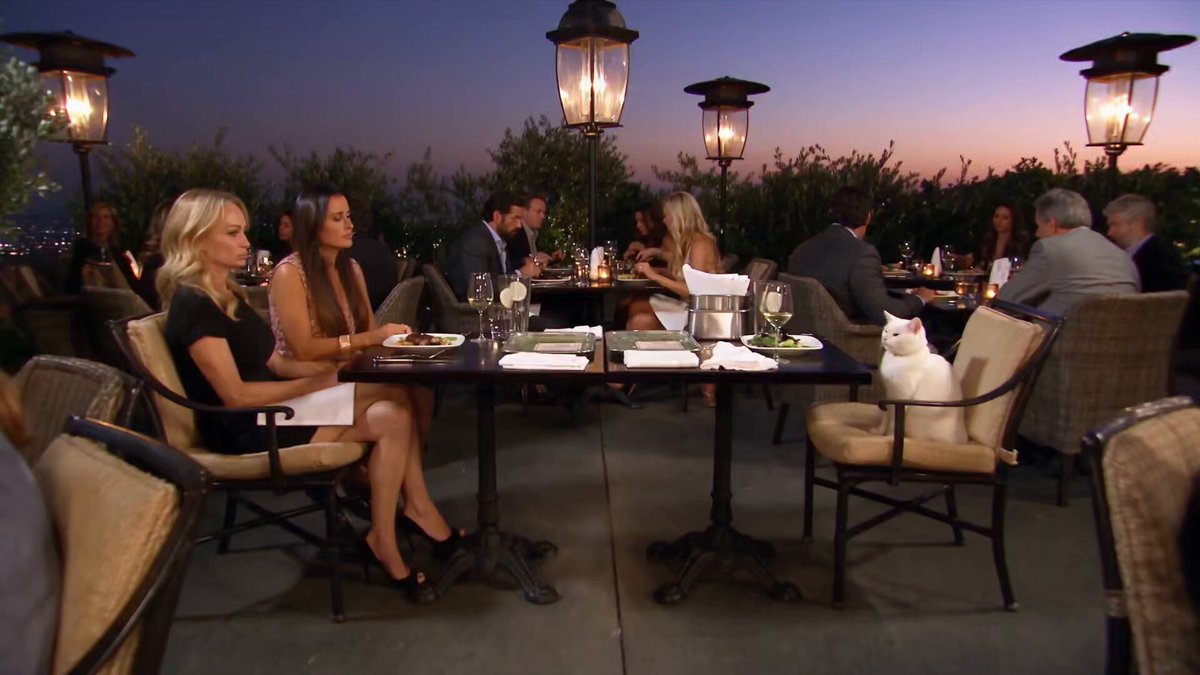
Rain-soaked detective
Input
Full-body concept of a detective in a long waxed coat and rounded glasses, holding a lantern at arm's length; a 1940s city alley backdrop, cool blue night palette, wet cobblestones reflecting the lamp.
Expected output
A readable full-body silhouette where the coat and lantern register instantly, even at thumbnail size.
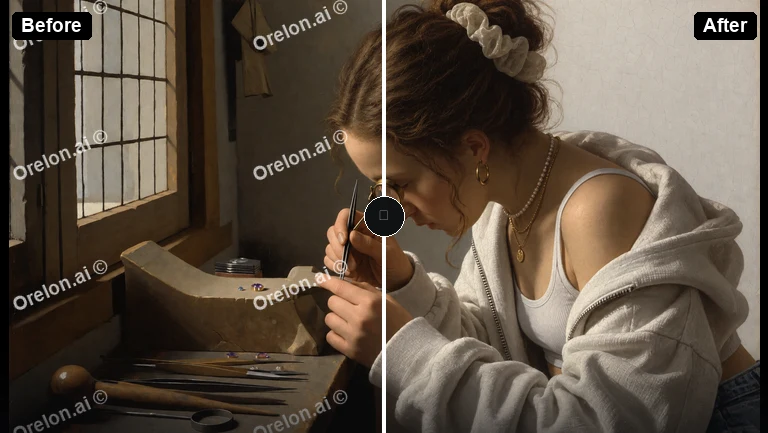
Desert courier
Input
Character concept of a courier in layered sand-colored wraps with goggles pushed up on the forehead and a satchel strapped tight; bright noon light, warm neutral palette, confident wide stance.
Expected output
A travel-ready outfit study with layered fabric detail worth zooming into before you draw the final.
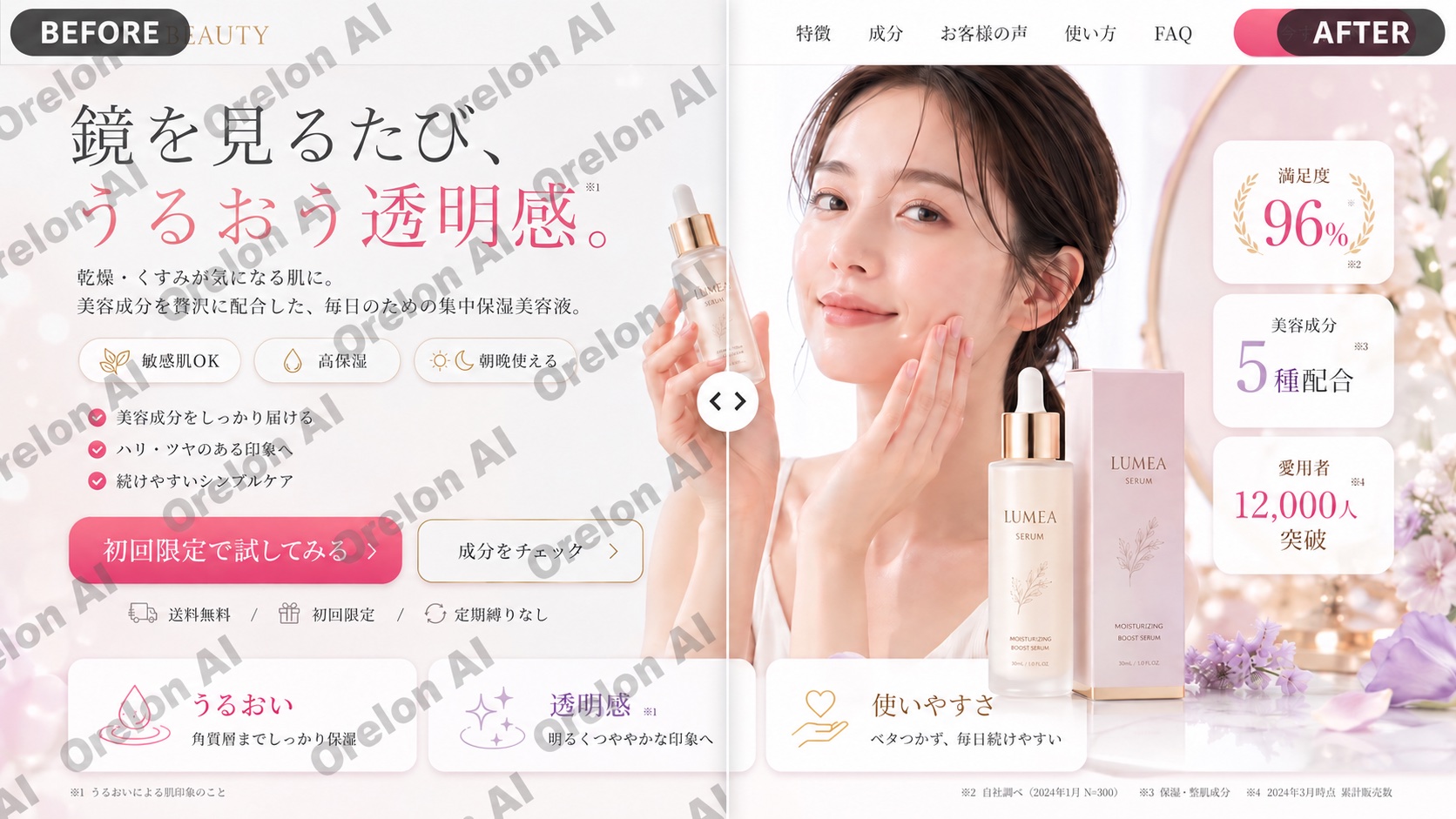
Arcane scholar
Input
Half-body portrait of a scholar with silver-streaked hair and ink-stained fingers at a candlelit desk crowded with scrolls; deep green and brass palette, warm key light from the candle side.
Expected output
A portrait where the hands and desk props support the scholar story instead of distracting from the face.
Turn a written character brief into full-body and portrait concept art candidates for games, comics, and campaign character sheets.
Full casts in days, not weeks
Run parallel one-character briefs for leads and side characters, then shortlist the takes that fit your world.
Silhouette-first design control
Because posture and proportion live in your prompt, you can push designs that stay distinct from each other even at small sizes.
Portable drafts for your own pipeline
Download the keepers as references for modeling, drawing, or feeding an art brief you already have.
How It Works
1
Describe the character
Describe the desired image.
2
Pick the generation settings
Choose the available generation settings.
3
Generate and review
Generate, review, and download a suitable result.
Briefing a character in words
Write the brief as nouns: role, outfit pieces, light, pose.
Input Constraints
One character and one outfit per prompt; competing costume ideas blur together.
Keep real people and existing franchise characters out of the brief and design originals instead.
Faces and hands vary between takes, so plan a review pass before committing any result.
Turnarounds and model sheets still need an artist's pass after generation.
Practical Tips
Lead with role and stance, since they set the silhouette everything else hangs on.
List three or four costume nouns with materials, like waxed coat, wool cap, brass buckles.
Name one light source and one palette limit to keep a series of characters coherent.
Change a single line between generations when hunting variations, so you can see what each change did.
Privacy
Do not upload personal or sensitive material unless you have permission to use it.
Usage Rights
Confirm that you have the rights needed for the inputs and intended use of the result.
Prompt recipes
Copy a structure, then adjust the subject, lighting, camera, and output details for your own result.
Role-and-silhouette brief
Full-body character concept of a harbor watch captain: broad stance, long boat cloak, lantern in one hand, fog behind her; silhouette readable at thumbnail size; cool gray palette with one brass accent; output use: game NPC sheet.
The thumbnail-size test in the prompt gives you an instant review criterion for whether the design holds up.
Outfit detail study
Costume study of a mountain courier: layered wool wraps, buckled satchel, worn boots, goggles on the forehead; flat neutral ground, fabric texture visible, lighting that implies front and side at once; output use: comic page costume reference.
Narrowing to the outfit with an implied two-view light squeezes reference value out of a single frame.
Expression and mood set
Three expression takes of the same scholar: focused, amused, exhausted; identical silver-streaked hair, ink-stained fingers, and candlelight; only the face changes between takes; output use: character introduction sequence.
Freezing every trait except the face turns the set into a controlled experiment you can review for consistency.
Trade-in-context pose
A desert mechanic kneeling beside a hovering engine block, tools laid out on a cloth, late afternoon shadow, warm neutral palette; the machinery implies her trade without any caption; output use: story key art.
Letting props carry the story keeps the pose natural while still communicating role at a glance.
Cast lineup sheet
Five side characters standing in a row, each with a distinct silhouette and hat shape, shared regional palette of ochre and indigo, consistent scale, plain ground; each figure readable at small size; output use: cast overview page.
Shared palette plus varied silhouettes is the classic lineup trick, and naming it keeps the set comparable.
Best use cases
Match the workflow to the input you have and the result you need before opening the generator.
Use case
Best input
Expected result
Tool
Game NPC concepts
Role, stance, one signature prop, and palette limits written in one paragraph.
Distinct silhouettes you can shortlist for modeling or hand to an artist as a brief.
Text to Image
Comic and webtoon cast
A character's role plus an outfit list plus two expressions.
Reference takes that help costume details stay consistent across pages.
Text to Image
Tabletop campaign portraits
Class, gear list, and one personal quirk such as a scar or a keepsake.
A portrait you can crop for a character sheet and judge against how you imagine the character.
Text to Image
Game NPC concepts
Input: Role, stance, one signature prop, and palette limits written in one paragraph.
Result: Distinct silhouettes you can shortlist for modeling or hand to an artist as a brief.
Tool: Text to Image
Comic and webtoon cast
Input: A character's role plus an outfit list plus two expressions.
Result: Reference takes that help costume details stay consistent across pages.
Tool: Text to Image
Tabletop campaign portraits
Input: Class, gear list, and one personal quirk such as a scar or a keepsake.
Result: A portrait you can crop for a character sheet and judge against how you imagine the character.
Tool: Text to Image
Limitations to know before generating
Faces and hands vary between takes, so plan to redraw or polish anything you keep.
Prompts listing several costume ideas at once compete with each other and produce muddled outfits.
Generated designs can accidentally resemble existing franchise characters; review before commercial use.
Exact turnarounds, model sheets, and rigged assets still require an artist after the concept stage.
Creative Suite: AI Video Generator & AI Image Generator Tools
Power up your creative workflow with our AI-driven tools. Generate stunning videos, create images, and apply custom adjustments - our AI Video Generator and AI Image Generator offer a complete solution for all your creative needs.