How do you use reference images with text-to-image generators?
This workflow involves describing visual elements from reference images in text form. You translate the key features—composition, colors, lighting, style—into a detailed prompt, and the tool generates a new image based on that description rather than uploading the reference directly.
AI Image Generator With Other Images
Scene inspired by a reference photo
Input
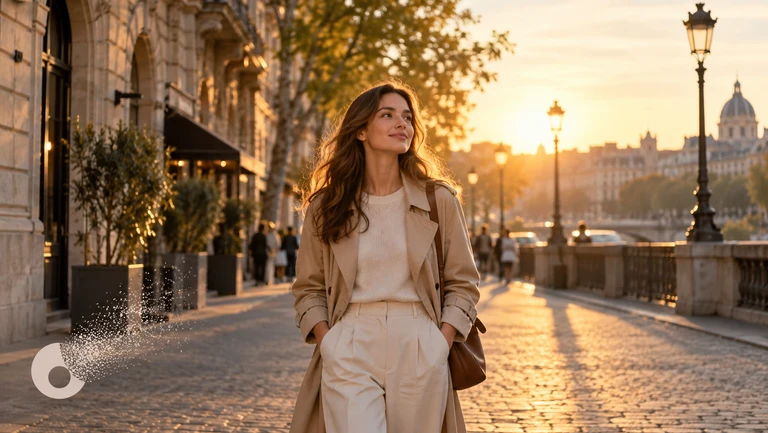
Coastal cliff sunset similar to a reference photo with turquoise water, orange sky, and silhouetted pines, photorealistic
Expected output
A photorealistic coastal scene matching the described colours, lighting, and landscape elements.
Style variation of an existing image
Input
A city skyline reimagined as a cyberpunk neon scene, originally a daytime photo, now with purple and cyan night lighting
Expected output
A city skyline transformed into a neon-lit night scene with the described colour palette and futuristic style.
Visual mashup from multiple sources
Input
Ancient Greek temple interior combined with futuristic holographic displays, marble columns with glowing blue data projections
Expected output
A hybrid scene mixing classical architecture with sci-fi holographic elements in a single composition.
Generate new images inspired by reference visuals, described through text
Reference-based creation
Describe visual qualities from existing images to guide new compositions without uploading files.
Style transfer via text
Translate the style, mood, or color palette from one image into a completely new subject by describing it.
Iterative concept development
Build on reference ideas by describing variations, changes, or mashups in successive prompts.
How It Works
1
Describe the desired image.
Describe the desired image.
2
Choose the available generation settings.
Choose the available generation settings.
3
Generate, review, and download a suitable result.
Generate, review, and download a suitable result.
Reference-based prompt techniques
Translate visual qualities from reference images into descriptive text the tool can interpret.
Input Constraints
Describe the composition, colours, and mood of the reference image in words.
State what stays the same and what changes compared to the original.
Use comparisons like 'similar lighting to' or 'same colour palette as' to anchor the style.
Describe the new subject separately so it does not get confused with the reference elements.
Avoid claiming direct replication of a specific copyrighted image.
Practical Tips
If describing a well-known visual style, name the style rather than a specific image.
Focus on the elements that made the reference image work—lighting, palette, composition.
Add new elements to the description to make the result distinct from the original.
Privacy
Do not upload personal or sensitive material unless you have permission to use it.
Usage Rights
Confirm that you have the rights needed for the inputs and intended use of the result.
Prompt recipes
Copy a structure, then adjust the subject, lighting, camera, and output details for your own result.
Photo restaging with new subject
Portrait with the same dramatic Rembrandt lighting as a classic painting, but subject is a modern barista in coffee shop apron, warm golden tones, dark background
Borrows a known lighting technique from art history and applies it to a contemporary subject for a familiar-yet-fresh composition.
Color palette extraction
Autumn forest scene using the exact color palette from a vintage travel poster: burnt orange, mustard yellow, deep teal, cream, flat color illustration style
Extracts and names a specific color scheme from a reference, applying it to a new scene for cohesive visual identity.
Composition mirroring
Product photo with the same diagonal composition and shallow depth of field as a high-end watch ad, but subject is a fountain pen on leather notebook, luxury lighting
Describes compositional structure and depth technique from a reference genre, transferring professional styling to a different product.
Mood and atmosphere transfer
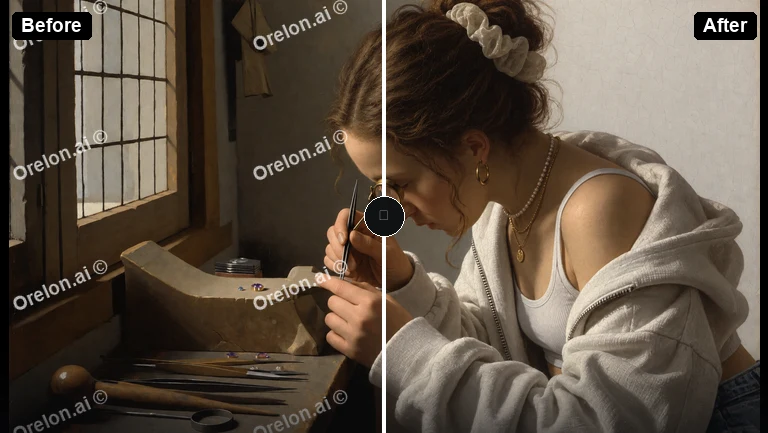
Quiet library interior with the same peaceful, diffused morning light and muted color palette as a Vermeer interior painting, contemporary furniture, serene atmosphere
References a known atmospheric quality and lighting style from art, applying it to a modern setting for emotional continuity.
Style fusion from multiple references
Character design combining the bold line work of comic book art with the soft watercolor textures of children's book illustration, fantasy adventurer character, vibrant but gentle style
Describes two distinct reference styles and requests a fusion, creating a hybrid visual language from multiple sources.
Architecture reimagining
Victorian mansion exterior reimagined in the clean geometric style of mid-century modern architecture, keep the three-story scale and front porch, replace ornate details with simple lines
Takes a specific architectural reference and describes how to transform it with elements from another era, creating a clear before-and-after mental model.
Best use cases
Match the workflow to the input you have and the result you need before opening the generator.
Use case
Best input
Expected result
Tool
Style matching for brand consistency
Reference style description, new subject, key visual elements to preserve
New image matching the reference style with different content
Text to Image with detailed style and palette description
Concept iteration from existing work
Original image description, specific changes or variations to explore
Modified version of concept with described changes
Text to Image with comparison language (similar to, but with)
Moodboard-driven design
Multiple reference descriptions, desired fusion or combination
New composition synthesizing elements from references
Text to Image with multi-reference descriptive prompts
Before-and-after concept visualization
Original state description, transformation goals, style for after state
Visualized transformation showing both states or final result
Text to Image with clear before/after language
Style matching for brand consistency
Input: Reference style description, new subject, key visual elements to preserve
Result: New image matching the reference style with different content
Tool: Text to Image with detailed style and palette description
Concept iteration from existing work
Input: Original image description, specific changes or variations to explore
Result: Modified version of concept with described changes
Tool: Text to Image with comparison language (similar to, but with)
Moodboard-driven design
Input: Multiple reference descriptions, desired fusion or combination
Result: New composition synthesizing elements from references
Tool: Text to Image with multi-reference descriptive prompts
Before-and-after concept visualization
Input: Original state description, transformation goals, style for after state
Result: Visualized transformation showing both states or final result
Tool: Text to Image with clear before/after language
Limitations to know before generating
The tool does not accept uploaded reference images; all guidance must be text-based.
Accurate style or composition transfer depends on how precisely you can describe visual qualities.
Complex references with many subtle details may not translate fully through text description.
Generated results are interpretations, not exact replicas of reference material.
Describing copyrighted or trademarked visual styles may produce results that resemble but do not copy the original.
Review generated images to ensure they match your intent and do not infringe on original reference rights.
Creative Suite: AI Video Generator & AI Image Generator Tools
Power up your creative workflow with our AI-driven tools. Generate stunning videos, create images, and apply custom adjustments - our AI Video Generator and AI Image Generator offer a complete solution for all your creative needs.